Easter Island
What is Easter Island?
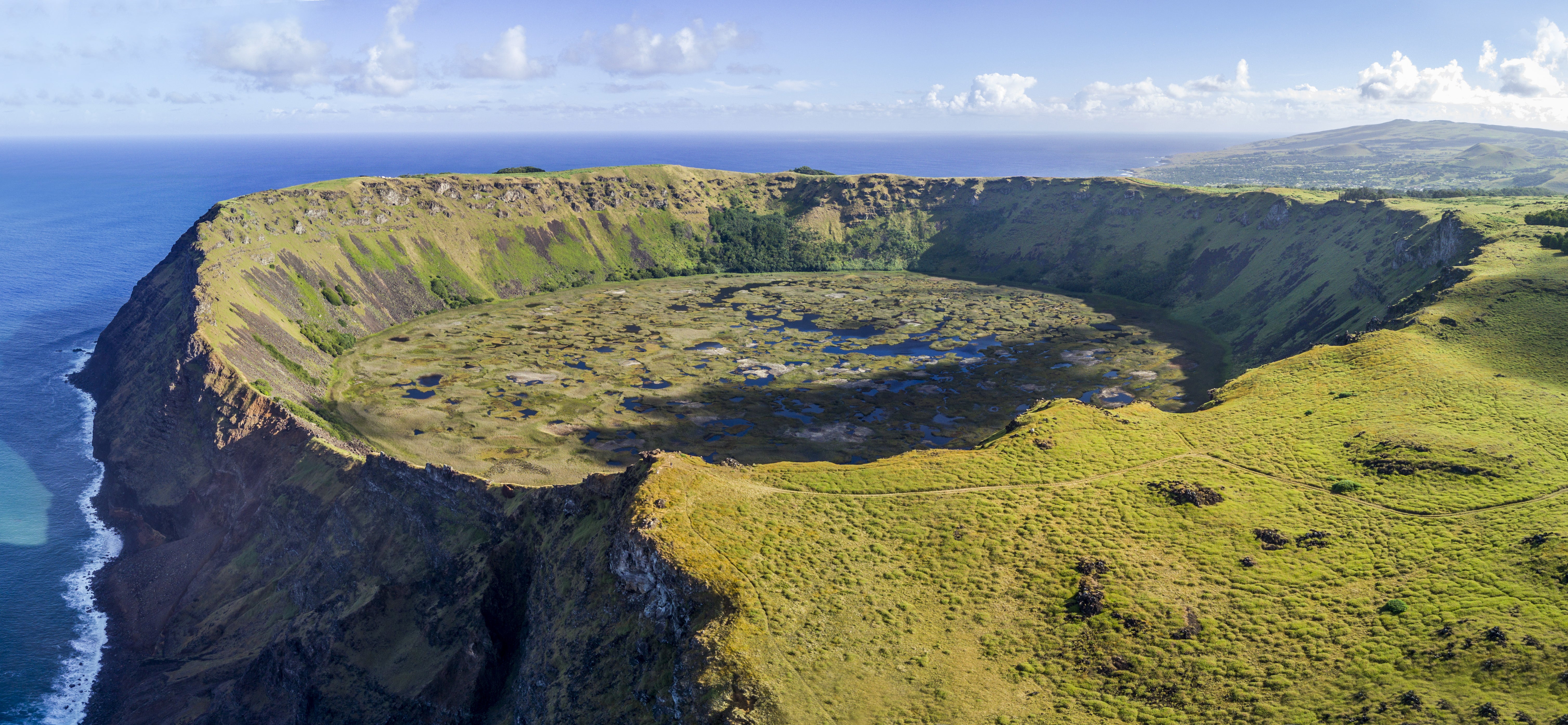
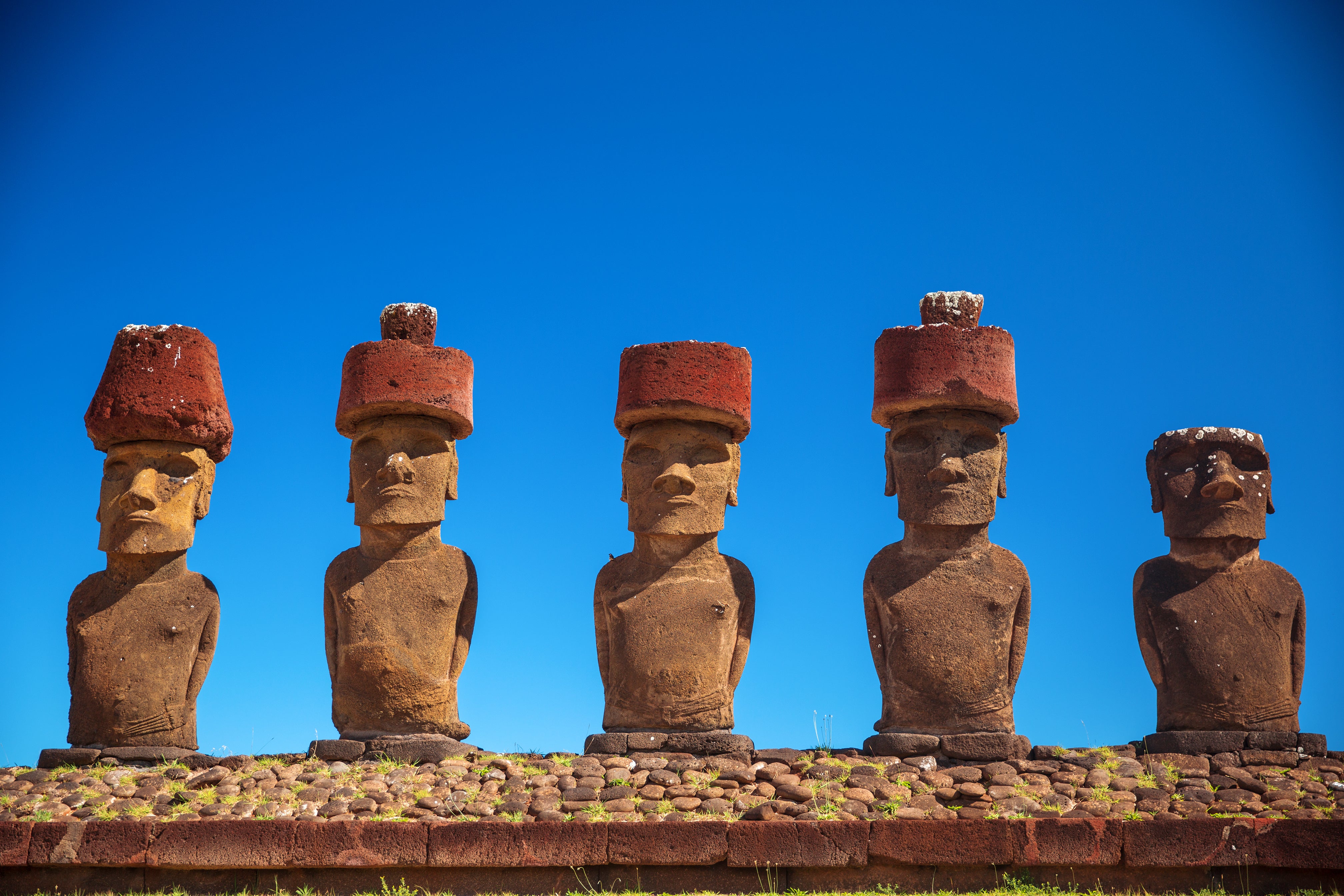
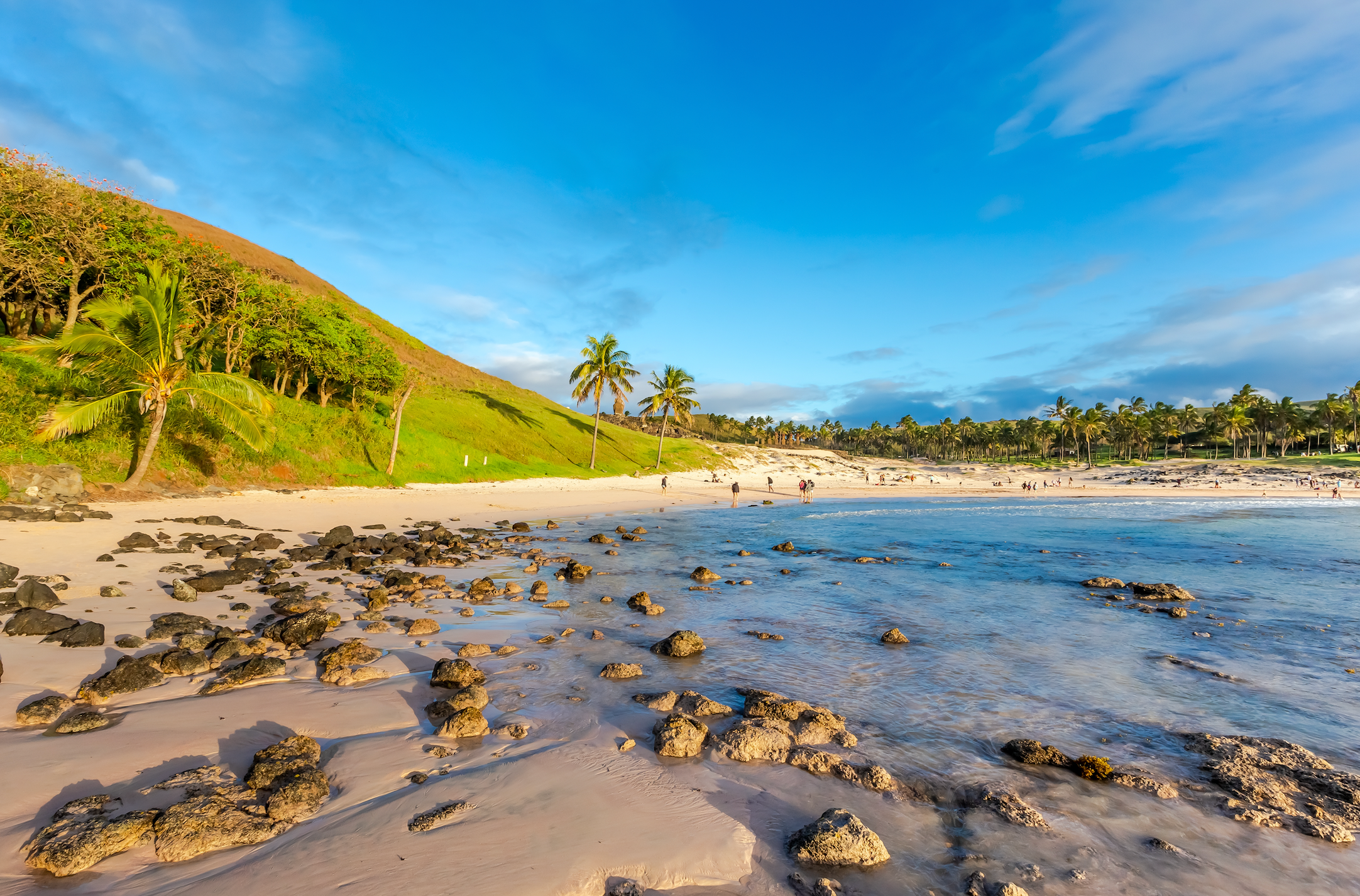
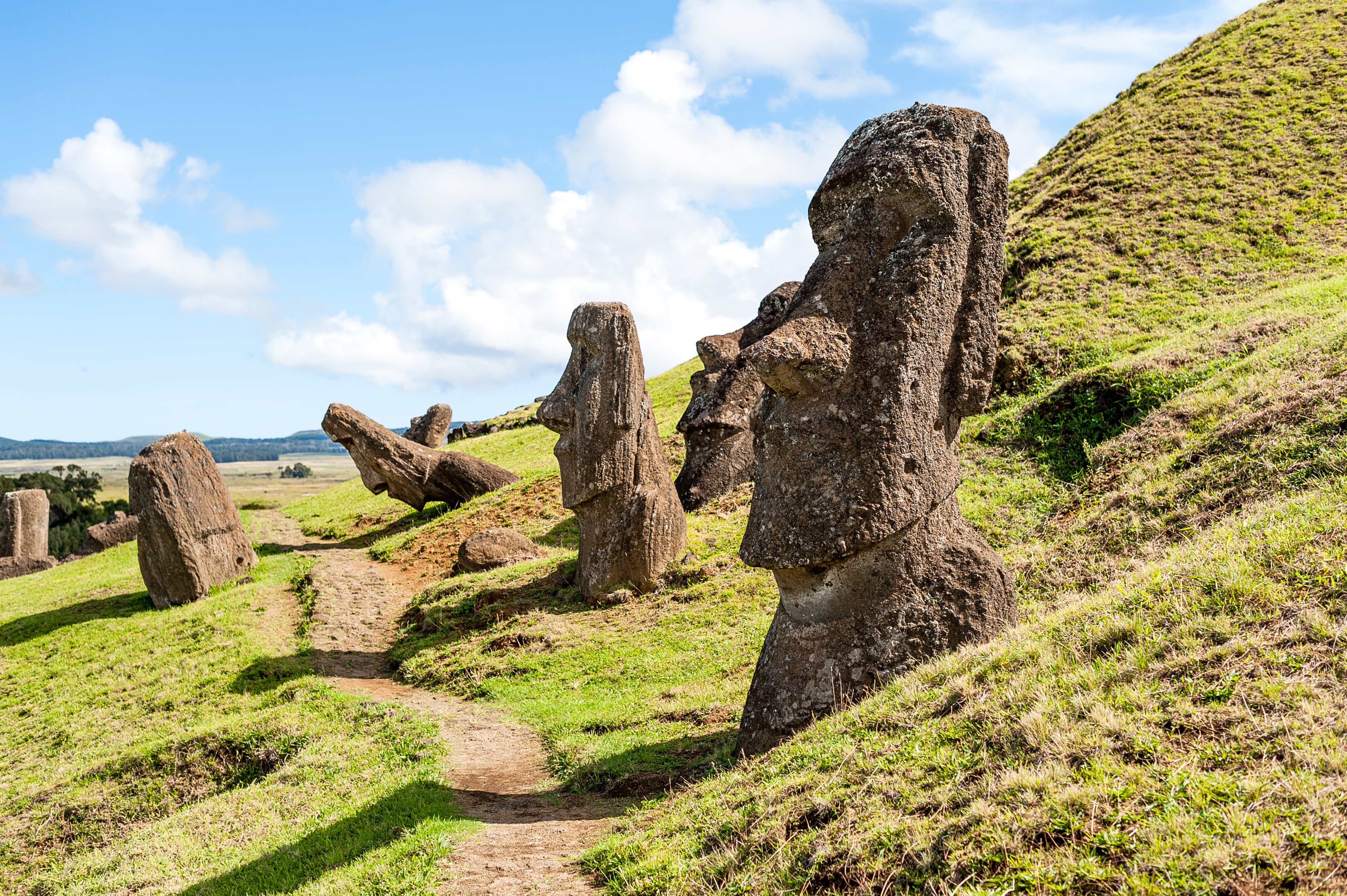
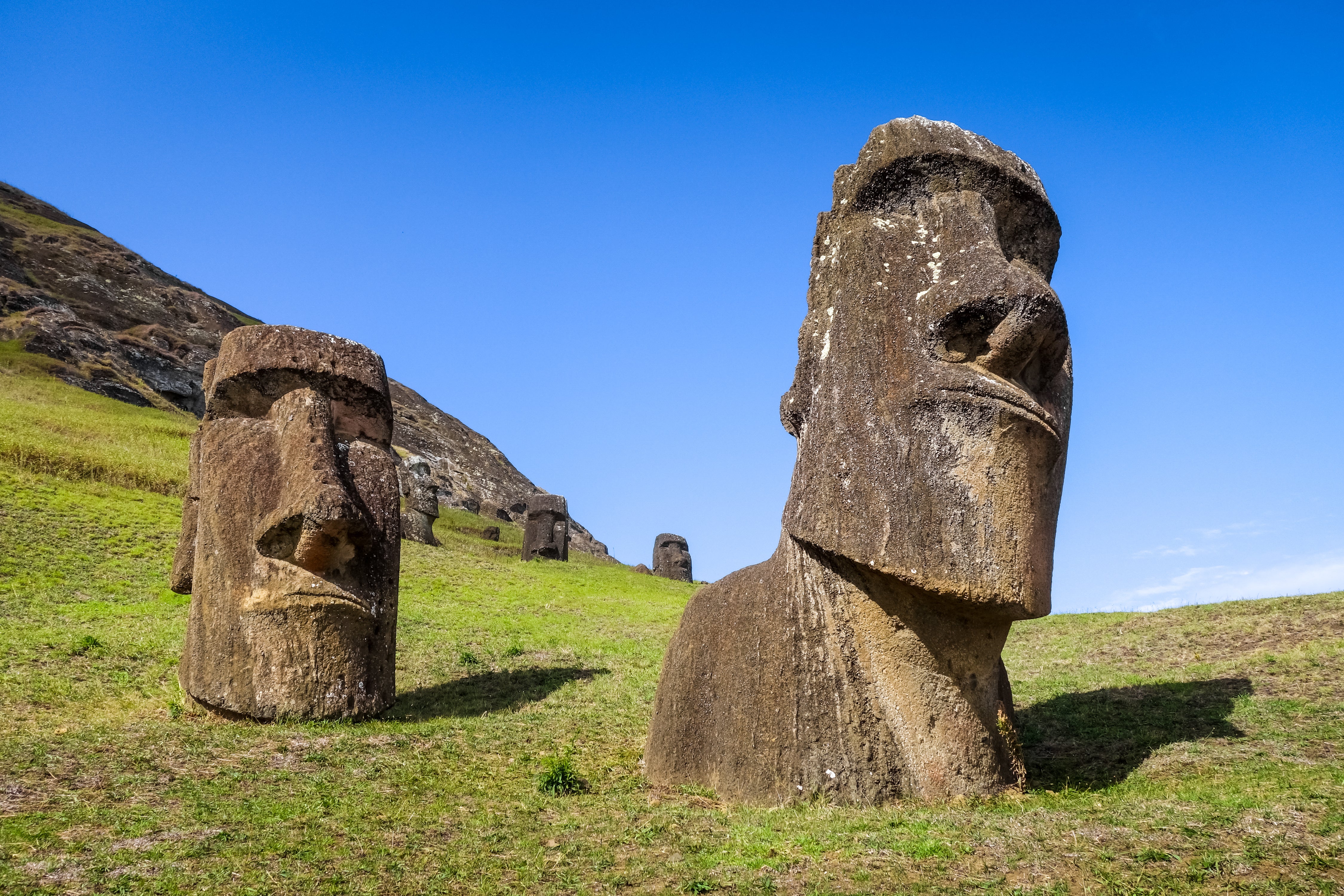
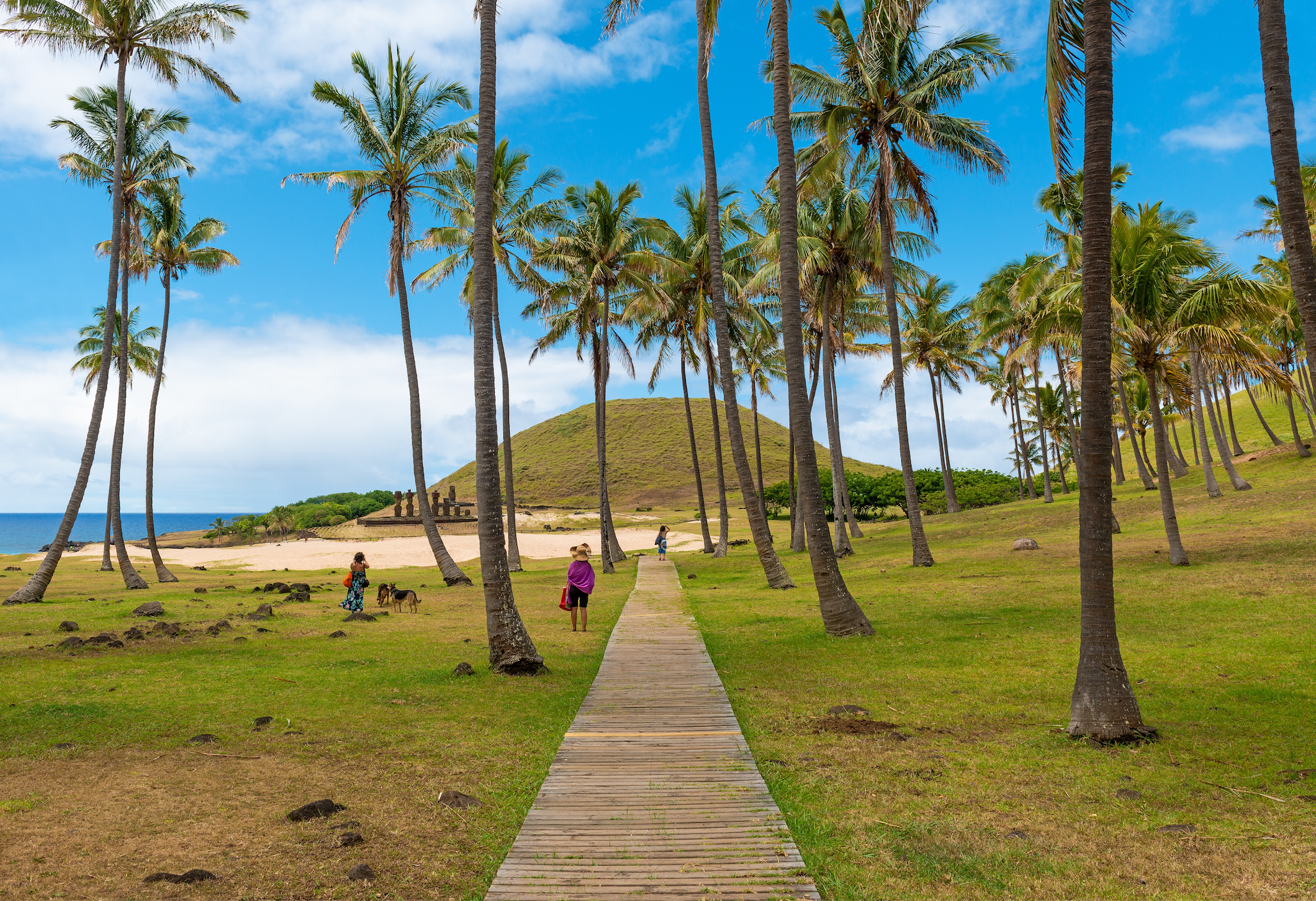
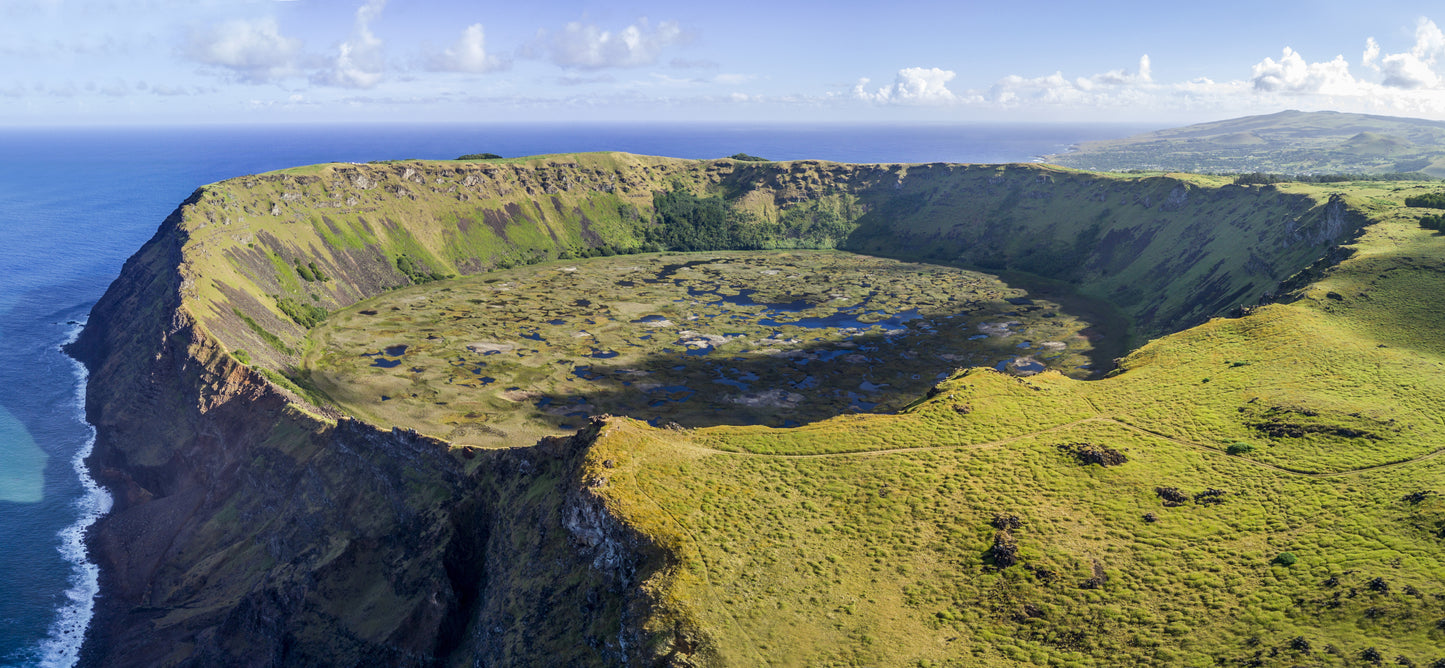
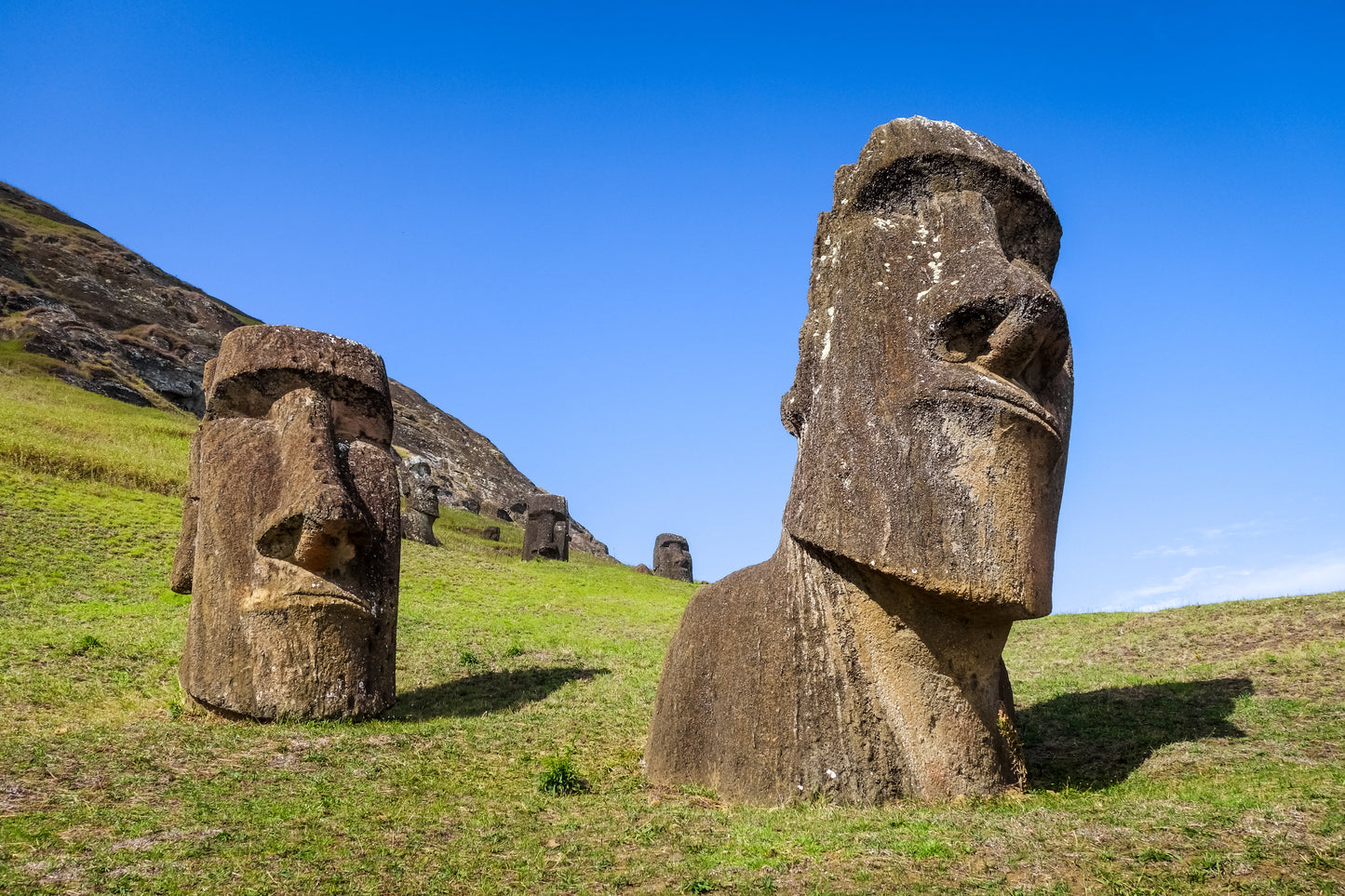
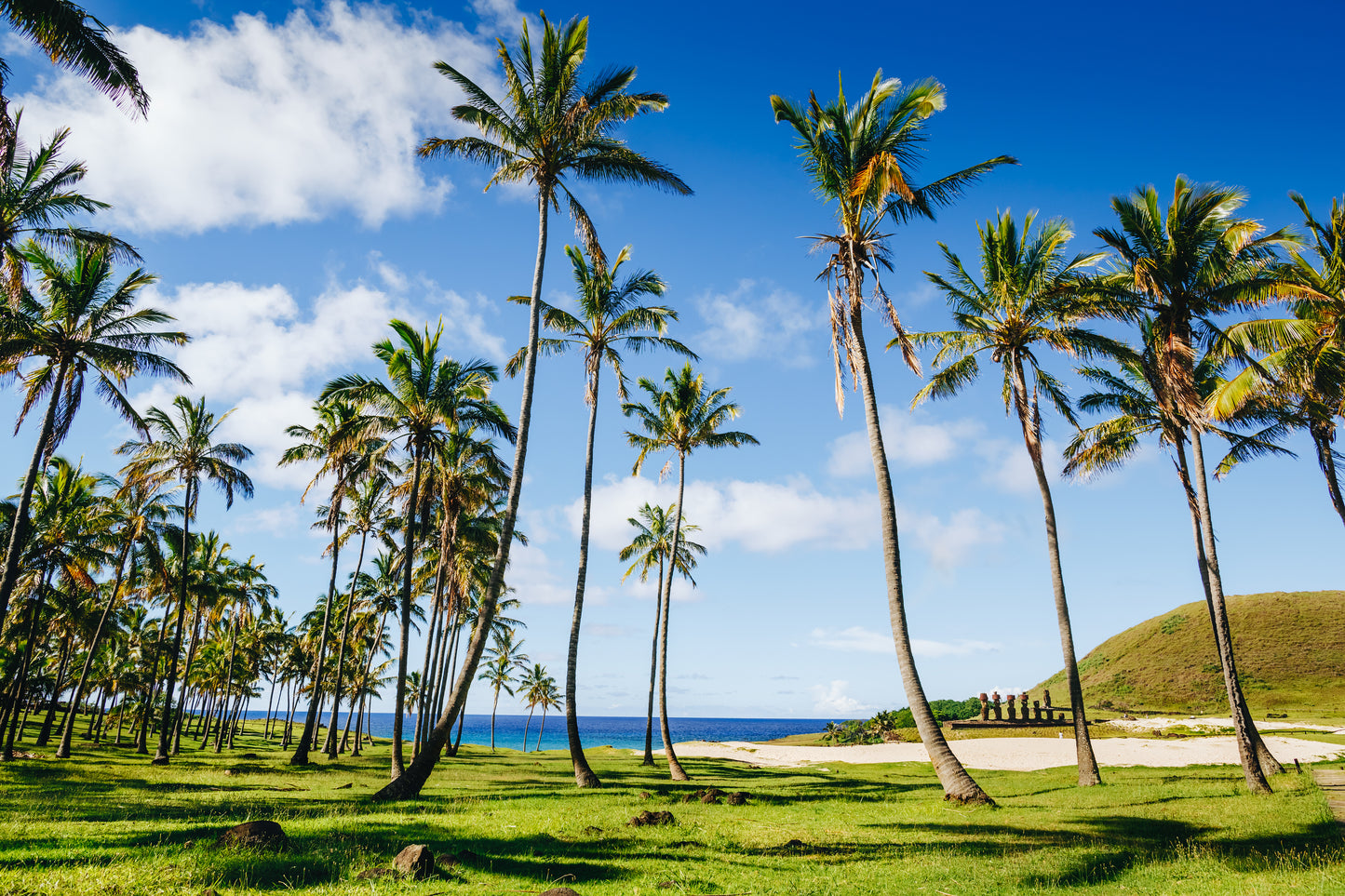
Easter Island is a name given by Dutch seafarer Jacob Roggeveen in 1722 to the Polynesian island of Rapa Nui. It is a tiny island in the Pacific Ocean, known for it's huge moai statues. The island is often called to be the most remote place in the world.
What are the Moai?
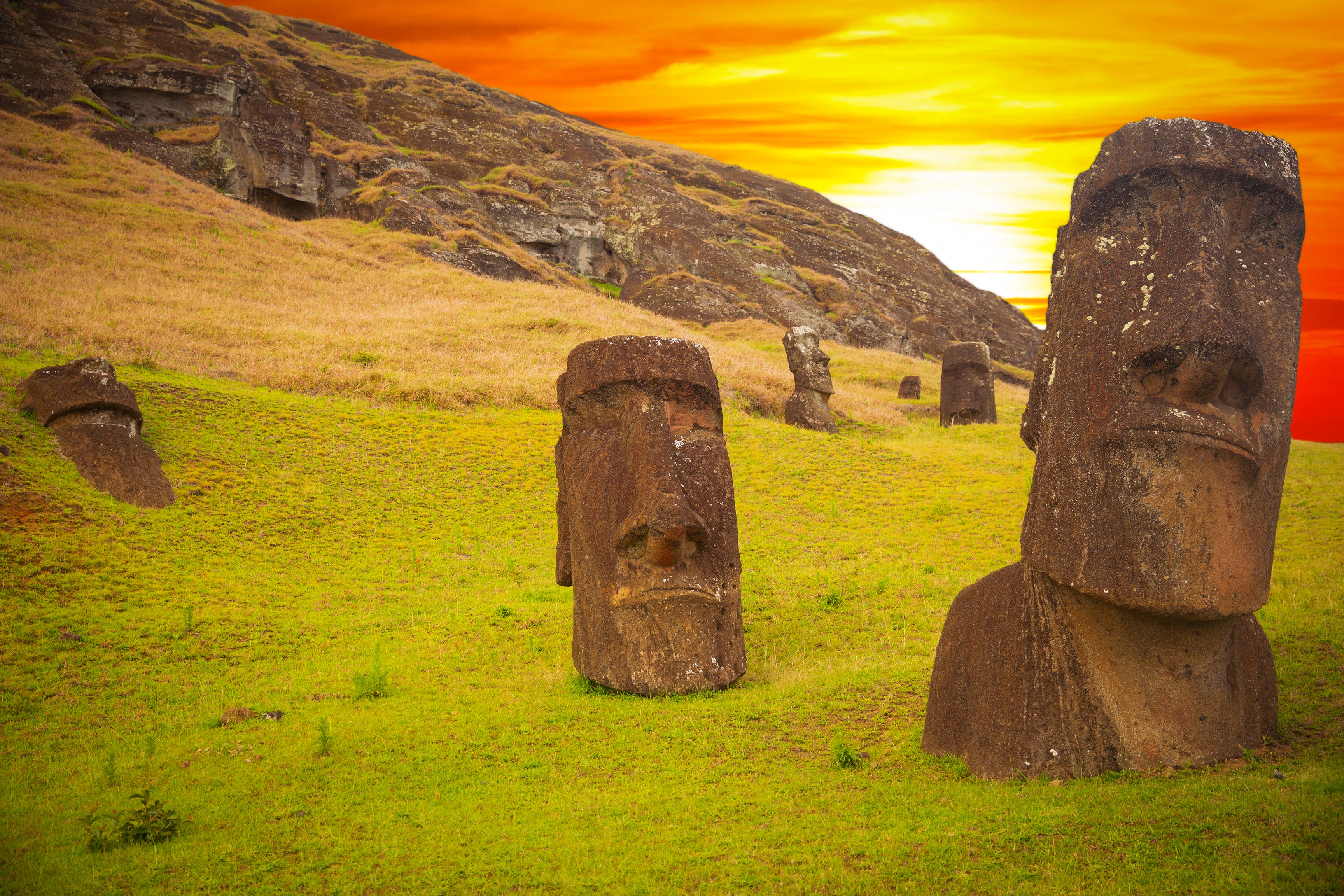
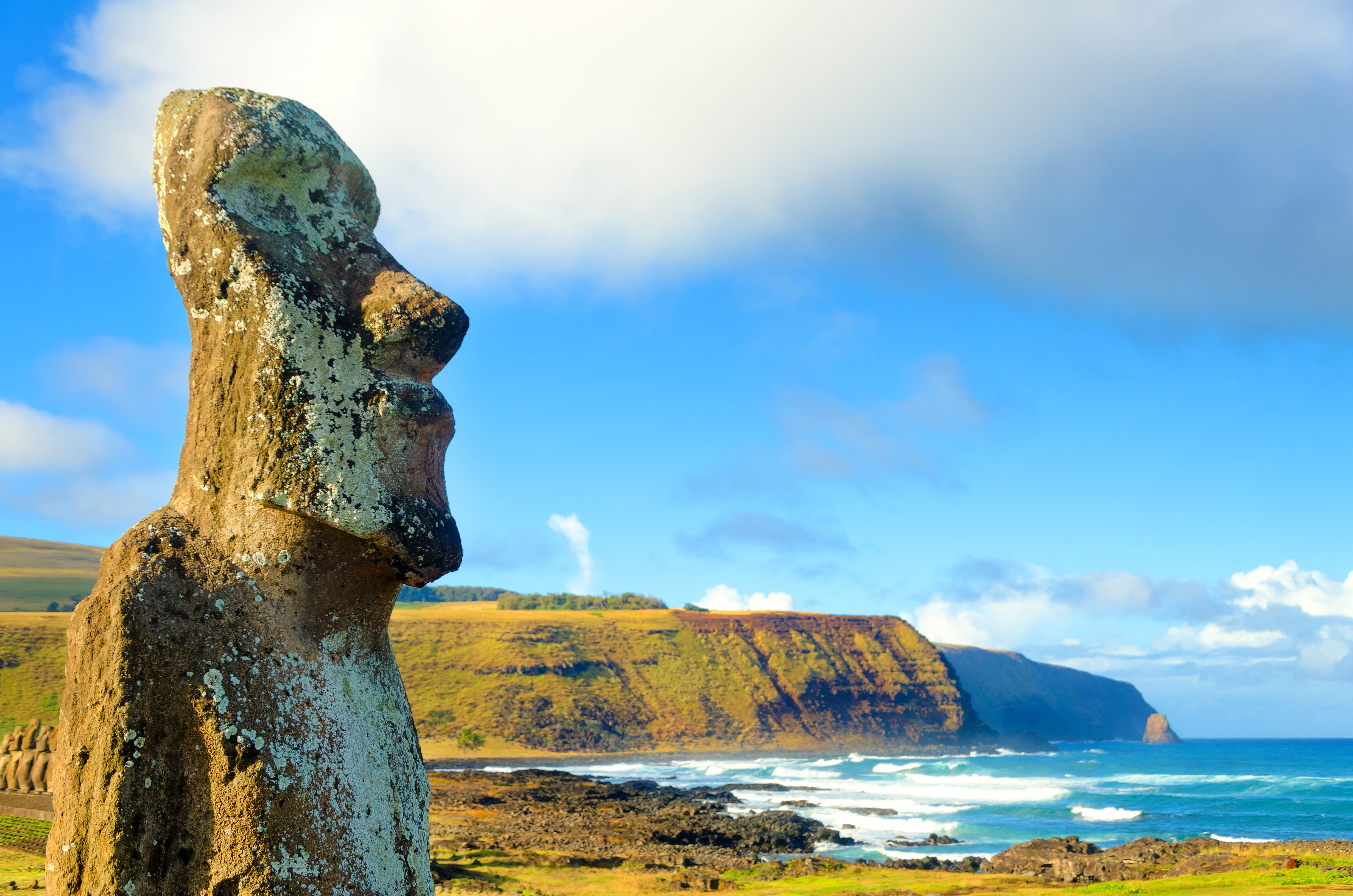
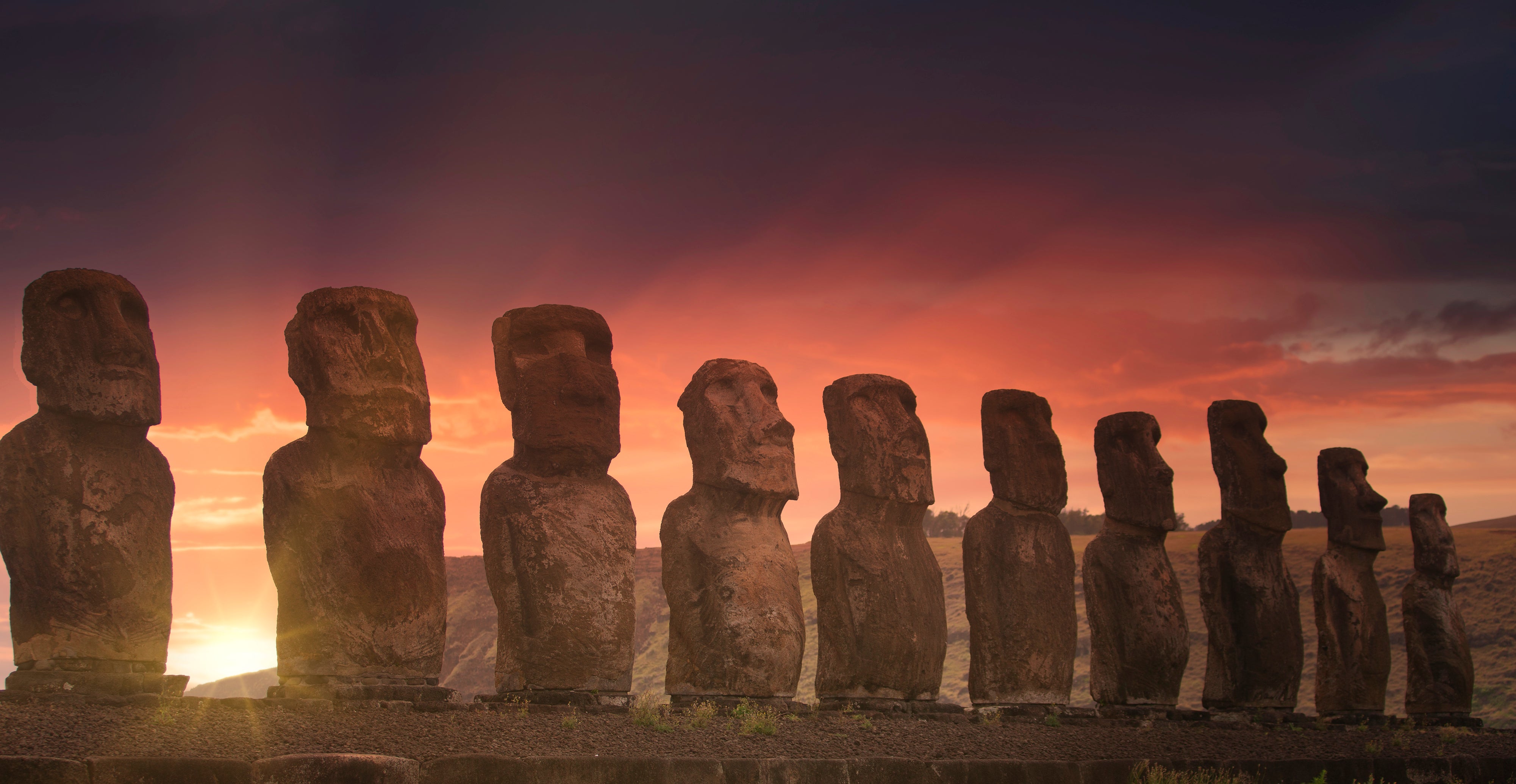
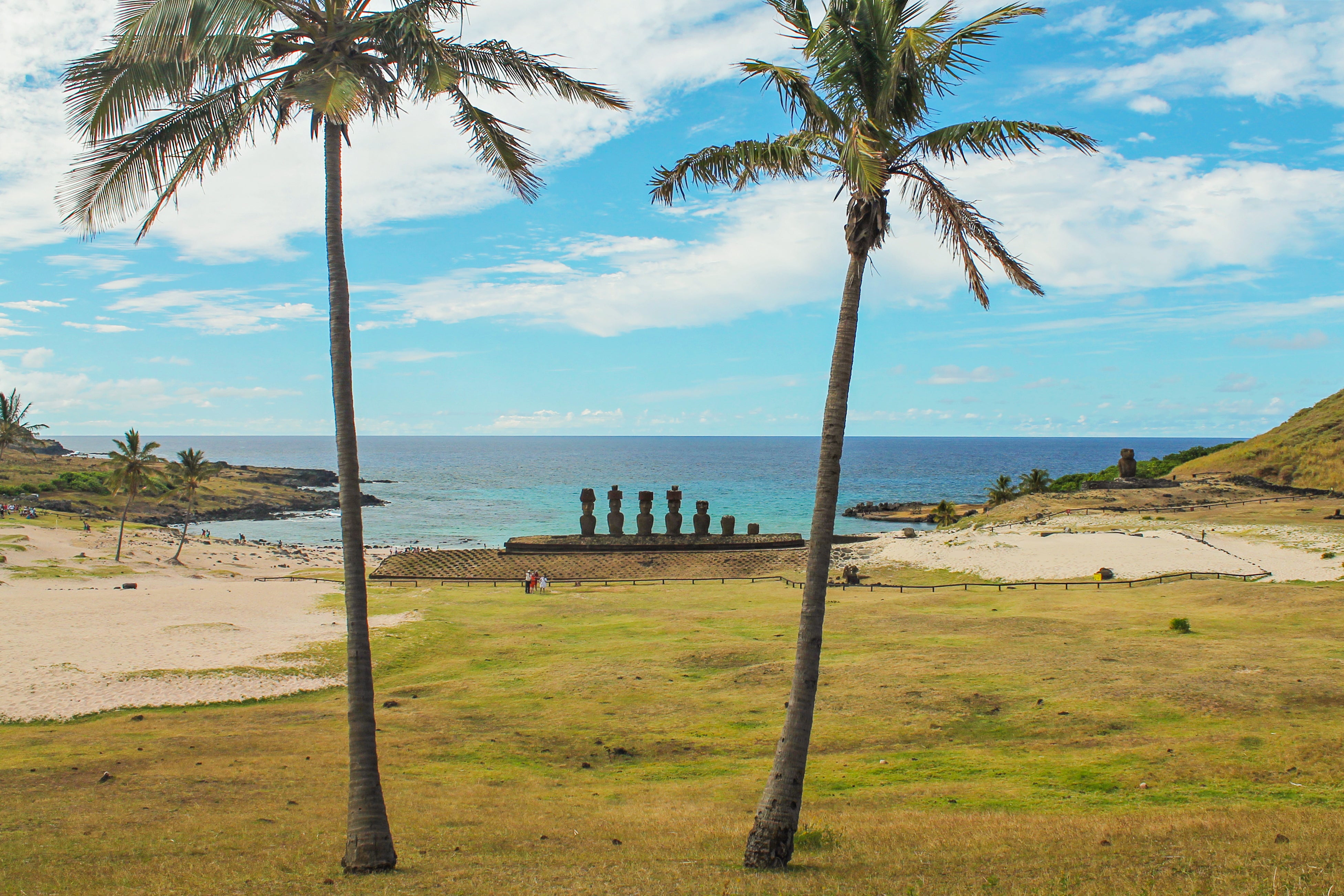
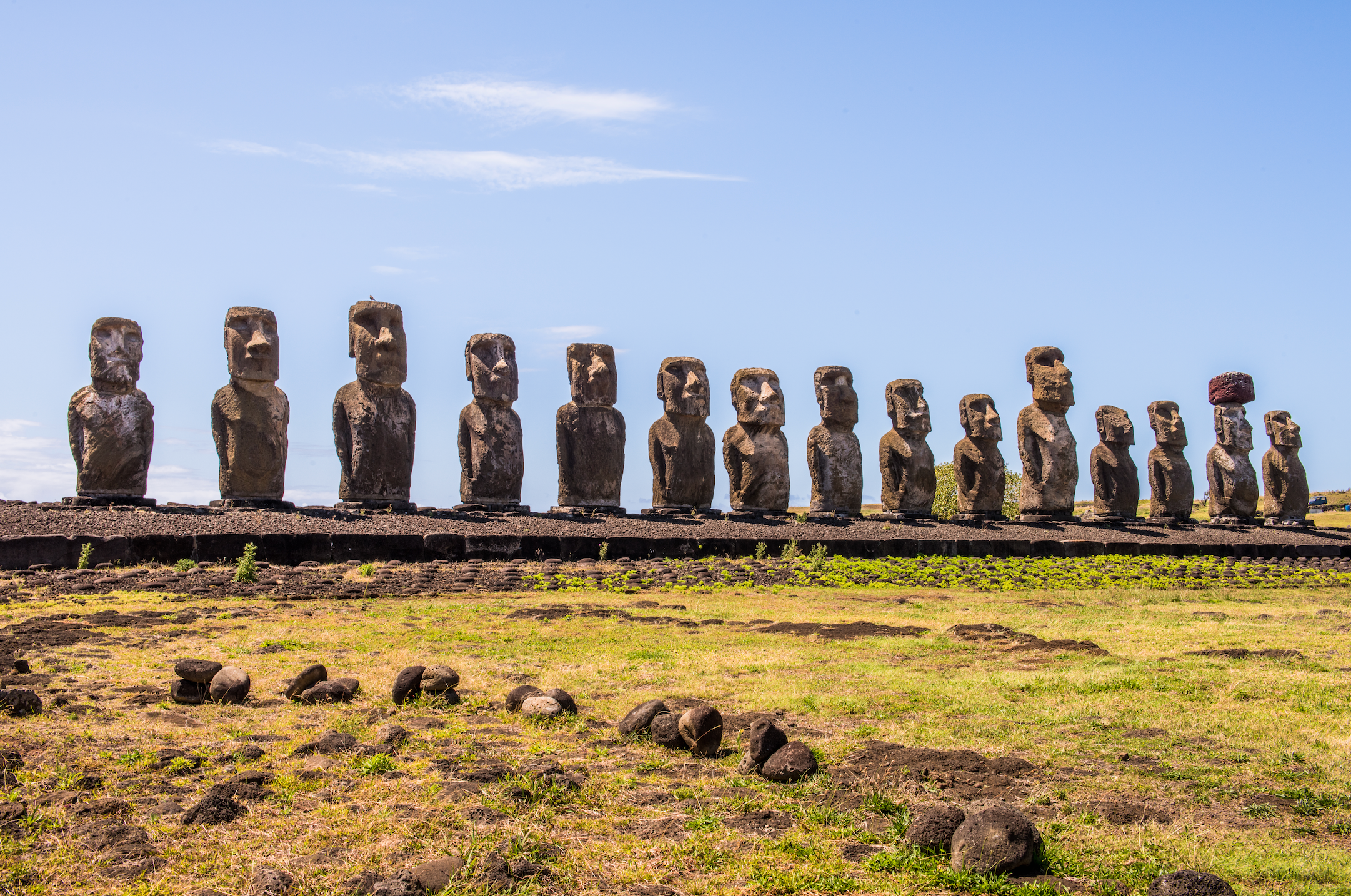
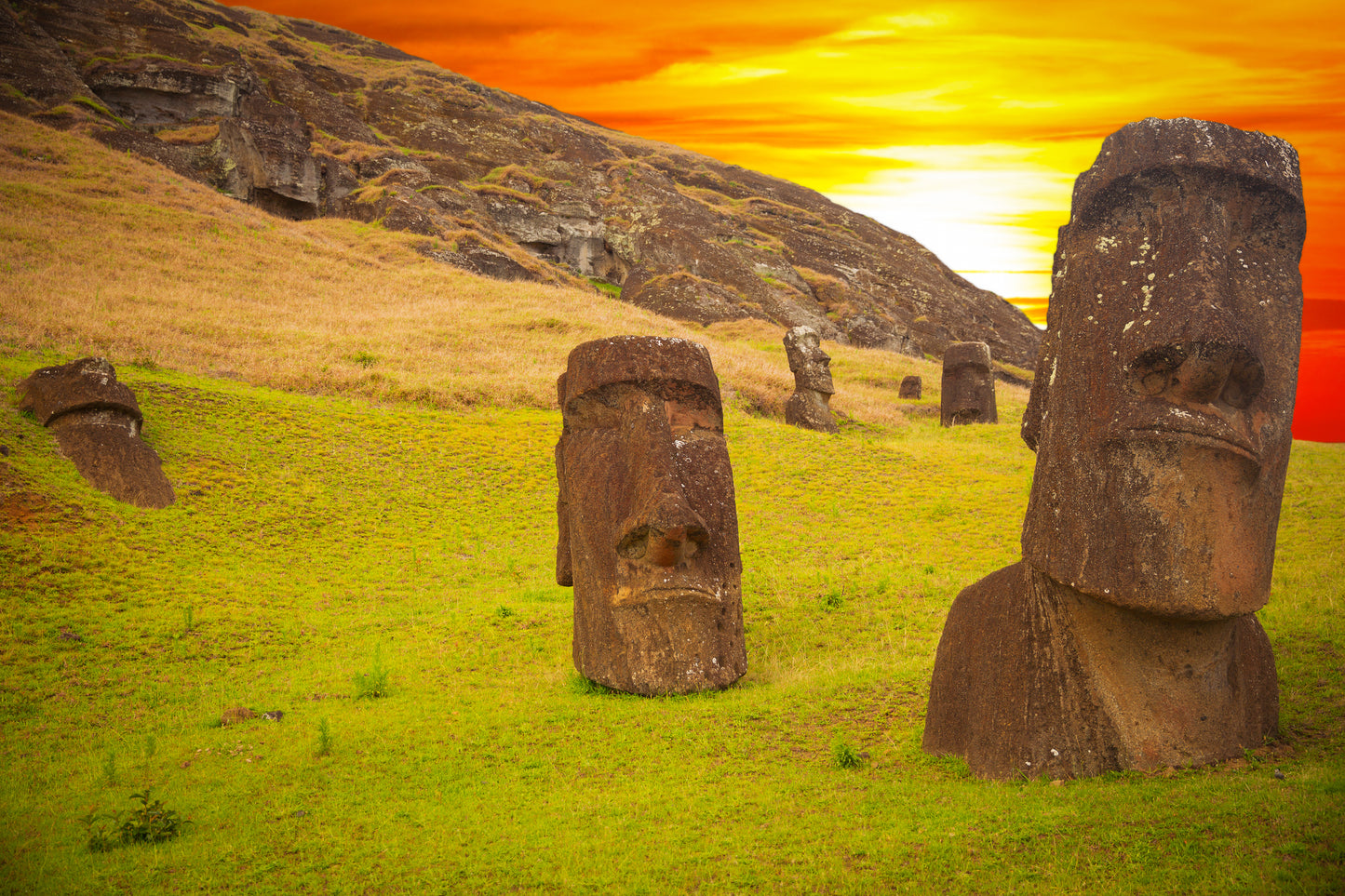
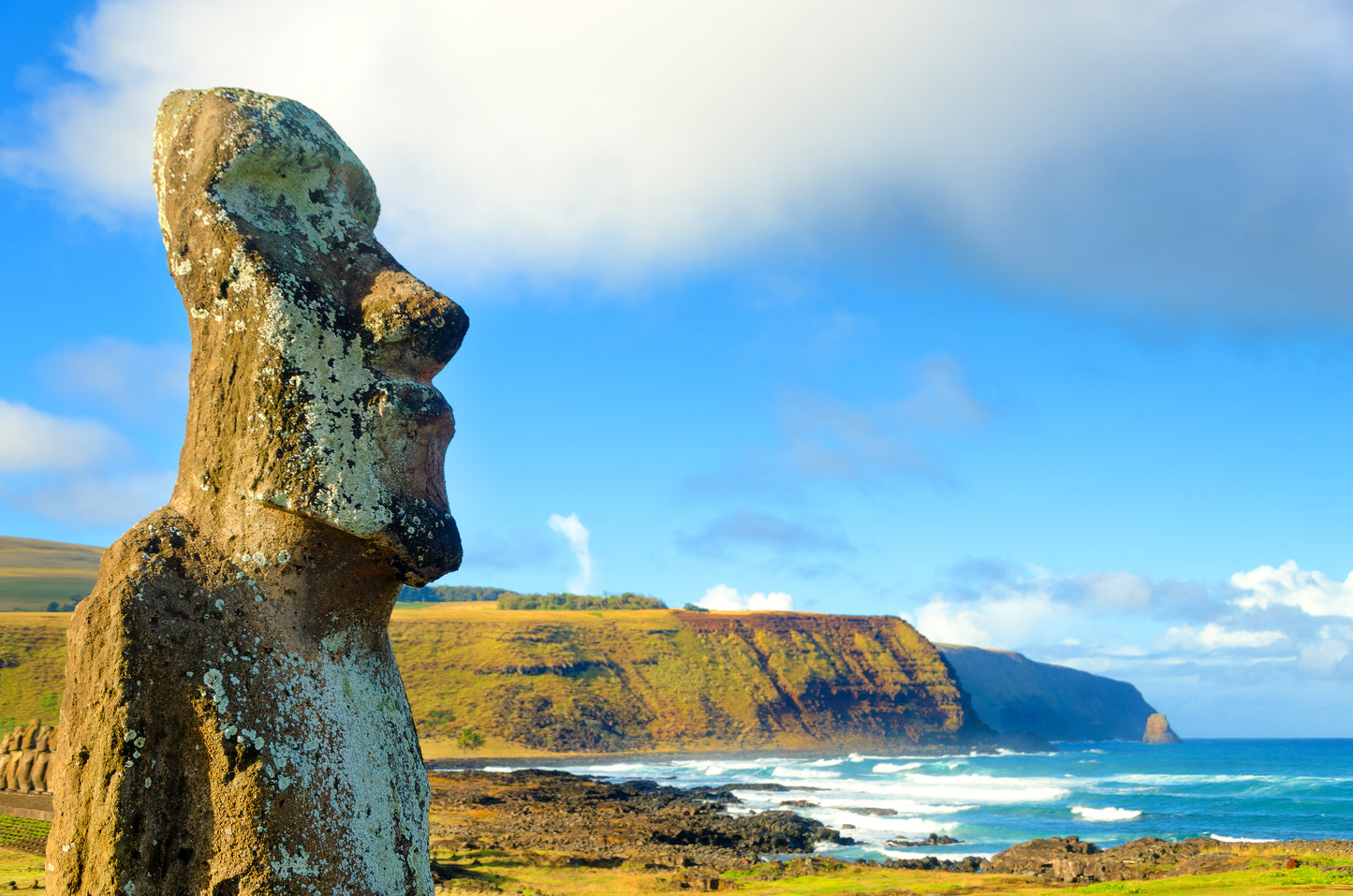
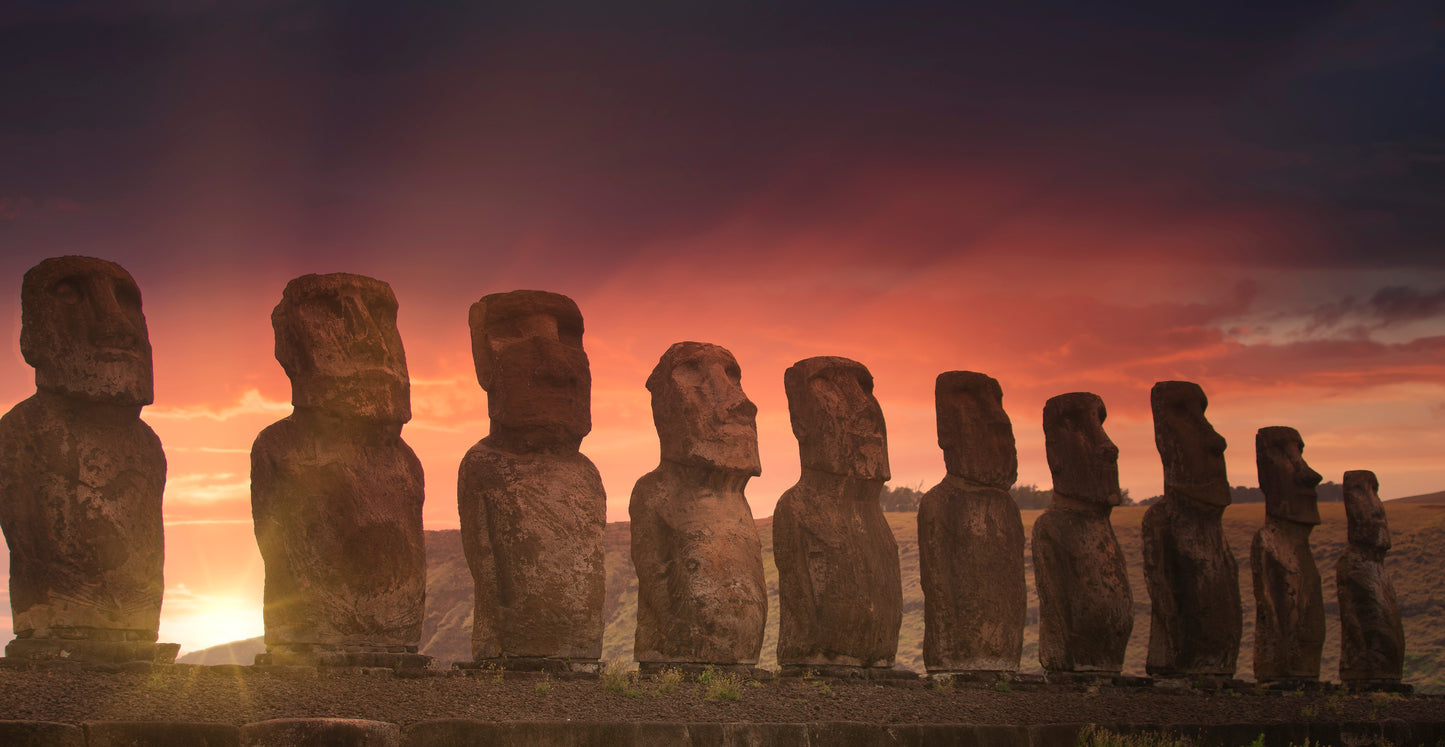
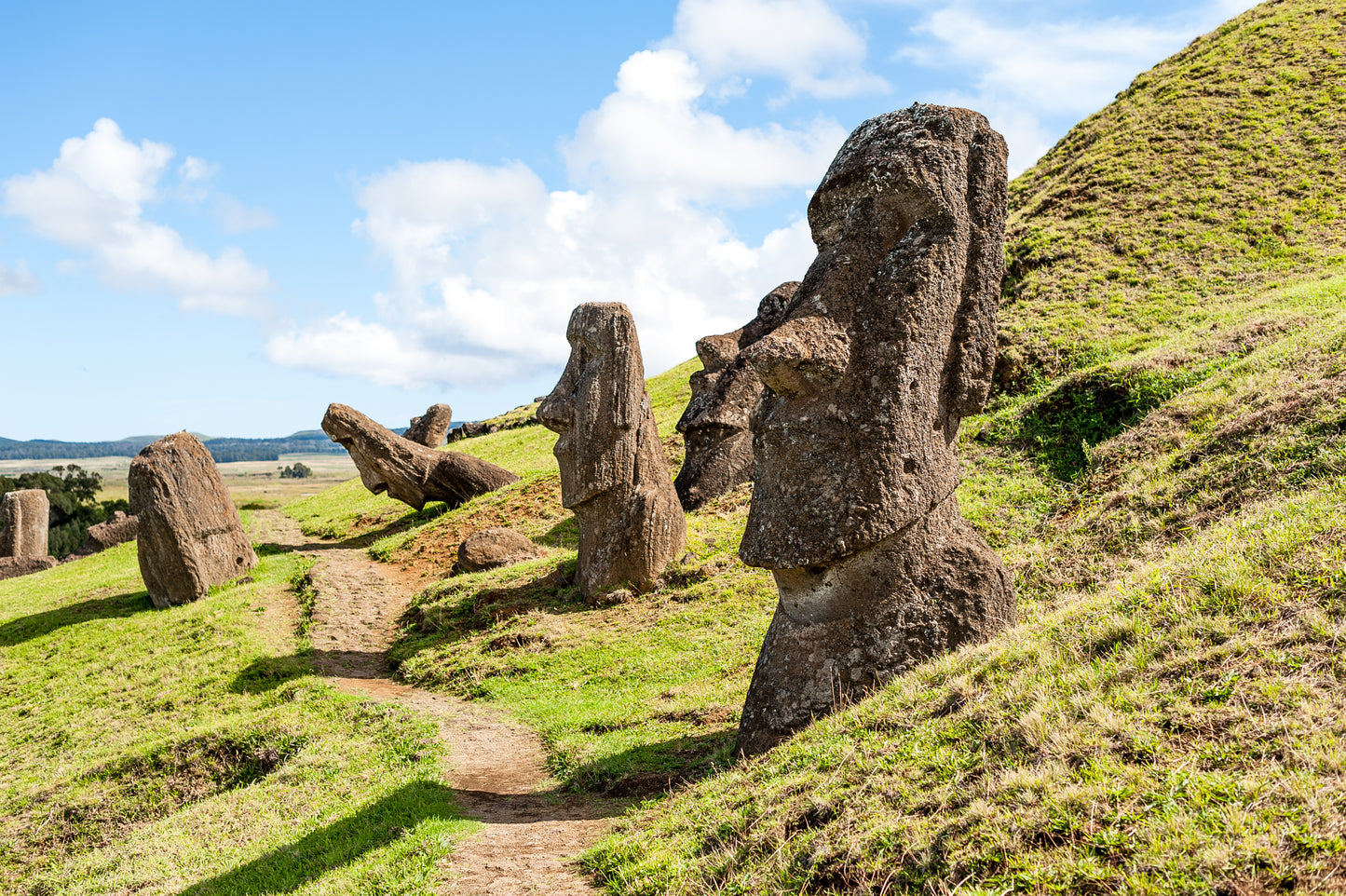
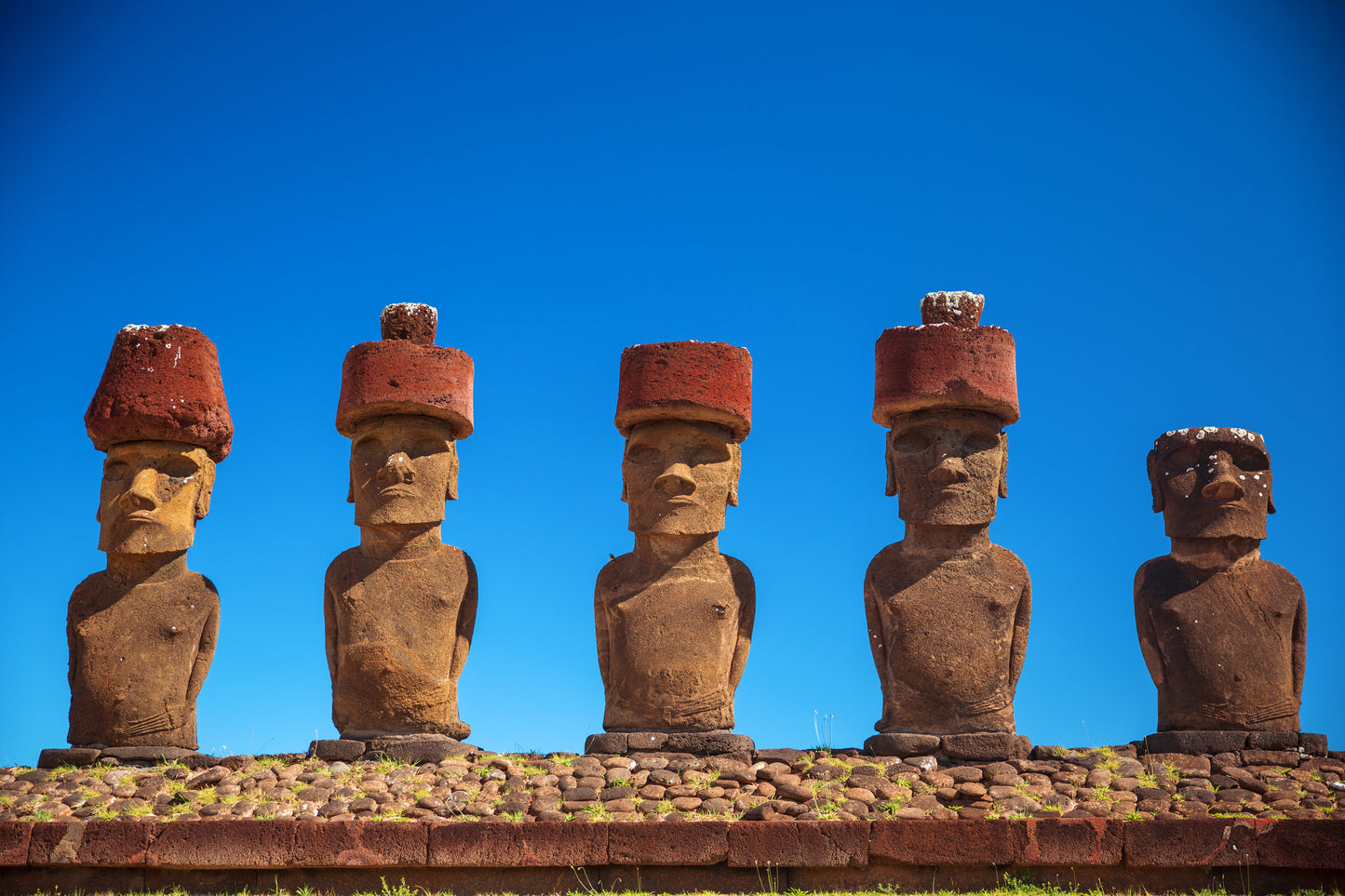
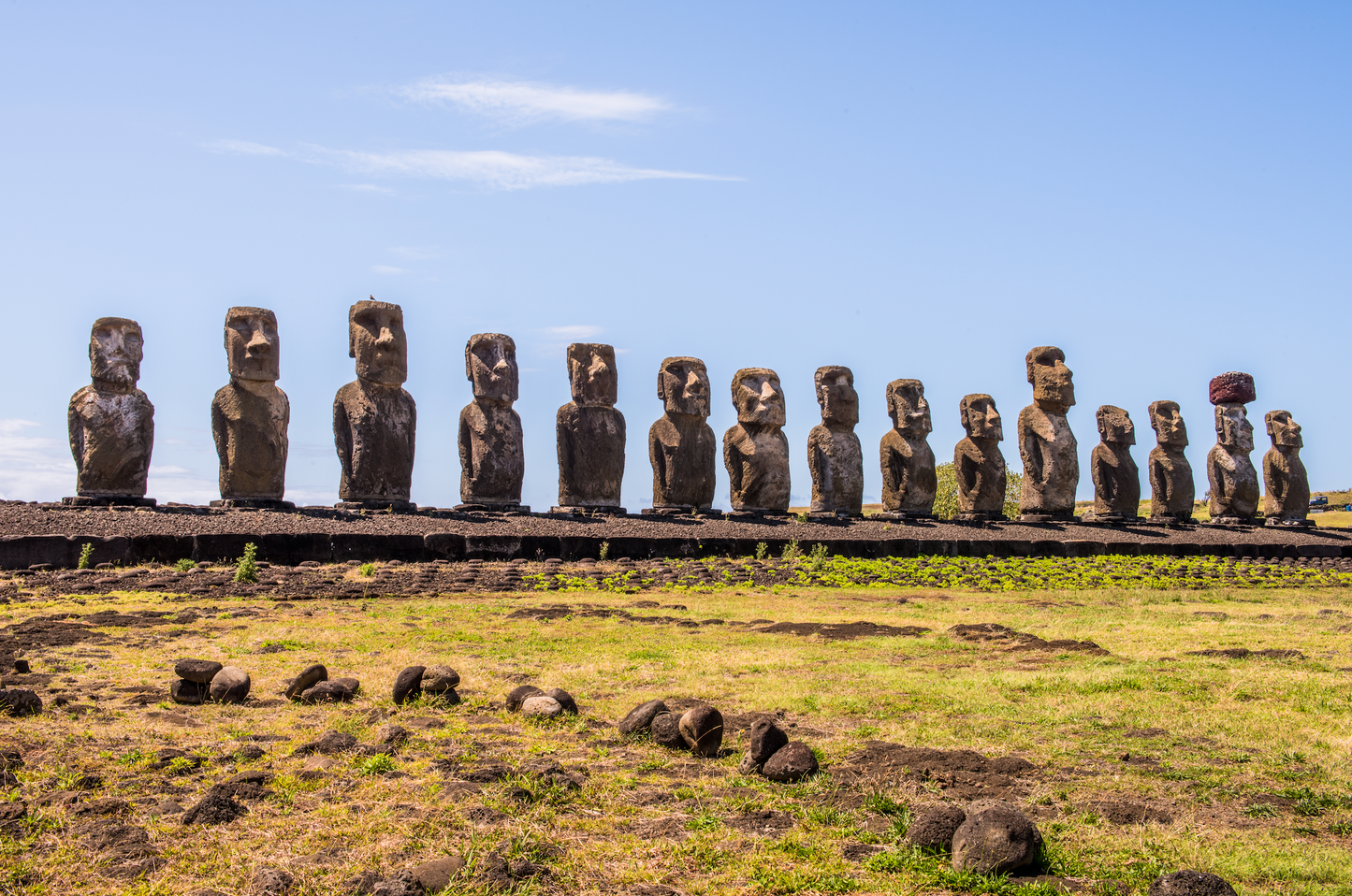
Moai or moʻai are monolithic human figures carved by the Rapa Nui people on Rapa Nui in eastern Polynesia between the years 1250 and 1500.
What is an Ahu?
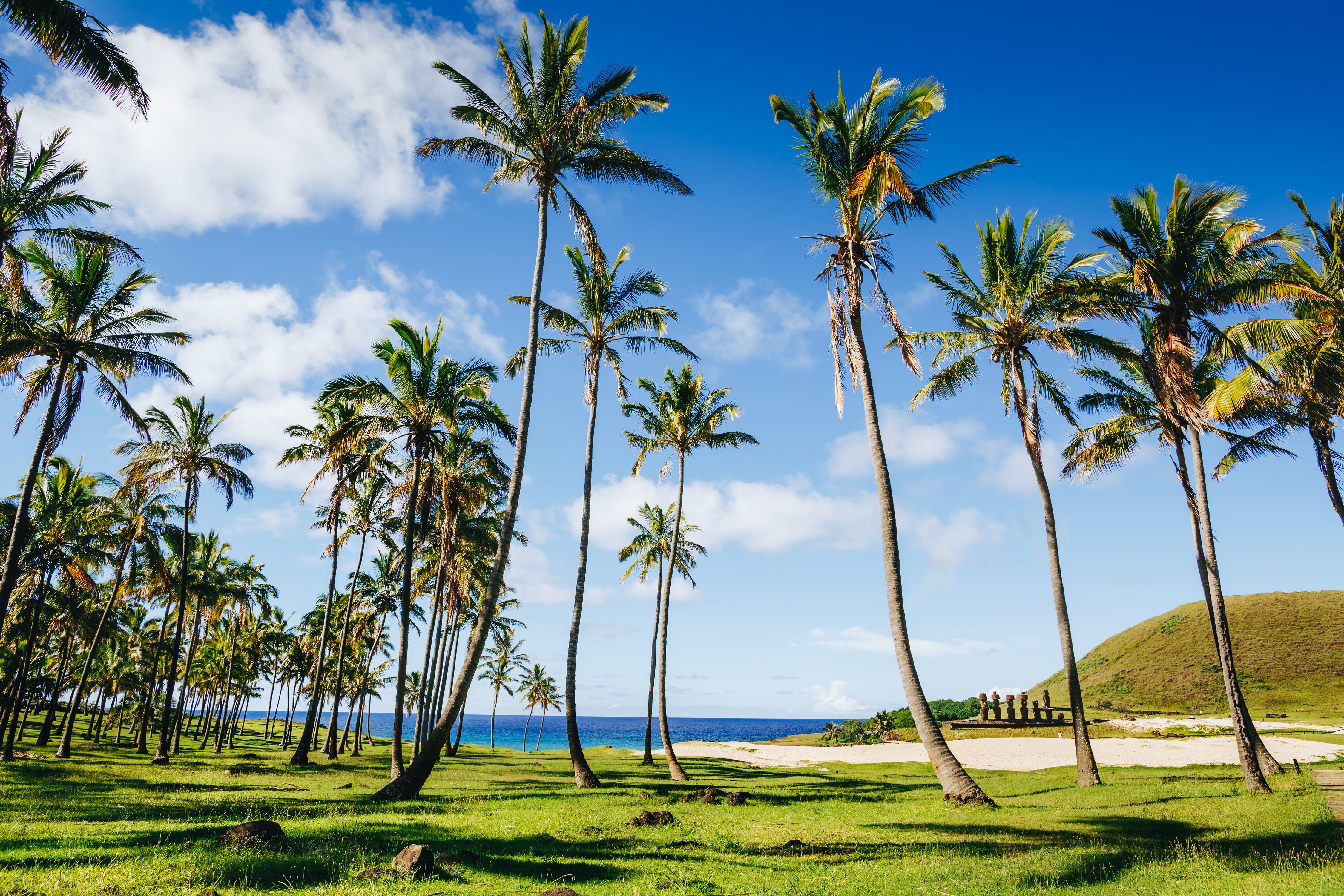
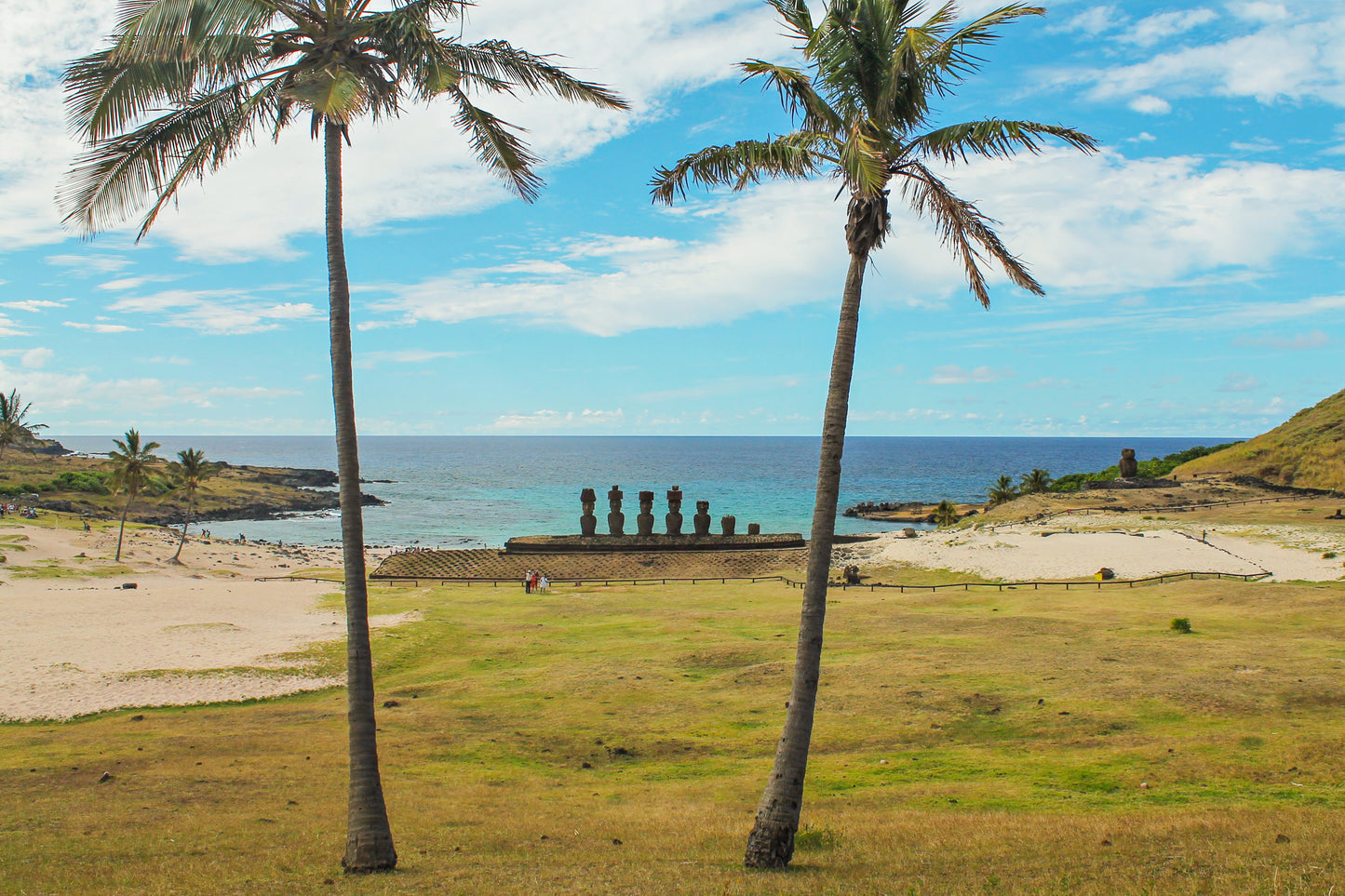
A raised platform made of fitted stones and rubble, a ramp that is often paved with beach cobbles where the Moai usually are placed.
Why were the Moai statues built?
To honor different people and leaders.
What are the Rapa Nui?
Rapa Nui is the real, Polynesian name of Easter Island.
What language is spoken?
Mostly Spanish although some elders speak Rapa Nui.
Easter Island is part of which territory?
Chilean.
What is the climate?
Subtropical. High 80s in the summertime and 60s in the winter with rainfall.
What currency is used?
Chilean Pesos (CLP) is the official currency.
Is Easter Island safe?
It's hard to think of any safer place than Easter Island. Tourists that are victims to violent crimes such as robbery, rape or murder is unheard of. Unless you're looking for a fight, you can walk by yourself at night without worrying about your safety.
Can I drink the tap water?
Yes although we recommend to stick to bottled water.
Chile
When is the best time to visit Chile?
Chile can be enjoyed at any time of year. Because it’s in the Southern Hemisphere, the seasons are opposite to those in Europe and North America, with summer falling between December and February. Spring (October–November) and autumn (March–April) are often ideal thanks to milder weather and fewer crowds, while winter (June–August) brings colder temperatures.
What is the official language of Chile?
Spanish is the official language spoken throughout Chile.
What are the festivals, cultural and sport events in Chile?
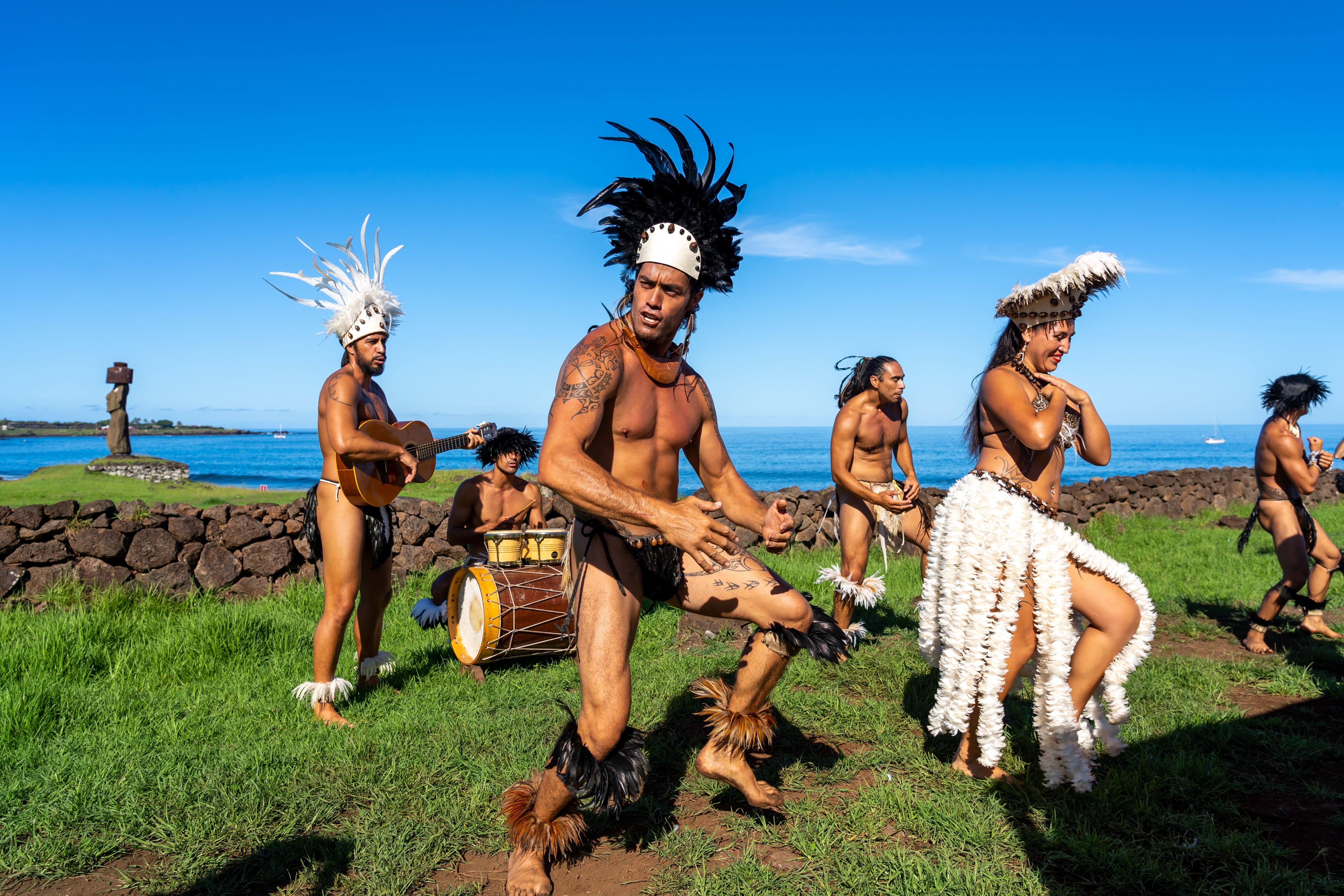
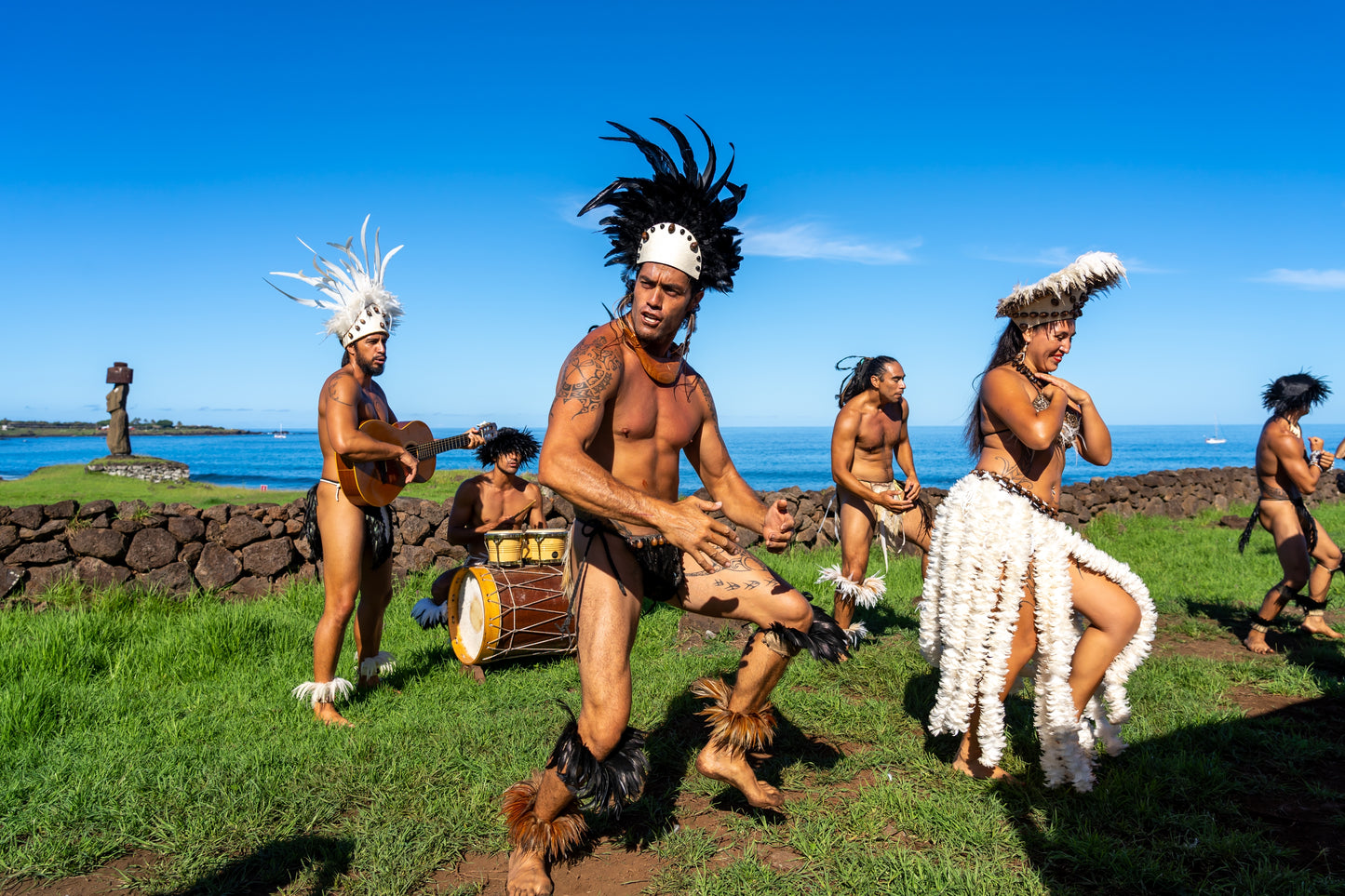
The Tapati Festival on Easter Island takes place the first two weeks of February and features traditional music, dance, and sporting competitions.
What do I need to know about altitude in Chile?
Most trips to Patagonia don’t involve altitude concerns. However, northern regions such as Lauca National Park and parts of the Atacama Desert reach elevations above 3,000 meters. At these heights, altitude sickness can occur, so it’s important to take it slow, stay well hydrated, and avoid alcohol and caffeine while adjusting.
Do I need a converter or adapter for the electricity?
Chile uses 220V electricity at 50Hz. If your devices run on 110V, you’ll need a voltage converter or adapter.
How safe is Chile?
Chile is generally considered safe, with relatively low levels of crime affecting tourists. However, it’s still important to take standard precautions, just as you would in any major destination. Checking official travel advisories before your trip is recommended. Check Travel Insurance here
Is the water safe to drink?
Tap water is usually safe to drink in most areas of Chile. If you’re unsure, check with locals or hotel staff. Bottled water is also widely available.
Can I use US dollars or do I need local currency? What is the local currency, exchange rate, etc.?
Chile’s official currency is the Chilean peso (CLP). US dollars are not commonly accepted outside certain hotels or tour operators, so it’s best to use pesos. ATMs are widely available in cities, and you can check current exchange rates online before your trip.
Do I need a visa or passport?
You’ll need a passport that remains valid for at least six months beyond your departure date. Many travelers from countries like the US, Canada, Australia, and much of Europe don’t need a visa for short stays. Reciprocity fees that once applied to some visitors have largely been removed, but it’s wise to confirm current requirements before traveling. Check Visa requirements here: Click Here
Should I bring cash or Traveler's checks? Can I use credit cards?
Most visitors bring a small amount of cash and withdraw more from ATMs as needed. ATMs are easy to find in larger towns and cities. Traveler’s checks are accepted but can be inconvenient and may come with extra fees. Credit cards are accepted in bigger establishments, though smaller businesses may prefer cash.
What time zone is Chile?
Mainland Chile operates on UTC−4 during standard time and UTC−3 during daylight saving (September–April). Easter Island is typically two hours behind Santiago, though it’s best to check current time changes before traveling.