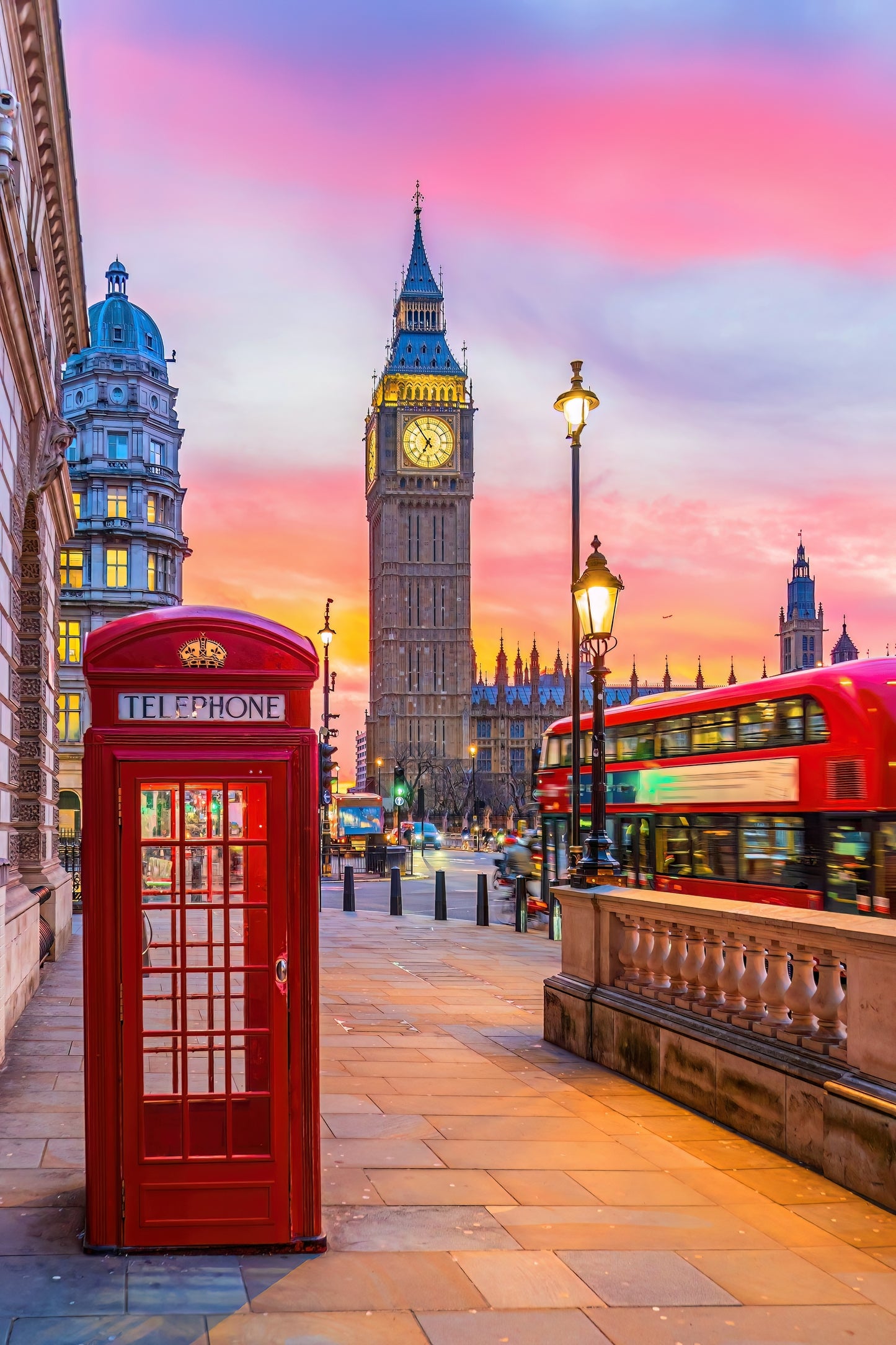
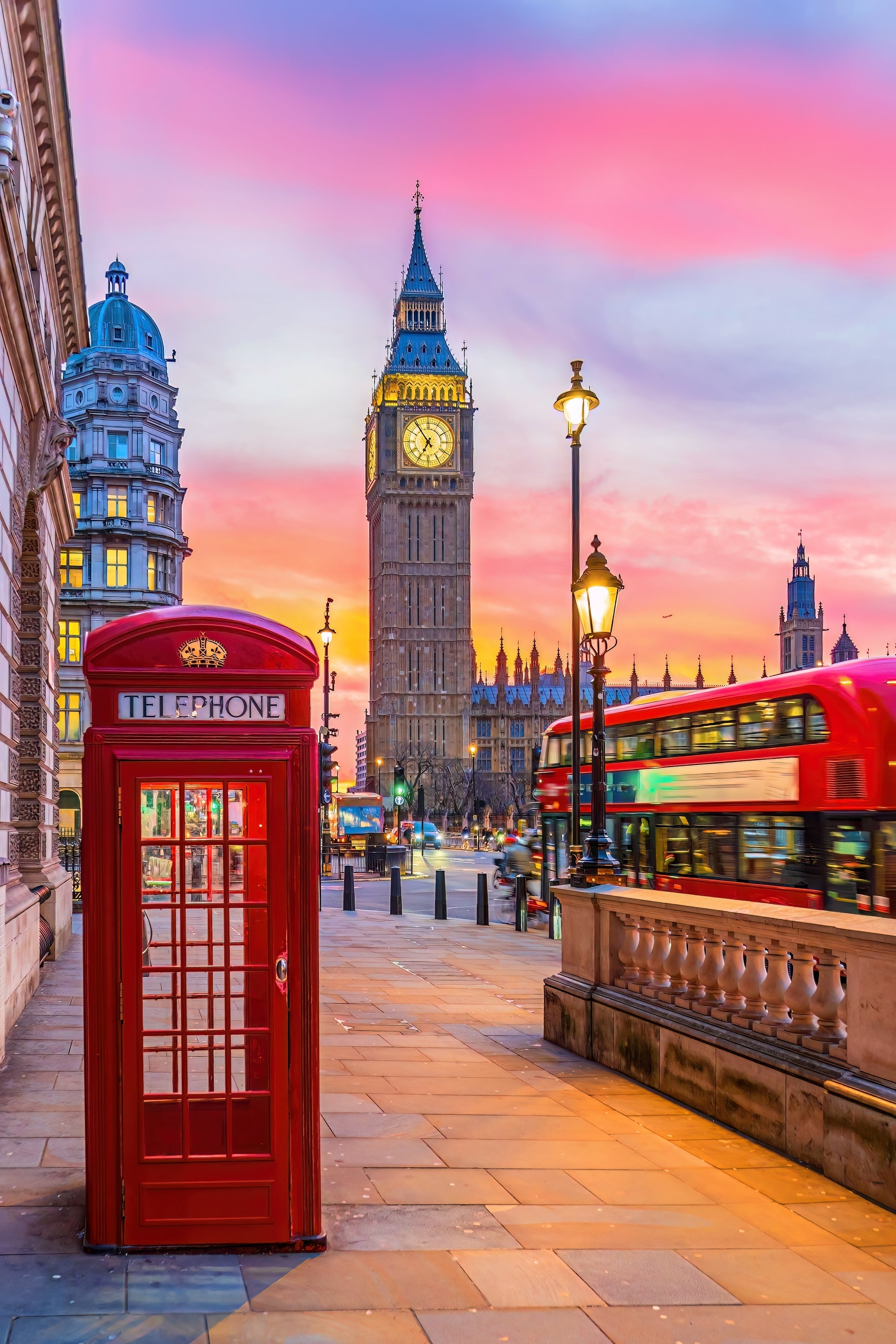
United Kingdom
When is the best time to visit England?
The best time to visit England is June to August for warm weather, long days, and ideal conditions for exploring cities and countryside. May and June offer blooming gardens with fewer crowds, while September and October provide a quieter autumn experience.
How many days should I spend in England?
About two weeks is ideal to experience England fully. With less time, around five days is enough for London and nearby areas. Longer trips can also include other parts of the UK or nearby European destinations.
What is England known for?
England is known for its rich history, castles, palaces, and royal traditions like the Changing of the Guard at Buckingham Palace. It also offers UNESCO sites, scenic countryside, and charming historic towns and villages.
What are the most popular places in England?
England offers highlights like London, Bath, Windsor, the Cotswolds, York, Canterbury, Manchester, and the Lake District—ranging from major cities to historic towns and scenic countryside.
What foods should I try in England?
England is known for classic dishes like fish and chips, a full English breakfast, beef Wellington, bangers and mash, Scotch eggs, and sticky toffee pudding, along with many other traditional favorites.
What is a traditional English tea?
England is known for traditional afternoon tea, featuring sandwiches, cakes, and baked goods served with tea. More formal experiences can be enjoyed at places like Harrods and Fortnum & Mason in London.
How can I get around England?
England is easy to explore by train, car, or taxi. In London, the Underground, buses, and river boats are common, while trains connect major cities across the country.
What voltage and plugs do they use in England?
England uses 230V power with Type G three-prong outlets and switched sockets. Most phones and laptops are compatible, but some appliances may require a voltage converter or adapter.
Is England a good place for families?
England is great for families, with attractions in London like the London Eye and Tower of London, plus outdoor activities, historic sites such as Stonehenge, and family-friendly experiences like Harry Potter locations.
Is England suitable for senior travelers?
England is well-suited for seniors, offering guided tours, accessible historic sites, and relaxed travel options. Scenic countryside, quiet villages, and cultural experiences make it easy to explore at a comfortable pace.
Is England suitable for couples or honeymooners?
England is a great romantic destination, offering charming villages, scenic countryside, fine dining, and historic cities. Couples can explore the Cotswolds or Lake District, take countryside train rides, or enjoy boat trips along the Thames.
Is England safe for travel?
England is generally a safe destination with reliable transportation, well-located accommodations, and helpful locals. While minor crimes can occur in larger cities, tourists are rarely affected if they take standard precautions. Travel Insurance is recommended, check here.
What vaccinations do I need to travel to England?
Vaccinations are not required for entry, but it’s recommended to review guidelines from the CDC for the United Kingdom. Consult your doctor or a travel health professional before your trip for personalized advice.
What currency is used in England?
The currency is the British pound (GBP £), available in both coins and paper notes. ATMs are widely available, and credit cards are commonly accepted in most places, including restaurants, shops, and hotels.
Should I tip in England?
Tipping is not mandatory but is appreciated. A 10% tip is typical in restaurants and bars, though not always expected. Offering a small tip to service staff such as porters is a courteous gesture.
What are the Visa Requirements?
Visitors to England generally require a valid passport, and many nationalities now need a £10–£20 Electronic Travel Authorisation (ETA) for stays under 6 months. A Standard Visitor visa (approx. £135) is required if you are not from a visa-exempt country. Check requirements here.
Paris
Is the water safe to drink?
Tap water in France is safe and widely drinkable. Some travelers prefer bottled water, which is readily available. Restaurants often offer still (sans gaz) or sparkling (avec gaz) options, and tap water is frequently served upon request.
What to do if you are in need of a restroom?
If necessary, cafés and brasseries are the most accessible option, though it is polite to make a small purchase. Public restrooms are available in metro stations and public spaces, but cleanliness varies. Some older facilities may be basic, and coin payment is sometimes required.
Is France safe?
France is generally safe for visitors, though petty theft and pickpocketing are common in busy tourist areas. Travelers should be cautious in crowded spaces, on public transport, and near major landmarks. It is best to carry only essential items and use hotel safes for valuables. Awareness and basic precautions significantly reduce risk. Travel Insurance is recommended, check here.
What is the weather like?
France has a mild, temperate climate, with variations depending on region. Spring and autumn are often considered ideal for travel due to comfortable temperatures and fewer crowds. Summers are warm and lively, while winters are cooler, especially in the north and mountainous areas. Some regions, like Provence, are warmer but can experience strong seasonal winds.
What is the internet like/cell phone use?
Internet access is widely available in cities through hotels, cafés, and public areas. Rural coverage may be less consistent. Mobile networks generally work well in populated areas, and most accommodations provide Wi-Fi for guests.
What charging plug is needed in France?
France uses 220V electricity with standard European two-pin round plug sockets. Travelers will need an adapter, and devices not designed for 220V may also require a voltage converter.
What is the currency?
The official currency is the Euro. ATMs are widely available across cities, airports, and towns, making it easy to withdraw cash. While cards are commonly accepted, having some cash on hand is still useful for smaller businesses.
Is tipping customary?
Service is usually included in restaurant bills, but small tips are appreciated for good service. Rounding up or leaving a few euros is common. Tipping for taxis, hotel staff, and tour guides is also customary but generally modest compared to other countries.
What is the Cuisine and Dining Culture of France?
French dining follows structured meal times, with lunch typically midday and dinner in the evening. Cafés, brasseries, and wine bars offer more casual options, while restaurants often focus on seasonal and local ingredients. Dining is seen as a social experience, and meals are often enjoyed at a relaxed pace.
What are the seasons like?
France experiences distinct seasons, with summer being the busiest travel period due to festivals and warm weather. Spring and fall are popular for sightseeing thanks to mild conditions and fewer crowds. Winter brings festive markets and skiing opportunities in alpine regions, making it attractive year-round depending on interests.
What are the Visa requirements?
France visa application requirements include a valid passport (issued within 10 years, valid 3+ months past return), completed application form, two ICAO-standard photos, and supporting documents based on trip purpose. You can check visa requirements here.
Amsterdam
Do I need to speak Dutch to get around?
It’s always great to learn a few basic Dutch phrases, but most locals in Amsterdam speak English fluently, so getting around without Dutch won’t be an issue.
Should I purchase travel insurance?
Travel Insurance is not required but it is recommended. You can purchase travel insurance here
What is common to eat in Amsterdam?
Traditional Dutch foods include stroopwafels, herring, bitterballen, poffertjes, and Dutch cheeses like Gouda and Edam.
What language is spoken in Amsterdam?
Dutch is the official language, but English is widely spoken.
Do I need a rental car?
No, you don’t need a rental car. Amsterdam has excellent public transportation, including trams, buses, and trains. It’s also very bike-friendly, with bike rentals widely available.
Is tipping expected in Amsterdam?
Service charges are typically included in the bill, but rounding up the bill or leaving a small tip (5-10%) for good service is appreciated.
What is the currency in Amsterdam?
Can I drink tap water in Amsterdam?
Can I drink tap water in Amsterdam?
Yes, tap water in Amsterdam is safe to drink and of excellent quality.
What is the dress code in Amsterdam?
Casual attire is fine for most activities, but if you plan to visit upscale restaurants or venues, smart-casual clothing is recommended.
Is Amsterdam safe for tourists?
Yes, Amsterdam is generally safe. However, be cautious of pickpockets in crowded areas and follow traffic rules, especially when cycling.
Can I use my credit cards in Amsterdam?
Yes, credit cards are widely accepted in Amsterdam. However, some smaller establishments may only accept local debit cards or cash, so it’s good to carry a small amount of cash.
What public transportation options are available in Amsterdam?
Amsterdam has a reliable public transportation network, including trams, buses, ferries, and metro services. You can purchase single-use tickets or a multi-day travel pass.
Is Amsterdam a good destination for families?
Absolutely! Family-friendly attractions include the Artis Zoo, NEMO Science Museum, and canal cruises.
What is the local etiquette when dining out?
It’s polite to greet restaurant staff with "hallo" (hello) or "goedemiddag" (good afternoon) when entering. At the end of your meal, it’s common to ask for the bill by saying "de rekening, alstublieft."
Is Wi-Fi available in Amsterdam?
Yes, free Wi-Fi is widely available in cafes, restaurants, and public spaces. The city also offers free Wi-Fi at some hotspots.
Do I need a Visa to visit Amsterdam?
If you’re from a Schengen Agreement country, no visa is needed for stays under 90 days. For others, check your country’s visa requirements here
Italy
Do I need a converter to charge devices such as cell phones, laptops, and other electrical appliances?
Yes, you’ll need a plug adapter—and possibly a voltage converter—to use your devices in Italy. It’s best to buy the correct adapter before you travel, as they can be harder to find and more expensive once you arrive.
I’ve heard that you’re not supposed to tip in Italy—is that true?
Tipping isn’t expected in Italy, so you won’t offend anyone by skipping it. That said, leaving a small tip for excellent service is appreciated. If you do tip, give it directly to the person who served you. You may also notice a small cover charge on your bill called “coperto,” usually around €1.50–€2.00 per person, which is standard and covers service items like bread.
Can I use my ATM and credit cards in Italy?
Yes, cards are widely accepted, but you should notify your bank before traveling to avoid any issues with security blocks. It’s also common for cashiers to ask for ID when you pay by card, so keep your passport or driver’s license handy.
What should I bring that’s essential?
Bring any prescription medications you need, along with adapters for your electronics. Note that Italy uses a different voltage system than North America, so check if your devices are compatible. Skip packing extra food—you’ll have plenty of great dining options once you arrive.
What if I need over-the-counter medication in Italy?
Pharmacies (“farmacias”) are easy to find throughout Italy and often have convenient hours, with some open 24/7. They can provide over-the-counter medicine, and you can also fill prescriptions there if needed. Travel Insurance is also recommended, you can find that here.
Are Dietary restrictions accommodated: vegetarian, gluten-free, and vegan?
Italy is very accommodating to dietary needs. Vegetarian, vegan, and gluten-free options are widely available, especially in cities and tourist areas. Just let your server know about any preferences or allergies.
Do hotels offer dry cleaning and laundry services?
Many hotels offer laundry or dry-cleaning services, usually for an additional fee.
Is Italy child-friendly?
Yes, Italy is very welcoming to families. Restaurants are typically accommodating to children, even if there isn’t a specific kids’ menu. You can often request smaller or simpler dishes. Baby supplies are easy to find, though changing facilities may not always be available.
Do you need to speak Italian to travel in Italy?
No, but learning a few basic phrases like “buongiorno” (hello) and “grazie” (thank you) is appreciated and can enhance your experience.
Should you carry cash in Italy?
Yes. While cards are commonly accepted, cash is still useful—especially in smaller towns, cafés, and markets. It’s usually best to withdraw euros from an ATM after you arrive.
What should you know about dining in Italy?
Meals in Italy are meant to be relaxed and enjoyed at a slower pace. You’ll usually need to ask for the check (“il conto”) when you’re ready. Expect small extras like the coperto, and take your time—dining is an important part of the culture.
What are Visa Requirements?
U.S. citizens do not need a visa for tourist or business stays in Italy up to 90 days within a 180-day period, but must have a passport valid for at least 3 months beyond their departure date. Starting in 2026, Americans must apply for a €7–€8 ETIAS travel authorization online before traveling. Check VISA Requirements here.
Spain
When is the best time to visit Spain?
The best times to visit Spain are typically March to May and September to November. During these months, the weather is warm, prices are more reasonable, and there are fewer crowds compared to the busy summer season. These periods are great for sightseeing, coastal drives, and wine experiences. Summer (June–August) brings clear skies and lively energy, but also higher temperatures and larger crowds, especially in major cities and along the Mediterranean coast.
How many days should I spend in Spain?
A trip of 8–14 days is ideal for exploring Spain’s main highlights. This allows enough time to visit cities like Barcelona, Madrid, and Seville, relax along the coast, and explore regions such as Andalusia or the Basque Country. Longer trips of more than two weeks can include lesser-known destinations or even nearby countries like Portugal or France.
Should I visit northern or southern Spain?
It depends on your travel preferences: Southern Spain: Known for Moorish heritage, historic cities, and traditional culture. You can explore Seville, visit Córdoba, and see landmarks like the Puente Nuevo in Ronda. Northern Spain: Offers lush landscapes, coastal views, and culinary experiences. Highlights include Barcelona, San Sebastián, and the Rioja wine region. Both regions provide distinct experiences, so your itinerary can be tailored based on your interests.
How do I travel around Spain?
Spain has a wide range of transportation options. By plane: Domestic flights connect major cities quickly. By train: High-speed and regional trains are efficient and scenic. By car: Ideal for exploring rural areas and smaller towns. By bus: Comfortable and affordable for short and long distances. By boat: Useful for traveling between coastal areas or islands.
What food should I try in Spain?
Spanish cuisine blends Mediterranean and Moorish influences, with a strong emphasis on shared dining. Popular dishes include: Paella: A rice dish often made with seafood. Gazpacho: A cold tomato-based soup. Jamón: Dry-cured ham. Patatas bravas: Fried potatoes with spicy sauce. Spanish tortilla: A potato-based omelet. Sangria: A fruit-infused wine drink. Chorizo: A seasoned cured sausage. Manchego cheese: A sheep’s milk cheese. Gambas al ajillo: Garlic shrimp. Pimientos de Padrón: Small green peppers.
Is Spain a good destination for wine?
Yes, Spain is an excellent destination for wine tourism. Regions like La Rioja, Ribera del Duero, Catalonia, and Andalusia produce a wide variety of wines, from bold reds like Tempranillo to refreshing whites such as those made from Macabeo grapes. Wine tours often include tastings, vineyard visits, and regional food pairings.
Do shops close during siesta in Spain?
In many traditional cities such as Seville and Granada, shops may close for a few hours in the early afternoon, typically between 1 pm and 4 pm. However, in larger cities like Barcelona and Madrid, many businesses remain open throughout the day.
Is Spain safe to visit?
Spain is considered a very safe destination with low crime rates. Travelers should still take basic precautions, especially in crowded areas where pickpocketing can occur. Keeping valuables secure and staying aware of your surroundings is recommended. Travel Insurance is recommended, check here.
What language do they speak in Spain?
Spanish (Castilian) is the official language. Other regional languages include Catalan, Basque, Galician, and Aranese. English is widely spoken in major cities and tourist areas, though learning a few basic Spanish phrases can be helpful.
What currency does Spain use?
Spain uses the Euro (€). Credit cards are widely accepted, but carrying some cash is advisable, particularly in smaller towns or markets.
What are the Visa Requirements?
Check visa requirements here
Netherlands
What's the best time to visit the Netherlands?
The best times to visit are spring (mid-March to June) and early autumn (September to October). In spring, the famous tulip fields are in full bloom, while autumn brings pleasant weather and fewer crowds. Summer (July–August) is also lovely for long days and outdoor cafés, but expect higher prices and more tourists.
Do I need a Visa to visit the U.S.?
If you’re from the EU, US, UK, Canada, Australia, or Japan, you don’t need a visa for stays up to 90 days. Starting from late 2026, though, visa-exempt travelers will need ETIAS authorization before entering Schengen countries, including the Netherlands. For more deets, visit the European Union’s official page. Check requirements here.
When is the best time to see the tulips?
Tulip season runs from mid-March to mid-May, with the best blooms usually around mid-April. Keukenhof and the Bollenstreek flower region are the most popular spots to see them, but Flevoland and the Noordoostpolder also have loads of pretty fields.
Is the tap water safe?
Tap water is often available in restaurants, but you usually need to request it specifically. Otherwise, bottled water may be served and charged. Refills aren’t always automatic, and policies vary by location. Travel insurance is recommended.
Is tipping required?
A lot of waiters LOVE foreigners as they don’t know whether to tip or not. It’s typically that when you pay for most things, you don’t need to tip and it’s not horrible behavior if you don’t do so. That said, it’s nice to tip 10% (which is fairly standard) if you feel the service is really good. Luckily, staff here receive a good base wage. You usually tip for food. It’s not necessary for drinks.
What are the must try foods?
Stroopwafels: Thin, crispy waffles with a gooey caramel center, Bitterballen: Deep-fried, crispy meatballs (best enjoyed with a beer!), Haring: Raw herring served with onions, Poffertjes: Mini fluffy pancakes, usually dusted with powdered sugar.
What Language do they speak in the Netherlands?
The official language is Dutch, but don’t worry English is widely spoken, especially in cities. English might be a bit less common in smaller towns or rural areas, so picking up a few easy Dutch phrases or using a translation app can be handy.
What currency is used?
The Netherlands uses the euro (€) just like many other countries in the EU. Both coins and banknotes are available, but most places accept debit and credit cards.
How can I stay connected in the Netherlands?
Get an eSIM before you arrive, it’s quick, easy, and more affordable than buying a physical SIM at the airport. Prefer a physical SIM? Skip the airport and grab one in town, as it tends to be cheaper.
Can I use my Credit Card in The Netherlands?
Of course! Visa and Mastercard are widely accepted throughout the Netherlands. But some small shops, eateries, and supermarkets like Albert Heijn might only accept debit cards or cash. Carry a few Euros on you just in case. And if you want to avoid hidden bank fees while spending abroad, I recommend getting a Wise card, which lets you pay in local currency at the real exchange rate.
Do I need an adapter for my electronics?
Probably! The Netherlands uses Type C, E, and F plugs (those two round pins) and runs on 230V with a frequency of 50Hz. If you’re coming from the US, the UK, or any country with a different plug type, don’t forget to bring a travel plug. You might also need a voltage converter—double-check your devices to ensure they’re good to go!
What's the drinking age in the Netherlands?
The legal drinking age is 18, but some bars and clubs may have a higher age limit of 21.