
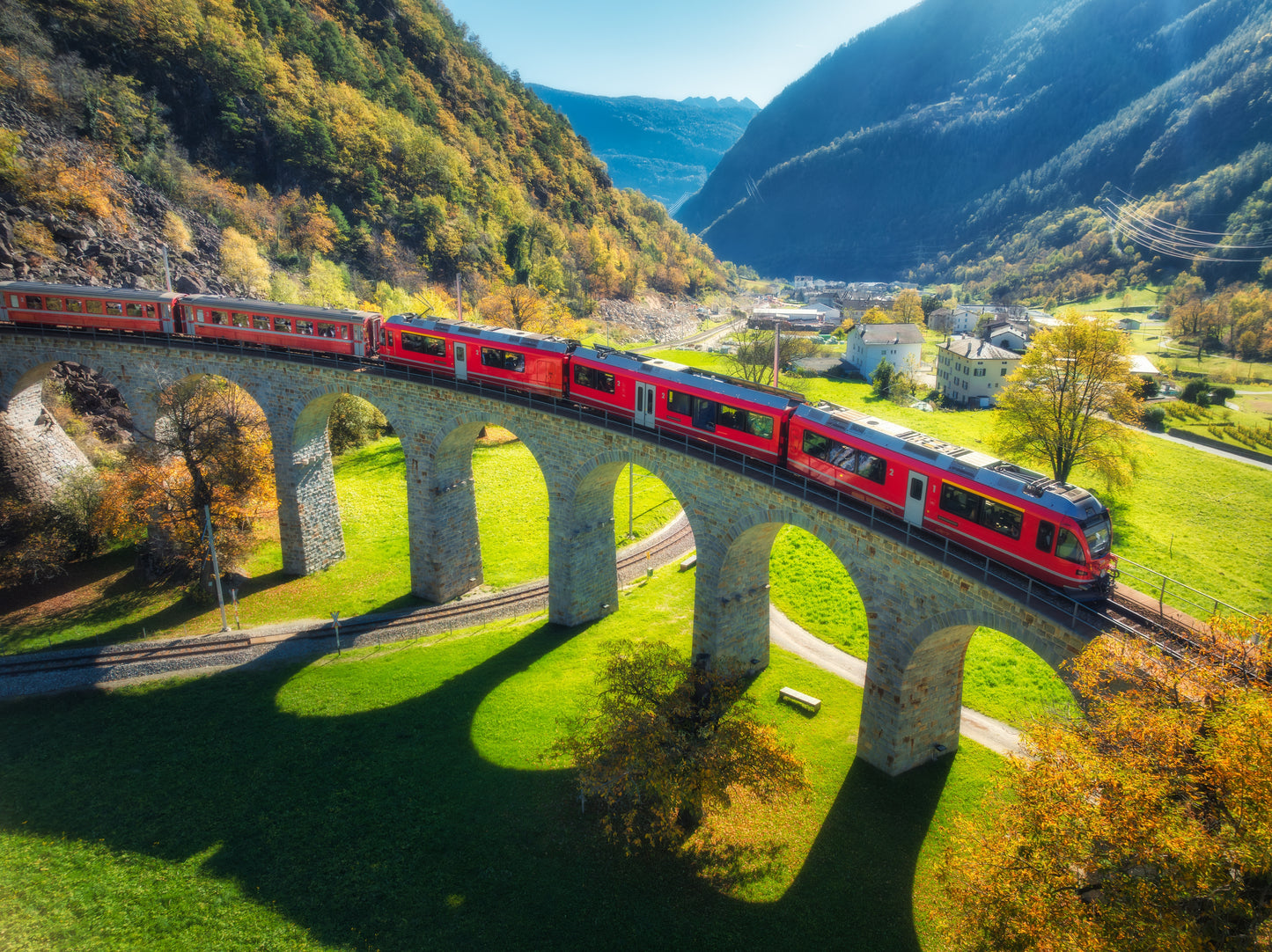
Greece
What current does Greece use and what equipment will I need?
Greece uses a 220V electrical system, while the U.S. operates on 110V. Many modern devices are dual-voltage, but you will still need a plug adapter to fit European-style outlets.
Do you have an idea of temperature and does it rain during the winter?
Winter weather can vary, some days are mild and sunny, while others are cooler with rain. Average temperatures are around 55°F, but warmer days in the 70s can occur. Freezing temperatures are rare except in mountainous areas, where snow is possible. Rain is more common in winter, while summers are typically very dry.
Is the water in Greece drinkable?
In most places, tap water is safe to drink. However, if you prefer filtered or bottled water, it is widely available. On some islands, the water may have a salty taste due to mineral content, so bottled water is often preferred. In cities like Athens, the tap water is high quality.
Are there in some hotels waste-baskets because you can't flush toilet-paper down the toilet?
Yes, this is common in many places, especially on the islands. Due to older plumbing systems and narrow pipes, toilet paper is often disposed of in bins instead of being flushed. In newer or higher-end hotels, especially in Athens, flushing may be allowed.
What is the currency?
Greece uses the euro as its official currency. It’s helpful to have some cash upon arrival, though ATMs are widely available and usually offer the best exchange rates.
Are credit cards widely accepted?
Cash is still very commonly used. While many hotels and larger businesses accept credit cards, smaller shops, restaurants, and rural areas may prefer cash. It’s a good idea to carry euros for everyday purchases.
What’s the weather like in Greece?
Greece has a Mediterranean climate with long, sunny periods. Summers are hot and dry, while winters are cooler and wetter. Average summer temperatures are around 79°F but can climb much higher, especially inland.
Is Greece safe?
Greece is considered a very safe travel destination. As with anywhere, take basic precautions such as watching your belongings in crowded areas and avoiding scams, particularly near busy transport hubs. Travel Insurance is always recommended. You can check here.
What is the food like in Greece?
Greek cuisine is fresh, flavorful, and based on high-quality ingredients. Popular dishes include tzatziki, olives, feta cheese, Greek salad, moussaka, and fresh seafood. Street food like souvlaki is a must-try, and traditional drinks like ouzo are commonly enjoyed.
Is the water safe to drink?
Tap water is safe in most cities and larger towns. However, on some islands and in smaller villages, bottled water is recommended. Be mindful of plastic use and recycle when possible.
What is the tipping culture in Greece?
Tipping is appreciated but not required. A tip of around 5%–15% is typical depending on the level of service. It’s best to give tips in cash directly to staff, as they may not receive tips added to credit card payments.
I don't speak Greek. Can I get around on my own?
Yes, English is widely spoken, especially in tourist areas and among younger people. Road signs in cities are often bilingual. Learning a few basic Greek phrases is appreciated and can enhance your experience.
What time zone is Greece in?
Greece operates on Eastern European Time (UTC+2) and observes daylight saving time (UTC+3) from late March to late October.
What kind of hours are restaurants open?
Dining times are later than in many countries. Lunch typically starts around 2 p.m., and dinner often begins after 9 p.m. Meals are social and can last several hours.
What essential items should I pack for a trip to Greece?
Bring comfortable walking shoes for uneven streets and historical sites, lightweight clothing, and sun protection. If visiting islands like Santorini, consider sturdy sandals or water shoes for rocky beaches.
How can I use my phone in Greece?
You can use an international roaming plan, purchase an eSIM before arrival, or buy a local SIM card once you land. Make sure your phone is unlocked and compatible.
What are the entry requirements?
Visitors from the U.S., Canada, and Australia need a valid passport but do not require a visa for stays under 90 days. Passports should be valid for at least three months beyond your departure date. It’s wise to carry copies of important documents. You can check requirements here.
How to deal with jet lag?
Stay hydrated, avoid heavy meals and alcohol, and adjust to the local schedule as soon as possible. Exposure to natural sunlight and light activity can help reset your internal clock.
What is the weather like?
Greece generally has warm, dry weather. The best time to visit is from May through October. Summer can be extremely hot and crowded, while spring and early fall offer more comfortable conditions. Islands tend to be slightly cooler than the mainland, and evenings may require a light jacket.
Switzerland
Do I need to speak German, French or Italian to get around?
It’s always great to learn a few basic words in the local language, but many Swiss locals speak English, especially in cities and tourist areas.
Should I purchase travel insurance?
Travel Insurance is not required but it is recommended. You can purchase travel insurance here
What is common to eat in Switzerland?
Some must-try dishes include fondue, raclette, rösti, Zürcher Geschnetzeltes, Swiss chocolate, and Swiss cheese specialties.
What language is spoken in Switzerland?
Switzerland has four official languages: German, French, Italian, and Romansh. The language spoken depends on the region.
Do I need a rental car?
No, transportation will be provided to activities and the public transportation is fantastic.
Is tipping expected in Switzerland?
Service is usually included in restaurant bills, but it is common to round up or leave a small tip (5-10%) for excellent service.
What is the currency in Switzerland?
The currency in Switzerland is the Swiss Franc (CHF).
Can I drink tap water in Switzerland?
Yes, tap water in Switzerland is among the cleanest and safest in the world.
What is the dress code in Switzerland?
Casual attire is fine for most tourist activities, but people tend to dress neatly. If dining at upscale restaurants or visiting luxury venues, dressing more formally is recommended.
Is Switzerland safe for tourists?
Yes, Switzerland is one of the safest countries in the world. However, always stay aware of your belongings, especially in busy tourist areas.
Can I use my credit cards in Switzerland?
Yes, credit cards are widely accepted, but it's a good idea to carry some cash for small purchases, especially in rural areas or small shops.
What public transportation options are available in Switzerland?
Switzerland has an excellent public transportation system, including the Swiss Federal Railways (SBB), trams, buses, and boats. The Swiss Travel Pass offers unlimited travel on public transport.
Is Switzerland a good destination for families?
Absolutely! Switzerland has many family-friendly attractions, including the Swiss Transport Museum, Jungfraujoch, Mount Pilatus, and scenic train rides like the Glacier Express.
What is the local etiquette when dining out?
It’s customary to greet staff upon entering a restaurant by saying “Grüezi” (in German-speaking areas), “Bonjour” (in French-speaking areas), or “Buongiorno” (in Italian-speaking areas). Waiting for everyone to be served before eating is also polite.
Is Wi-Fi available in Switzerland?
Yes, many cafes, restaurants, and public spaces offer free Wi-Fi. Switzerland also has Wi-Fi hotspots in certain areas, including train stations and city centers.
Do I need a Visa to visit Switzerland?
If you are from a Schengen Agreement country, no visa is needed for stays under 90 days. If you're from outside the EU, check the visa requirements specific to your country. Check Here