Ireland
How do I get a visa to visit Ireland?
You can apply online for a visa through the Irish Naturalisation and Immigration Service (INIS). For short trips under 90 days, most travelers will need a Short-Stay “C” tourist visa. Visitors from the United States, Canada, and Australia do not need a visa for stays under three months but must have a valid passport. Check Visa requirements here.
Where can I eat traditional Irish food?
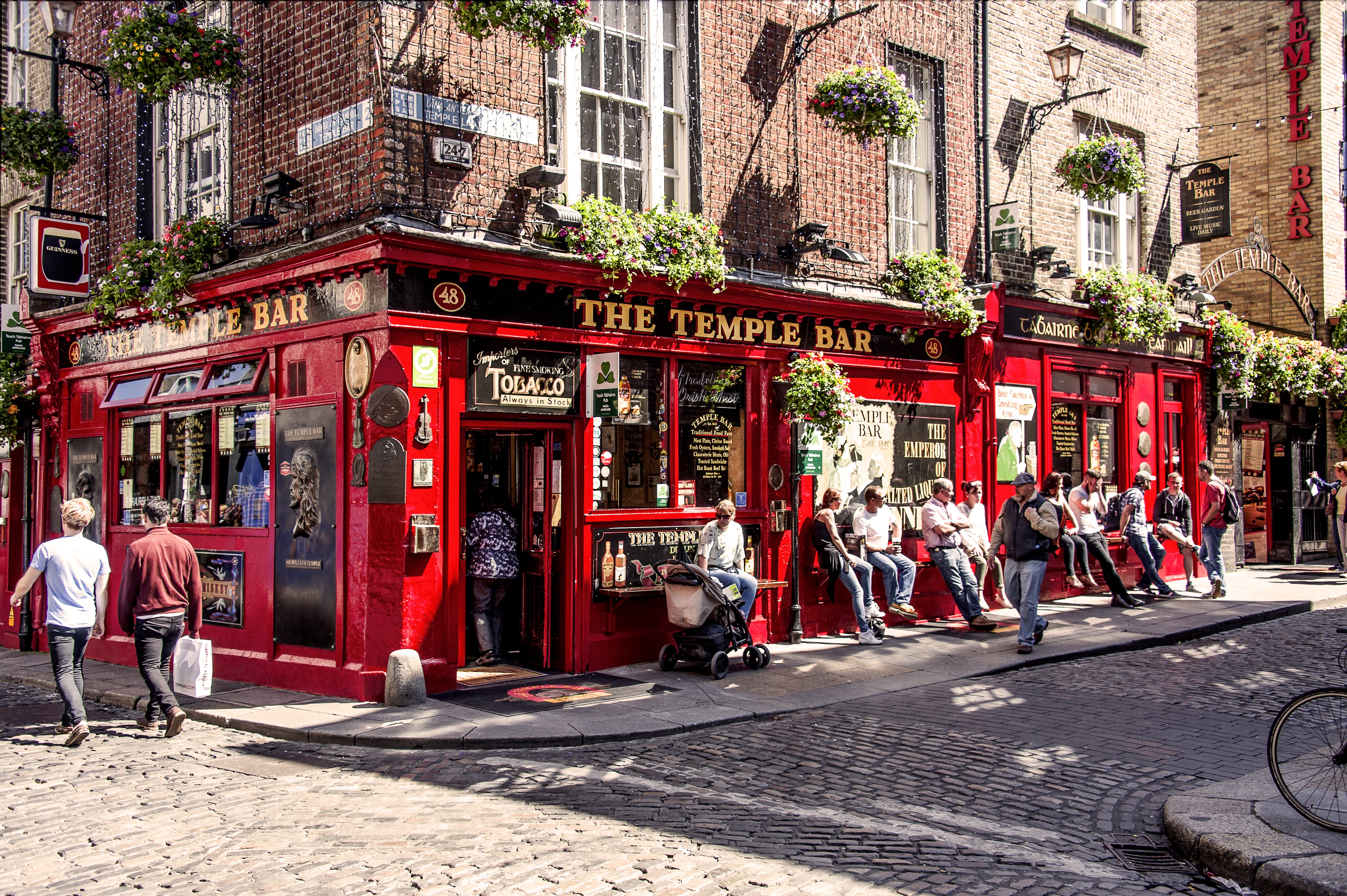
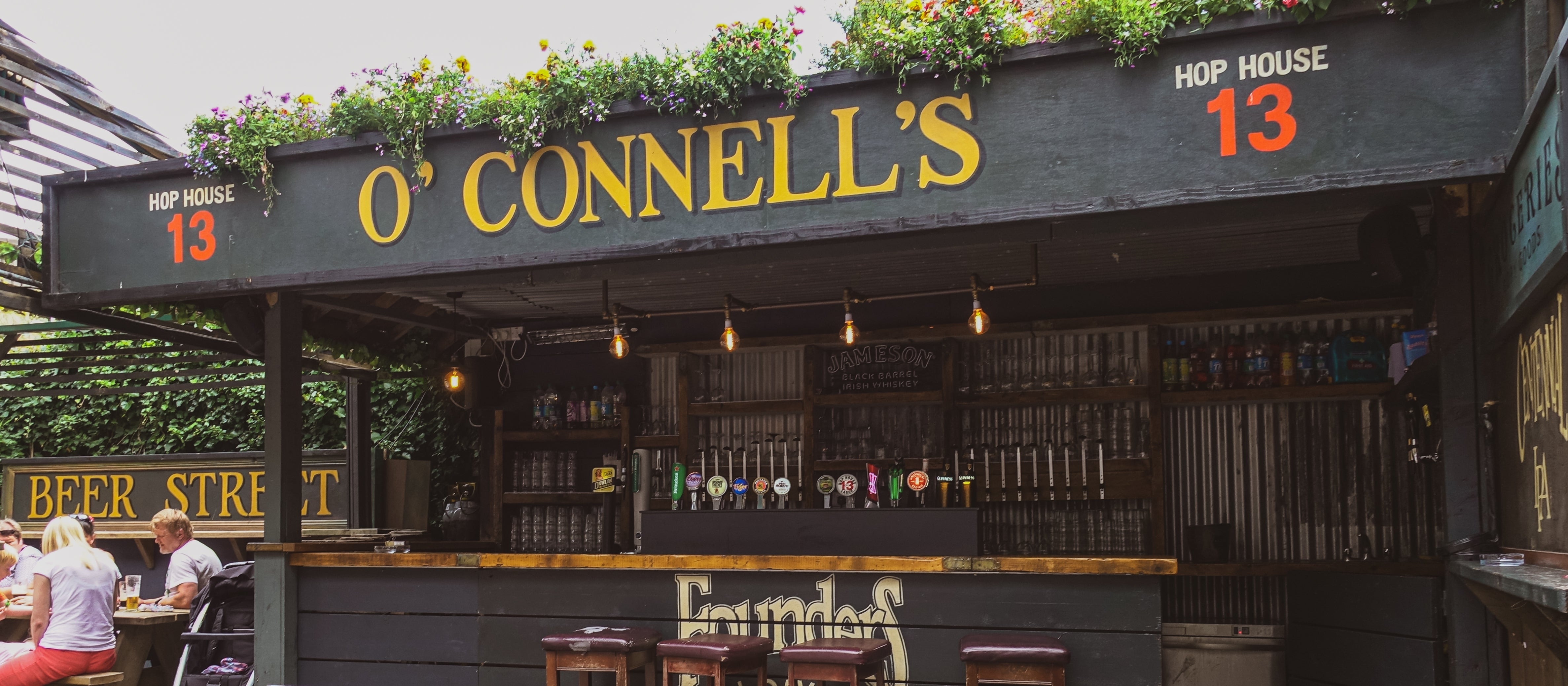
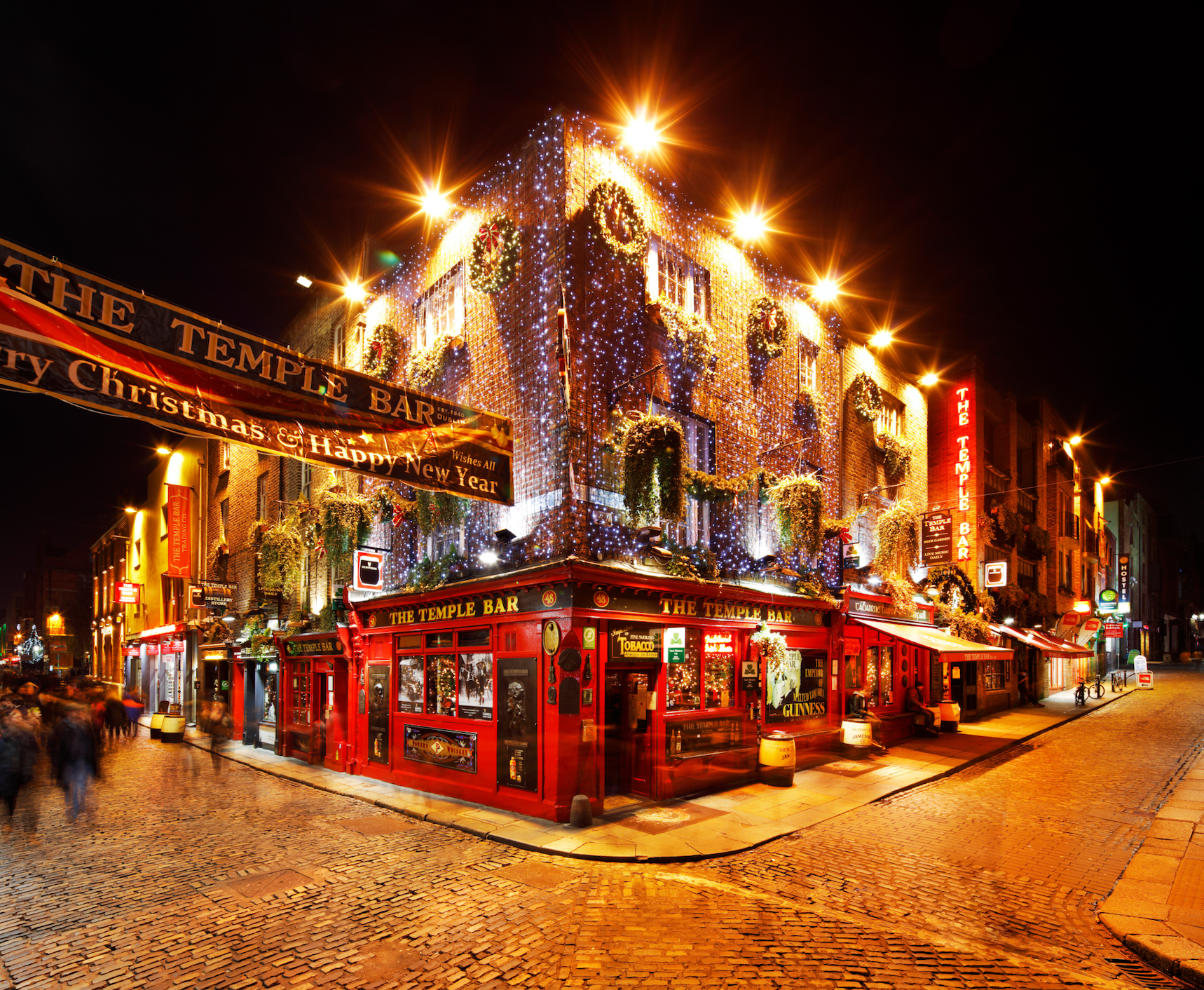
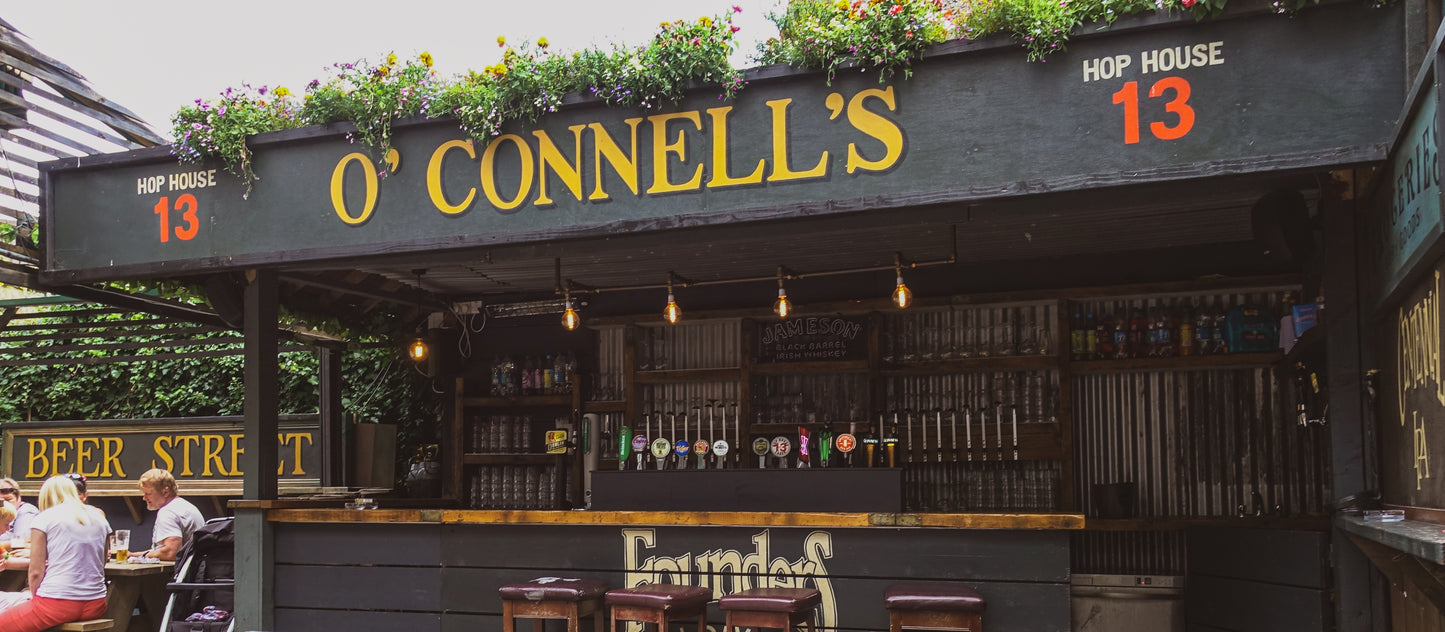
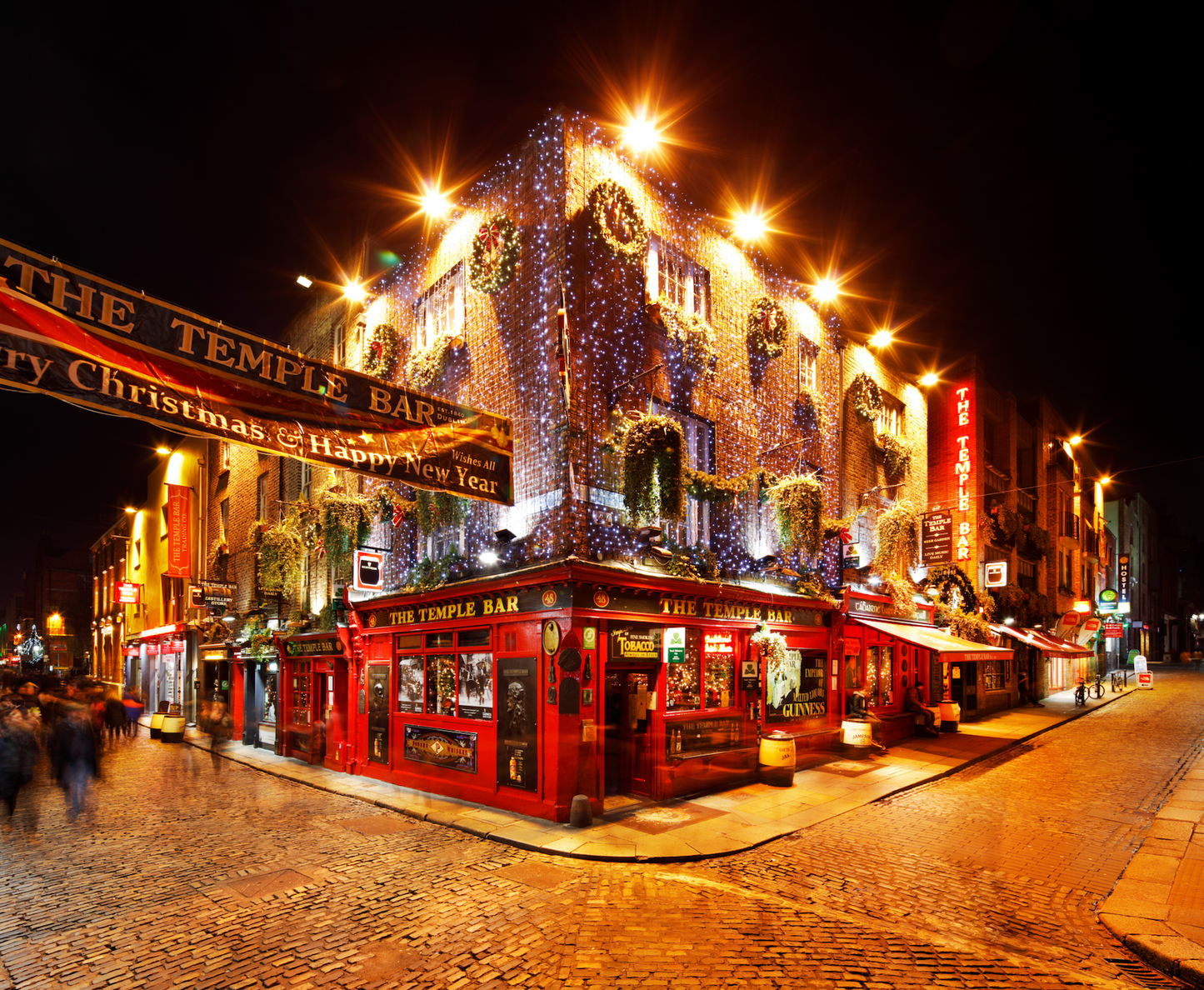
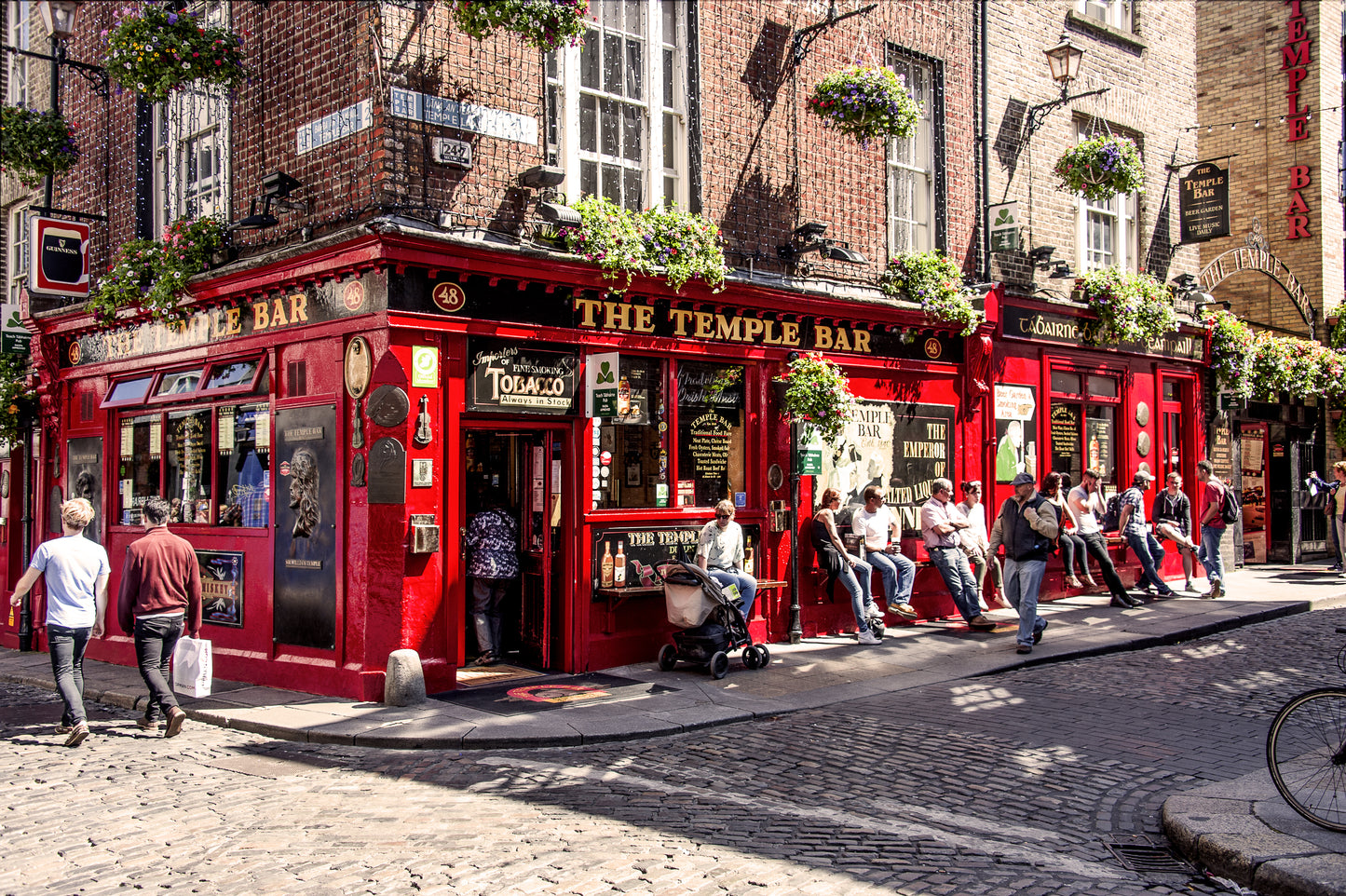
Traditional Irish cuisine can be found all across the island, from restaurants and pubs to food trucks and markets. Popular dishes to try include potato boxty, corned beef with cabbage, Irish stew, smoked fish, and the classic Ulster Fry breakfast. You can also enjoy seafood chowder along the coast, coddle in Dublin pubs, and black pudding in Cork. Fresh bread like the Waterford blaa and local oysters paired with a pint of Guinness are also must-tries.
What is the time difference in Ireland?
Ireland follows Greenwich Mean Time and is five hours ahead of Eastern Standard Time in the U.S. Daylight saving time runs from late March to late September. In summer, days are long with sunset close to midnight, while in winter it gets dark as early as 3 p.m.
How to avoid jet lag?
To reduce jet lag, stay hydrated, eat light meals, and get exposure to natural sunlight upon arrival. Try to adjust your sleep and meal schedule as quickly as possible to match local time.
What to expect for health needs and vaccination requirements?
No special vaccinations are required for entry. Ireland does not have malaria risk, though bees and wasps are common in rural and coastal areas. Food is generally mild, and vegetarian options are increasingly available, especially in larger cities. Those with seafood allergies should be cautious when dining along the coast.
Is the water safe to drink?
Tap water in Ireland is clean and safe to drink. Bottled water is also widely available if preferred.
Is Ireland safe?
Ireland is considered a very safe destination. Crime is uncommon, though travelers should still take basic precautions such as safeguarding valuables and avoiding poorly lit areas at night. Keeping copies of important documents and using hotel safes is recommended. Travel Insurance is also recommended. Purchase travel insurance here.
What's the weather like?
Ireland has a mild but highly unpredictable climate influenced by the Atlantic Ocean. Summers are cool, typically between 60° and 70°F, while winters rarely drop far below freezing. Rain is frequent, with some regions experiencing wet conditions most of the year. Long daylight hours occur in summer, while winter days are much shorter.
What to expect from cell phone usage and internet use?
Internet access is widely available in cities through hotels, cafés, and public spaces. Rural connectivity can vary. Mobile coverage is generally strong in populated areas but may be limited in remote regions.
What charging port do they use?
Ireland uses 220 volts with Type G plugs (three rectangular prongs). Travelers from the U.S. will need a plug adapter and possibly a voltage converter, depending on their devices.
What language do they speak?
Ireland has two official languages: English and Irish (Gaelic). English is spoken everywhere, while Irish is more commonly used in Gaeltacht regions such as parts of Donegal, Galway, and Kerry.
What currency do they use?
The official currency is the Euro. ATMs are widely available, and withdrawing cash upon arrival is often the easiest option. Euros are divided into 100 cents.
What is tipping like?
Tipping is appreciated but not always required. In restaurants, 10–15% is common in upscale settings, while rounding up or leaving small change is typical in casual spots. Small tips of 1–2 euros are customary for services like taxis or hotel staff.
What are some Iconic Landmarks?
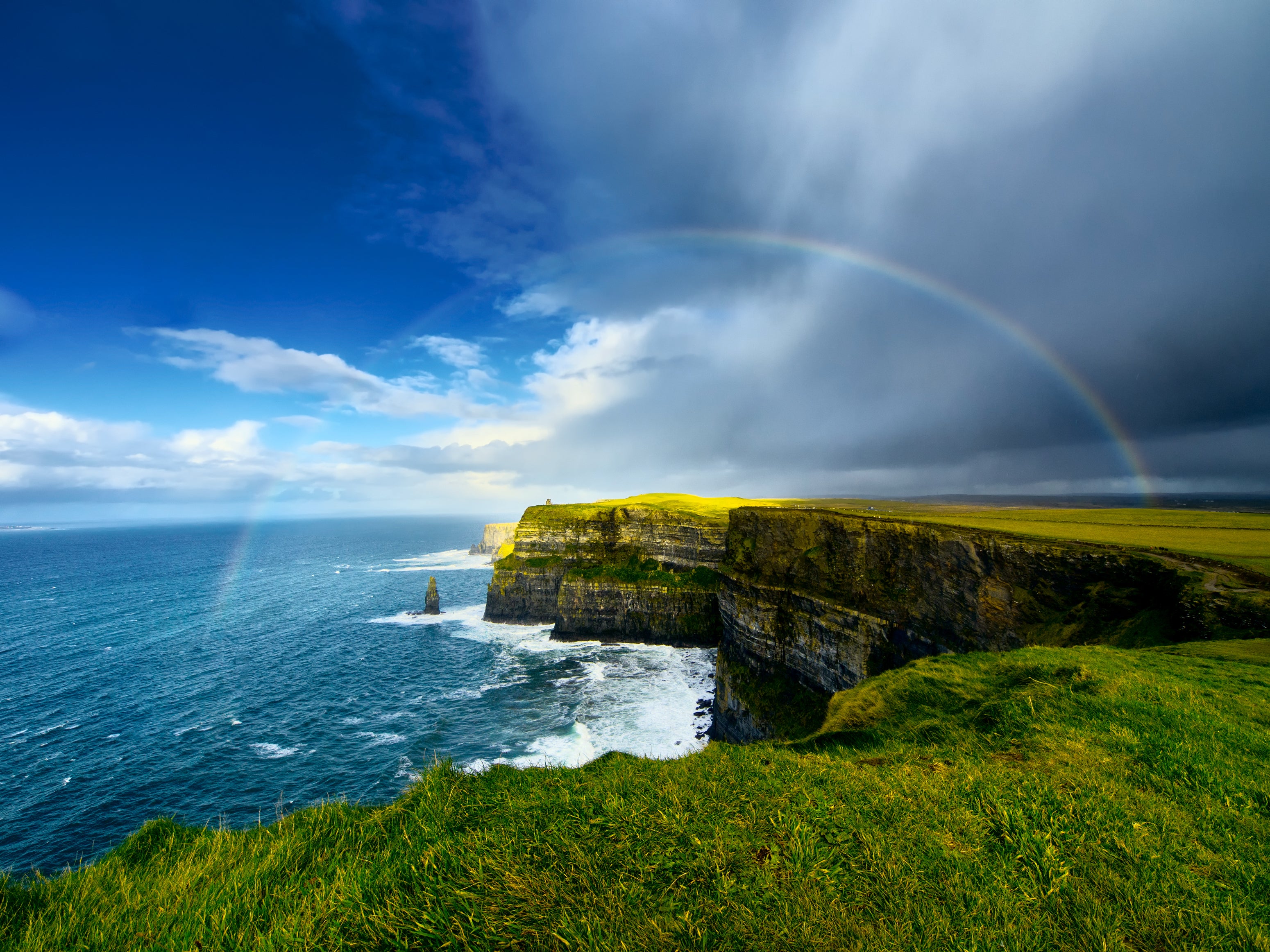
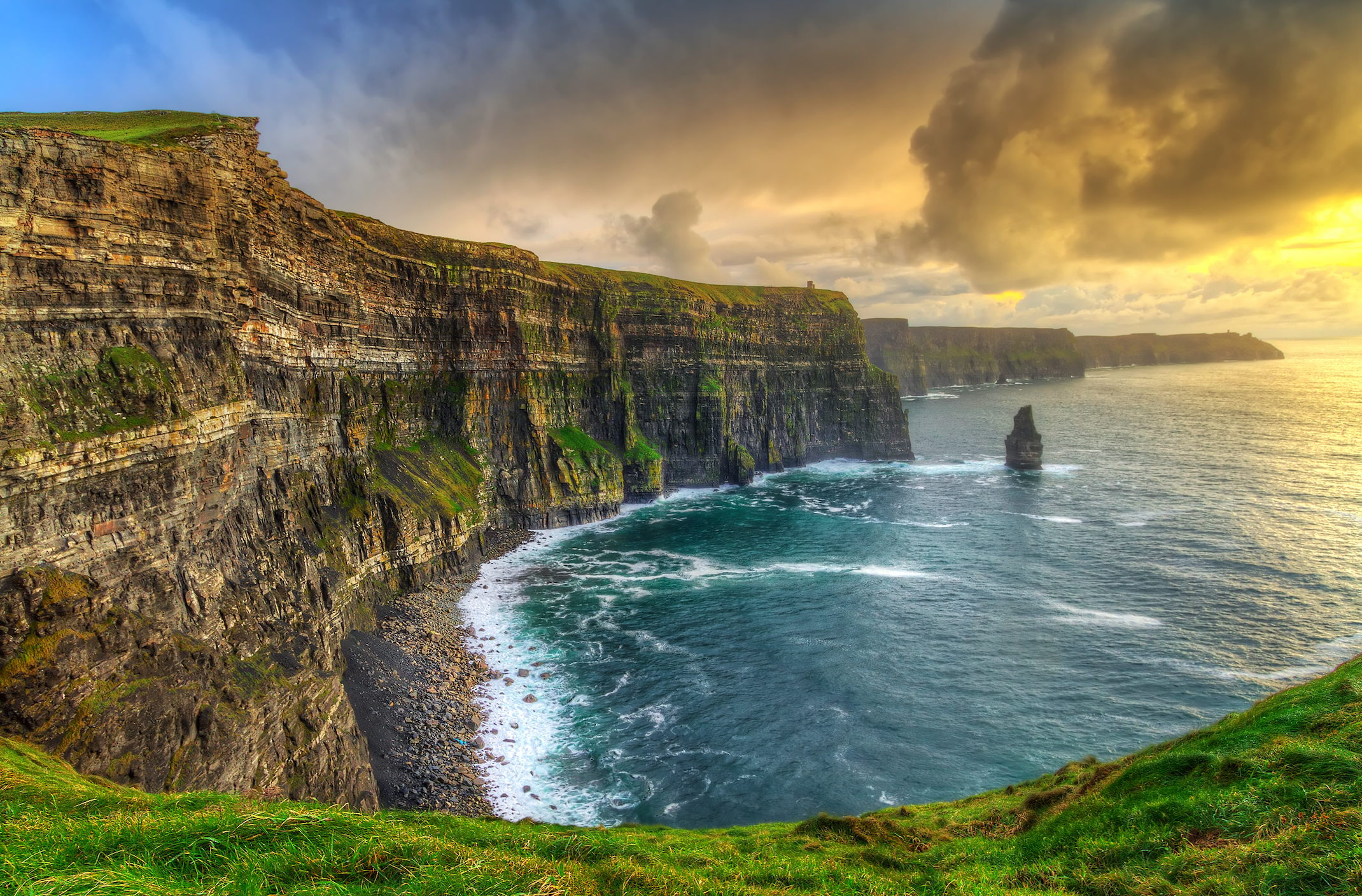
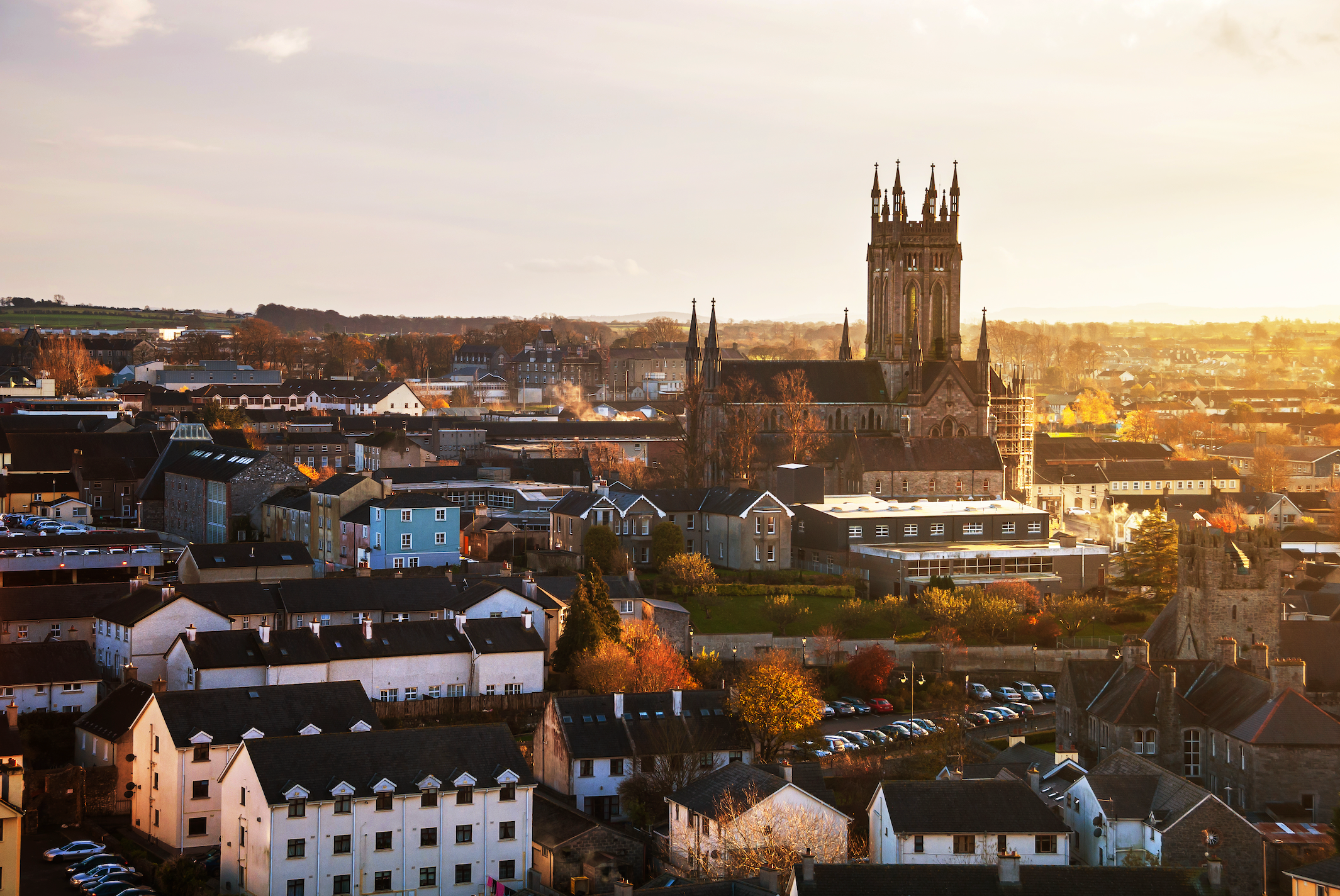
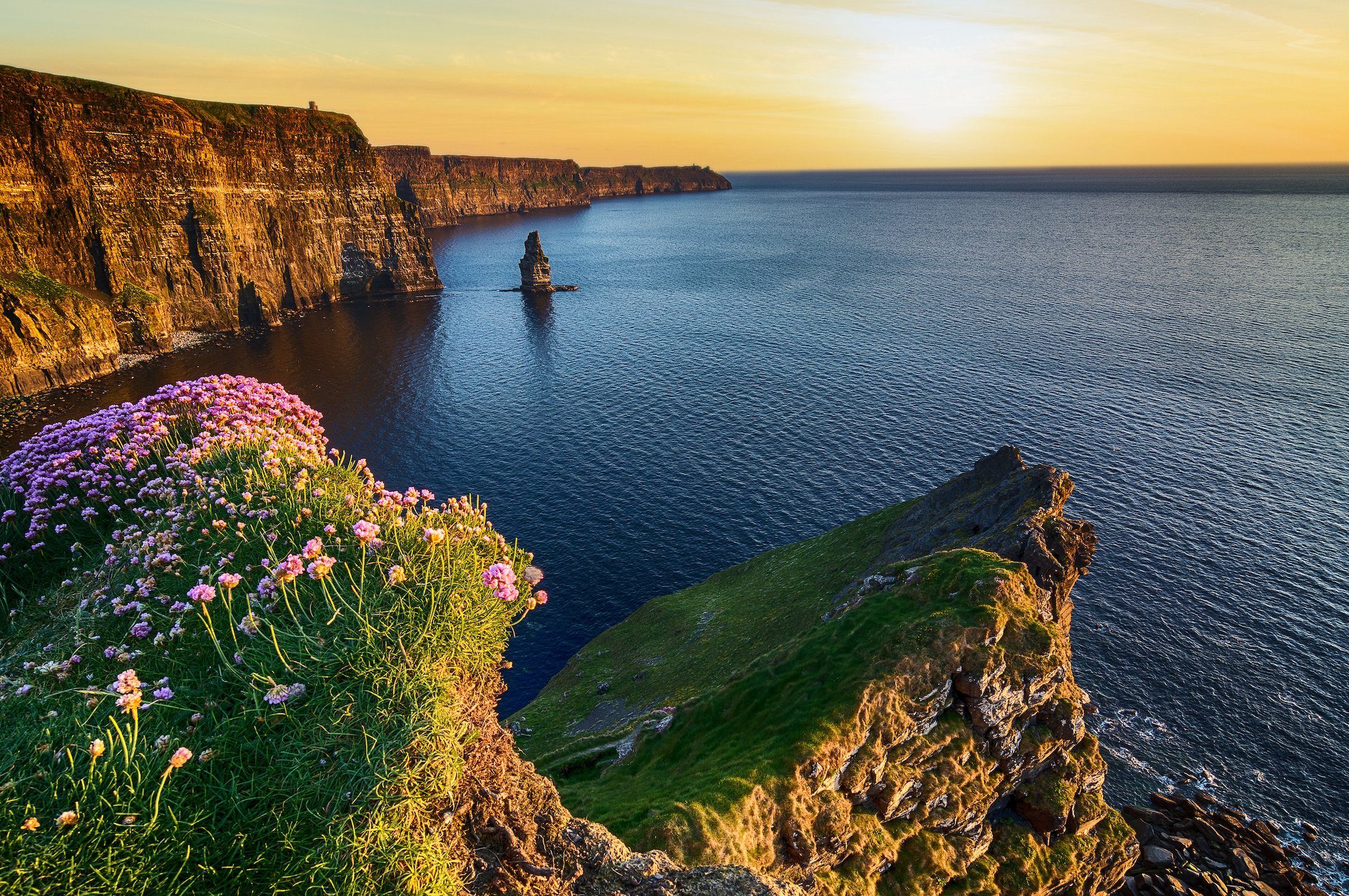
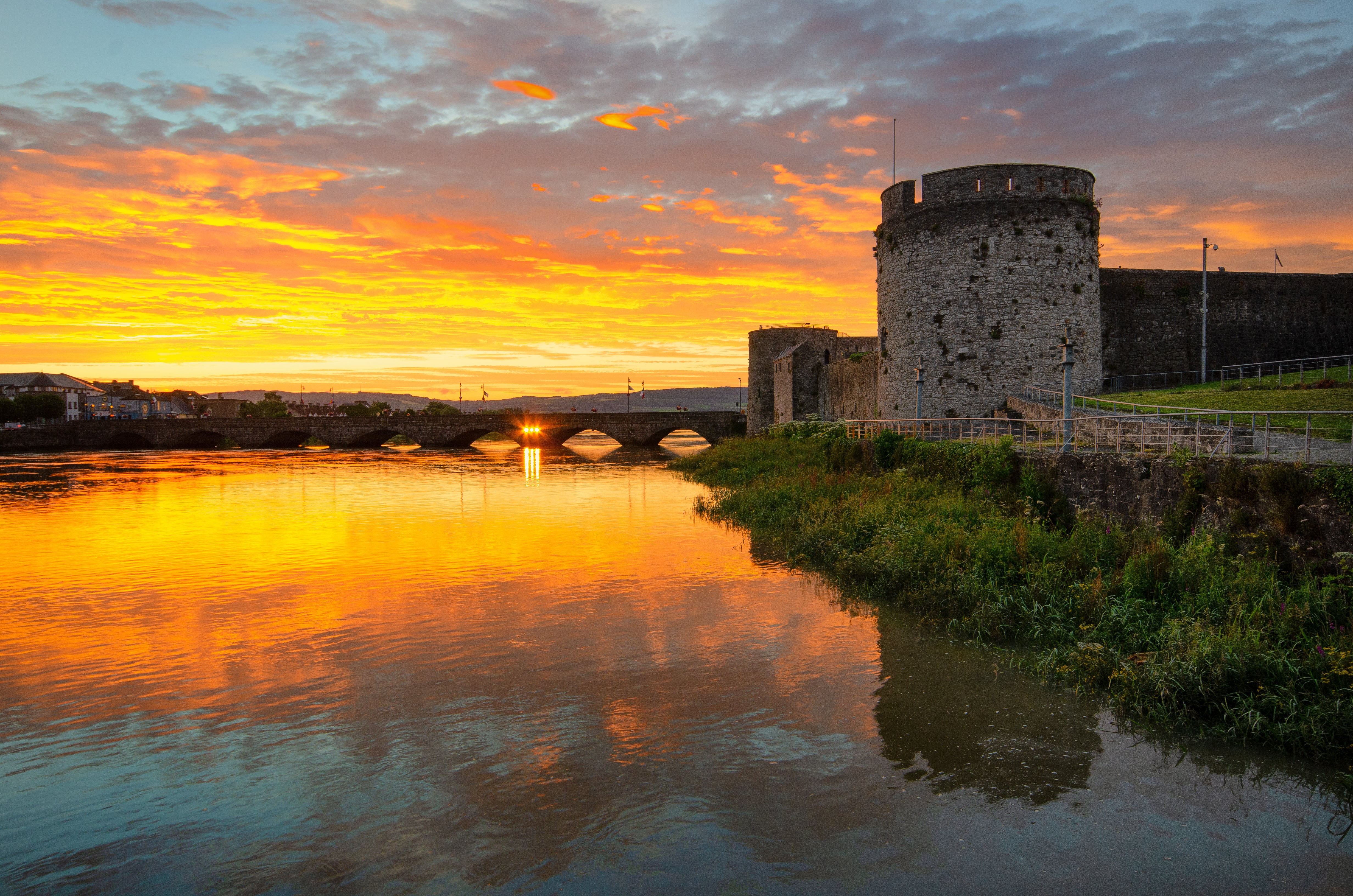
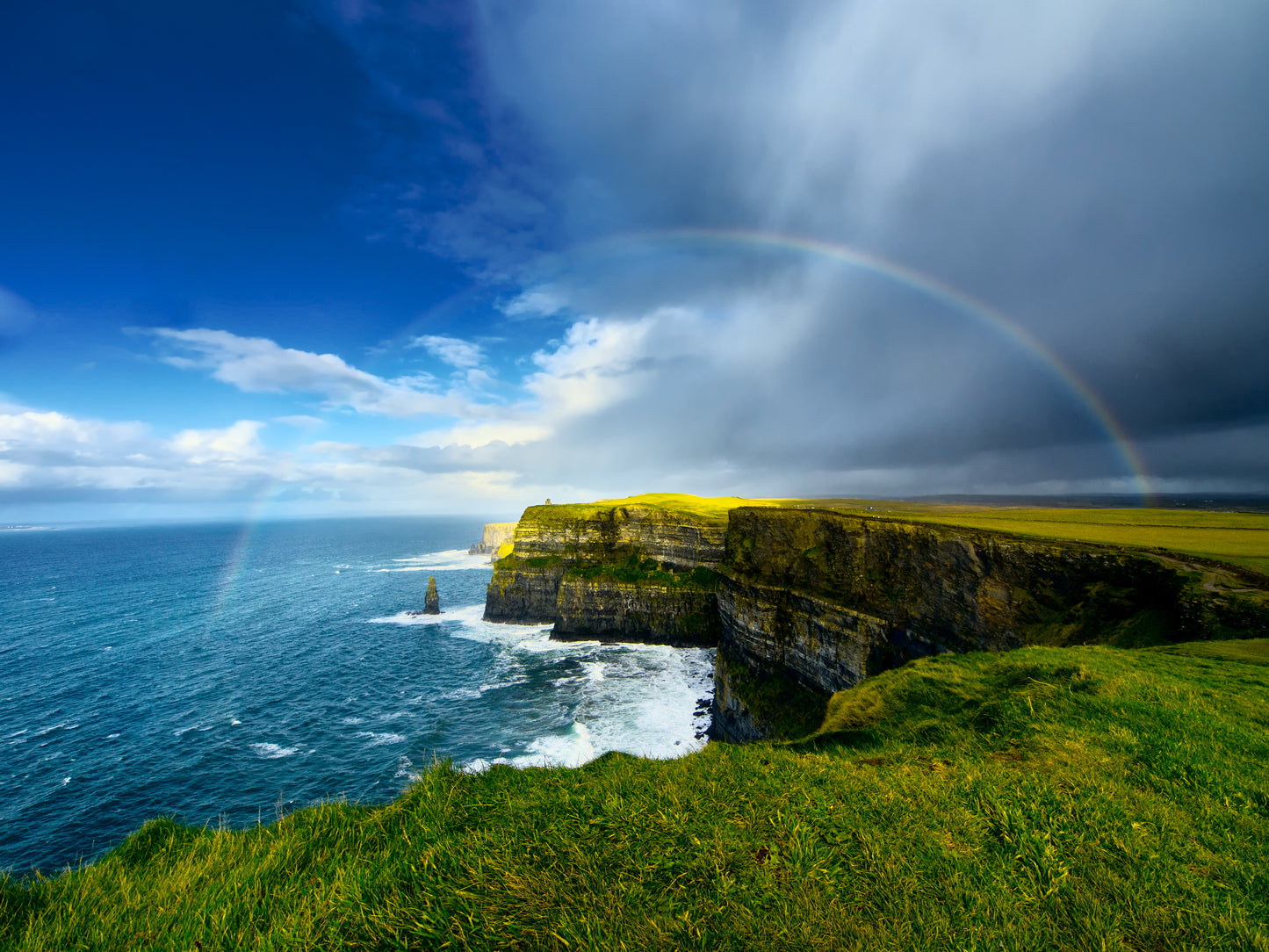
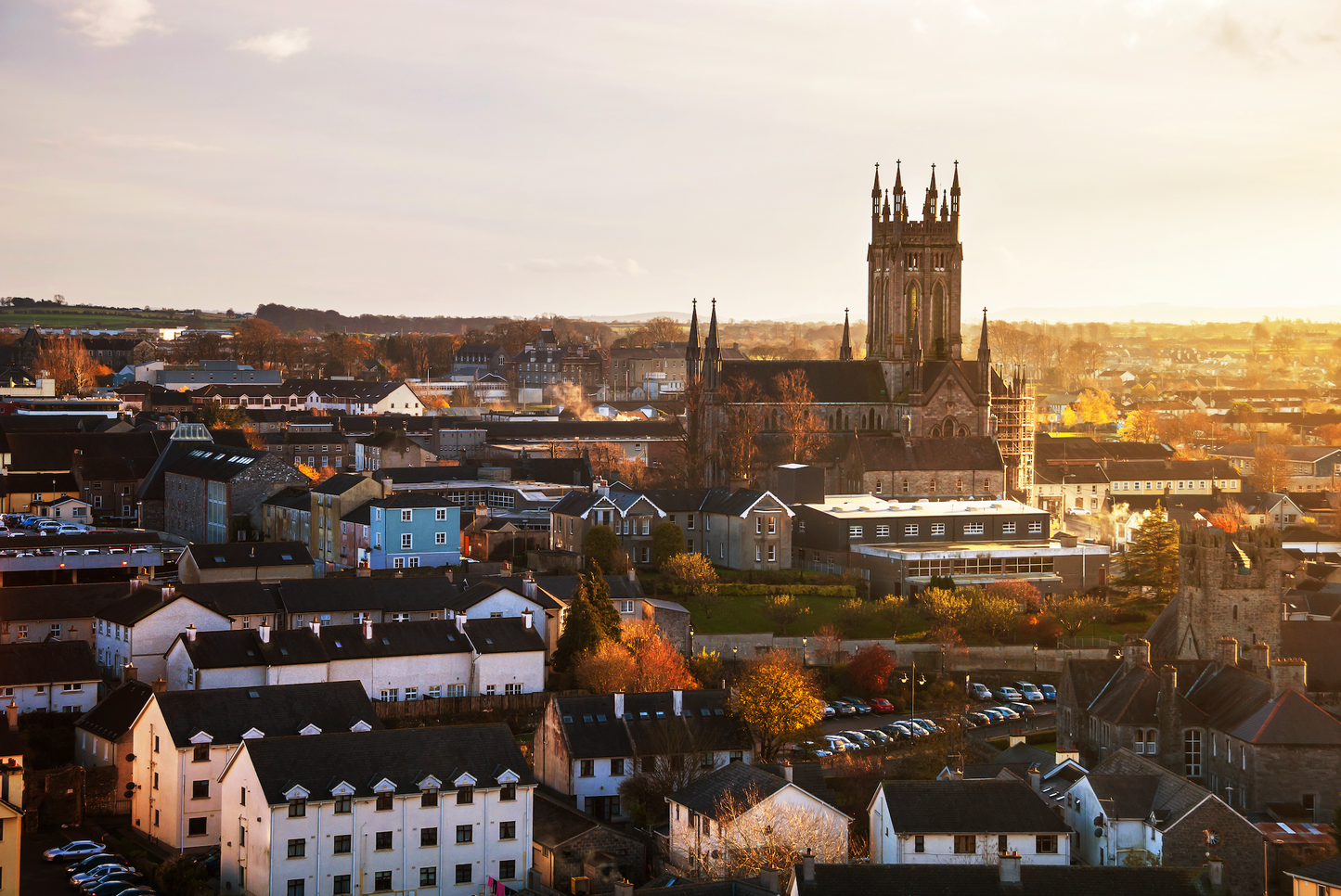
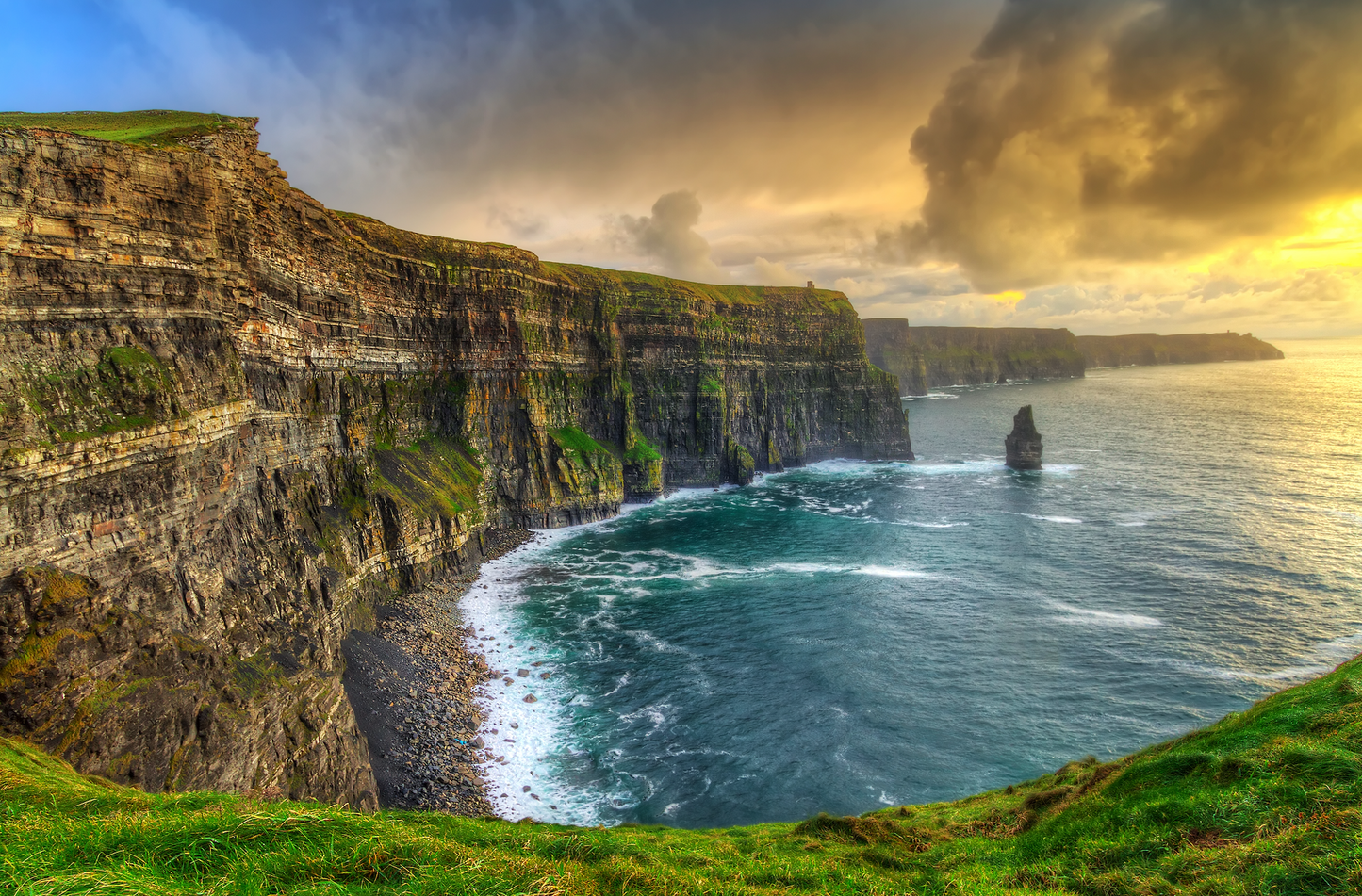
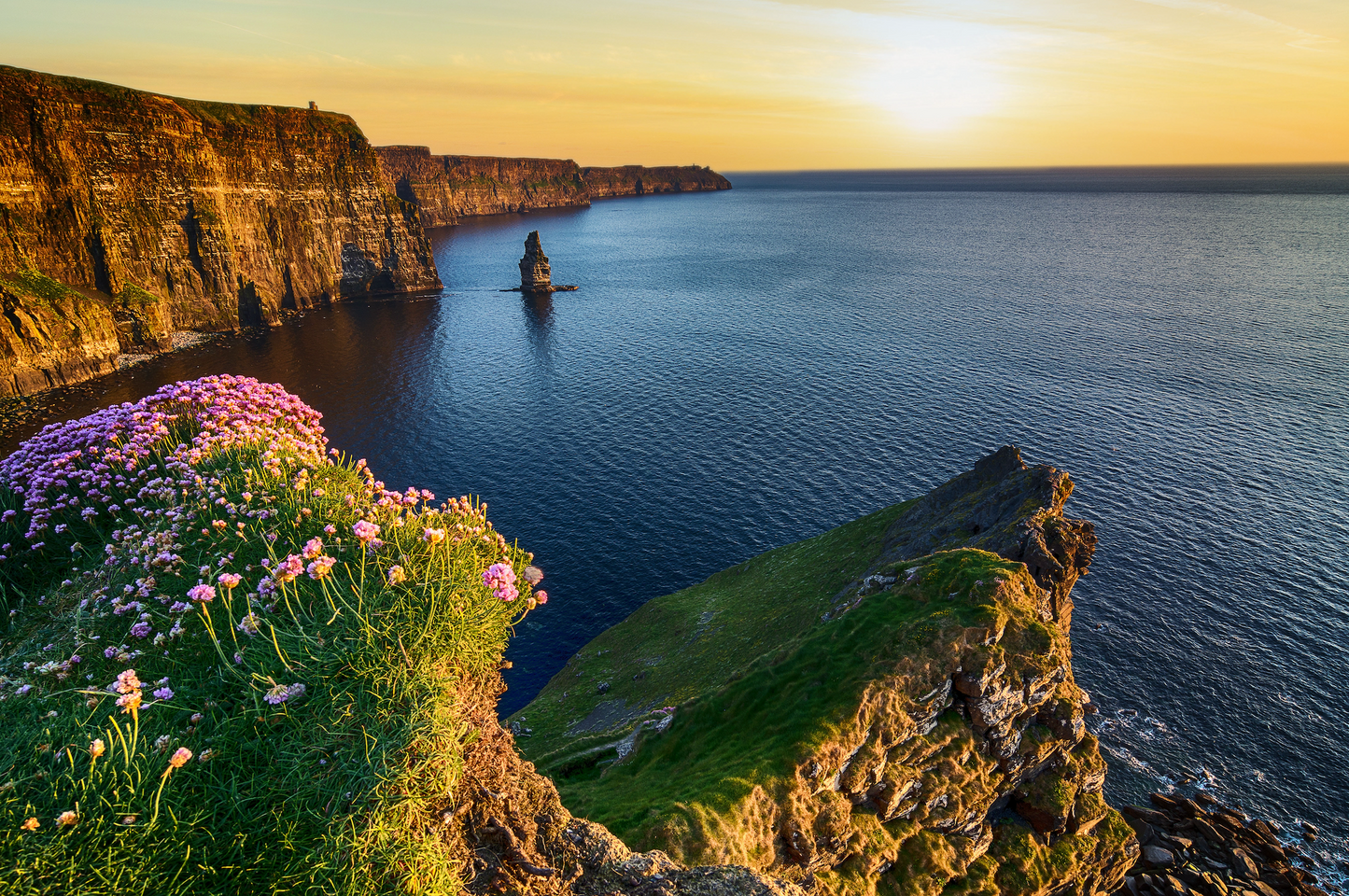
Ireland is known for its dramatic landscapes and historic sites. Must-see locations include the Cliffs of Moher, the scenic Ring of Kerry, and the Giant’s Causeway in Northern Ireland. Historic castles such as Kilkenny Castle offer a glimpse into the past, while famous filming locations like Skellig Michael and the Dark Hedges add a cinematic touch.
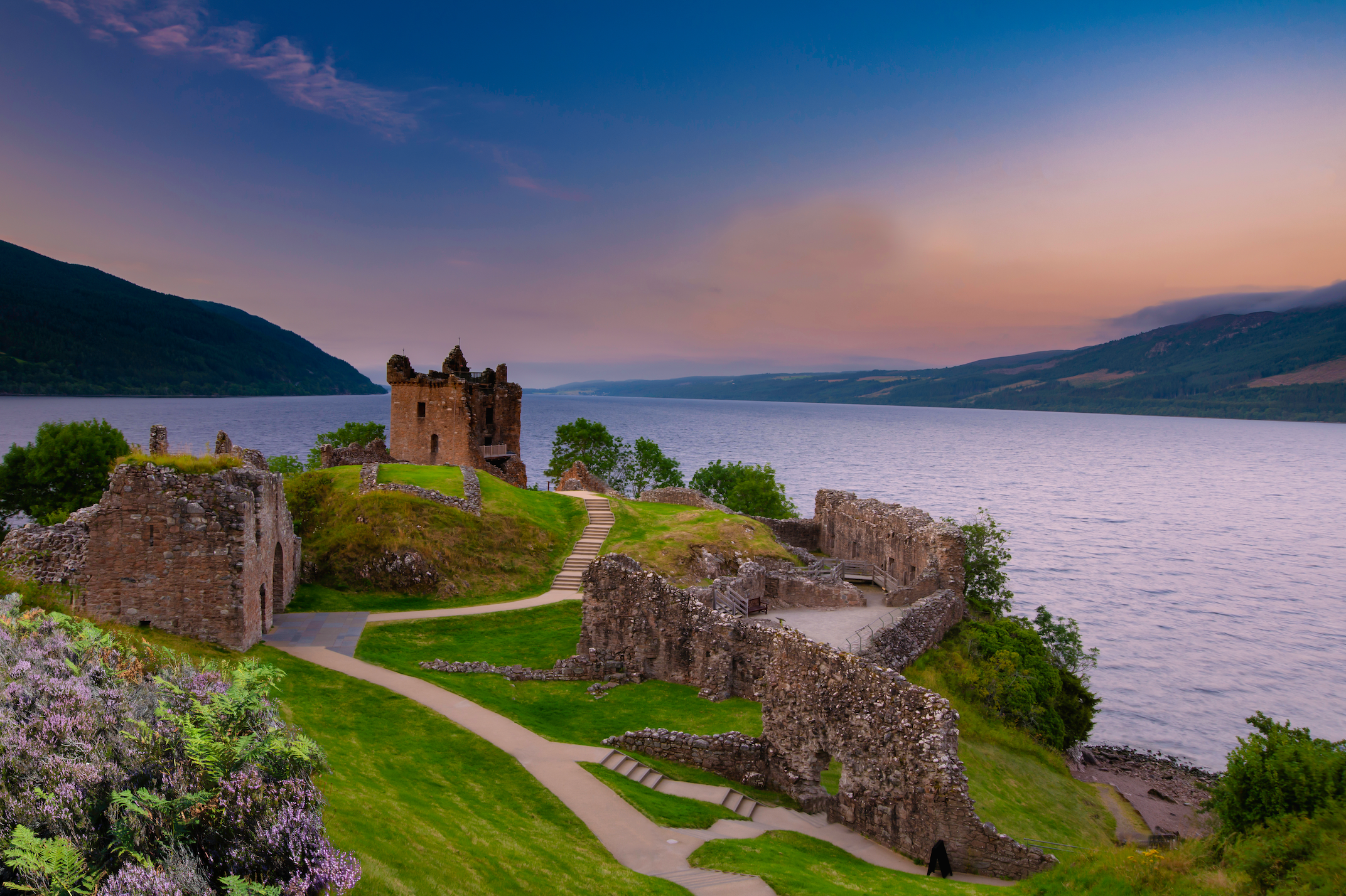
Scotland
Where is Scotland and how many people live there?
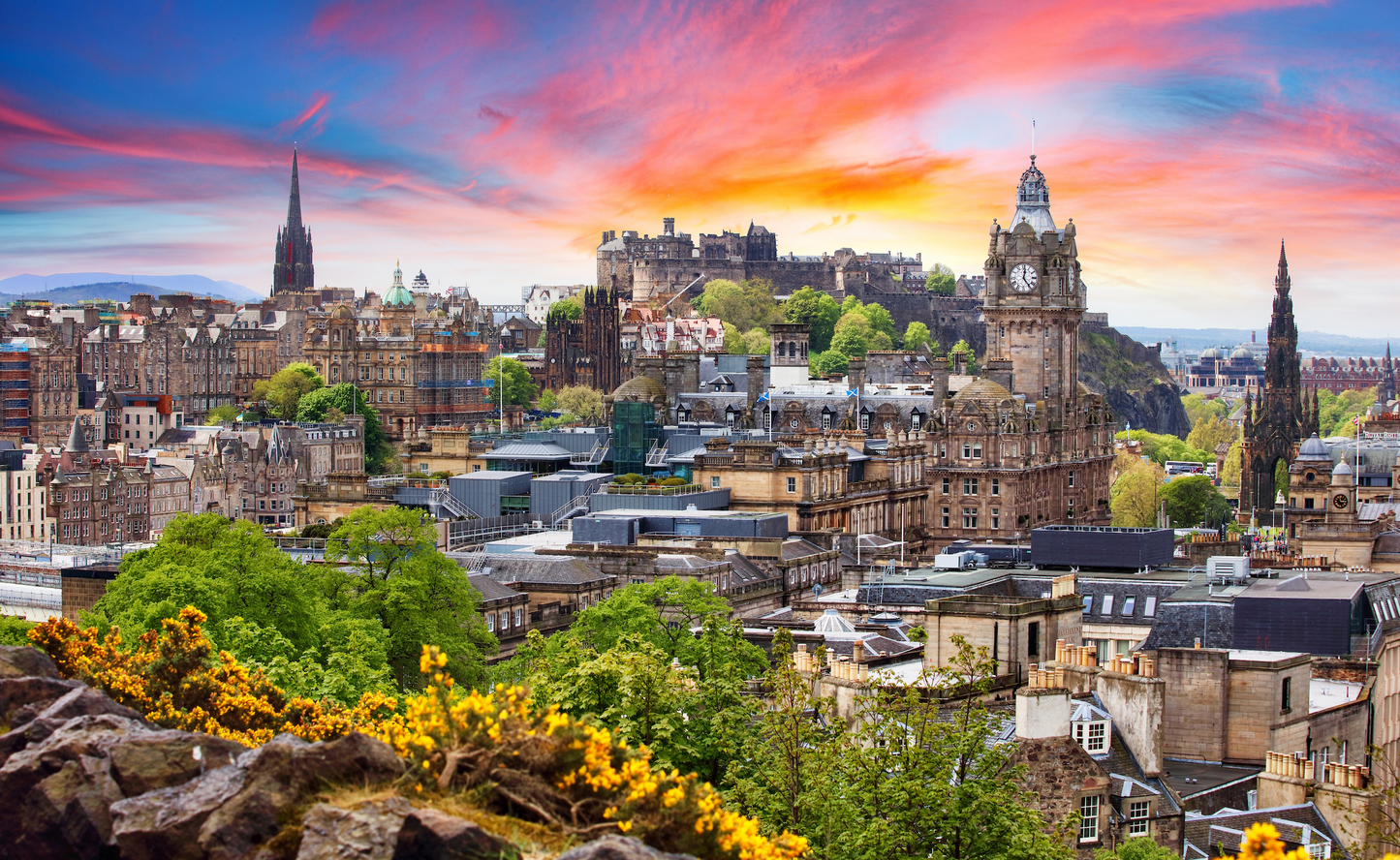
Scotland is the northernmost country in the United Kingdom, with a population of around 5.4 million people.
What is Scotland’s capital city?
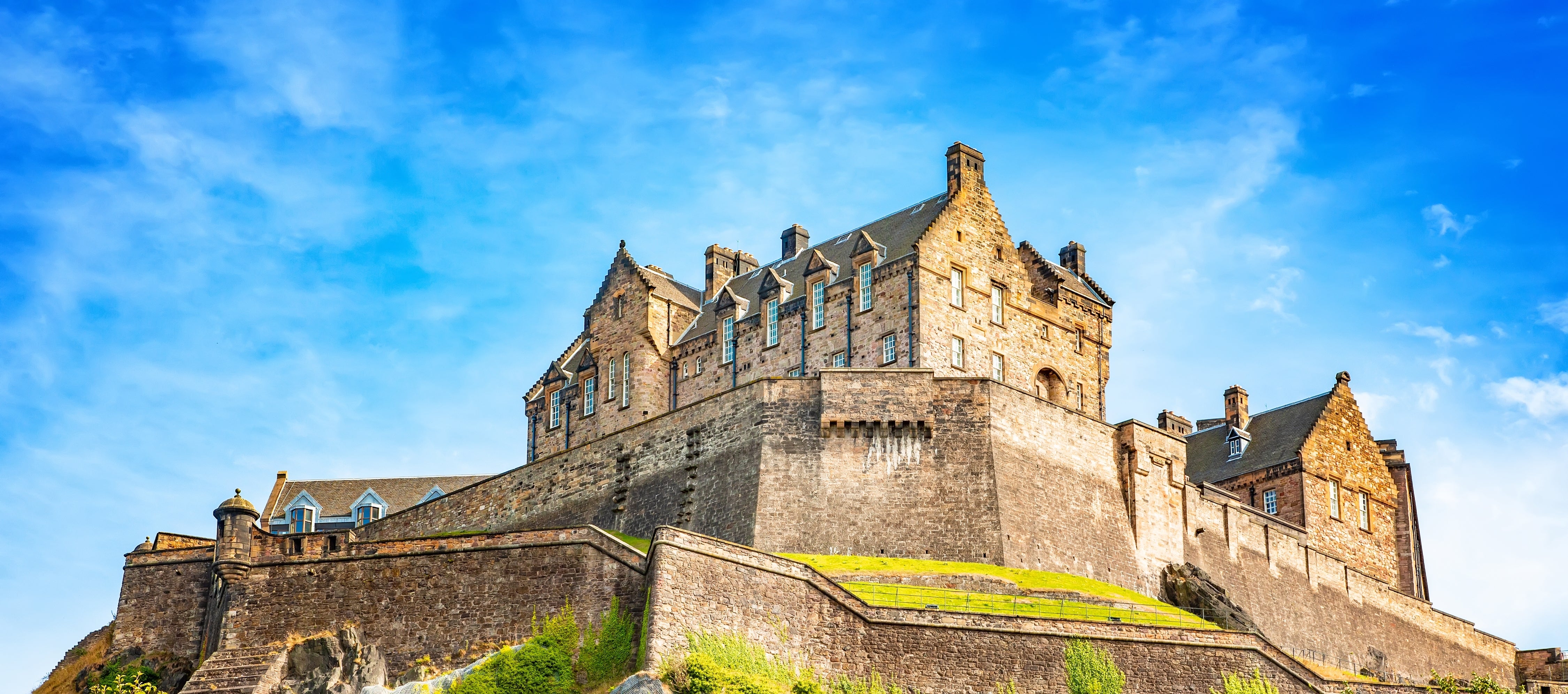
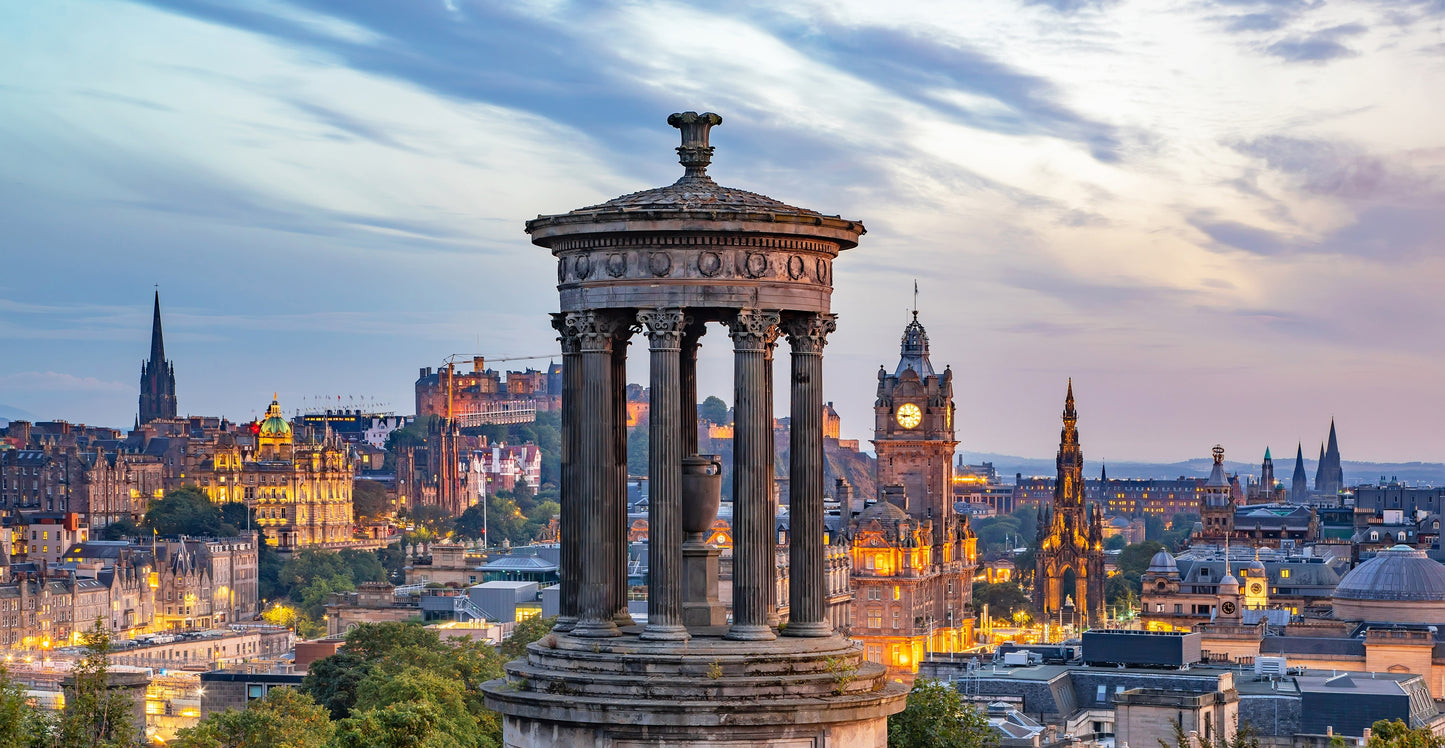
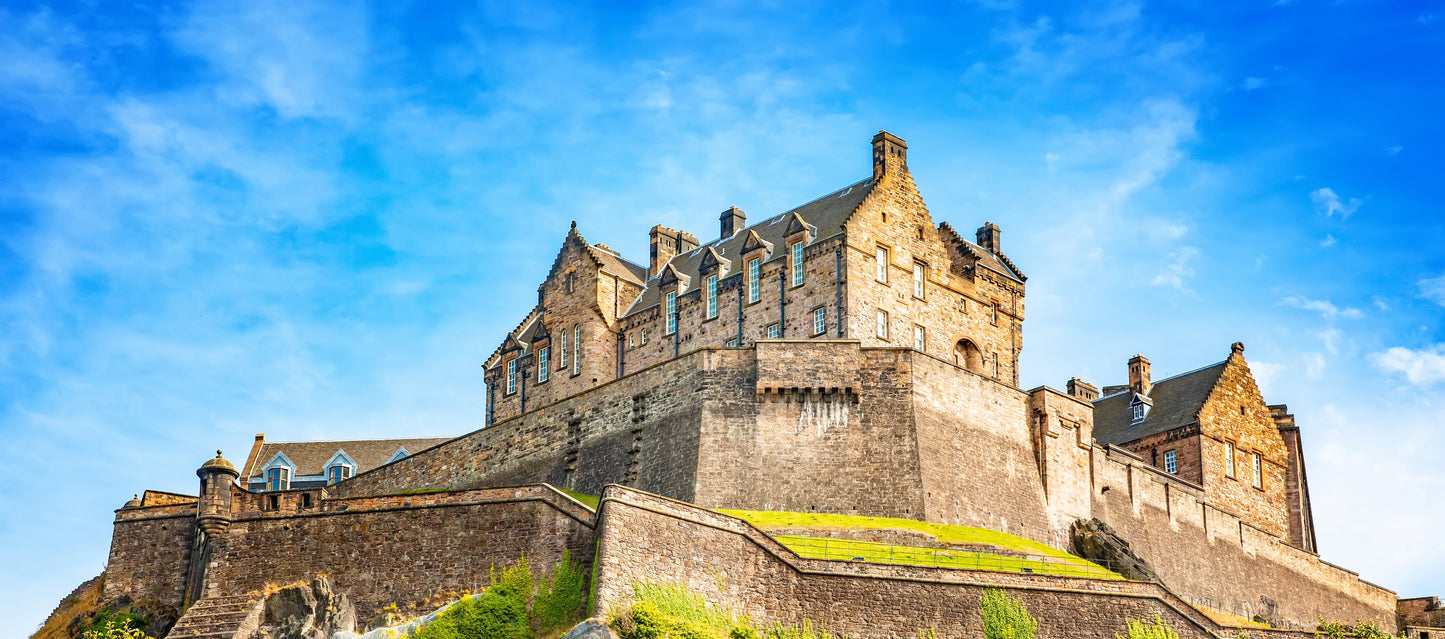
Edinburgh.
How many Scottish cities are there?
There are eight cities: Aberdeen, Dundee, Edinburgh, Glasgow, Inverness, Perth, Stirling, and Dunfermline.
When is the best time to visit Scotland?
Each season in Scotland offers a distinct experience: spring brings blooming landscapes and wildlife activity, summer features long days and festivals, autumn showcases colourful foliage and crisp air, and winter offers snowy scenery, festive markets, and traditional celebrations.
What sort of temperatures should I expect?
Winter temperatures typically range from 2°C to 6°C, while summer temperatures usually reach between 12°C and 19°C. Scotland has a temperate but changeable climate, with occasional freezing days in winter and warm, sunny spells in summer.
What language is spoken in Scotland?
English is the main language. Scots is also widely spoken, and Scottish Gaelic is used in certain areas, particularly in the Outer Hebrides.
Can I still visit Scotland now the UK has left the EU?
Yes, travel to Scotland is still possible. It’s recommended to check current UK government guidelines before your trip. Check travel requirements here.
What is an Electronic Travel Authorisation?
An Electronic Travel Authorisation (ETA) is a requirement for visa-exempt travelers entering the UK. It grants permission to travel and is digitally linked to your passport.
Do any Scottish destinations have a Visitor Levy/Tourist Tax?
Yes, Edinburgh currently has a visitor levy. From 1 October 2025, a 5% fee will apply to overnight stays in paid accommodation for applicable bookings. The funds are used to support local services and infrastructure.
Do I need any vaccinations to visit Scotland?
No specific vaccinations are required. Travel insurance is recommended, check here.
Are there restrictions on what I can bring into Scotland?
Yes, certain items are restricted when entering the UK. Check official guidance before traveling.
Is it safe to drink Scottish tap water?
Yes, tap water in Scotland is very clean and safe to drink.
Will I be able to access the internet?
Most accommodations, cafés, and attractions offer Wi-Fi. Mobile data is also available, though coverage may be limited in remote areas.
What side of the road should I drive on?
In Scotland, people drive on the left-hand side of the road.
What type of electrical adapter will I need?
The standard electrical plug type is Type G.
What type of currency can I use?
The main type of currency used is the Pound Sterling (£).
Do I need to tip?
Tipping is not mandatory but is appreciated for good service, particularly in restaurants and taxis. Around 10% is a common guideline, though any amount is appreciated.
Where can I exchange money?
Currency exchange services are available at Post Offices and other exchange providers throughout Scotland.