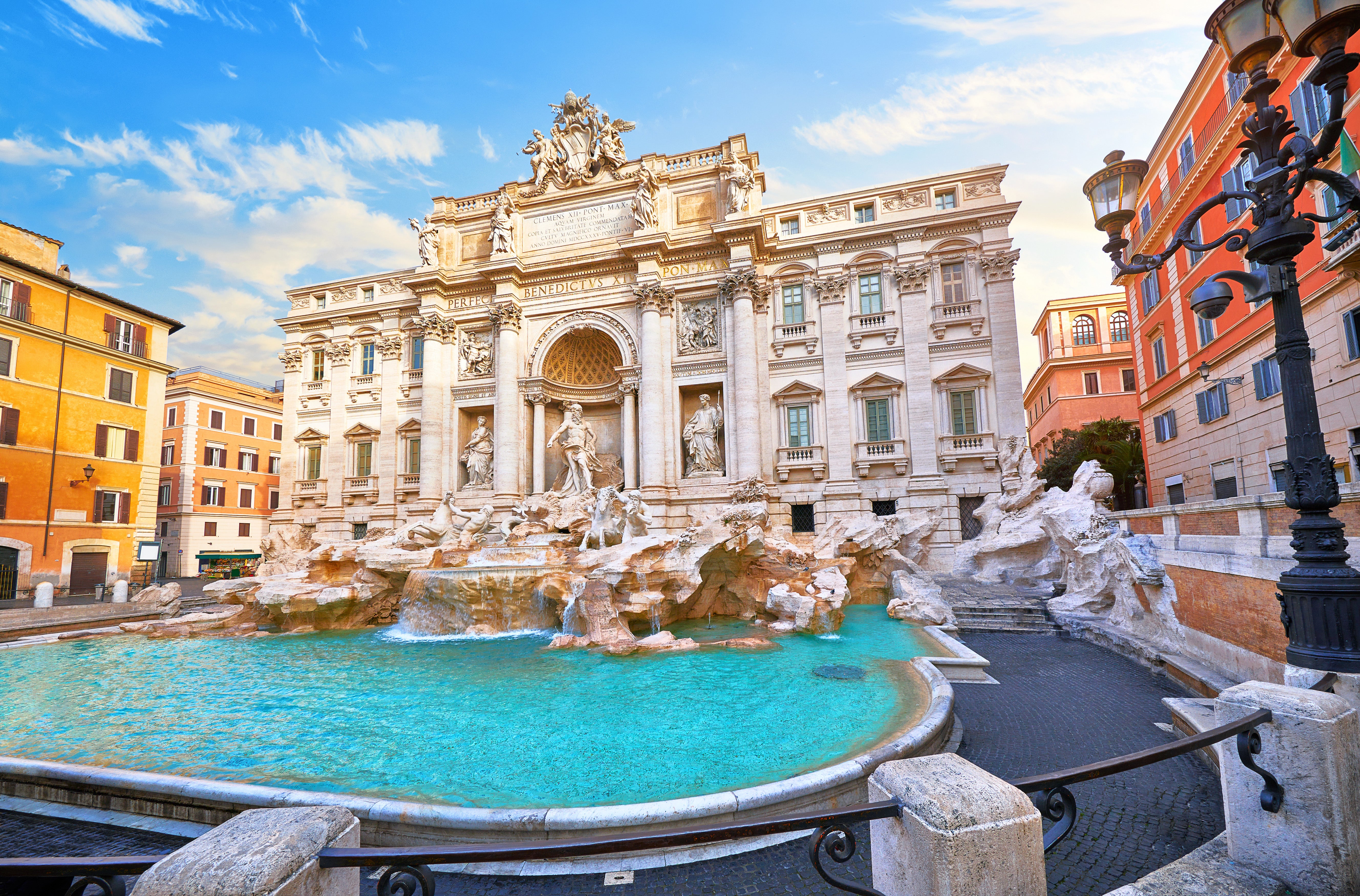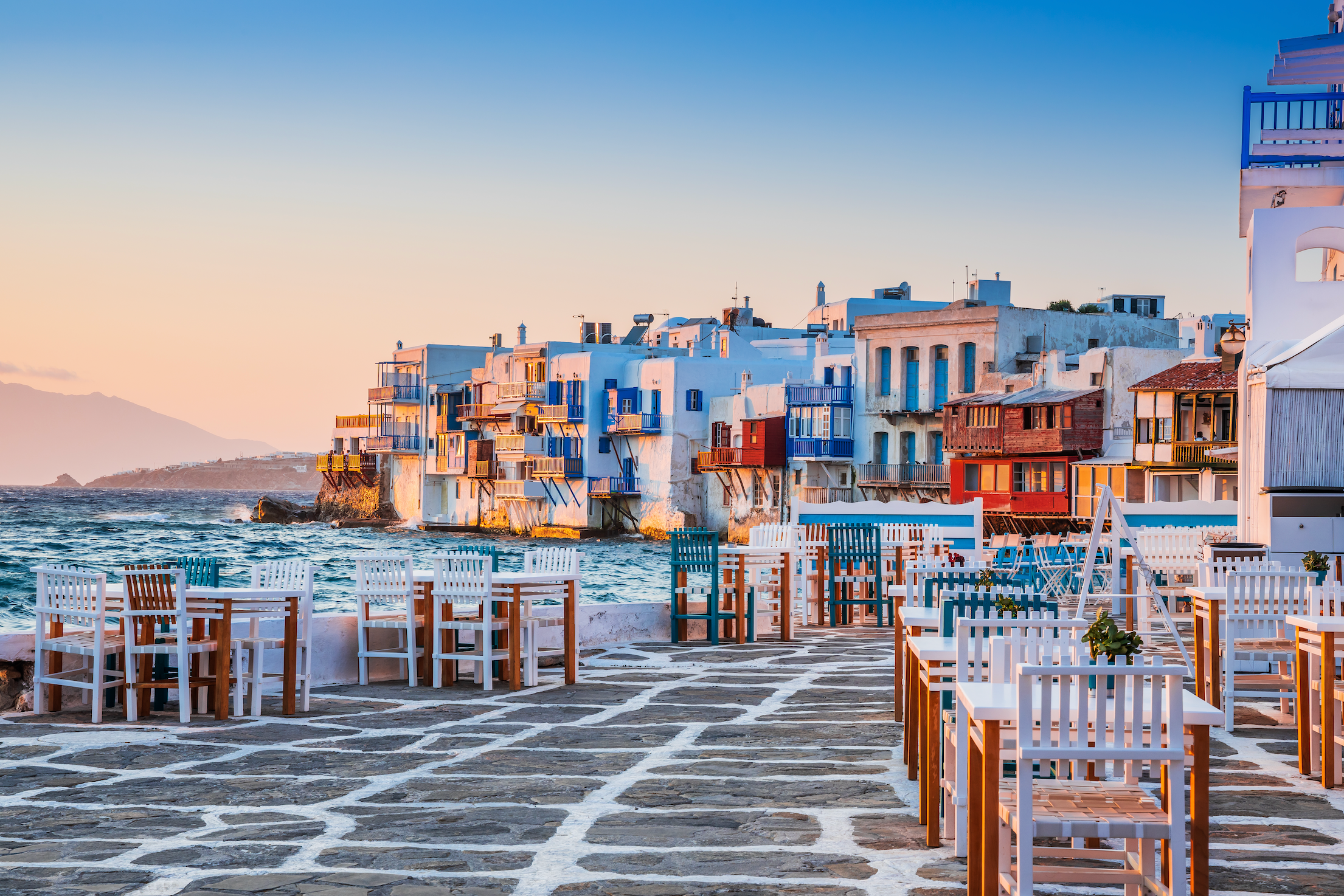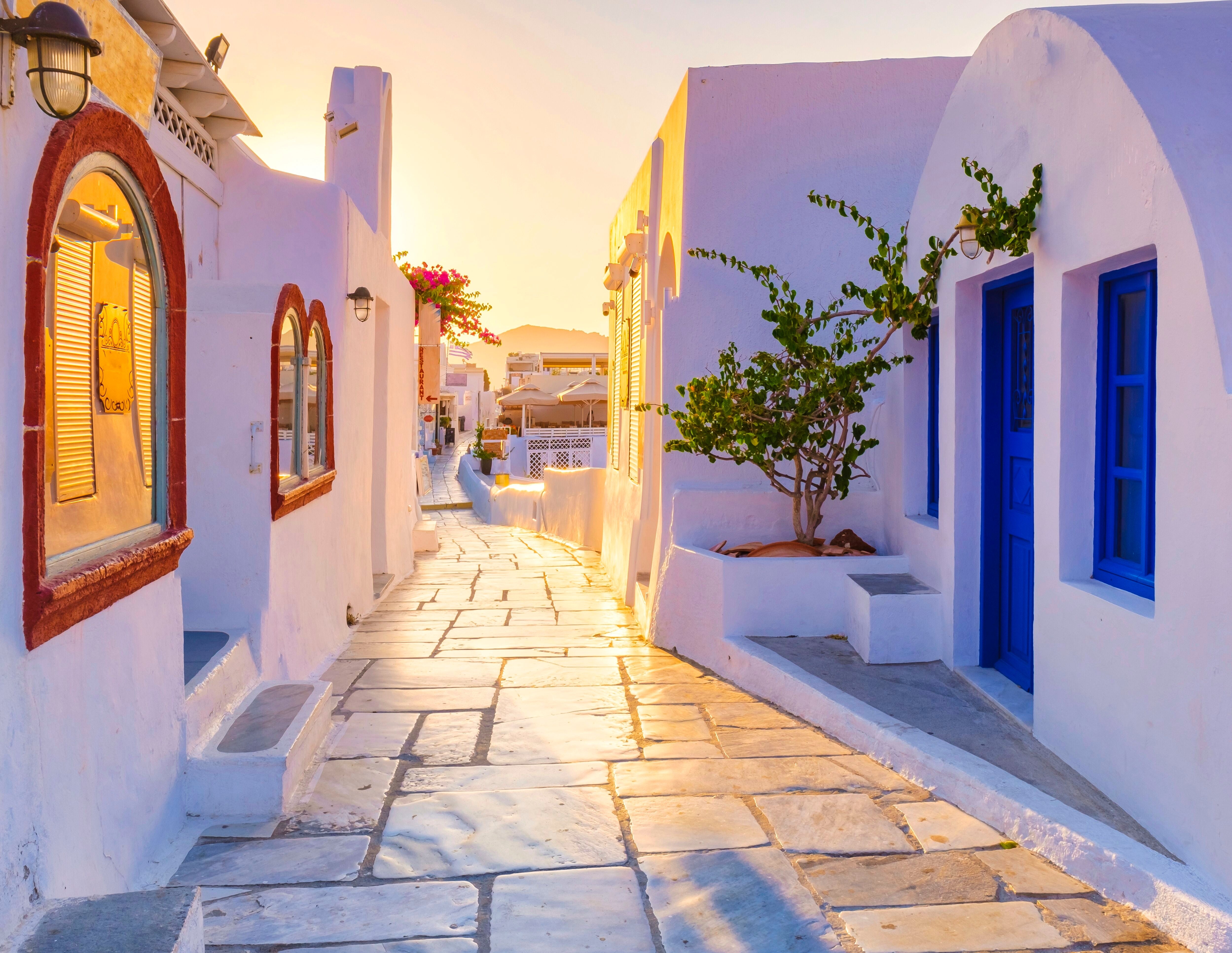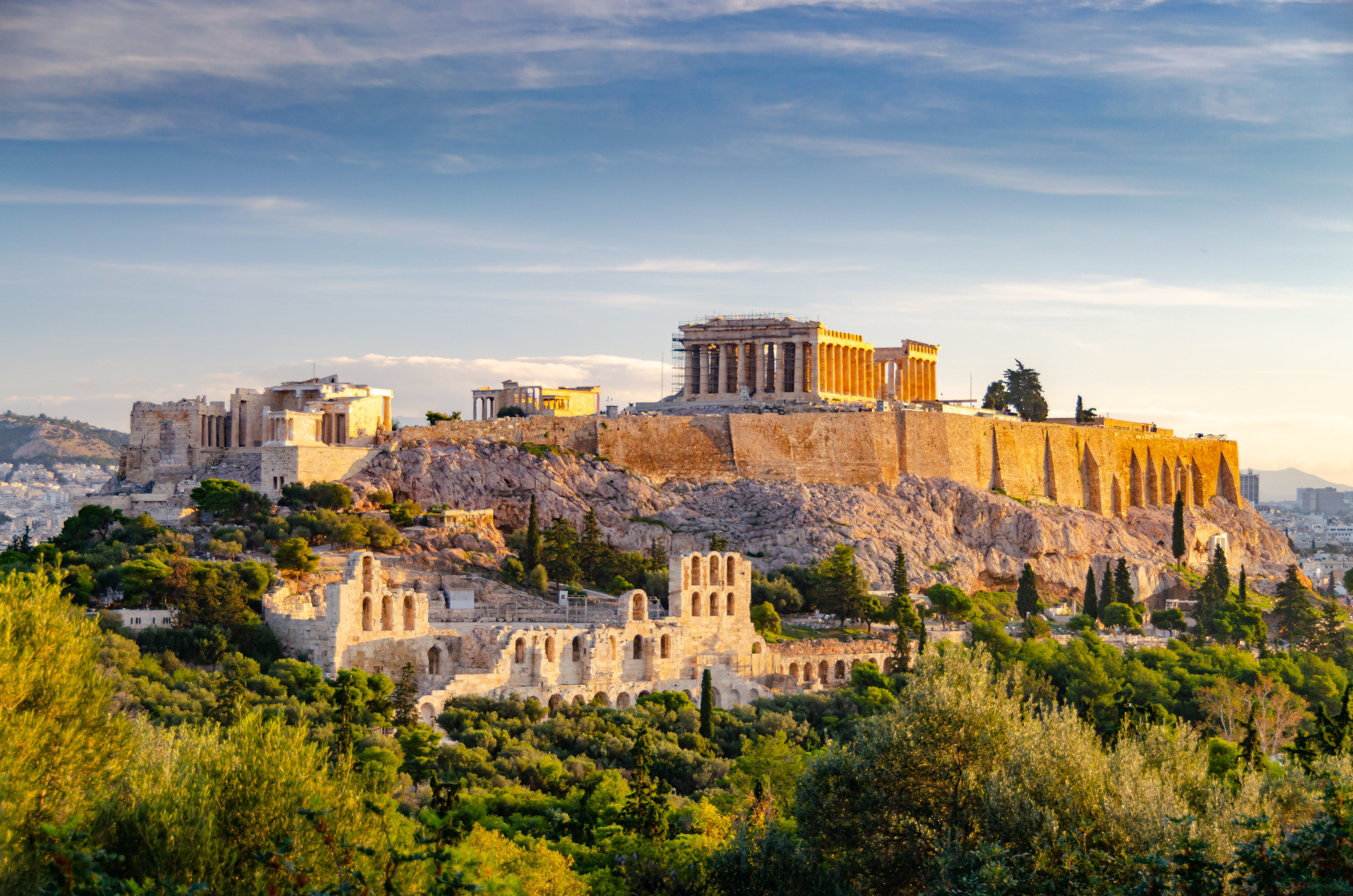
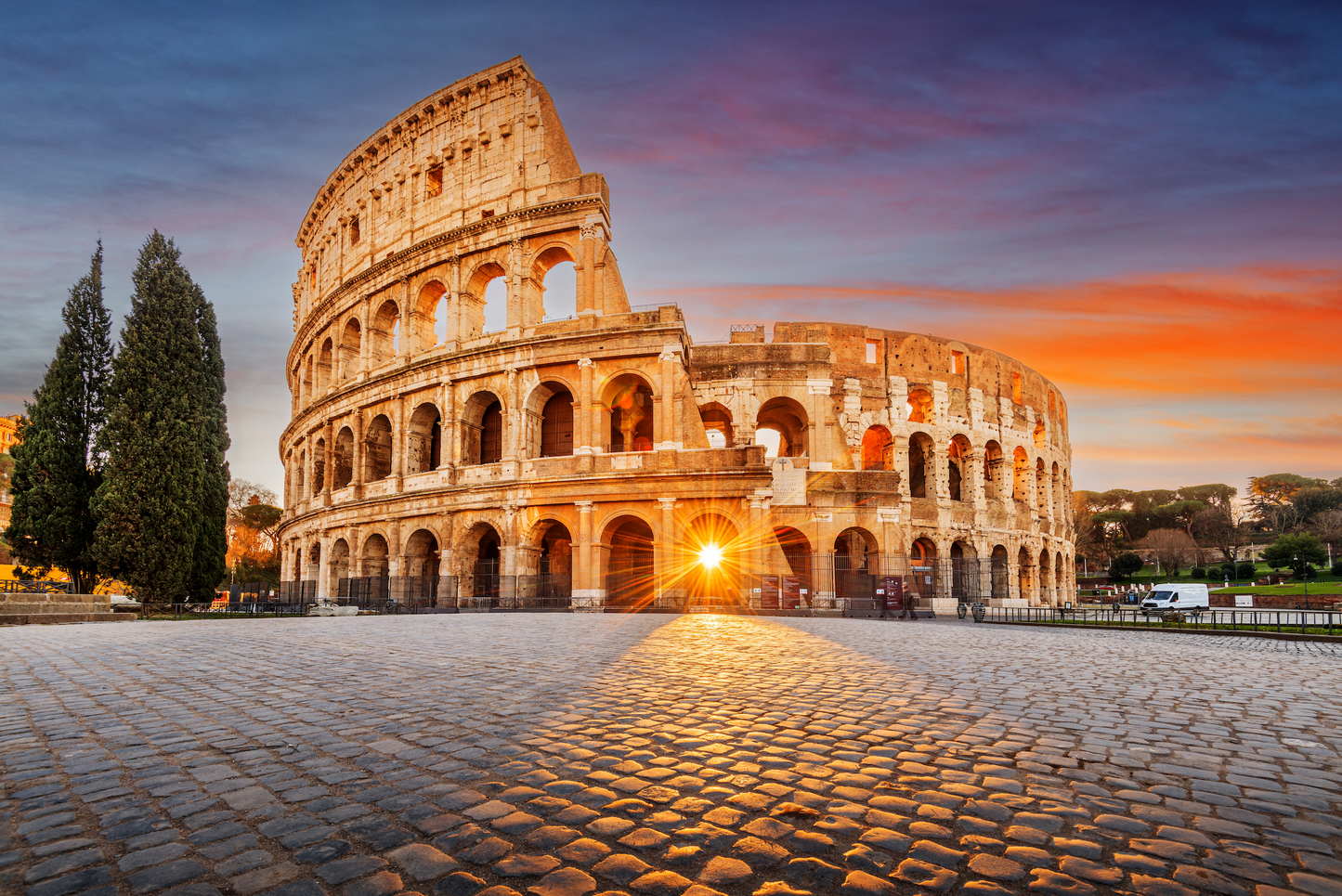
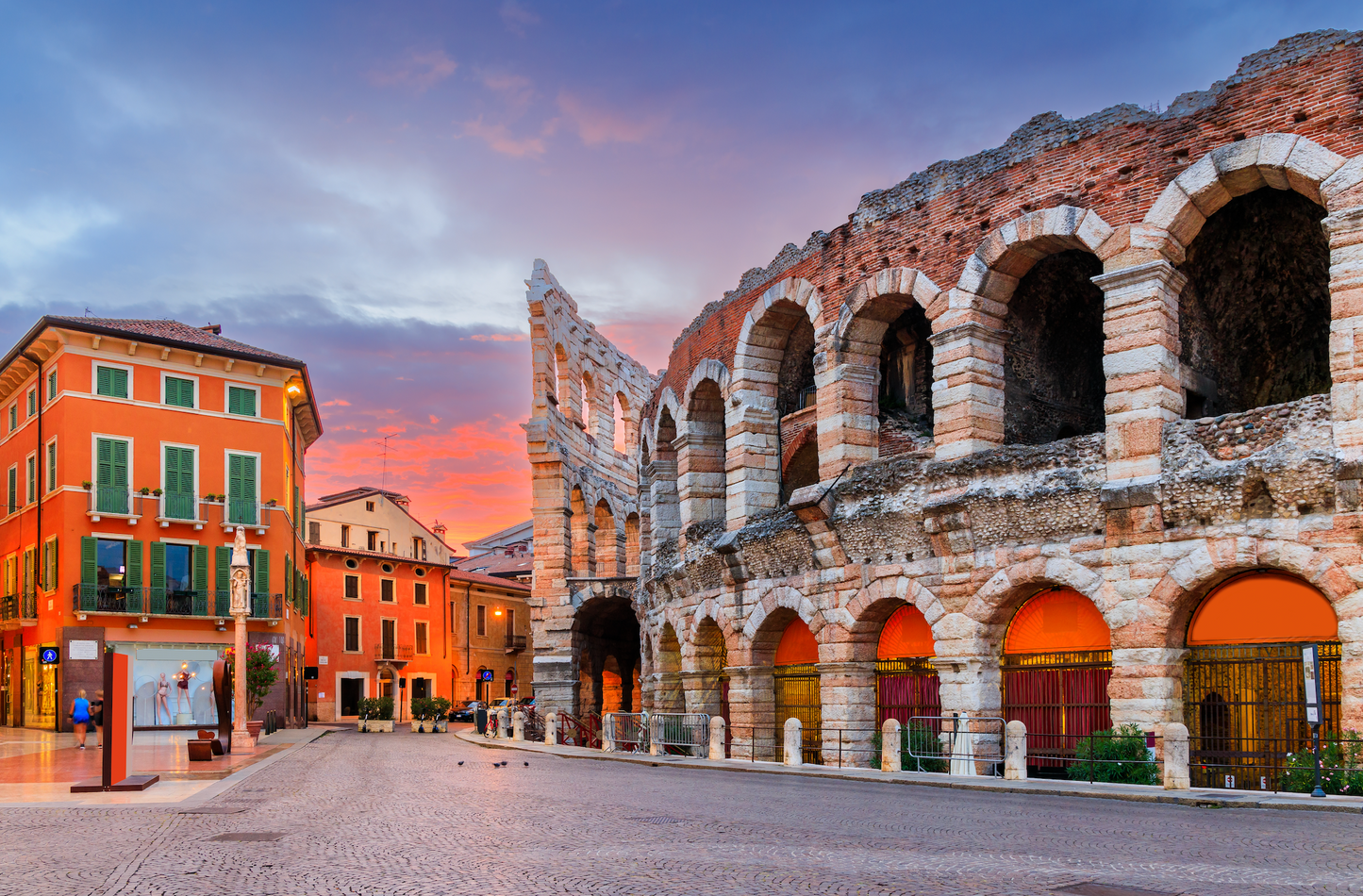

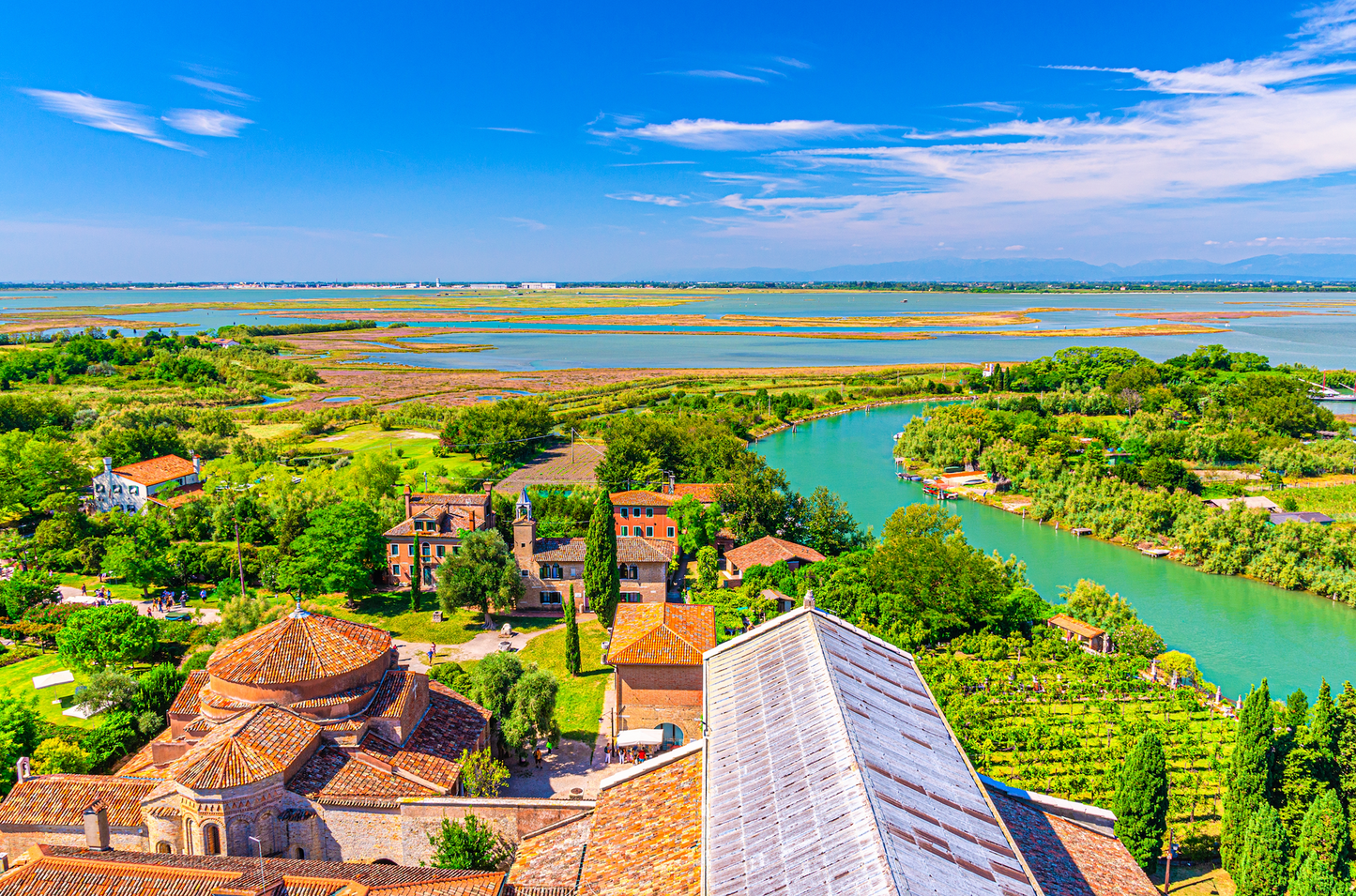
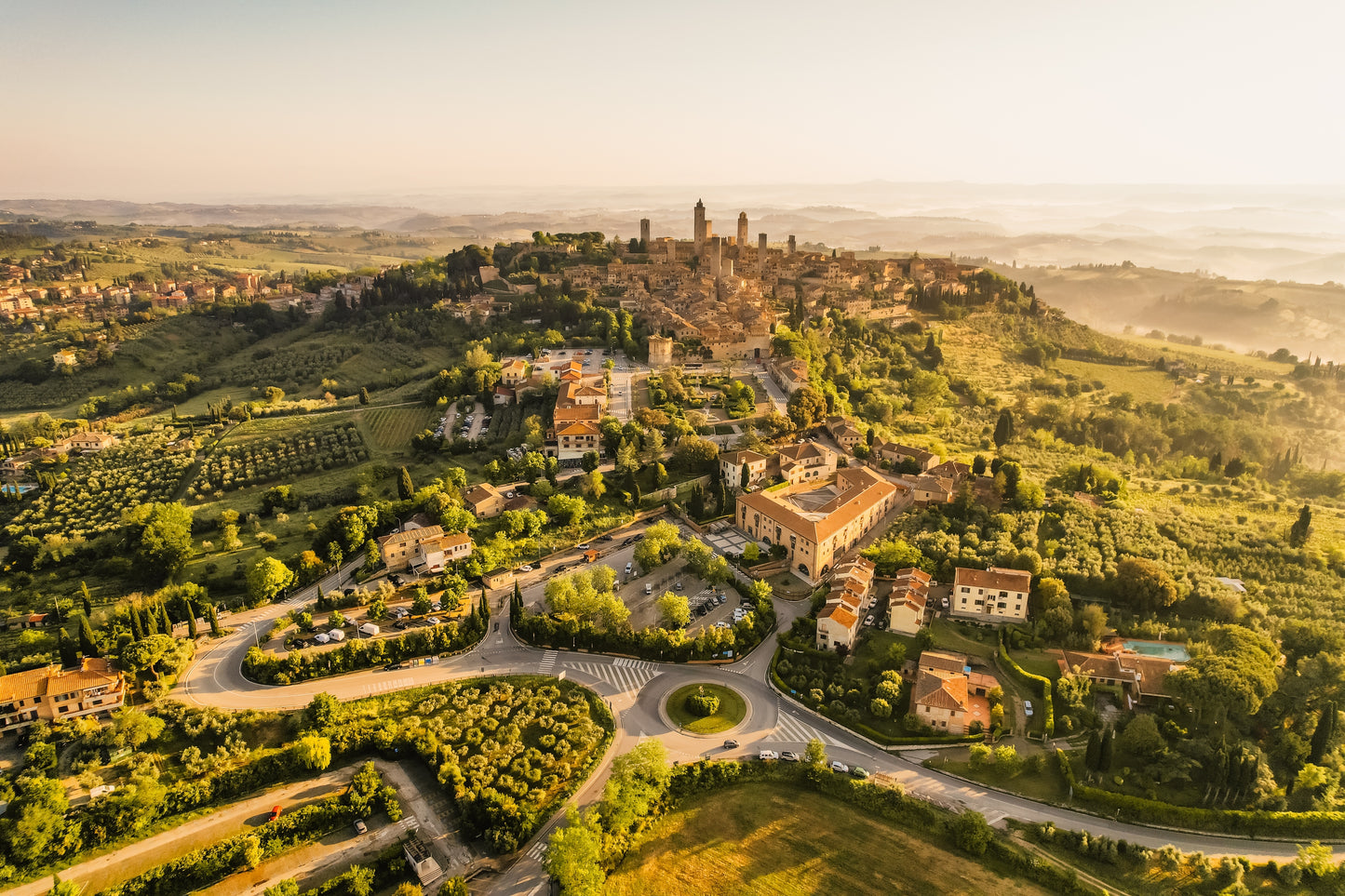
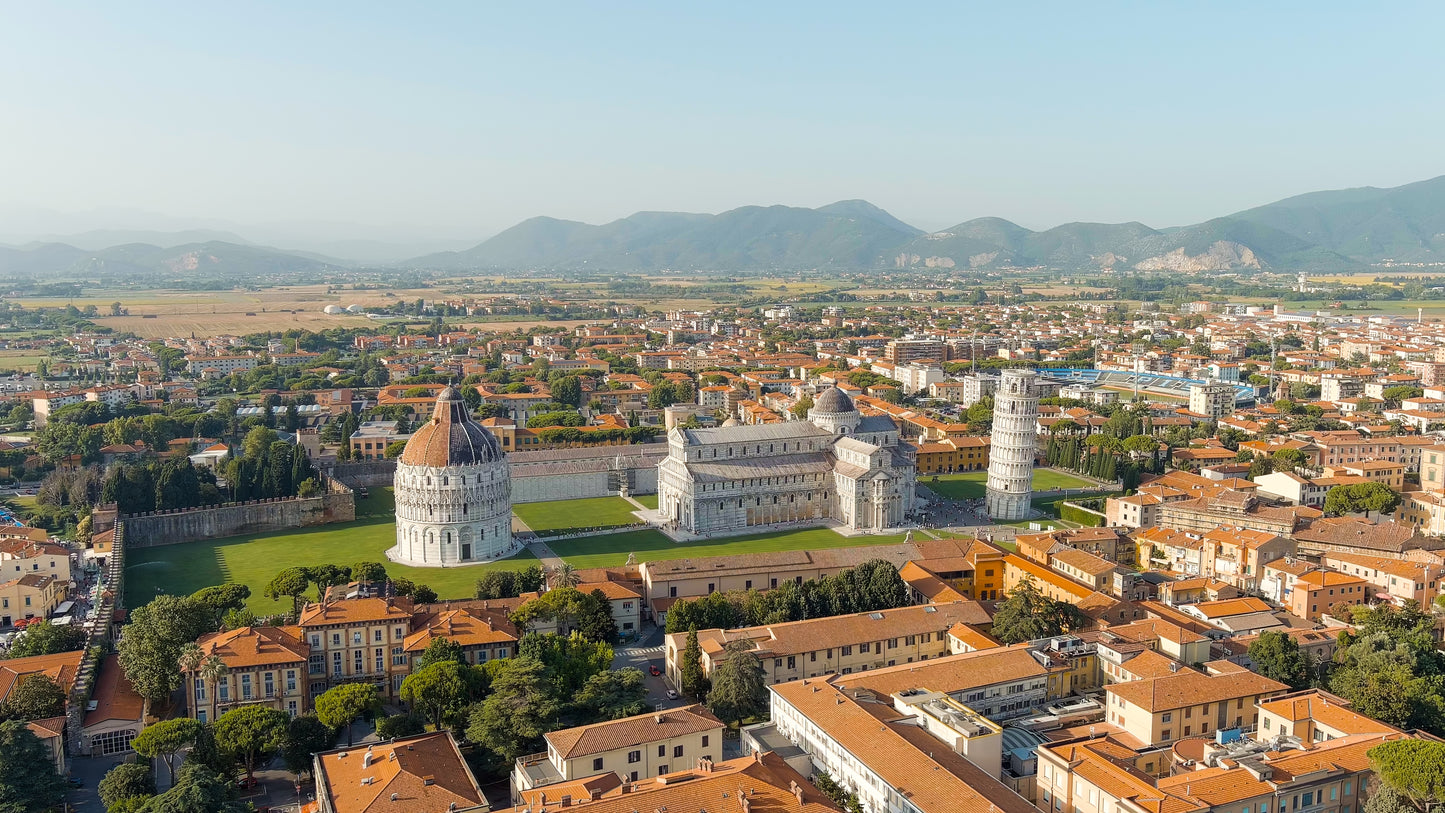
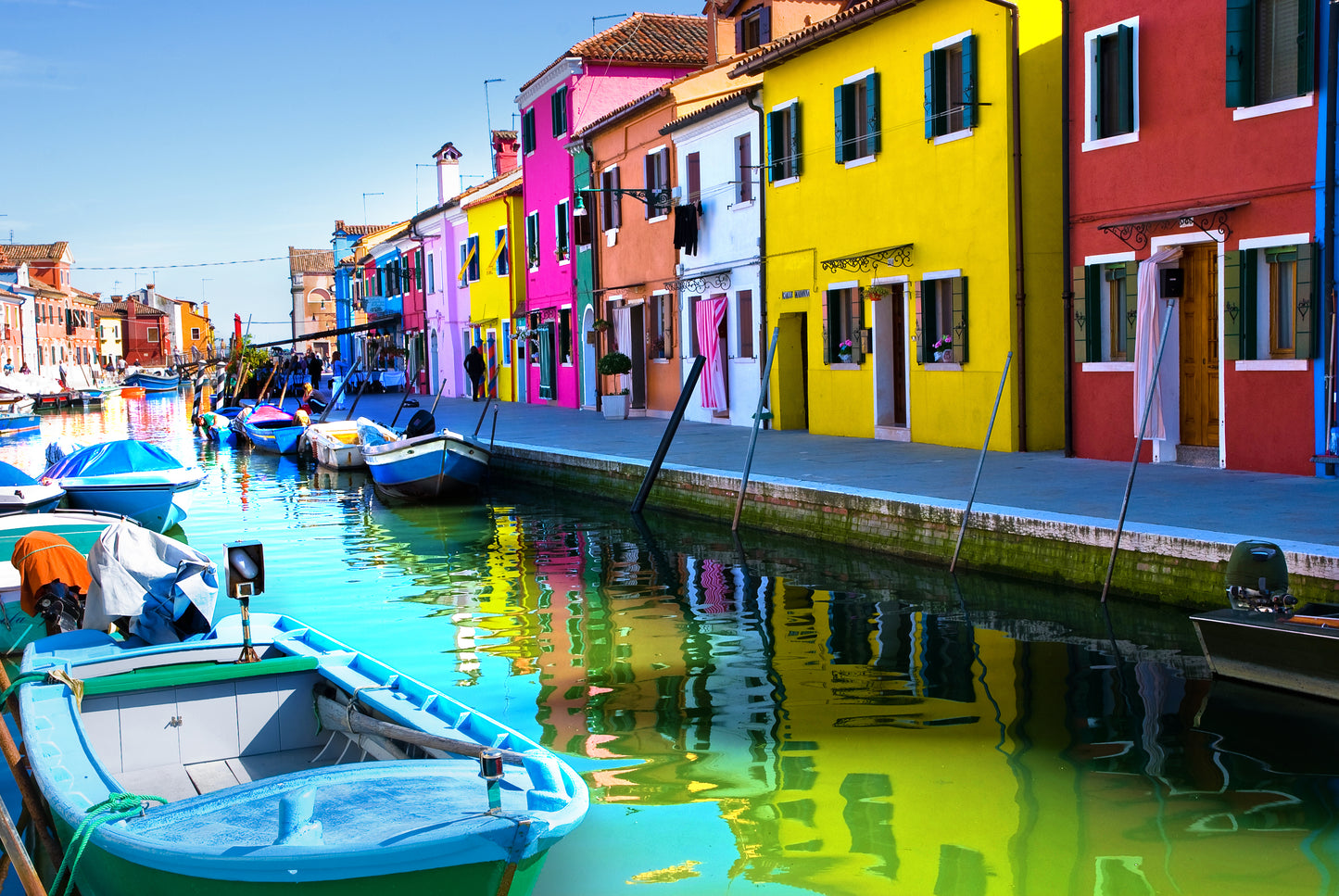
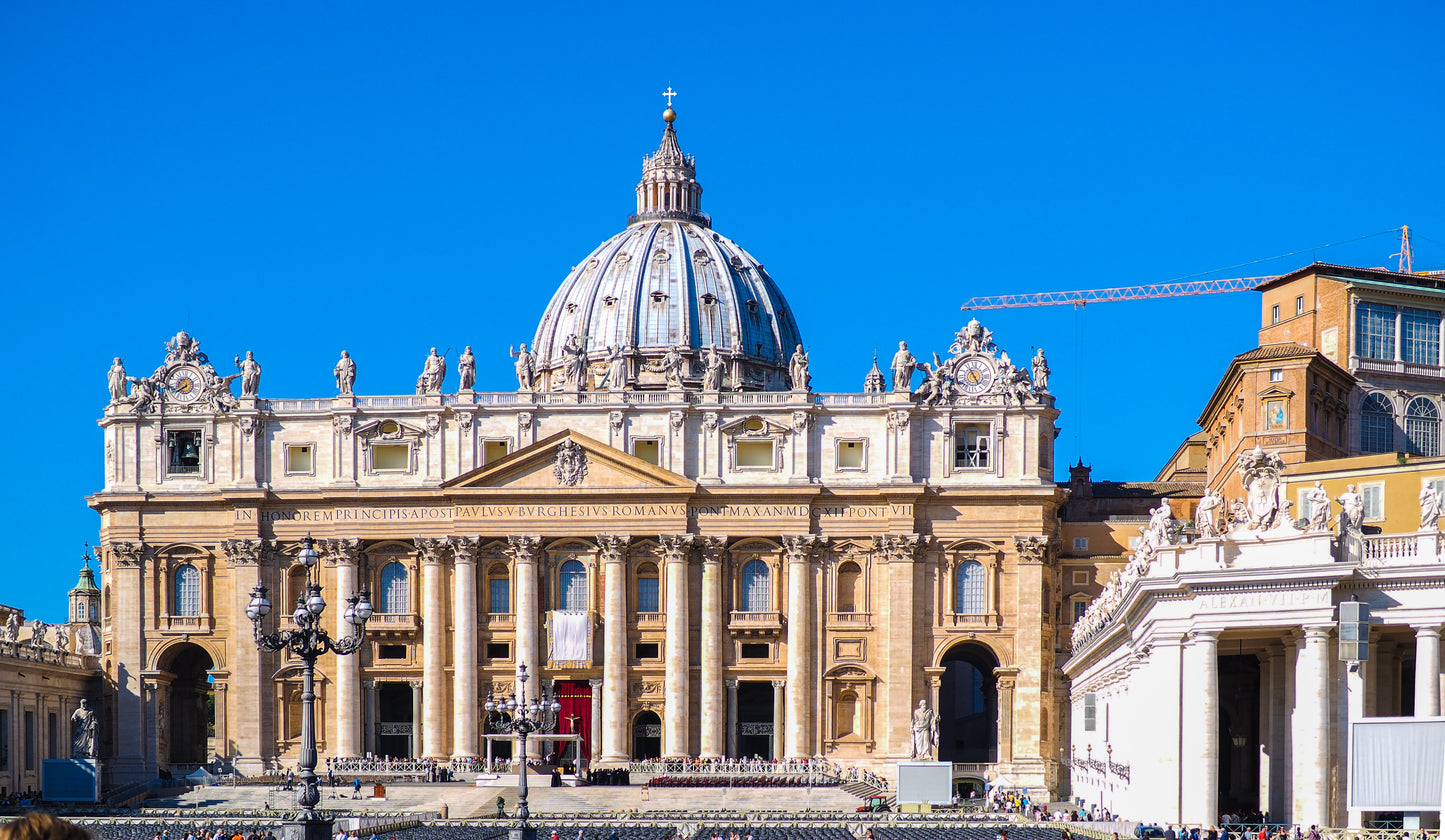
Italy
Do I need a converter to charge devices such as cell phones, laptops, and other electrical appliances?
Yes, you’ll need a plug adapter—and possibly a voltage converter—to use your devices in Italy. It’s best to buy the correct adapter before you travel, as they can be harder to find and more expensive once you arrive.
I’ve heard that you’re not supposed to tip in Italy—is that true?
Tipping isn’t expected in Italy, so you won’t offend anyone by skipping it. That said, leaving a small tip for excellent service is appreciated. If you do tip, give it directly to the person who served you. You may also notice a small cover charge on your bill called “coperto,” usually around €1.50–€2.00 per person, which is standard and covers service items like bread.
Can I use my ATM and credit cards in Italy?
Yes, cards are widely accepted, but you should notify your bank before traveling to avoid any issues with security blocks. It’s also common for cashiers to ask for ID when you pay by card, so keep your passport or driver’s license handy.
What should I bring that’s essential?
Bring any prescription medications you need, along with adapters for your electronics. Note that Italy uses a different voltage system than North America, so check if your devices are compatible. Skip packing extra food—you’ll have plenty of great dining options once you arrive.
What if I need over-the-counter medication in Italy?
Pharmacies (“farmacias”) are easy to find throughout Italy and often have convenient hours, with some open 24/7. They can provide over-the-counter medicine, and you can also fill prescriptions there if needed. Travel Insurance is also recommended, you can find that here.
Are Dietary restrictions accommodated: vegetarian, gluten-free, and vegan?
Italy is very accommodating to dietary needs. Vegetarian, vegan, and gluten-free options are widely available, especially in cities and tourist areas. Just let your server know about any preferences or allergies.
Do hotels offer dry cleaning and laundry services?
Many hotels offer laundry or dry-cleaning services, usually for an additional fee.
Is Italy child-friendly?
Yes, Italy is very welcoming to families. Restaurants are typically accommodating to children, even if there isn’t a specific kids’ menu. You can often request smaller or simpler dishes. Baby supplies are easy to find, though changing facilities may not always be available.
Do you need to speak Italian to travel in Italy?
No, but learning a few basic phrases like “buongiorno” (hello) and “grazie” (thank you) is appreciated and can enhance your experience.
Should you carry cash in Italy?
Yes. While cards are commonly accepted, cash is still useful—especially in smaller towns, cafés, and markets. It’s usually best to withdraw euros from an ATM after you arrive.
What should you know about dining in Italy?
Meals in Italy are meant to be relaxed and enjoyed at a slower pace. You’ll usually need to ask for the check (“il conto”) when you’re ready. Expect small extras like the coperto, and take your time—dining is an important part of the culture.
What are Visa Requirements?
U.S. citizens do not need a visa for tourist or business stays in Italy up to 90 days within a 180-day period, but must have a passport valid for at least 3 months beyond their departure date. Starting in 2026, Americans must apply for a €7–€8 ETIAS travel authorization online before traveling. Check VISA Requirements here.
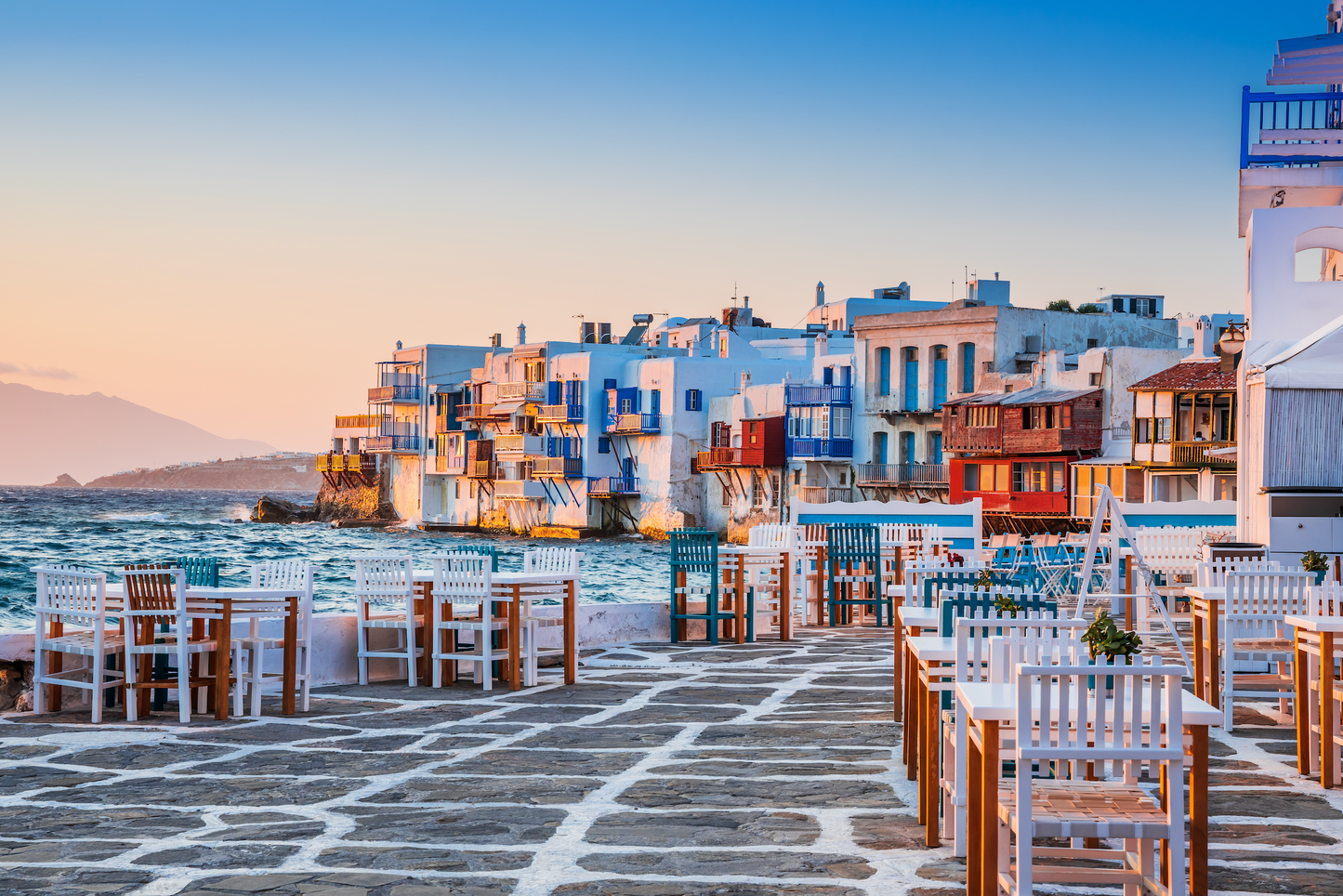
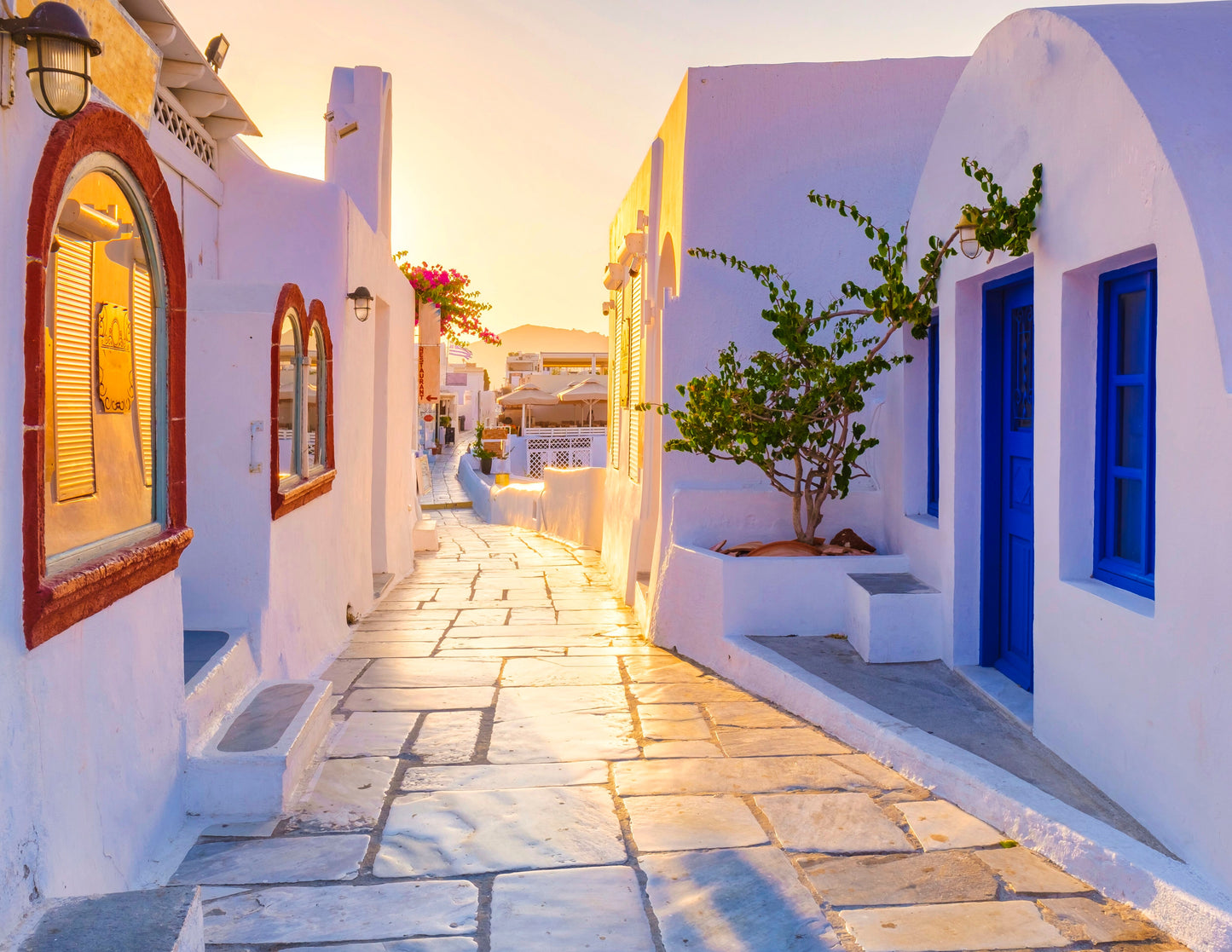
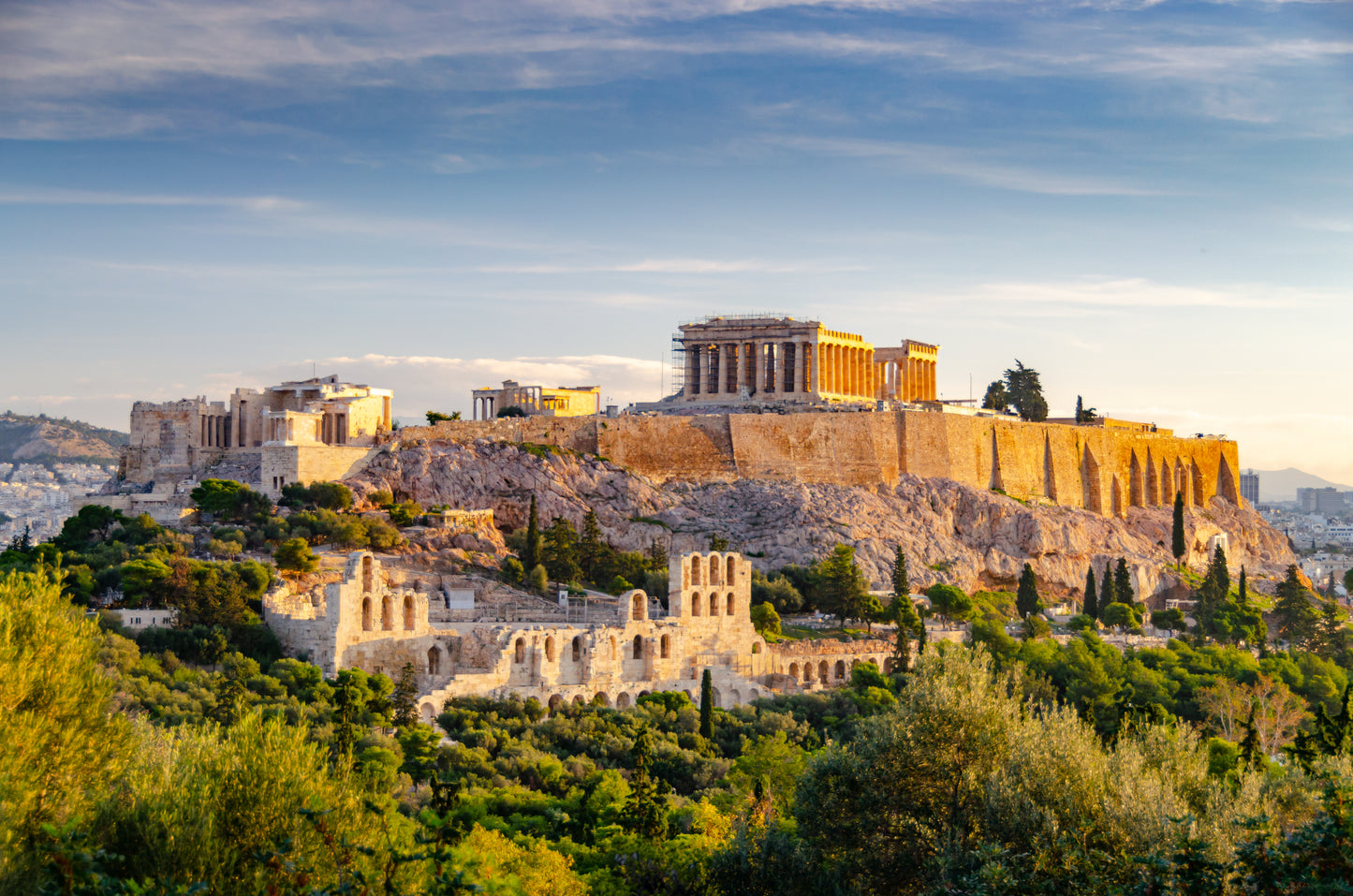
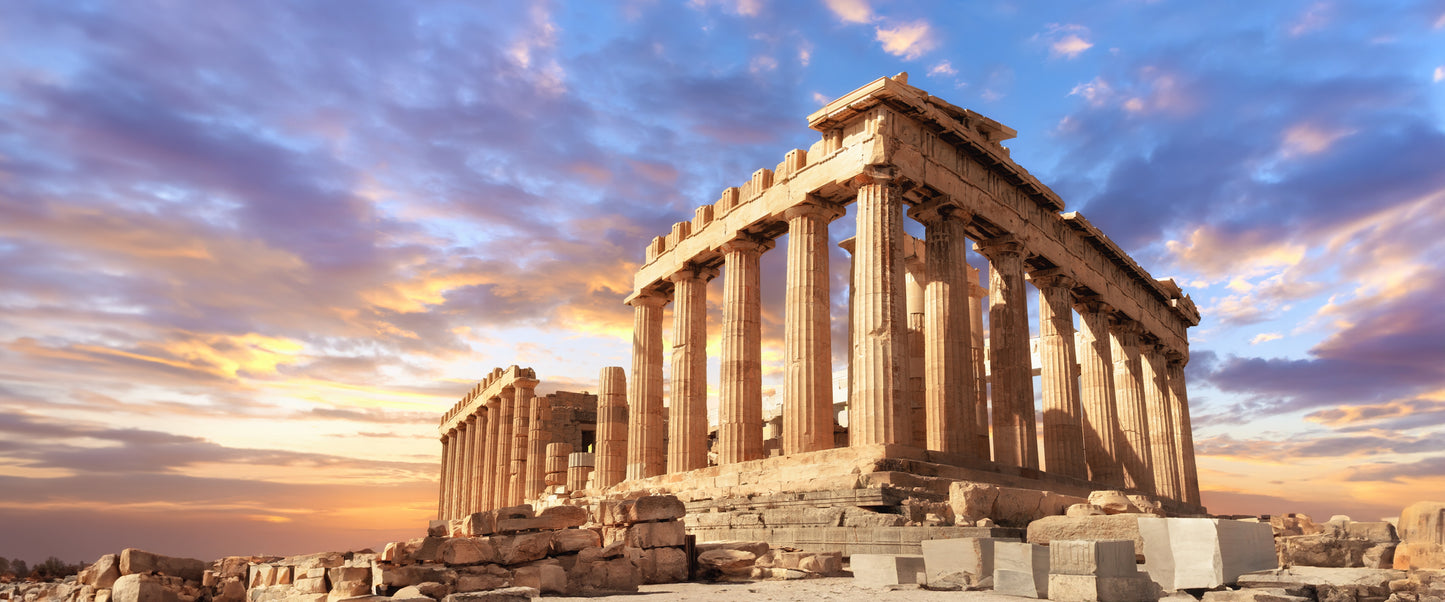
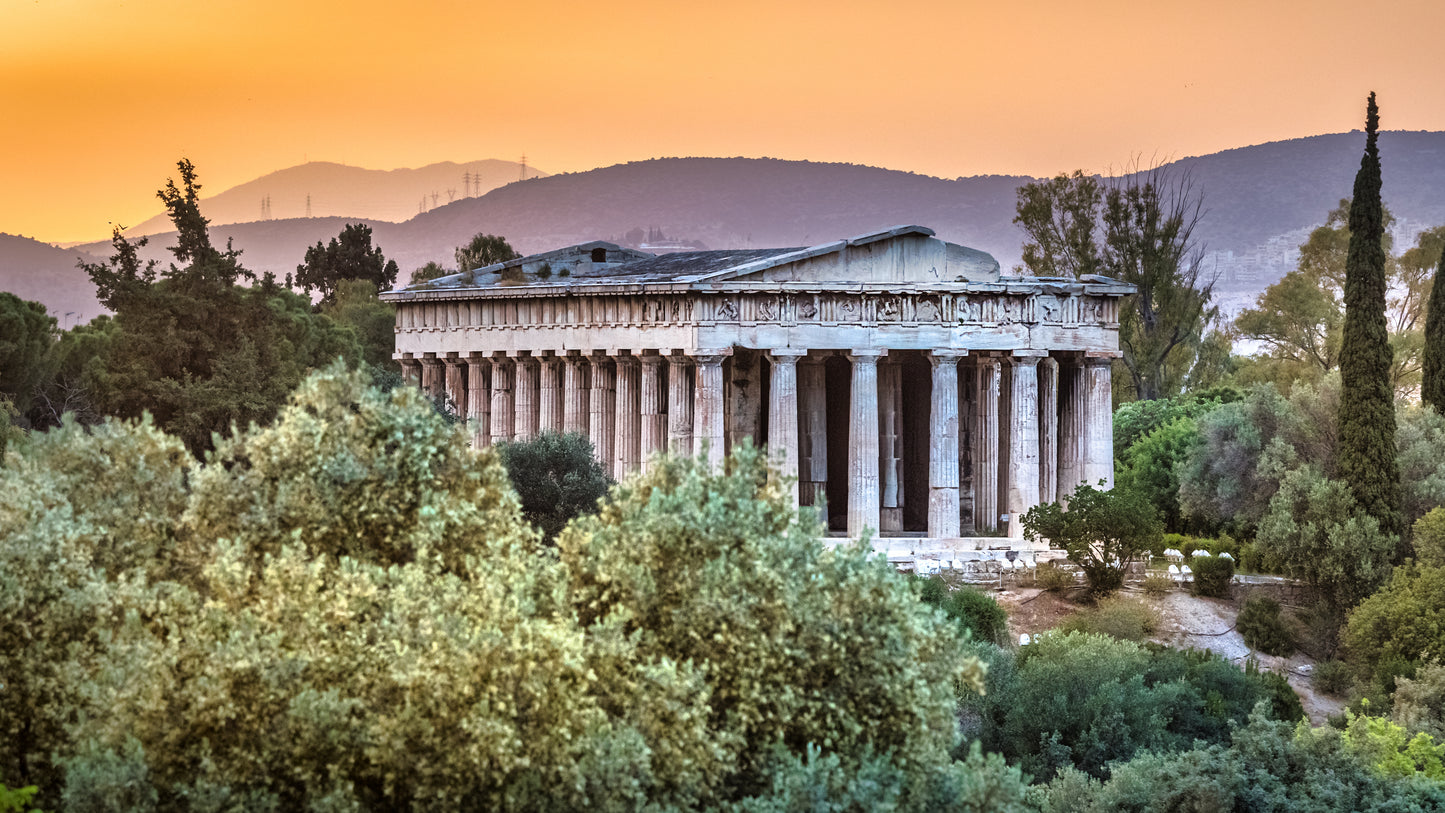
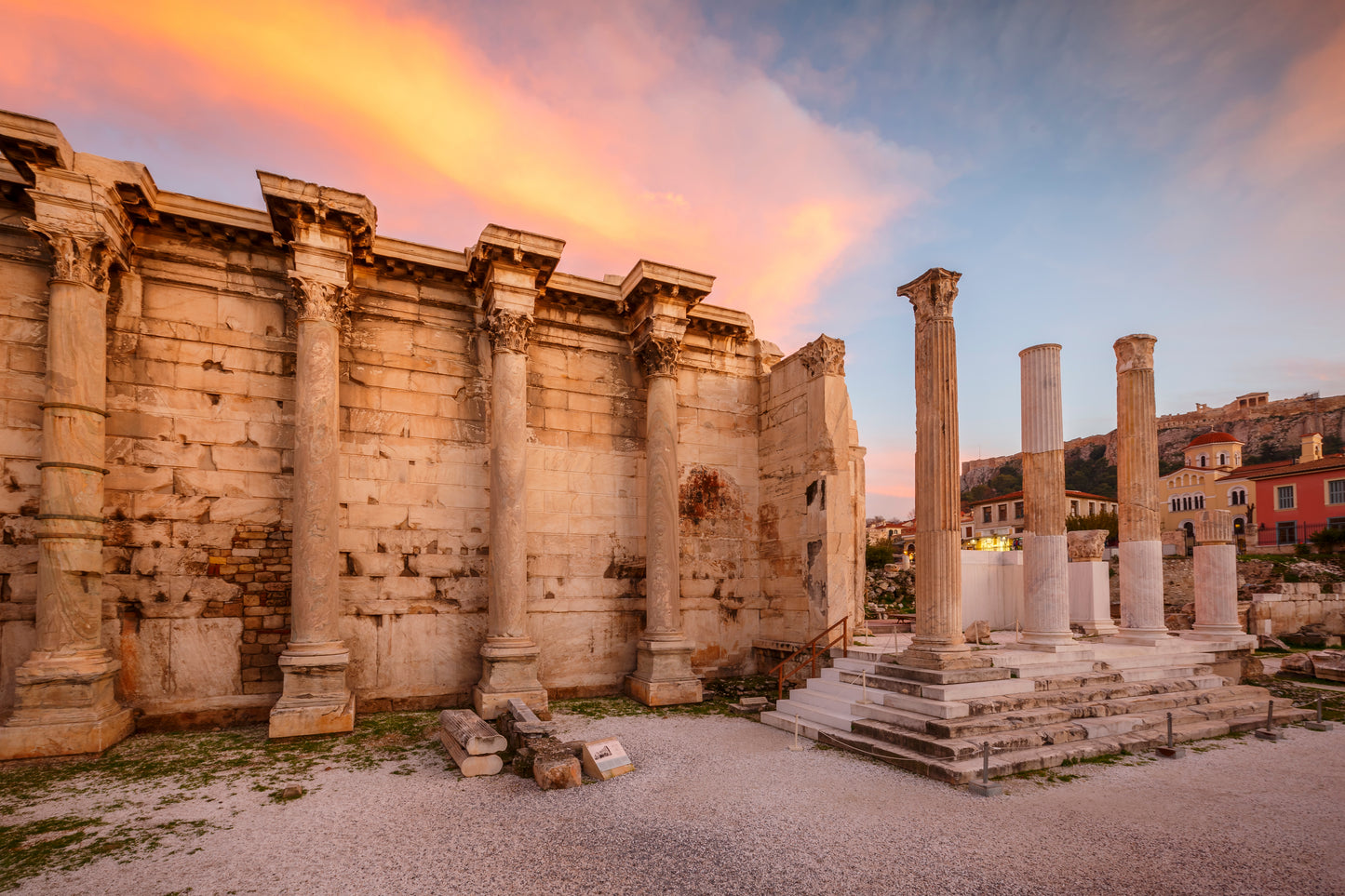
Greece
What current does Greece use and what equipment will I need?
Greece uses a 220V electrical system, while the U.S. operates on 110V. Many modern devices are dual-voltage, but you will still need a plug adapter to fit European-style outlets.
Do you have an idea of temperature and does it rain during the winter?
Winter weather can vary, some days are mild and sunny, while others are cooler with rain. Average temperatures are around 55°F, but warmer days in the 70s can occur. Freezing temperatures are rare except in mountainous areas, where snow is possible. Rain is more common in winter, while summers are typically very dry.
Is the water in Greece drinkable?
In most places, tap water is safe to drink. However, if you prefer filtered or bottled water, it is widely available. On some islands, the water may have a salty taste due to mineral content, so bottled water is often preferred. In cities like Athens, the tap water is high quality.
Are there in some hotels waste-baskets because you can't flush toilet-paper down the toilet?
Yes, this is common in many places, especially on the islands. Due to older plumbing systems and narrow pipes, toilet paper is often disposed of in bins instead of being flushed. In newer or higher-end hotels, especially in Athens, flushing may be allowed.
What is the currency?
Greece uses the euro as its official currency. It’s helpful to have some cash upon arrival, though ATMs are widely available and usually offer the best exchange rates.
Are credit cards widely accepted?
Cash is still very commonly used. While many hotels and larger businesses accept credit cards, smaller shops, restaurants, and rural areas may prefer cash. It’s a good idea to carry euros for everyday purchases.
What’s the weather like in Greece?
Greece has a Mediterranean climate with long, sunny periods. Summers are hot and dry, while winters are cooler and wetter. Average summer temperatures are around 79°F but can climb much higher, especially inland.
Is Greece safe?
Greece is considered a very safe travel destination. As with anywhere, take basic precautions such as watching your belongings in crowded areas and avoiding scams, particularly near busy transport hubs. Travel Insurance is always recommended. You can check here.
What is the food like in Greece?
Greek cuisine is fresh, flavorful, and based on high-quality ingredients. Popular dishes include tzatziki, olives, feta cheese, Greek salad, moussaka, and fresh seafood. Street food like souvlaki is a must-try, and traditional drinks like ouzo are commonly enjoyed.
Is the water safe to drink?
Tap water is safe in most cities and larger towns. However, on some islands and in smaller villages, bottled water is recommended. Be mindful of plastic use and recycle when possible.
What is the tipping culture in Greece?
Tipping is appreciated but not required. A tip of around 5%–15% is typical depending on the level of service. It’s best to give tips in cash directly to staff, as they may not receive tips added to credit card payments.
I don't speak Greek. Can I get around on my own?
Yes, English is widely spoken, especially in tourist areas and among younger people. Road signs in cities are often bilingual. Learning a few basic Greek phrases is appreciated and can enhance your experience.
What time zone is Greece in?
Greece operates on Eastern European Time (UTC+2) and observes daylight saving time (UTC+3) from late March to late October.
What kind of hours are restaurants open?
Dining times are later than in many countries. Lunch typically starts around 2 p.m., and dinner often begins after 9 p.m. Meals are social and can last several hours.
What essential items should I pack for a trip to Greece?
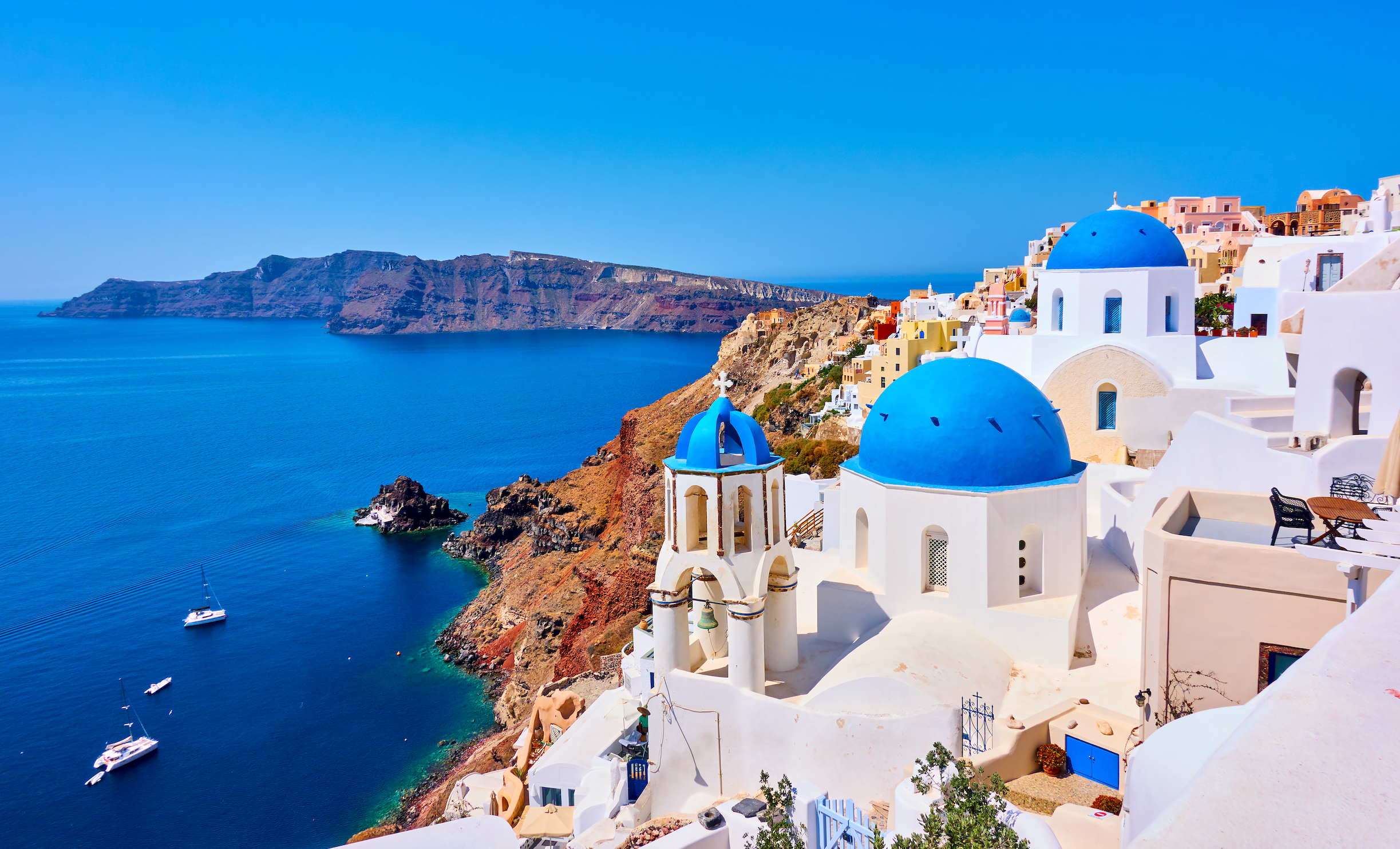
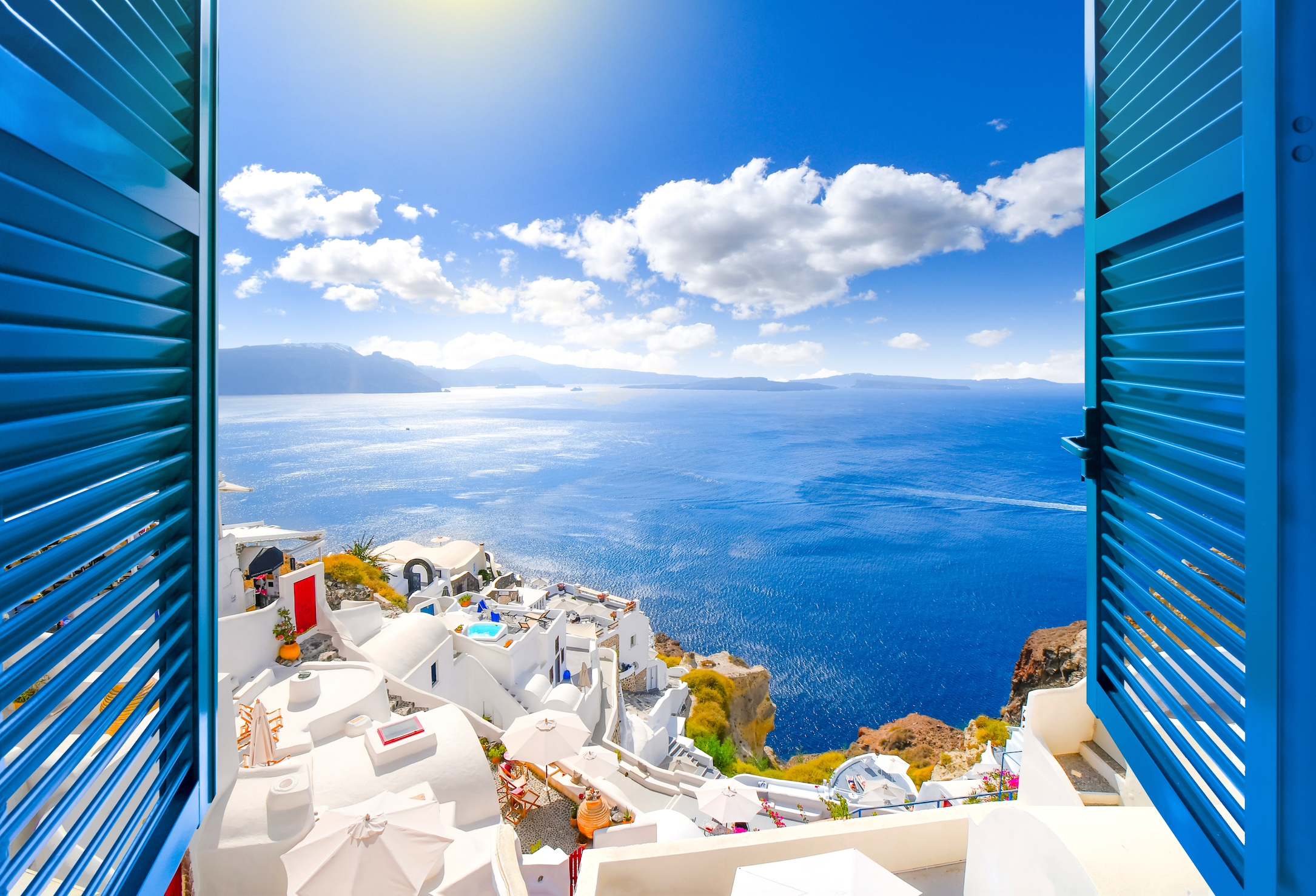
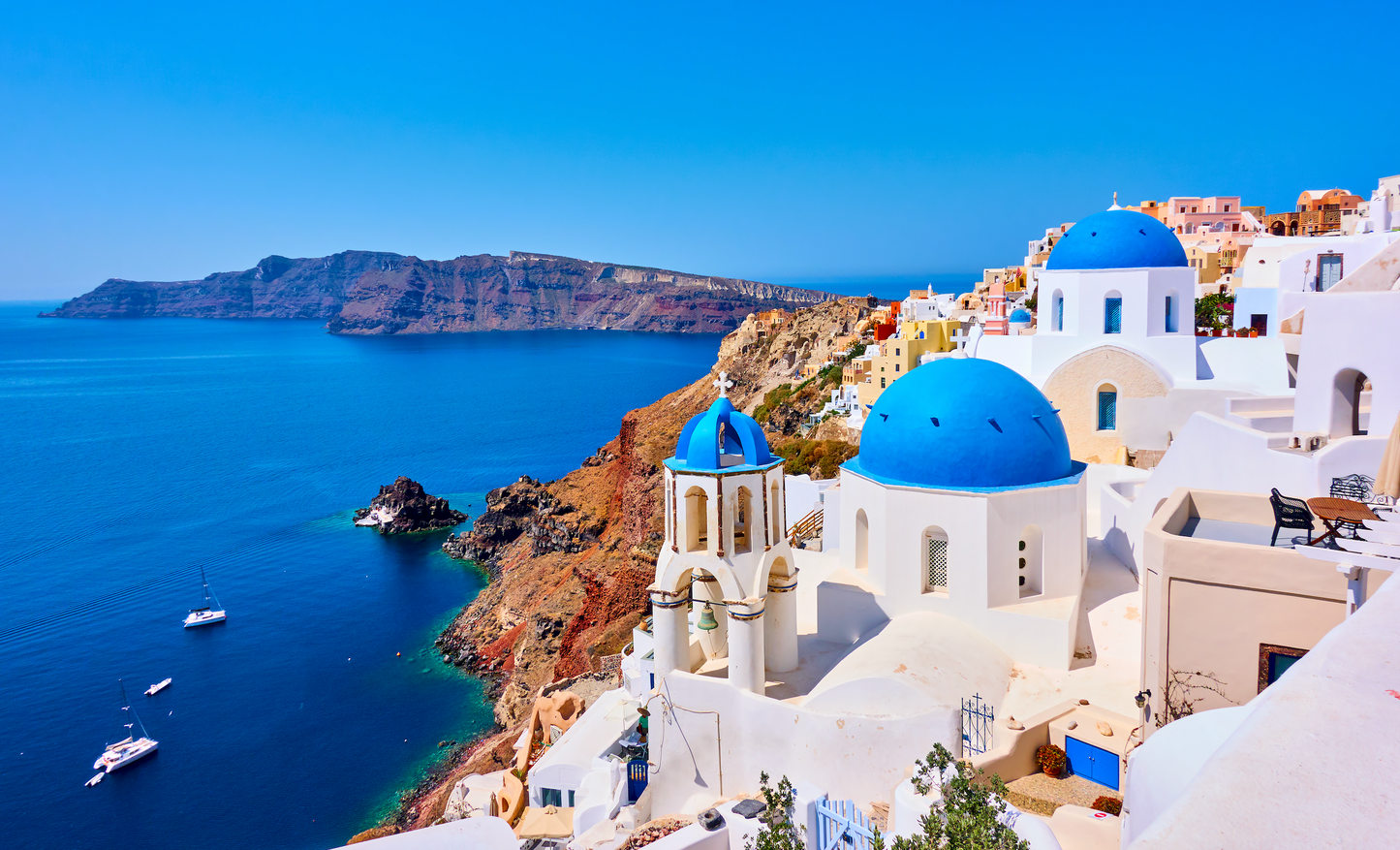
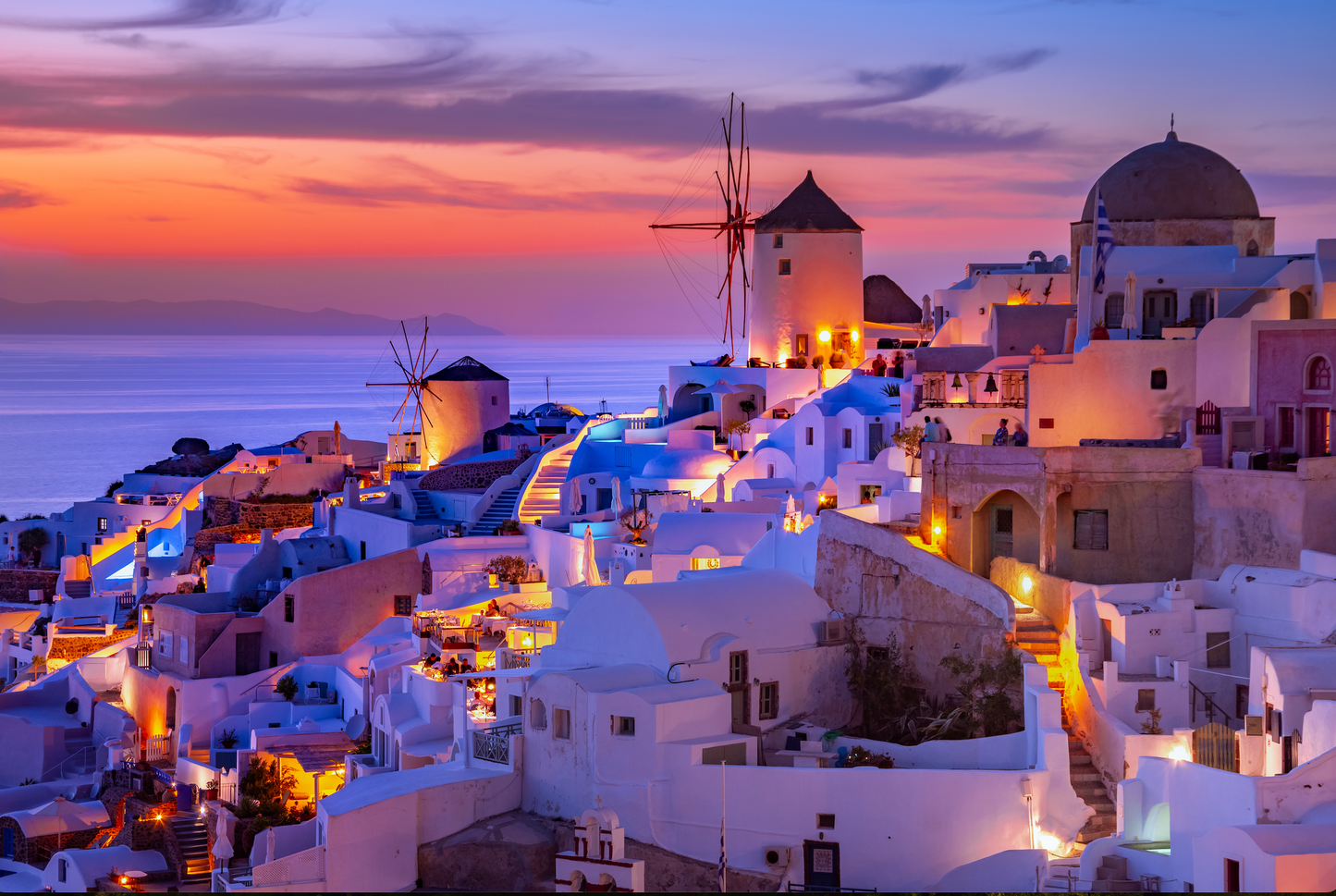
Bring comfortable walking shoes for uneven streets and historical sites, lightweight clothing, and sun protection. If visiting islands like Santorini, consider sturdy sandals or water shoes for rocky beaches.
How can I use my phone in Greece?
You can use an international roaming plan, purchase an eSIM before arrival, or buy a local SIM card once you land. Make sure your phone is unlocked and compatible.
What are the entry requirements?
Visitors from the U.S., Canada, and Australia need a valid passport but do not require a visa for stays under 90 days. Passports should be valid for at least three months beyond your departure date. It’s wise to carry copies of important documents. You can check requirements here.
How to deal with jet lag?
Stay hydrated, avoid heavy meals and alcohol, and adjust to the local schedule as soon as possible. Exposure to natural sunlight and light activity can help reset your internal clock.
What is the weather like?
Greece generally has warm, dry weather. The best time to visit is from May through October. Summer can be extremely hot and crowded, while spring and early fall offer more comfortable conditions. Islands tend to be slightly cooler than the mainland, and evenings may require a light jacket.
Paris
Is the water safe to drink?
Tap water in France is safe and widely drinkable. Some travelers prefer bottled water, which is readily available. Restaurants often offer still (sans gaz) or sparkling (avec gaz) options, and tap water is frequently served upon request.
What to do if you are in need of a restroom?
If necessary, cafés and brasseries are the most accessible option, though it is polite to make a small purchase. Public restrooms are available in metro stations and public spaces, but cleanliness varies. Some older facilities may be basic, and coin payment is sometimes required.
Is France safe?
France is generally safe for visitors, though petty theft and pickpocketing are common in busy tourist areas. Travelers should be cautious in crowded spaces, on public transport, and near major landmarks. It is best to carry only essential items and use hotel safes for valuables. Awareness and basic precautions significantly reduce risk. Travel Insurance is recommended, check here.
What is the weather like?
France has a mild, temperate climate, with variations depending on region. Spring and autumn are often considered ideal for travel due to comfortable temperatures and fewer crowds. Summers are warm and lively, while winters are cooler, especially in the north and mountainous areas. Some regions, like Provence, are warmer but can experience strong seasonal winds.
What is the internet like/cell phone use?
Internet access is widely available in cities through hotels, cafés, and public areas. Rural coverage may be less consistent. Mobile networks generally work well in populated areas, and most accommodations provide Wi-Fi for guests.
What charging plug is needed in France?
France uses 220V electricity with standard European two-pin round plug sockets. Travelers will need an adapter, and devices not designed for 220V may also require a voltage converter.
What is the currency?
The official currency is the Euro. ATMs are widely available across cities, airports, and towns, making it easy to withdraw cash. While cards are commonly accepted, having some cash on hand is still useful for smaller businesses.
Is tipping customary?
Service is usually included in restaurant bills, but small tips are appreciated for good service. Rounding up or leaving a few euros is common. Tipping for taxis, hotel staff, and tour guides is also customary but generally modest compared to other countries.
What is the Cuisine and Dining Culture of France?
French dining follows structured meal times, with lunch typically midday and dinner in the evening. Cafés, brasseries, and wine bars offer more casual options, while restaurants often focus on seasonal and local ingredients. Dining is seen as a social experience, and meals are often enjoyed at a relaxed pace.
What are the seasons like?
France experiences distinct seasons, with summer being the busiest travel period due to festivals and warm weather. Spring and fall are popular for sightseeing thanks to mild conditions and fewer crowds. Winter brings festive markets and skiing opportunities in alpine regions, making it attractive year-round depending on interests.
What are the Visa requirements?
France visa application requirements include a valid passport (issued within 10 years, valid 3+ months past return), completed application form, two ICAO-standard photos, and supporting documents based on trip purpose. You can check visa requirements here.