Japan
What is a ryokan (Japanese-style inn)? What is a futon bed?
A ryokan is a traditional Japanese inn featuring tatami (woven straw) flooring. Guests typically sleep on a futon, which is a padded mattress laid directly on the tatami floor. Some ryokan may offer Western-style beds upon request, but availability isn’t always guaranteed.
Are vegetarian or special meals available?
Yes, vegetarian and special dietary meals (including allergy-friendly options) can usually be arranged if requested in advance.
Where should I exchange currency?
You can exchange money at airports, hotels, and ATMs, but airports are often the most convenient option. If you plan to withdraw cash, ATMs at post offices and 7-Eleven stores are reliable choices. Be sure to check with your bank about any international fees before traveling.
Is the water safe to drink in Japan?
Yes, tap water in Japan is clean and safe to drink. Travel insurance is recommended however. You can check that here.
Can I enter an onsen (hot spring) wearing a swimsuit or towel?
No. Traditional onsen require guests to bathe nude—swimsuits and towels are not permitted in the water.
When is the best time of year to visit Japan?
Japan is a year-round destination, and the best time depends on your preferences. Each season offers something unique, so consider factors like weather, crowds, and seasonal events when planning your trip.
Is cherry blossom season worth it?
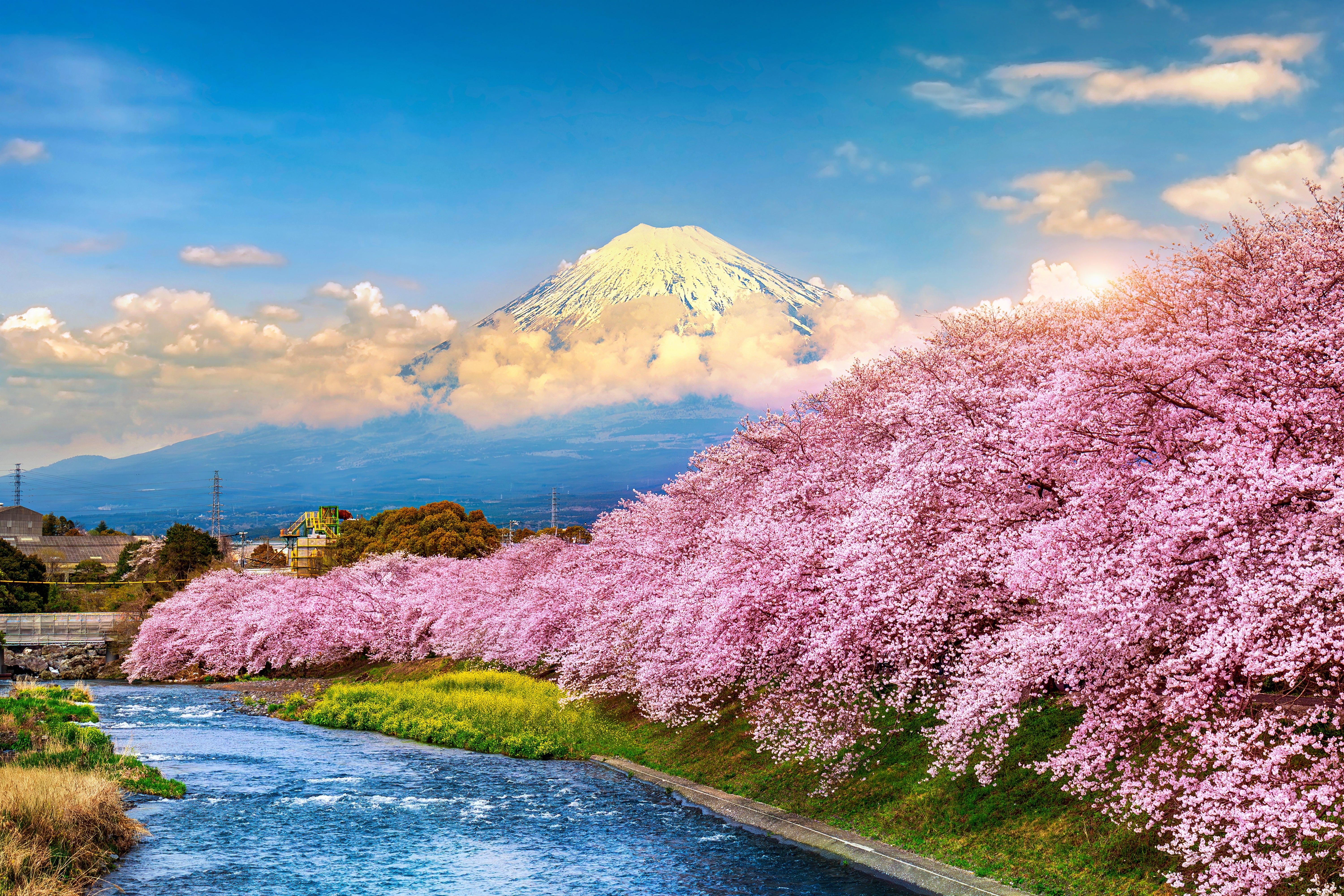
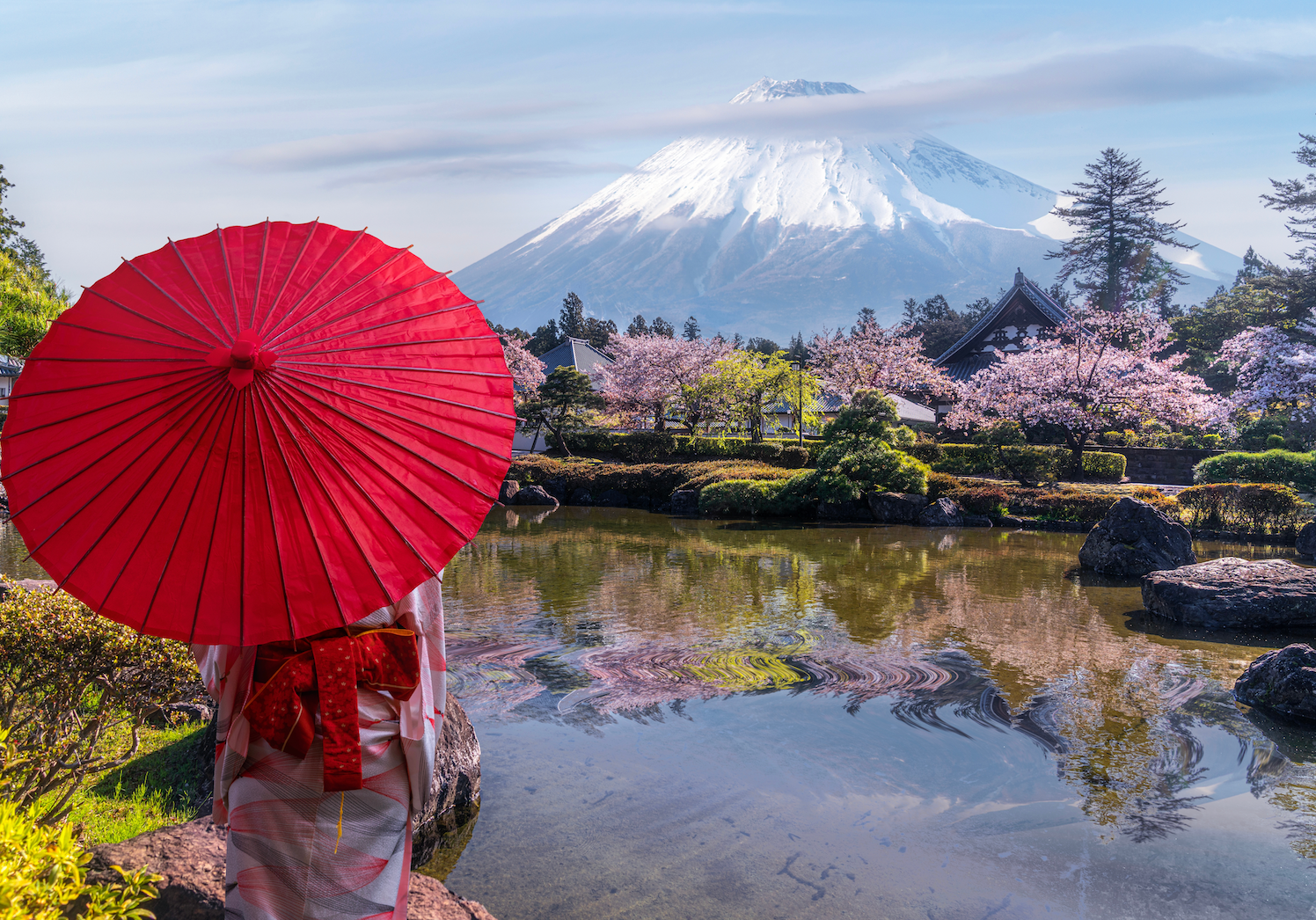
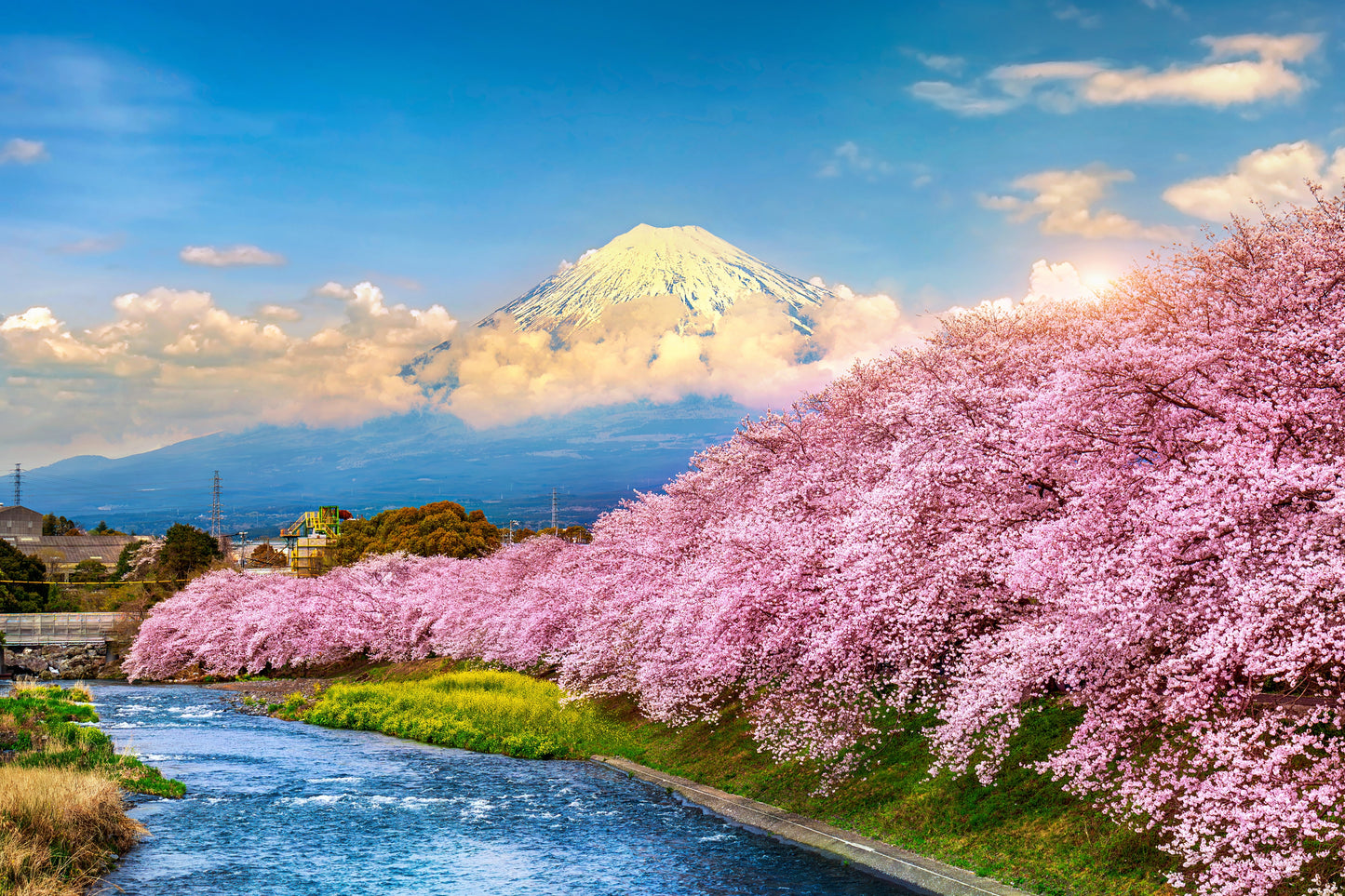
Yes! Cherry blossom (sakura) season—typically from late March to early April—is beautiful and culturally significant. However, it’s also one of the busiest and most crowded times to visit.
What about fall foliage?
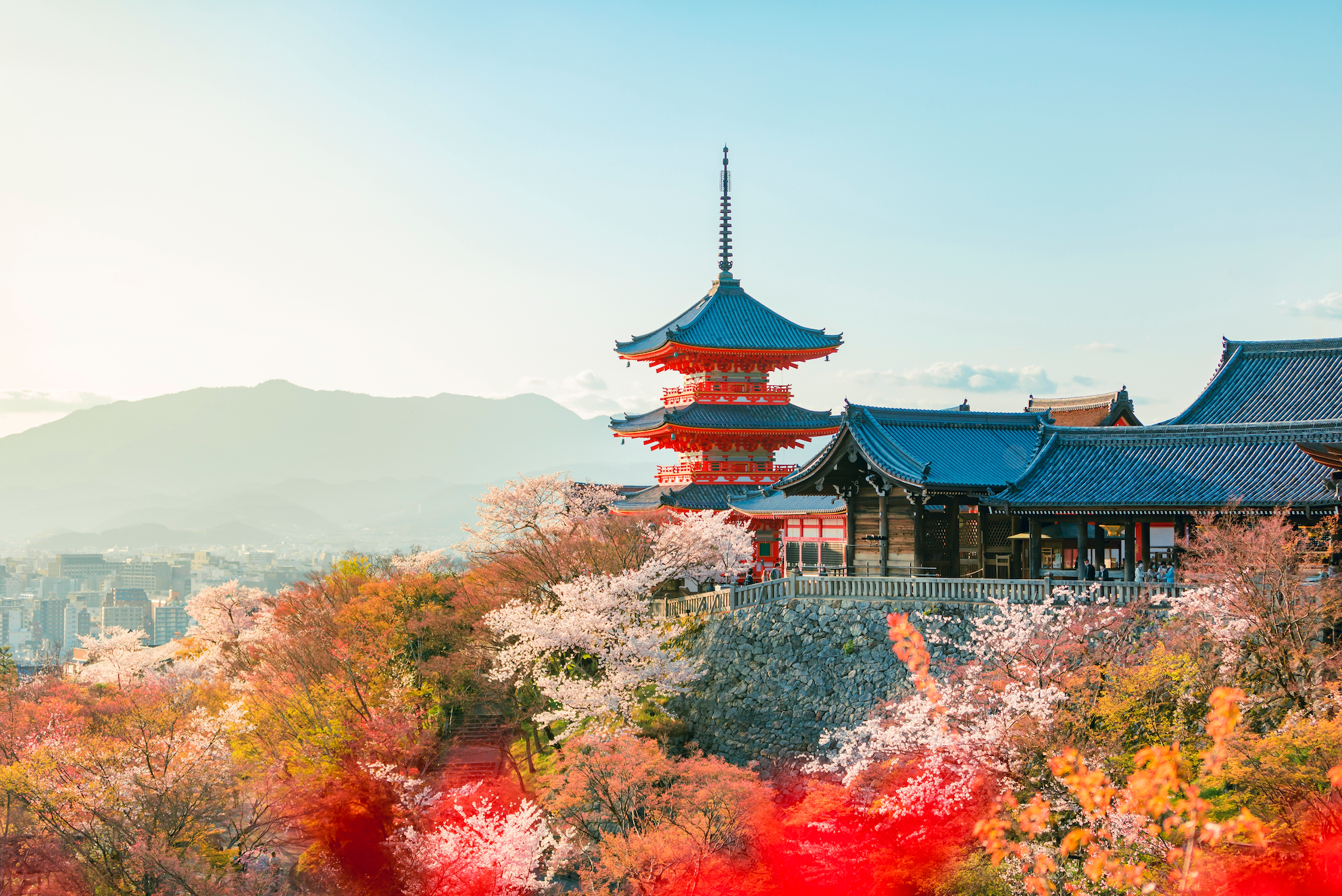
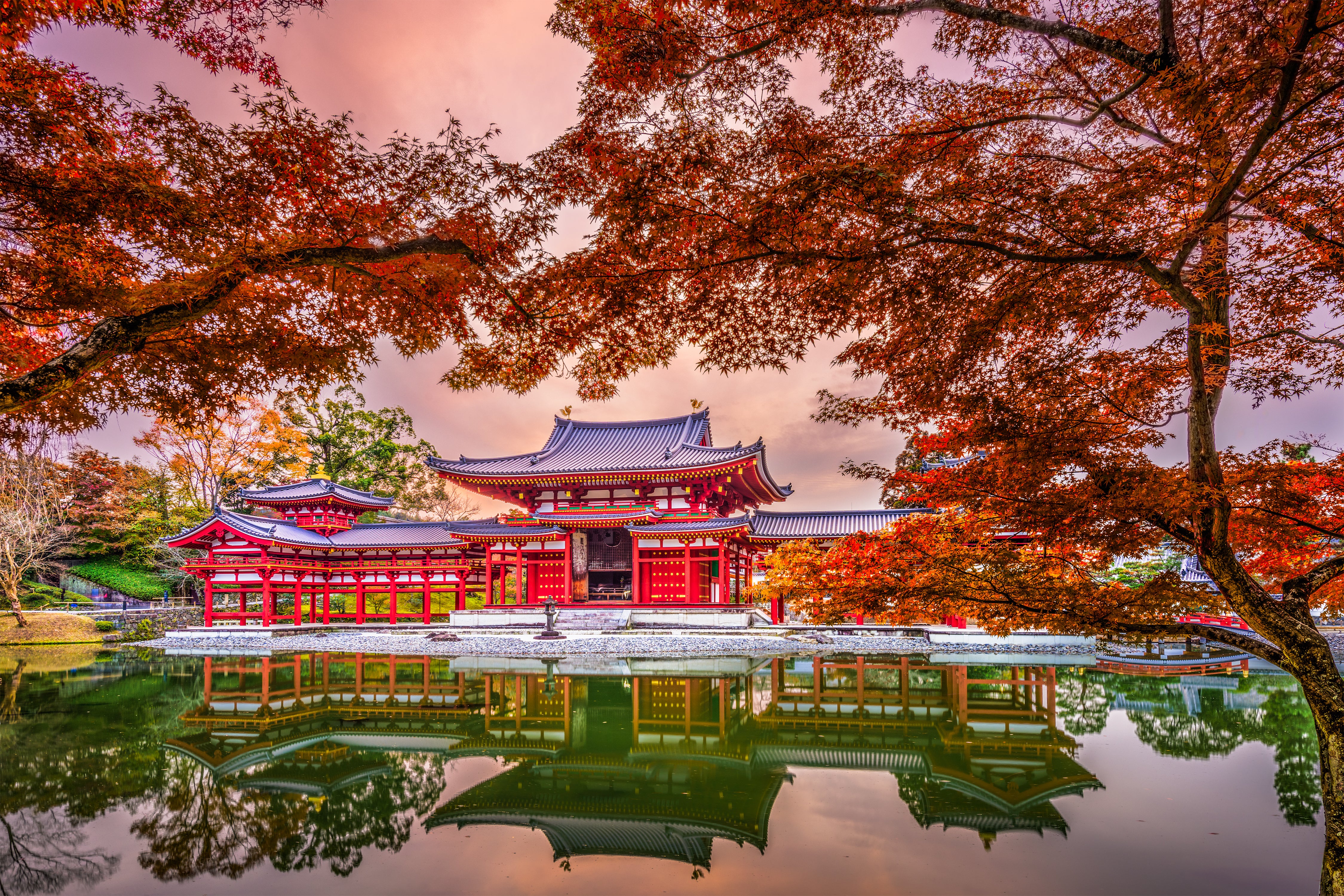
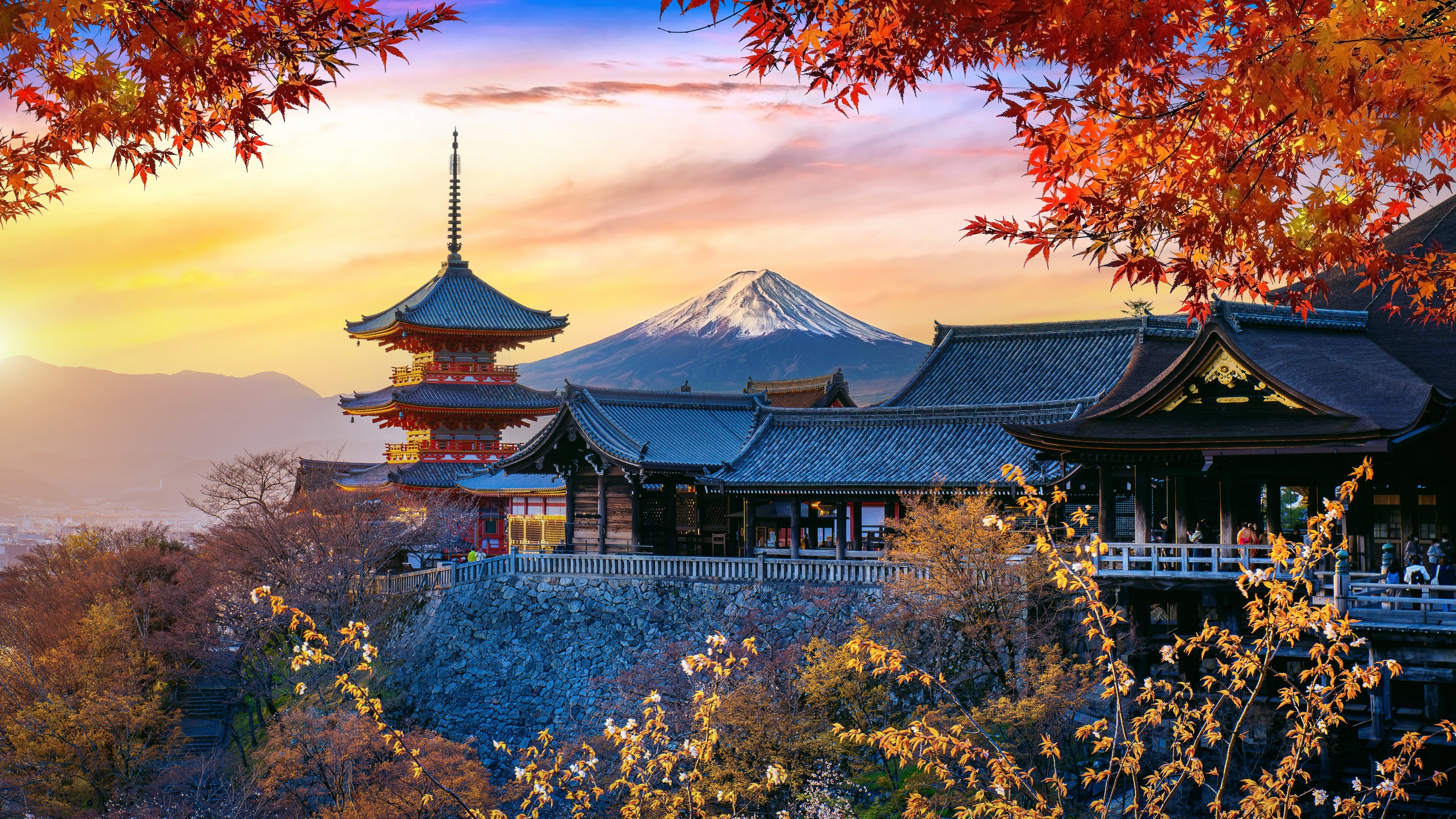
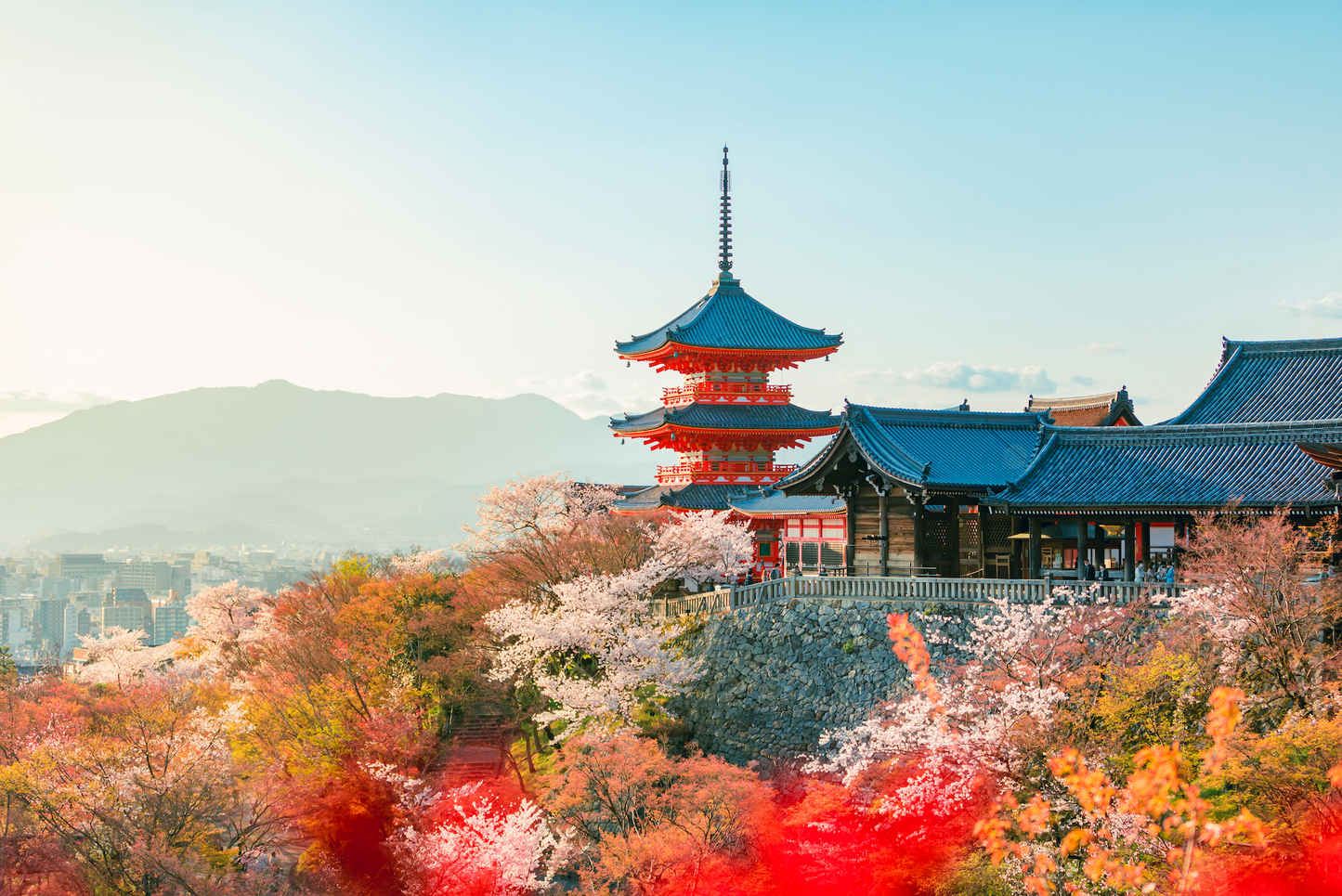
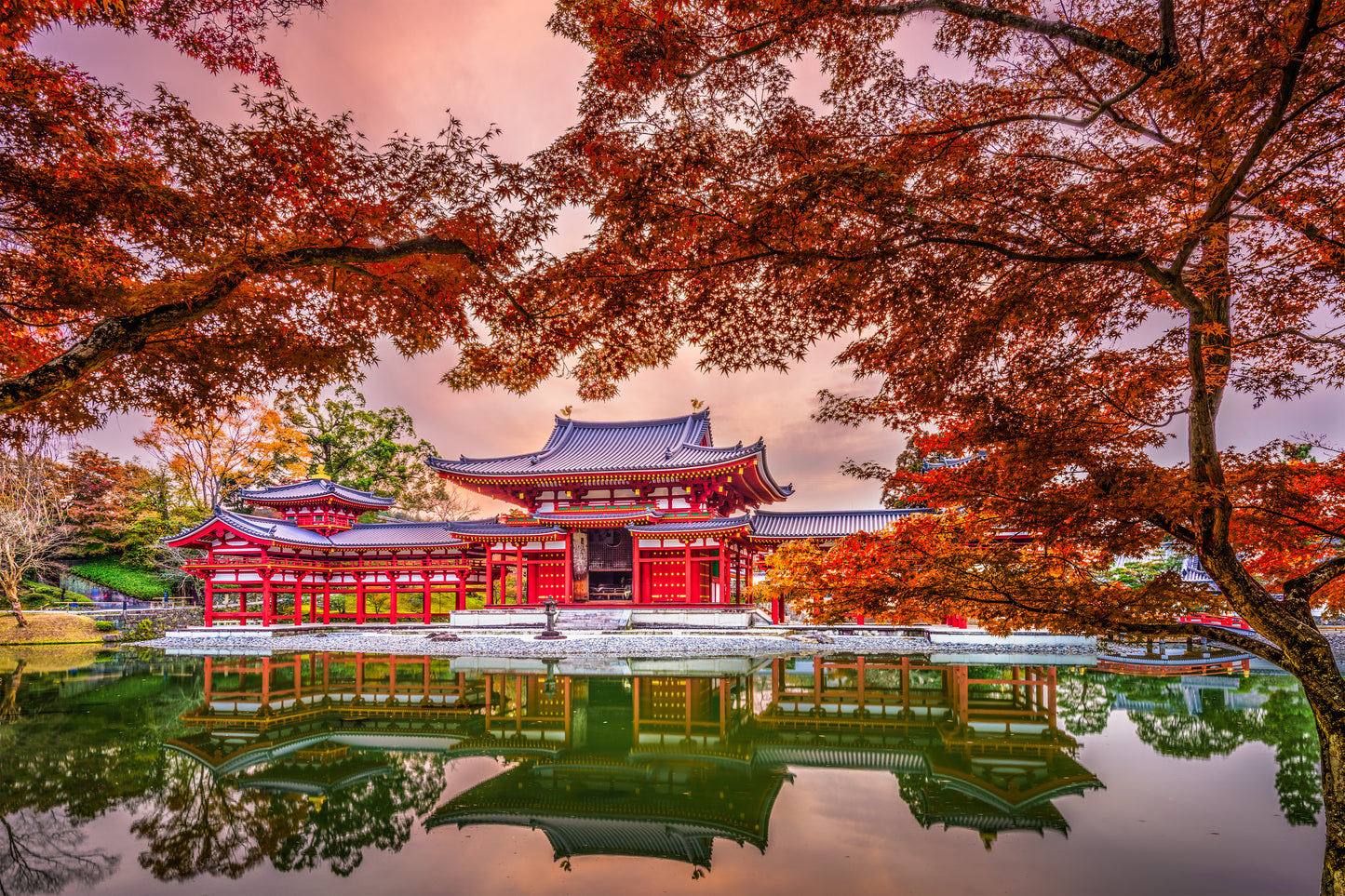
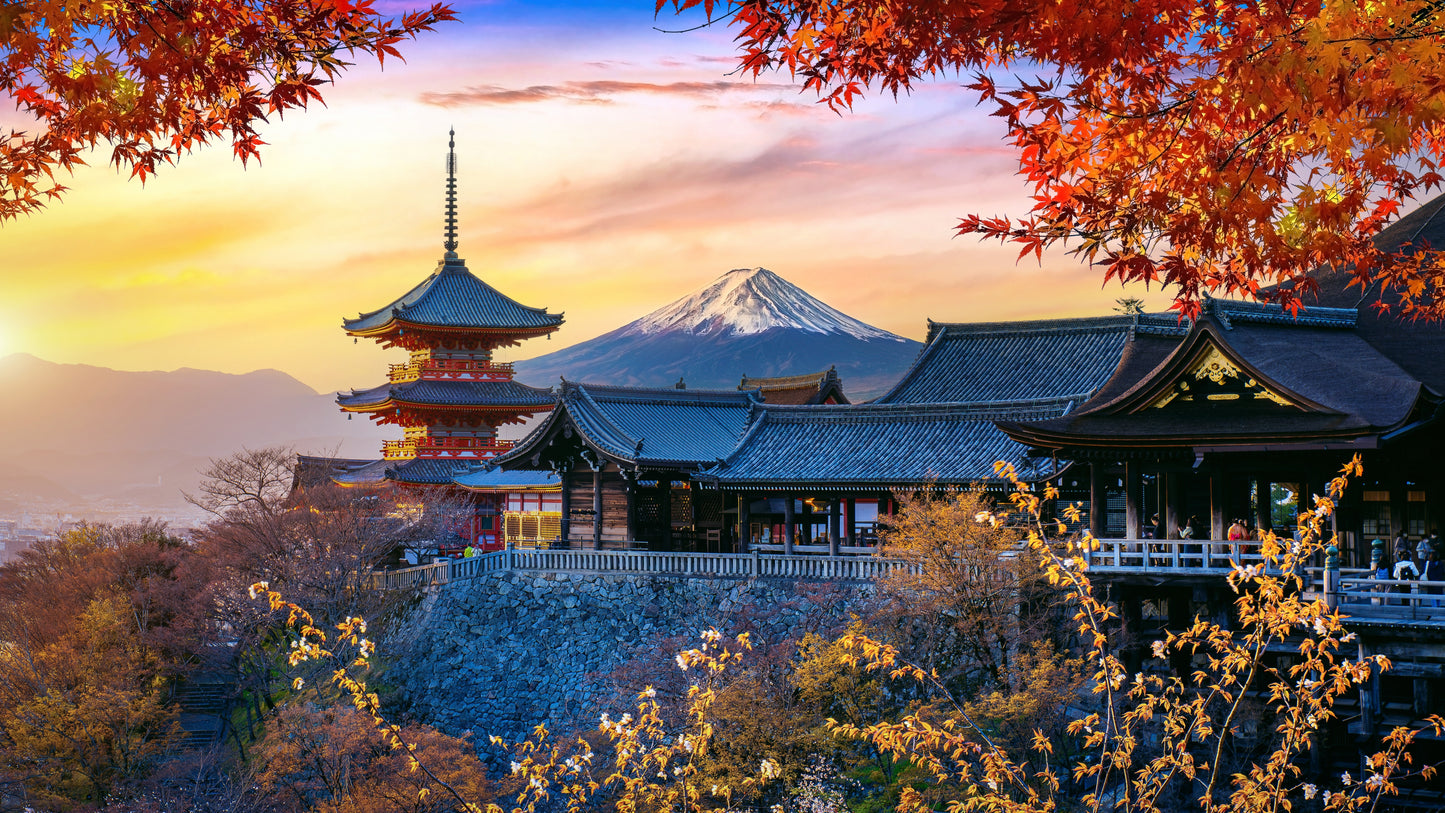
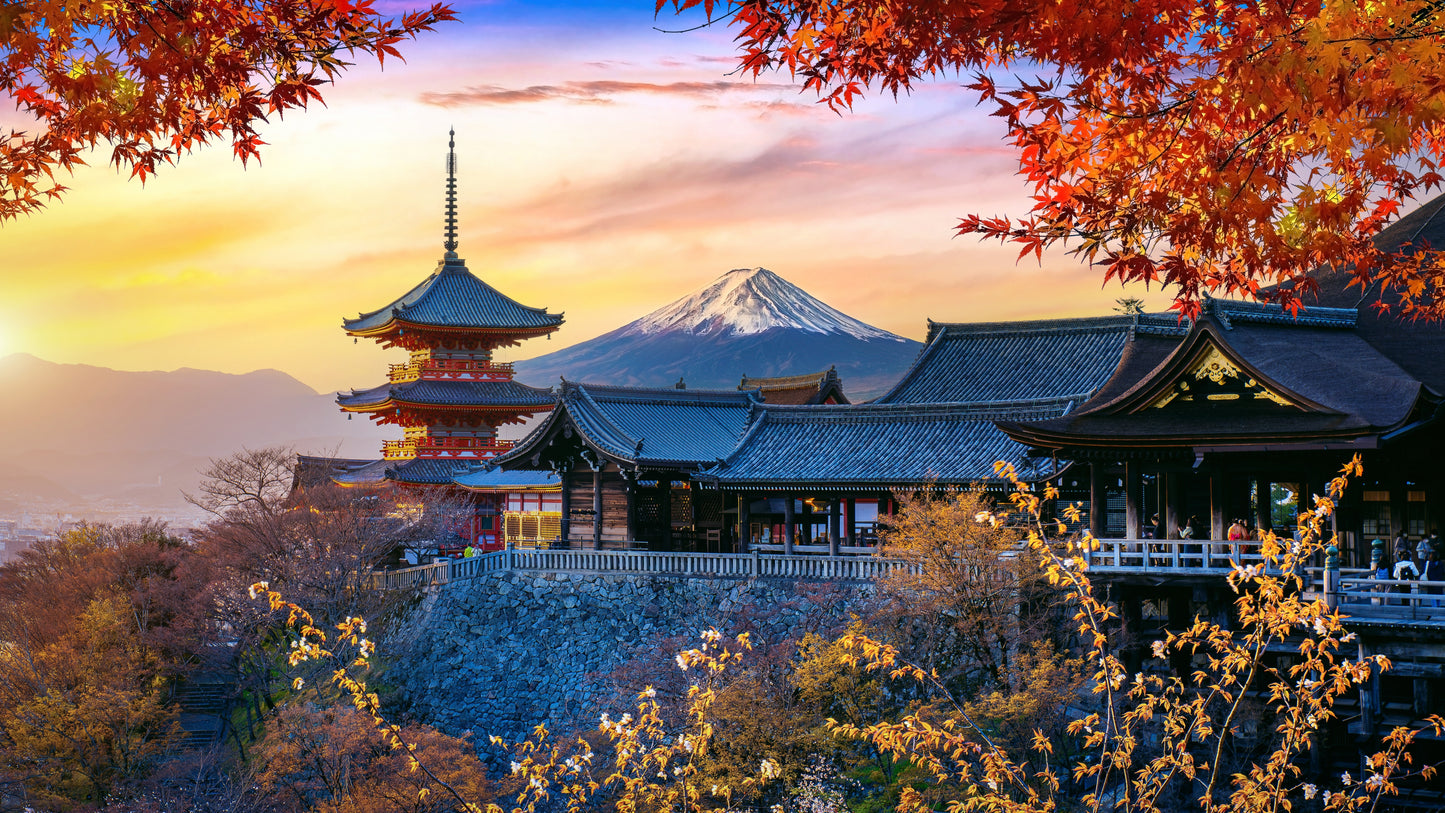
Autumn is another stunning time to visit, with vibrant fall colors and slightly fewer crowds than spring. It has become increasingly popular in recent years.
Should I avoid the rainy season, summer, or winter?
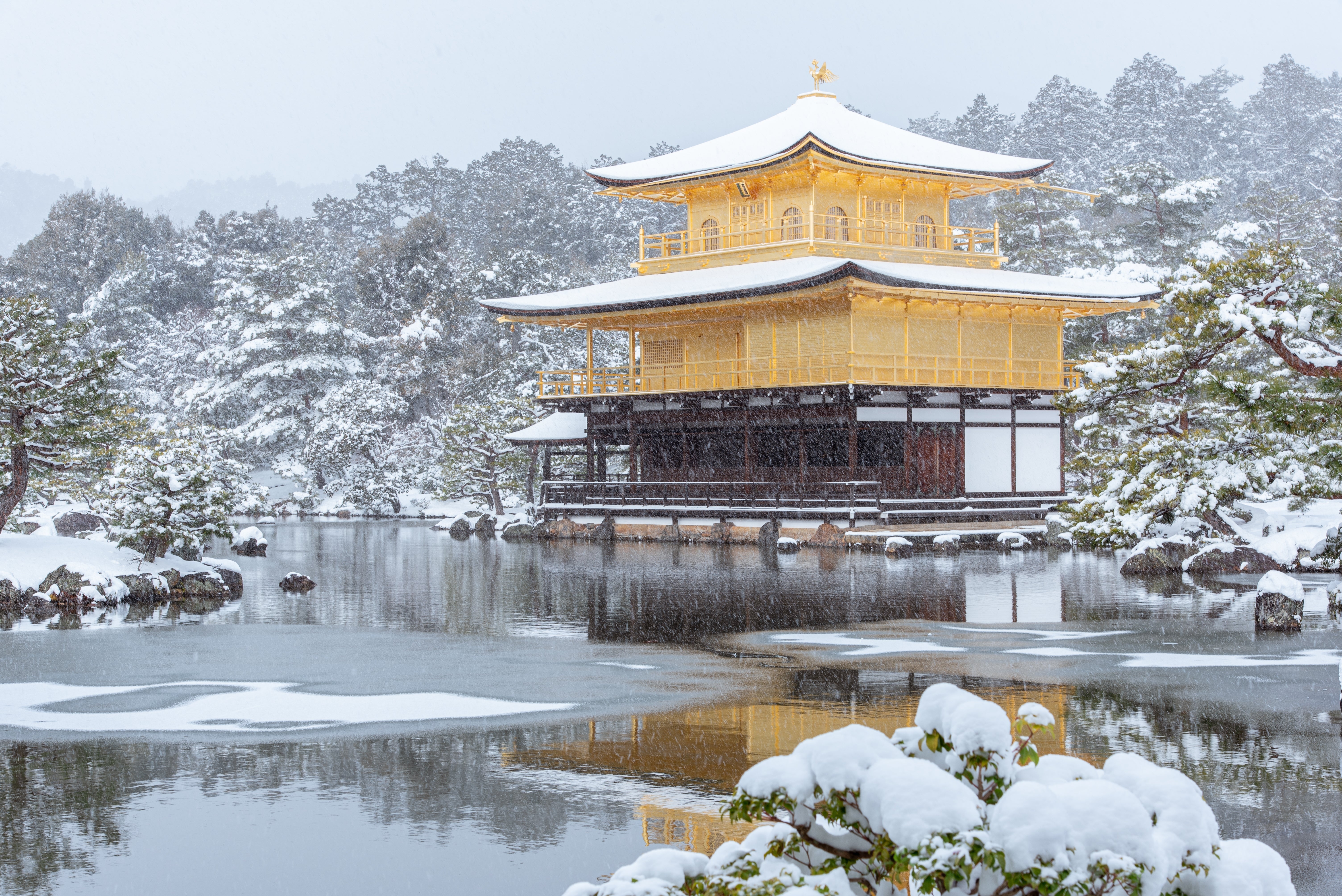
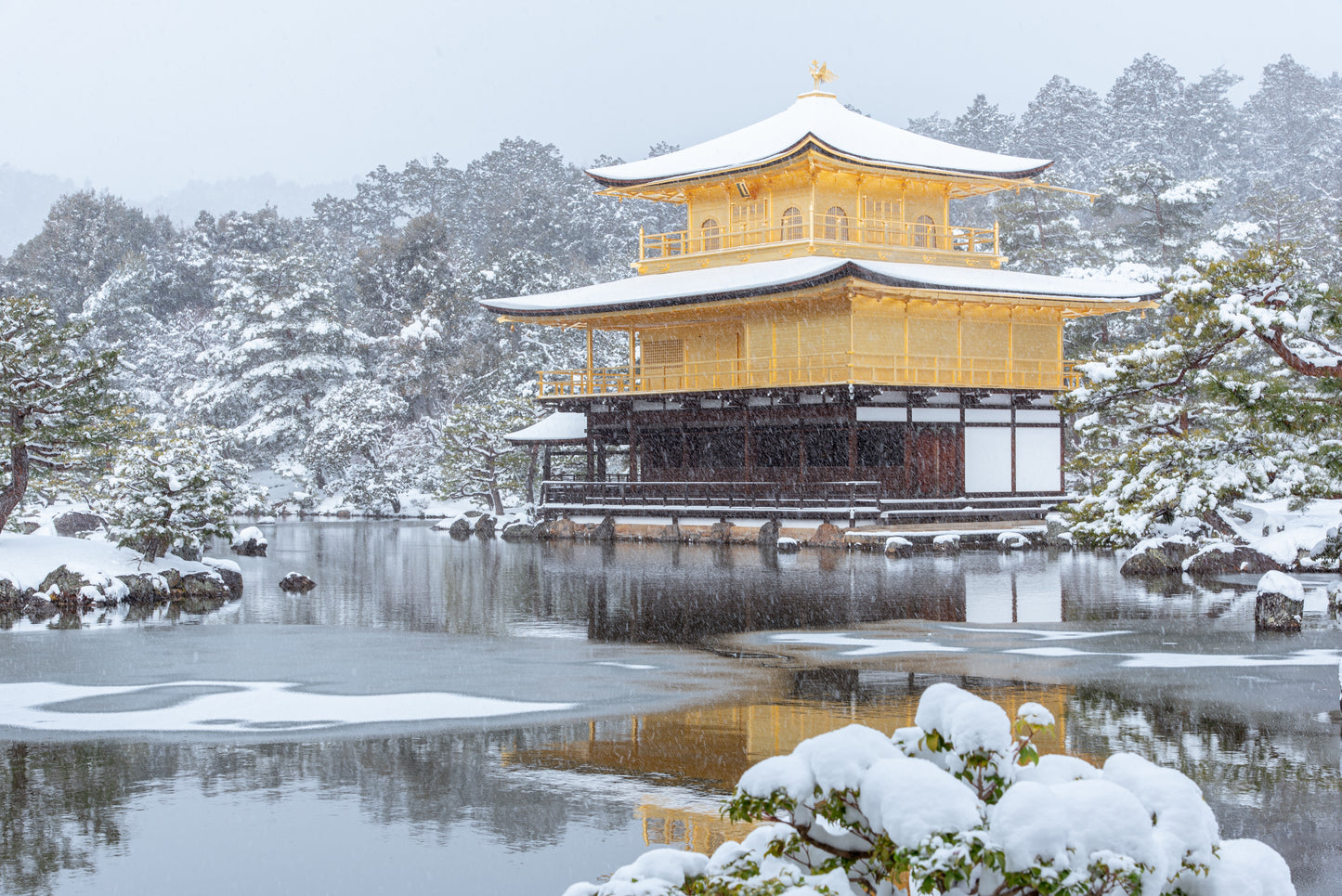
Not necessarily. Traveling in the off-season can mean fewer crowds. Early summer brings rain, summer can be hot and humid but lively with festivals, and winter offers excellent skiing along with peaceful sightseeing opportunities.
What are some of Japan’s best destinations?
“Best” depends on your interests, but Japan offers a wide variety of experiences—from modern cities to historic towns and natural retreats.
What are some interesting places to visit?
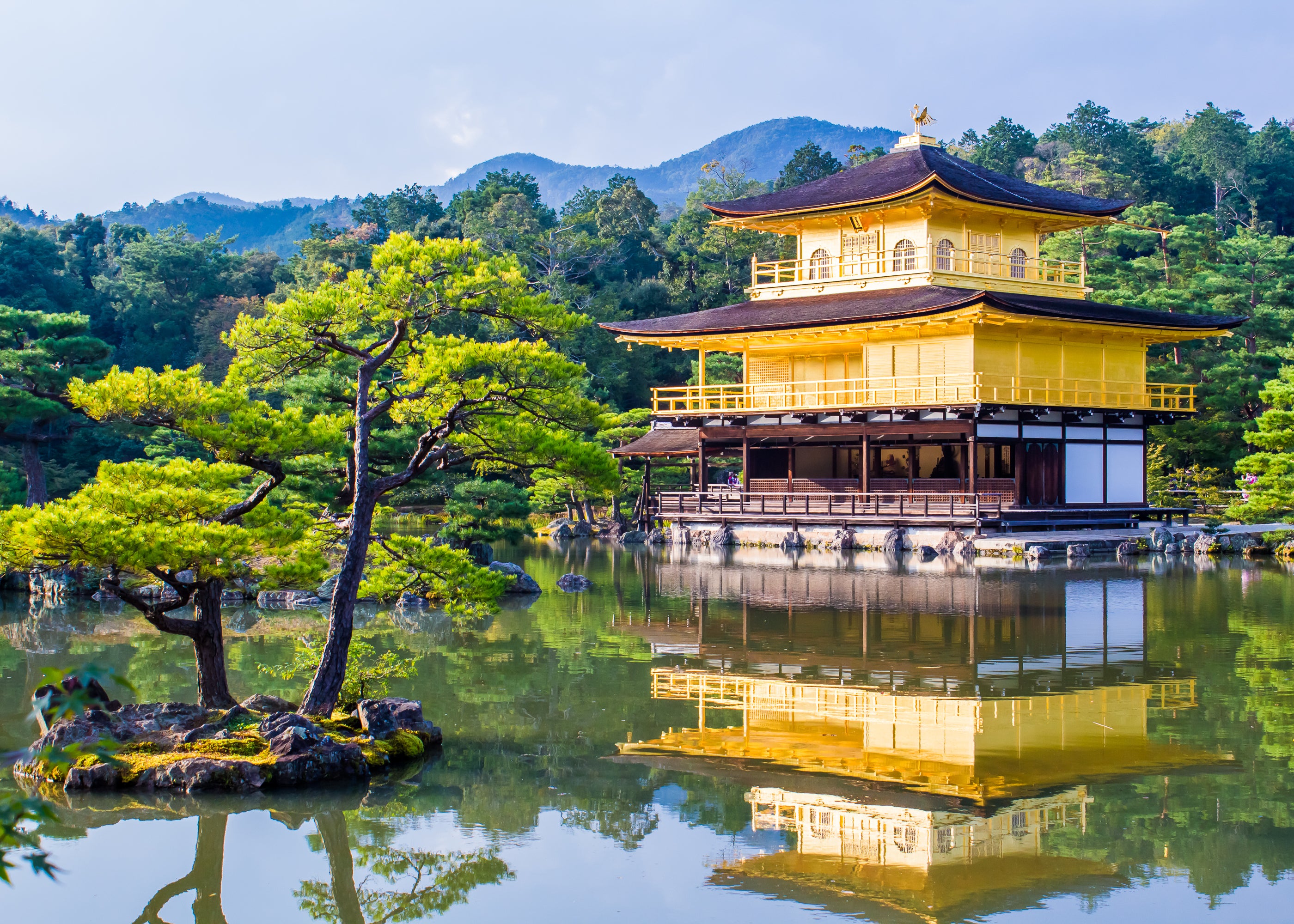
Cities like Osaka are known for their vibrant food culture and friendly locals, while Kyoto offers rich history and tradition. Kanazawa is famous for preserved districts and fresh seafood, and Mount Koya provides a unique spiritual experience with temple stays.
Where can I enjoy art and design?
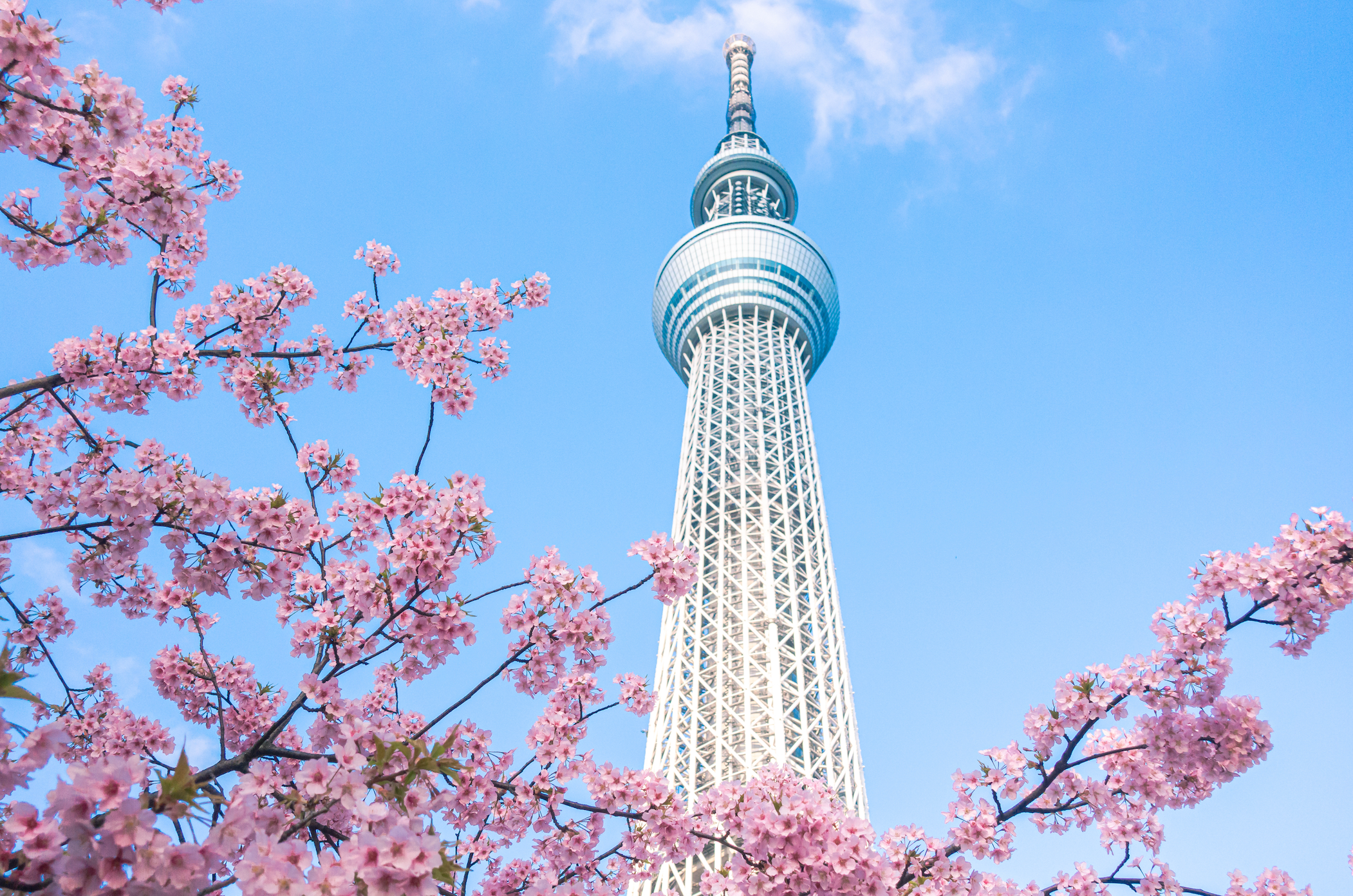
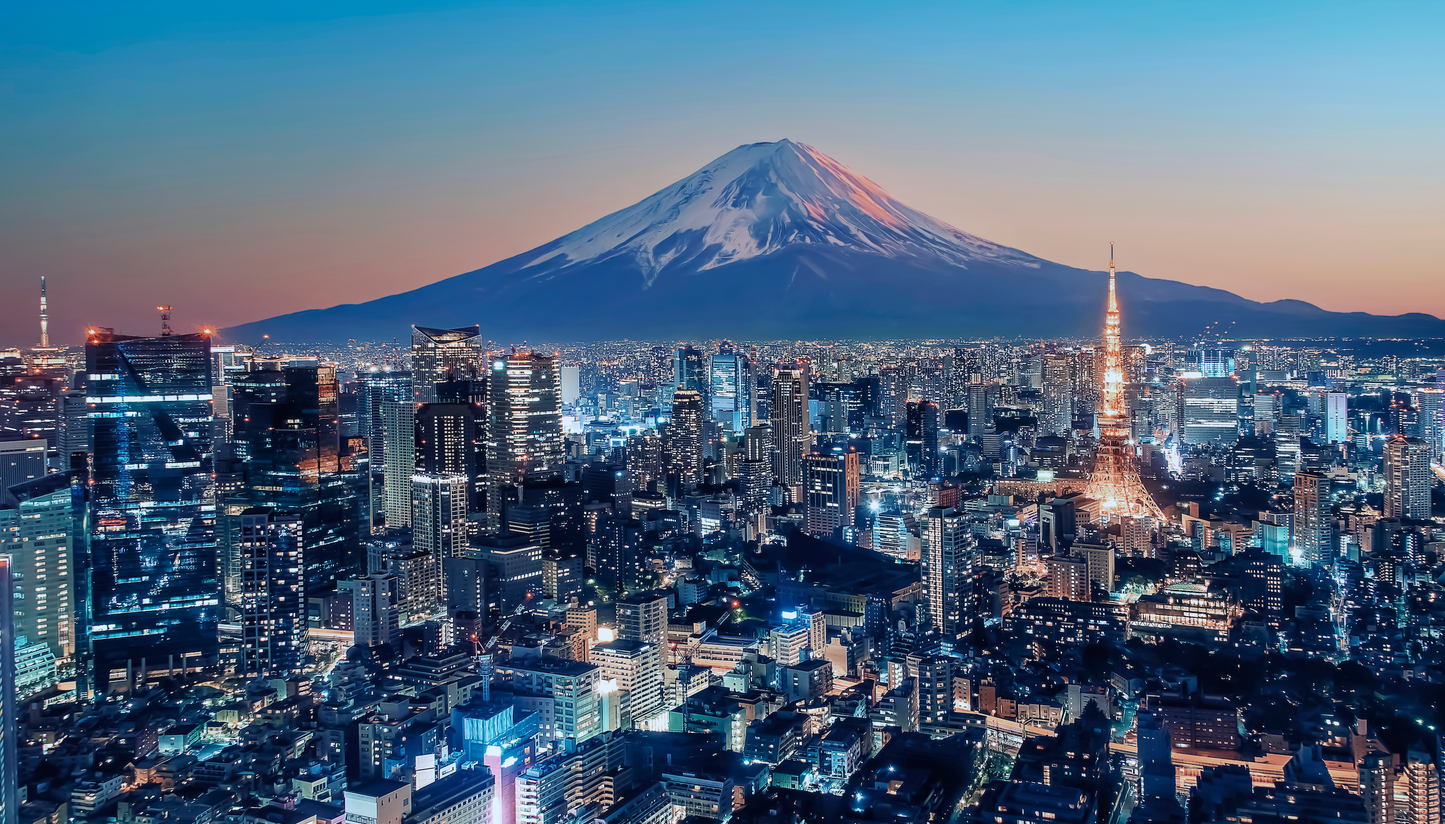
Tokyo is home to world-class museums and galleries. Art lovers should also consider Naoshima, an island known for contemporary art, and Onomichi, a creative coastal town with innovative design projects.
Do I need vaccinations to visit Japan?
No specific vaccinations are required for most travelers entering Japan.
Do I need a visa?
Many nationalities can enter Japan without a visa for short stays, while others will need to apply in advance. Check the requirements based on your country. You can check those requirements here.
Are credit cards widely accepted? Should I bring cash?
Major credit cards are accepted at most hotels, convenience stores, train stations, and many restaurants throughout Japan, but some smaller shops, local restaurants, temples, and rural businesses may still only accept cash. Many travelers also use reloadable IC cards like Suica or PASMO for trains, subways, vending machines, convenience stores, and small purchases. ATMs are widely available, especially at convenience stores and post offices, so it’s best to bring both a credit card and some yen for smaller purchases or cash-only locations.
Can I use my cell phone in Japan?
It depends on your carrier. Check compatibility and roaming fees before traveling. Alternatives include renting a phone, buying a SIM card, or using a pocket Wi-Fi device—available at major airports.
Will traveling be difficult without speaking Japanese?
Not necessarily. English is commonly understood in major cities and tourist areas, and transportation systems often include English signage. Basic gestures and a few key phrases can go a long way.
When is peak travel season?
Peak periods include New Year (late December to early January), Golden Week (late April to early May), and the Obon holiday in mid-August. During these times, prices rise and accommodations fill quickly.
What is a JR Pass, and how does it work?
The JR Pass is a cost-effective rail pass for foreign visitors, allowing unlimited travel on most Japan Rail (JR) trains, including many high-speed Shinkansen lines (excluding Nozomi). Passes must be purchased before arriving in Japan and activated once you’re there.
Can I use my phone and internet easily?
Check with your carrier beforehand. Many travelers choose eSIMs, local SIM cards, or pocket Wi-Fi for reliable internet access during their stay.
What are the Manners and etiquette?
Respect and politeness are central to Japanese culture. Remove your shoes when entering homes or places with tatami flooring, bow as a greeting, and be punctual. Follow local customs like keeping quiet on public transport, avoiding eating while walking, and taking your trash with you, as bins are limited.