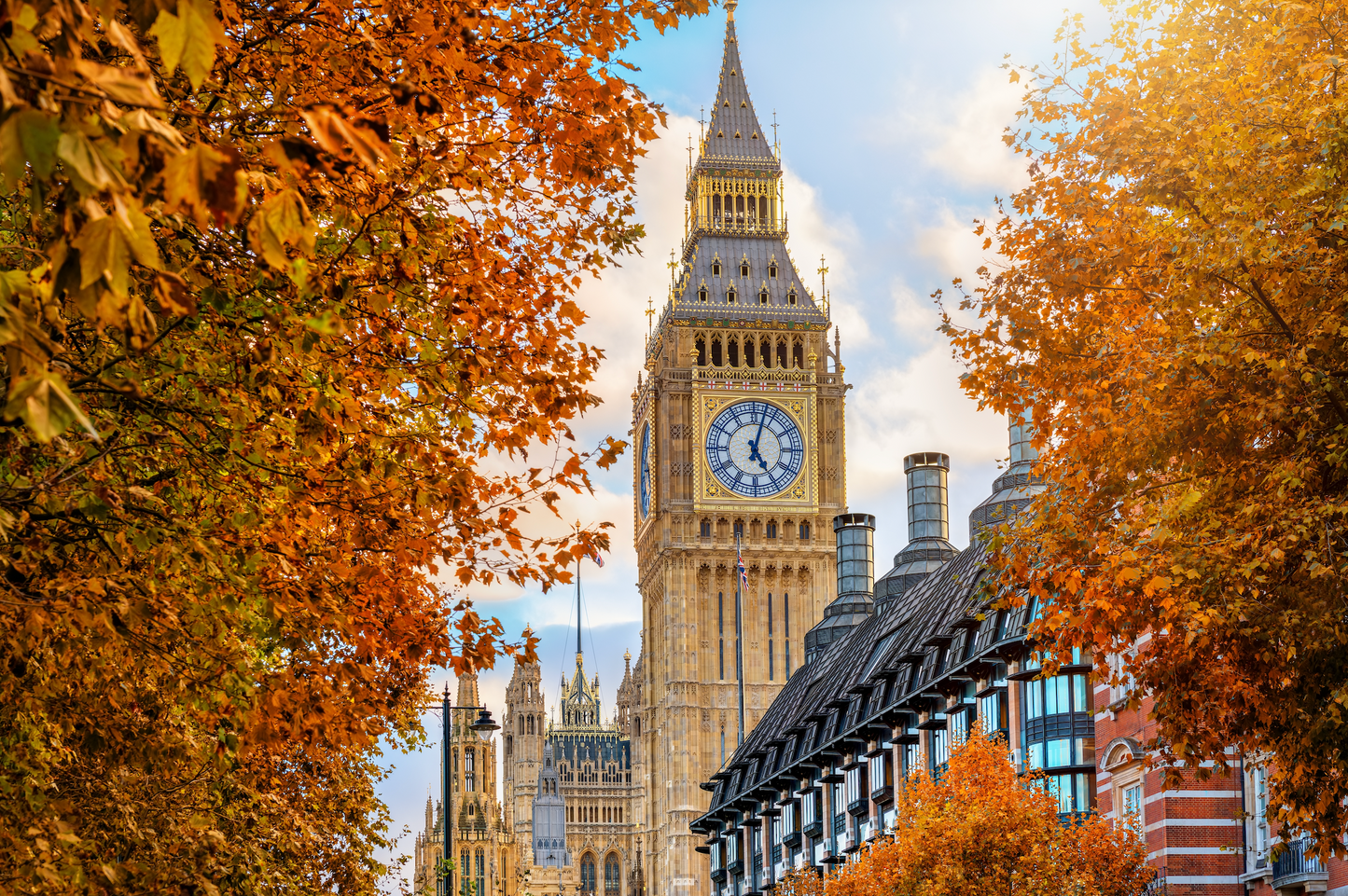
London
What is the official language in London?
English is the official language in London, and it is widely spoken by locals..
What is the typical food eaten in London?
Sunday roast with Yorkshire pudding, shepherds or cottage pie, fish and chips ( to be bought from a fish and chip shop, not a pub), full English breakfast and more!
What currency is used in London?
The official currency is the British Pound Sterling (£).
What are the main transportation options used in London?
The London Underground (Tube) is the most efficient way to get around. Buses, black cabs, and rideshare services like Uber are also popular. Walking and cycling are great for shorter distances.
Are there any tipping customs in London?
Tipping in London is optional but appreciated for good service. At restaurants, 10–12.5% is customary if service is not already included in the bill.
What kind of weather should I expect in London?
London has a temperate climate with mild winters and summers. Rain is common year-round, so packing an umbrella or waterproof jacket is a good idea.
Can I use public Wi-Fi in London?
Yes, public Wi-Fi is widely available in cafes, restaurants, and transportation hubs. Many parks and public spaces also offer free Wi-Fi.
Is travel insurance necessary?
It is recommended but not mandatory. Purchase travel insurance here
What are the Visa requirements when traveling to London?
Be sure to check personal Visa requirements here
France
Is the water safe to drink?
Tap water in France is safe and widely drinkable. Some travelers prefer bottled water, which is readily available. Restaurants often offer still (sans gaz) or sparkling (avec gaz) options, and tap water is frequently served upon request.
What to do if you are in need of a restroom?
If necessary, cafés and brasseries are the most accessible option, though it is polite to make a small purchase. Public restrooms are available in metro stations and public spaces, but cleanliness varies. Some older facilities may be basic, and coin payment is sometimes required.
Is France safe?
France is generally safe for visitors, though petty theft and pickpocketing are common in busy tourist areas. Travelers should be cautious in crowded spaces, on public transport, and near major landmarks. It is best to carry only essential items and use hotel safes for valuables. Awareness and basic precautions significantly reduce risk. Travel Insurance is recommended, check here.
What is the weather like?
France has a mild, temperate climate, with variations depending on region. Spring and autumn are often considered ideal for travel due to comfortable temperatures and fewer crowds. Summers are warm and lively, while winters are cooler, especially in the north and mountainous areas. Some regions, like Provence, are warmer but can experience strong seasonal winds.
What is the internet like/cell phone use?
Internet access is widely available in cities through hotels, cafés, and public areas. Rural coverage may be less consistent. Mobile networks generally work well in populated areas, and most accommodations provide Wi-Fi for guests.
What charging plug is needed in France?
France uses 220V electricity with standard European two-pin round plug sockets. Travelers will need an adapter, and devices not designed for 220V may also require a voltage converter.
What is the currency?
The official currency is the Euro. ATMs are widely available across cities, airports, and towns, making it easy to withdraw cash. While cards are commonly accepted, having some cash on hand is still useful for smaller businesses.
Is tipping customary?
Service is usually included in restaurant bills, but small tips are appreciated for good service. Rounding up or leaving a few euros is common. Tipping for taxis, hotel staff, and tour guides is also customary but generally modest compared to other countries.
What is the Cuisine and Dining Culture of France?
French dining follows structured meal times, with lunch typically midday and dinner in the evening. Cafés, brasseries, and wine bars offer more casual options, while restaurants often focus on seasonal and local ingredients. Dining is seen as a social experience, and meals are often enjoyed at a relaxed pace.
What are the seasons like?
France experiences distinct seasons, with summer being the busiest travel period due to festivals and warm weather. Spring and fall are popular for sightseeing thanks to mild conditions and fewer crowds. Winter brings festive markets and skiing opportunities in alpine regions, making it attractive year-round depending on interests.
What are the Visa requirements?
France visa application requirements include a valid passport (issued within 10 years, valid 3+ months past return), completed application form, two ICAO-standard photos, and supporting documents based on trip purpose. You can check visa requirements here.