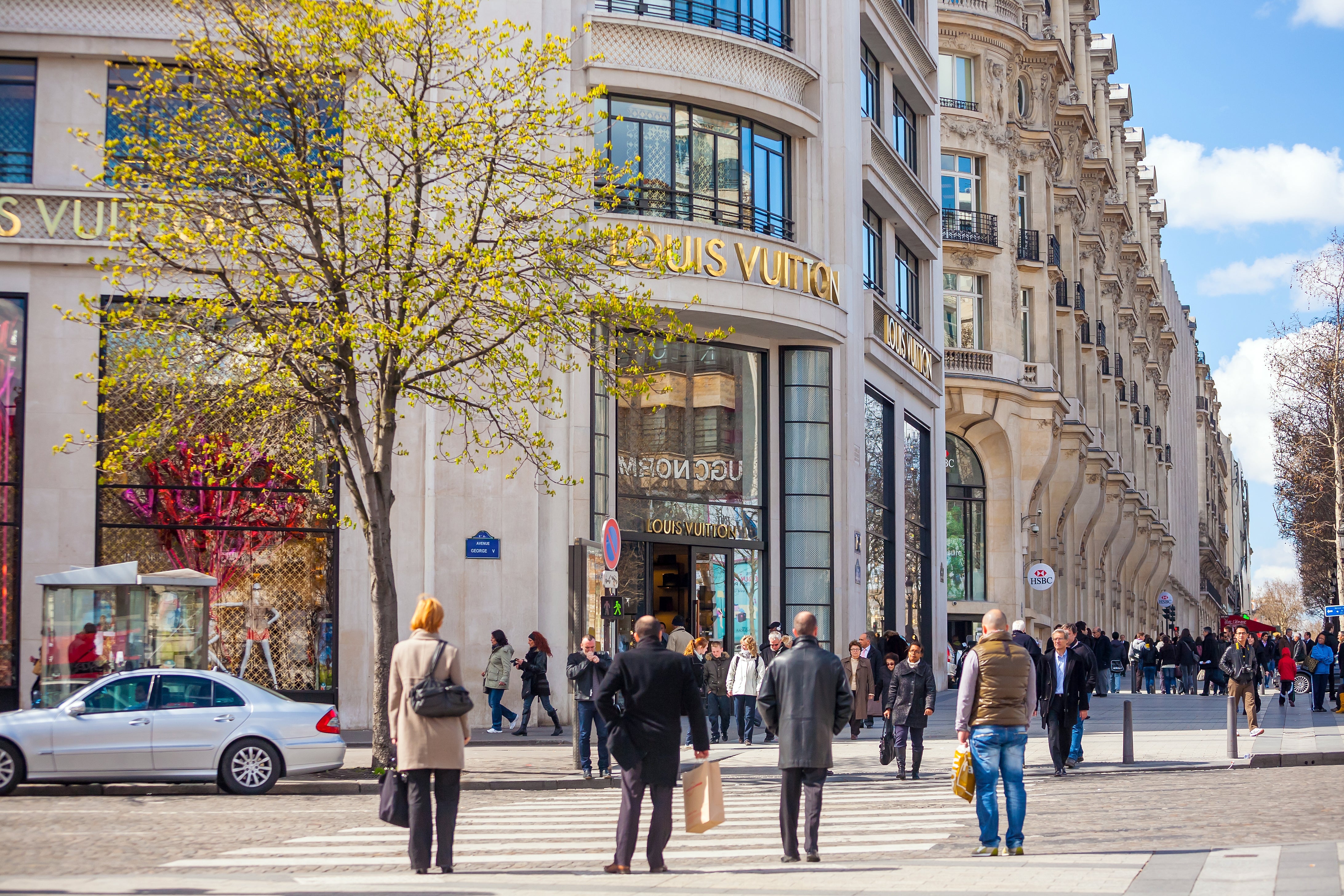
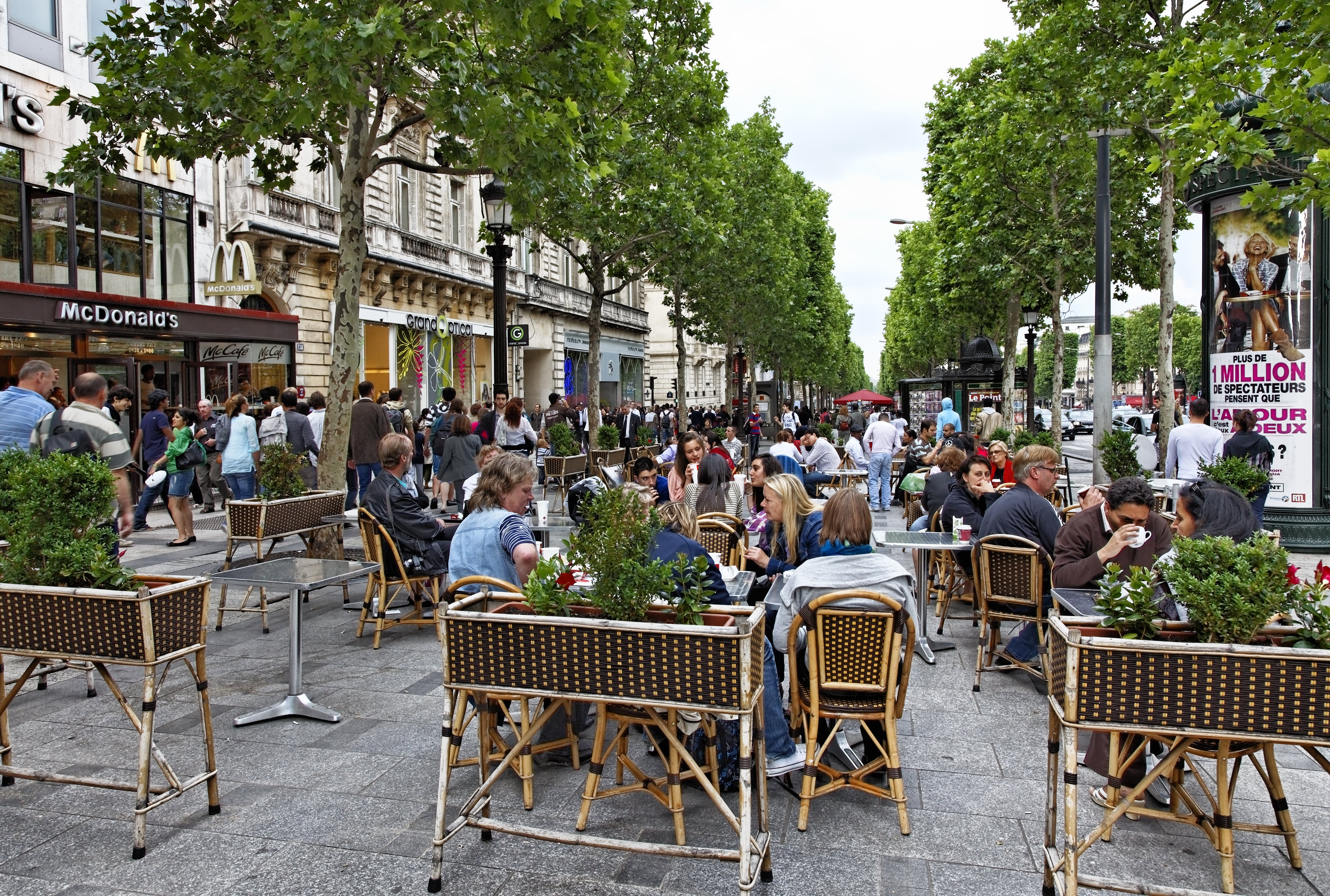
France
Is the water safe to drink?
Tap water in France is safe and widely drinkable. Some travelers prefer bottled water, which is readily available. Restaurants often offer still (sans gaz) or sparkling (avec gaz) options, and tap water is frequently served upon request.
What to do if you are in need of a restroom?
If necessary, cafés and brasseries are the most accessible option, though it is polite to make a small purchase. Public restrooms are available in metro stations and public spaces, but cleanliness varies. Some older facilities may be basic, and coin payment is sometimes required.
Is France safe?
France is generally safe for visitors, though petty theft and pickpocketing are common in busy tourist areas. Travelers should be cautious in crowded spaces, on public transport, and near major landmarks. It is best to carry only essential items and use hotel safes for valuables. Awareness and basic precautions significantly reduce risk. Travel Insurance is recommended, check here.
What is the weather like?
France has a mild, temperate climate, with variations depending on region. Spring and autumn are often considered ideal for travel due to comfortable temperatures and fewer crowds. Summers are warm and lively, while winters are cooler, especially in the north and mountainous areas. Some regions, like Provence, are warmer but can experience strong seasonal winds.
What is the internet like/cell phone use?
Internet access is widely available in cities through hotels, cafés, and public areas. Rural coverage may be less consistent. Mobile networks generally work well in populated areas, and most accommodations provide Wi-Fi for guests.
What charging plug is needed in France?
France uses 220V electricity with standard European two-pin round plug sockets. Travelers will need an adapter, and devices not designed for 220V may also require a voltage converter.
What is the currency?
The official currency is the Euro. ATMs are widely available across cities, airports, and towns, making it easy to withdraw cash. While cards are commonly accepted, having some cash on hand is still useful for smaller businesses.
Is tipping customary?
Service is usually included in restaurant bills, but small tips are appreciated for good service. Rounding up or leaving a few euros is common. Tipping for taxis, hotel staff, and tour guides is also customary but generally modest compared to other countries.
What is the Cuisine and Dining Culture of France?
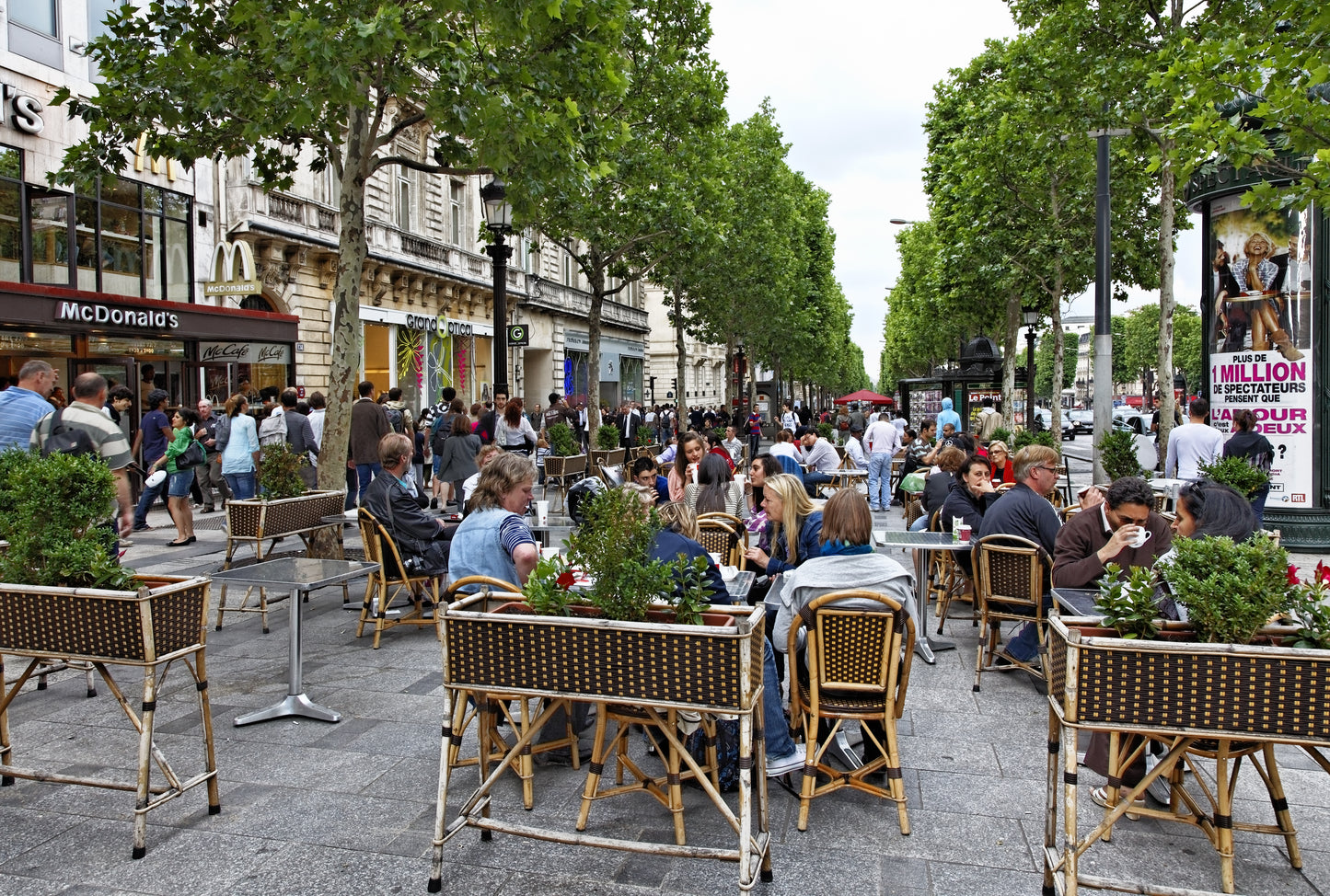
French dining follows structured meal times, with lunch typically midday and dinner in the evening. Cafés, brasseries, and wine bars offer more casual options, while restaurants often focus on seasonal and local ingredients. Dining is seen as a social experience, and meals are often enjoyed at a relaxed pace.
What are the seasons like?
France experiences distinct seasons, with summer being the busiest travel period due to festivals and warm weather. Spring and fall are popular for sightseeing thanks to mild conditions and fewer crowds. Winter brings festive markets and skiing opportunities in alpine regions, making it attractive year-round depending on interests.
What are the Visa requirements?
France visa application requirements include a valid passport (issued within 10 years, valid 3+ months past return), completed application form, two ICAO-standard photos, and supporting documents based on trip purpose. You can check visa requirements here.
Amsterdam
Do I need to speak Dutch to get around?
It’s always great to learn a few basic Dutch phrases, but most locals in Amsterdam speak English fluently, so getting around without Dutch won’t be an issue.
Should I purchase travel insurance?
Travel Insurance is not required but it is recommended. You can purchase travel insurance here
What is common to eat in Amsterdam?
Traditional Dutch foods include stroopwafels, herring, bitterballen, poffertjes, and Dutch cheeses like Gouda and Edam.
What language is spoken in Amsterdam?
Dutch is the official language, but English is widely spoken.
Do I need a rental car?
No, you don’t need a rental car. Amsterdam has excellent public transportation, including trams, buses, and trains. It’s also very bike-friendly, with bike rentals widely available.
Is tipping expected in Amsterdam?
Service charges are typically included in the bill, but rounding up the bill or leaving a small tip (5-10%) for good service is appreciated.
What is the currency in Amsterdam?
Can I drink tap water in Amsterdam?
Can I drink tap water in Amsterdam?
Yes, tap water in Amsterdam is safe to drink and of excellent quality.
What is the dress code in Amsterdam?
Casual attire is fine for most activities, but if you plan to visit upscale restaurants or venues, smart-casual clothing is recommended.
Is Amsterdam safe for tourists?
Yes, Amsterdam is generally safe. However, be cautious of pickpockets in crowded areas and follow traffic rules, especially when cycling.
Can I use my credit cards in Amsterdam?
Yes, credit cards are widely accepted in Amsterdam. However, some smaller establishments may only accept local debit cards or cash, so it’s good to carry a small amount of cash.
What public transportation options are available in Amsterdam?
Amsterdam has a reliable public transportation network, including trams, buses, ferries, and metro services. You can purchase single-use tickets or a multi-day travel pass.
Is Amsterdam a good destination for families?
Absolutely! Family-friendly attractions include the Artis Zoo, NEMO Science Museum, and canal cruises.
What is the local etiquette when dining out?
It’s polite to greet restaurant staff with "hallo" (hello) or "goedemiddag" (good afternoon) when entering. At the end of your meal, it’s common to ask for the bill by saying "de rekening, alstublieft."
Is Wi-Fi available in Amsterdam?
Yes, free Wi-Fi is widely available in cafes, restaurants, and public spaces. The city also offers free Wi-Fi at some hotspots.
Do I need a Visa to visit Amsterdam?
If you’re from a Schengen Agreement country, no visa is needed for stays under 90 days. For others, check your country’s visa requirements here
Netherlands
What's the best time to visit the Netherlands?
The best times to visit are spring (mid-March to June) and early autumn (September to October). In spring, the famous tulip fields are in full bloom, while autumn brings pleasant weather and fewer crowds. Summer (July–August) is also lovely for long days and outdoor cafés, but expect higher prices and more tourists.
Do I need a Visa to visit the U.S.?
If you’re from the EU, US, UK, Canada, Australia, or Japan, you don’t need a visa for stays up to 90 days. Starting from late 2026, though, visa-exempt travelers will need ETIAS authorization before entering Schengen countries, including the Netherlands. For more deets, visit the European Union’s official page. Check requirements here.
When is the best time to see the tulips?
Tulip season runs from mid-March to mid-May, with the best blooms usually around mid-April. Keukenhof and the Bollenstreek flower region are the most popular spots to see them, but Flevoland and the Noordoostpolder also have loads of pretty fields.
Is the tap water safe?
Tap water is often available in restaurants, but you usually need to request it specifically. Otherwise, bottled water may be served and charged. Refills aren’t always automatic, and policies vary by location. Travel insurance is recommended.
Is tipping required?
A lot of waiters LOVE foreigners as they don’t know whether to tip or not. It’s typically that when you pay for most things, you don’t need to tip and it’s not horrible behavior if you don’t do so. That said, it’s nice to tip 10% (which is fairly standard) if you feel the service is really good. Luckily, staff here receive a good base wage. You usually tip for food. It’s not necessary for drinks.
What are the must try foods?
Stroopwafels: Thin, crispy waffles with a gooey caramel center, Bitterballen: Deep-fried, crispy meatballs (best enjoyed with a beer!), Haring: Raw herring served with onions, Poffertjes: Mini fluffy pancakes, usually dusted with powdered sugar.
What Language do they speak in the Netherlands?
The official language is Dutch, but don’t worry English is widely spoken, especially in cities. English might be a bit less common in smaller towns or rural areas, so picking up a few easy Dutch phrases or using a translation app can be handy.
What currency is used?
The Netherlands uses the euro (€) just like many other countries in the EU. Both coins and banknotes are available, but most places accept debit and credit cards.
How can I stay connected in the Netherlands?
Get an eSIM before you arrive, it’s quick, easy, and more affordable than buying a physical SIM at the airport. Prefer a physical SIM? Skip the airport and grab one in town, as it tends to be cheaper.
Can I use my Credit Card in The Netherlands?
Of course! Visa and Mastercard are widely accepted throughout the Netherlands. But some small shops, eateries, and supermarkets like Albert Heijn might only accept debit cards or cash. Carry a few Euros on you just in case. And if you want to avoid hidden bank fees while spending abroad, I recommend getting a Wise card, which lets you pay in local currency at the real exchange rate.
Do I need an adapter for my electronics?
Probably! The Netherlands uses Type C, E, and F plugs (those two round pins) and runs on 230V with a frequency of 50Hz. If you’re coming from the US, the UK, or any country with a different plug type, don’t forget to bring a travel plug. You might also need a voltage converter—double-check your devices to ensure they’re good to go!
What's the drinking age in the Netherlands?
The legal drinking age is 18, but some bars and clubs may have a higher age limit of 21.