


France
Is the water safe to drink?
Tap water in France is safe and widely drinkable. Some travelers prefer bottled water, which is readily available. Restaurants often offer still (sans gaz) or sparkling (avec gaz) options, and tap water is frequently served upon request.
What to do if you are in need of a restroom?
If necessary, cafés and brasseries are the most accessible option, though it is polite to make a small purchase. Public restrooms are available in metro stations and public spaces, but cleanliness varies. Some older facilities may be basic, and coin payment is sometimes required.
Is France safe?
France is generally safe for visitors, though petty theft and pickpocketing are common in busy tourist areas. Travelers should be cautious in crowded spaces, on public transport, and near major landmarks. It is best to carry only essential items and use hotel safes for valuables. Awareness and basic precautions significantly reduce risk. Travel Insurance is recommended, check here.
What is the weather like?
France has a mild, temperate climate, with variations depending on region. Spring and autumn are often considered ideal for travel due to comfortable temperatures and fewer crowds. Summers are warm and lively, while winters are cooler, especially in the north and mountainous areas. Some regions, like Provence, are warmer but can experience strong seasonal winds.
What is the internet like/cell phone use?
Internet access is widely available in cities through hotels, cafés, and public areas. Rural coverage may be less consistent. Mobile networks generally work well in populated areas, and most accommodations provide Wi-Fi for guests.
What charging plug is needed in France?
France uses 220V electricity with standard European two-pin round plug sockets. Travelers will need an adapter, and devices not designed for 220V may also require a voltage converter.
What is the currency?
The official currency is the Euro. ATMs are widely available across cities, airports, and towns, making it easy to withdraw cash. While cards are commonly accepted, having some cash on hand is still useful for smaller businesses.
Is tipping customary?
Service is usually included in restaurant bills, but small tips are appreciated for good service. Rounding up or leaving a few euros is common. Tipping for taxis, hotel staff, and tour guides is also customary but generally modest compared to other countries.
What is the Cuisine and Dining Culture of France?
French dining follows structured meal times, with lunch typically midday and dinner in the evening. Cafés, brasseries, and wine bars offer more casual options, while restaurants often focus on seasonal and local ingredients. Dining is seen as a social experience, and meals are often enjoyed at a relaxed pace.
What are the seasons like?
France experiences distinct seasons, with summer being the busiest travel period due to festivals and warm weather. Spring and fall are popular for sightseeing thanks to mild conditions and fewer crowds. Winter brings festive markets and skiing opportunities in alpine regions, making it attractive year-round depending on interests.
What are the Visa requirements?
France visa application requirements include a valid passport (issued within 10 years, valid 3+ months past return), completed application form, two ICAO-standard photos, and supporting documents based on trip purpose. You can check visa requirements here.
Scotland
Where is Scotland and how many people live there?
Scotland is the northernmost country in the United Kingdom, with a population of around 5.4 million people.
What is Scotland’s capital city?
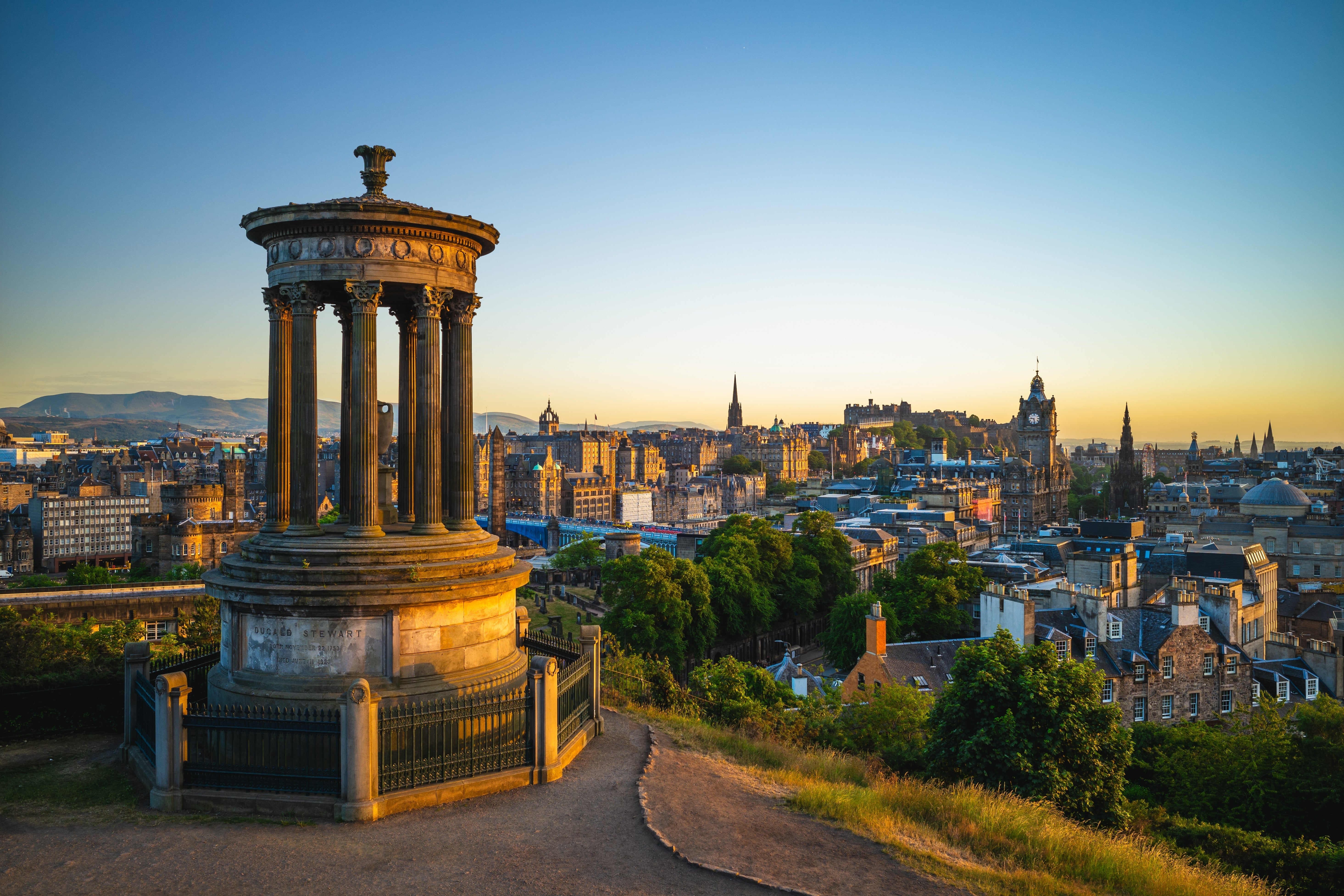
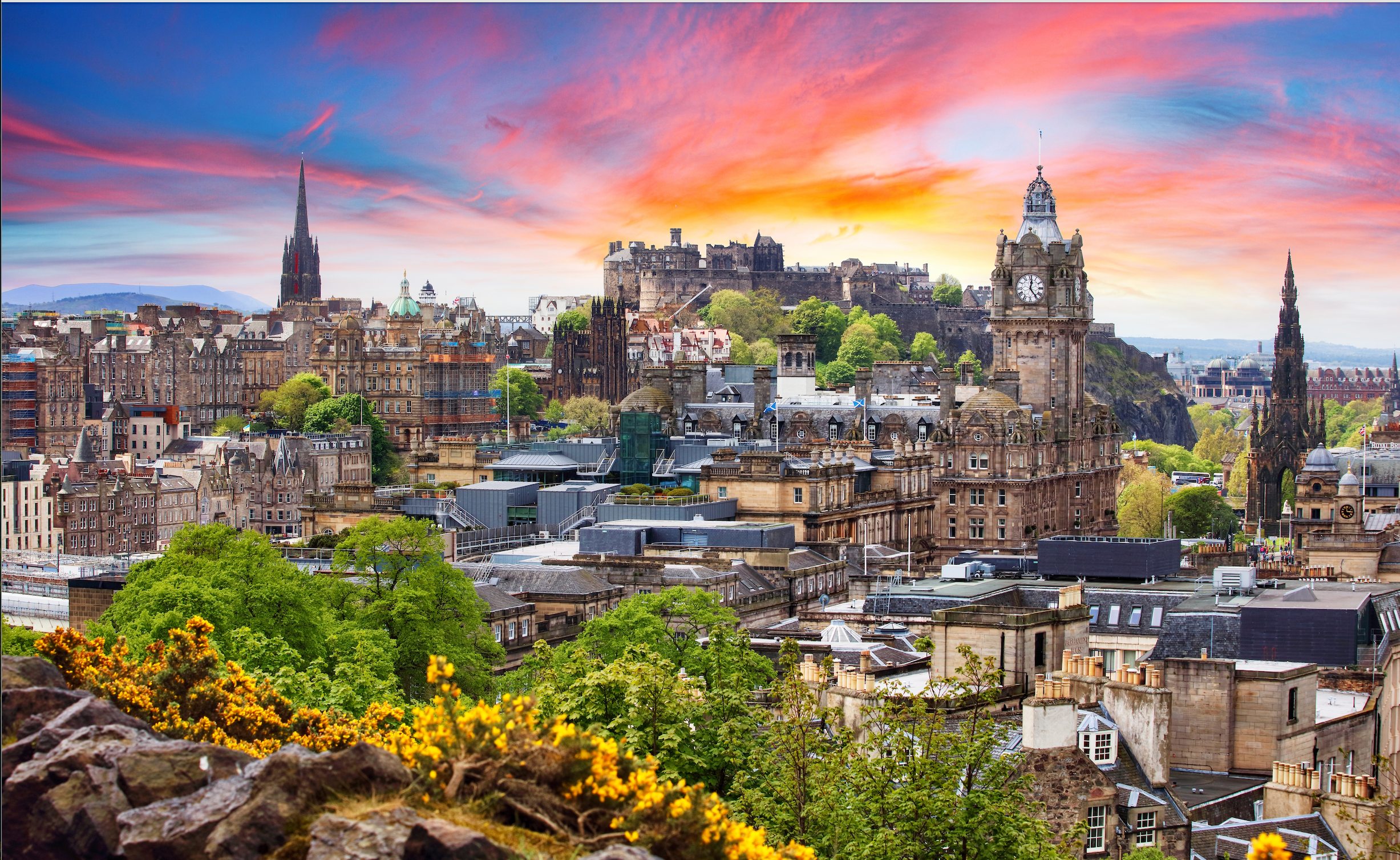
Edinburgh.
How many Scottish cities are there?
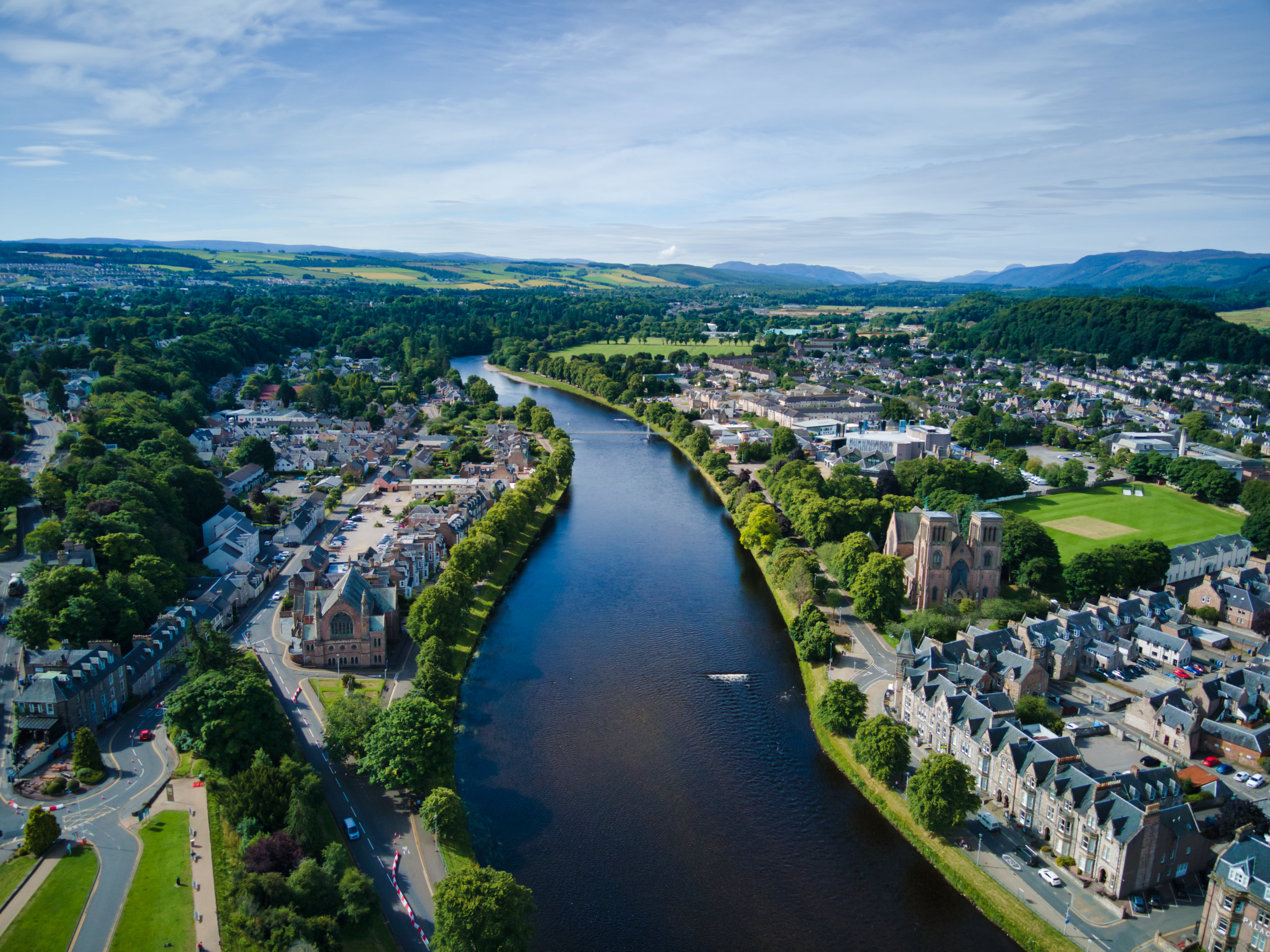
There are eight cities: Aberdeen, Dundee, Edinburgh, Glasgow, Inverness, Perth, Stirling, and Dunfermline.
When is the best time to visit Scotland?
Each season in Scotland offers a distinct experience: spring brings blooming landscapes and wildlife activity, summer features long days and festivals, autumn showcases colourful foliage and crisp air, and winter offers snowy scenery, festive markets, and traditional celebrations.
What sort of temperatures should I expect?
Winter temperatures typically range from 2°C to 6°C, while summer temperatures usually reach between 12°C and 19°C. Scotland has a temperate but changeable climate, with occasional freezing days in winter and warm, sunny spells in summer.
What language is spoken in Scotland?
English is the main language. Scots is also widely spoken, and Scottish Gaelic is used in certain areas, particularly in the Outer Hebrides.
Can I still visit Scotland now the UK has left the EU?
Yes, travel to Scotland is still possible. It’s recommended to check current UK government guidelines before your trip. Check travel requirements here.
What is an Electronic Travel Authorisation?
An Electronic Travel Authorisation (ETA) is a requirement for visa-exempt travelers entering the UK. It grants permission to travel and is digitally linked to your passport.
Do any Scottish destinations have a Visitor Levy/Tourist Tax?
Yes, Edinburgh currently has a visitor levy. From 1 October 2025, a 5% fee will apply to overnight stays in paid accommodation for applicable bookings. The funds are used to support local services and infrastructure.
Do I need any vaccinations to visit Scotland?
No specific vaccinations are required. Travel insurance is recommended, check here.
Are there restrictions on what I can bring into Scotland?
Yes, certain items are restricted when entering the UK. Check official guidance before traveling.
Is it safe to drink Scottish tap water?
Yes, tap water in Scotland is very clean and safe to drink.
Will I be able to access the internet?
Most accommodations, cafés, and attractions offer Wi-Fi. Mobile data is also available, though coverage may be limited in remote areas.
What side of the road should I drive on?
In Scotland, people drive on the left-hand side of the road.
What type of electrical adapter will I need?
The standard electrical plug type is Type G.
What type of currency can I use?
The main type of currency used is the Pound Sterling (£).
Do I need to tip?
Tipping is not mandatory but is appreciated for good service, particularly in restaurants and taxis. Around 10% is a common guideline, though any amount is appreciated.
Where can I exchange money?
Currency exchange services are available at Post Offices and other exchange providers throughout Scotland.