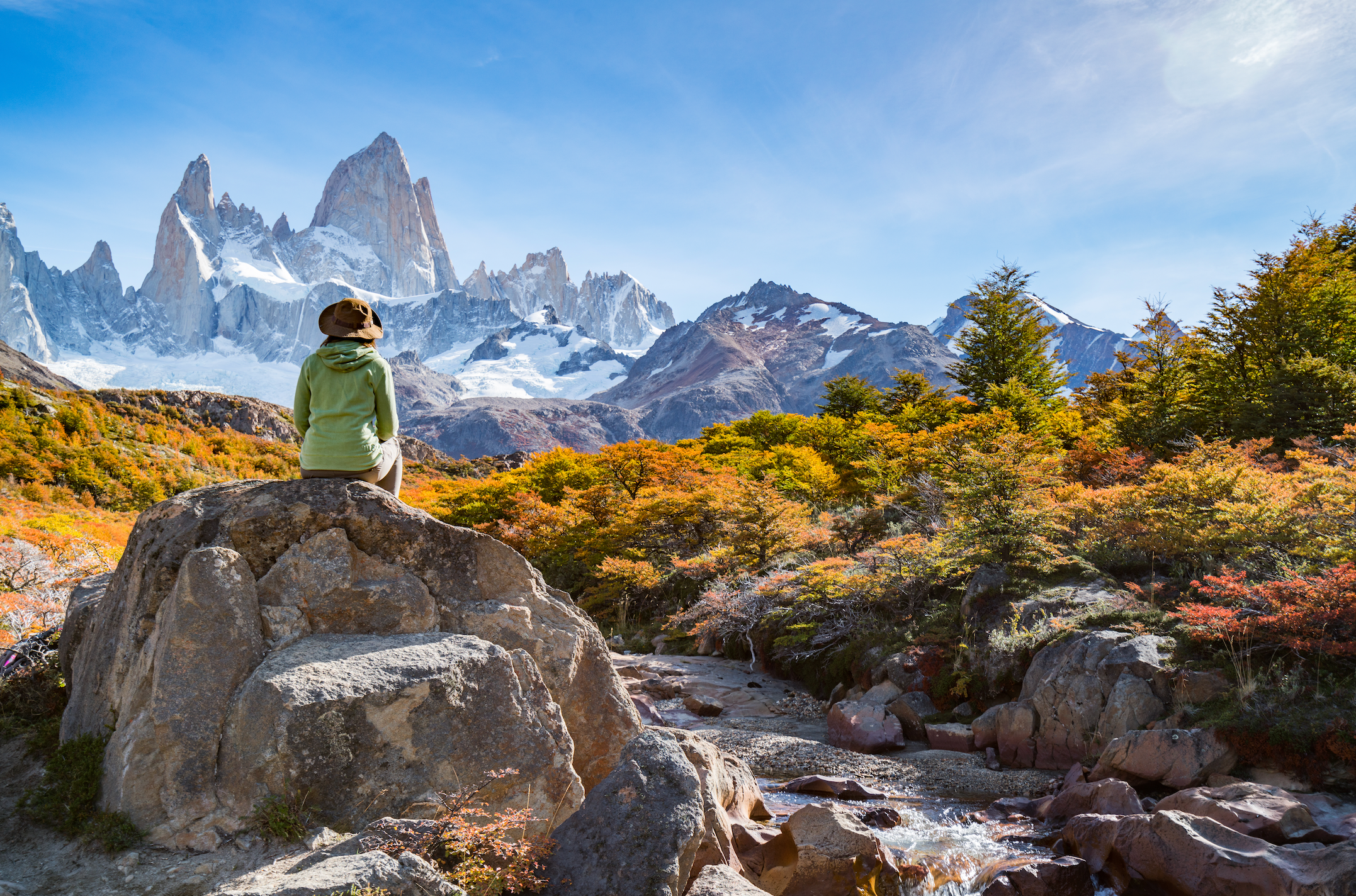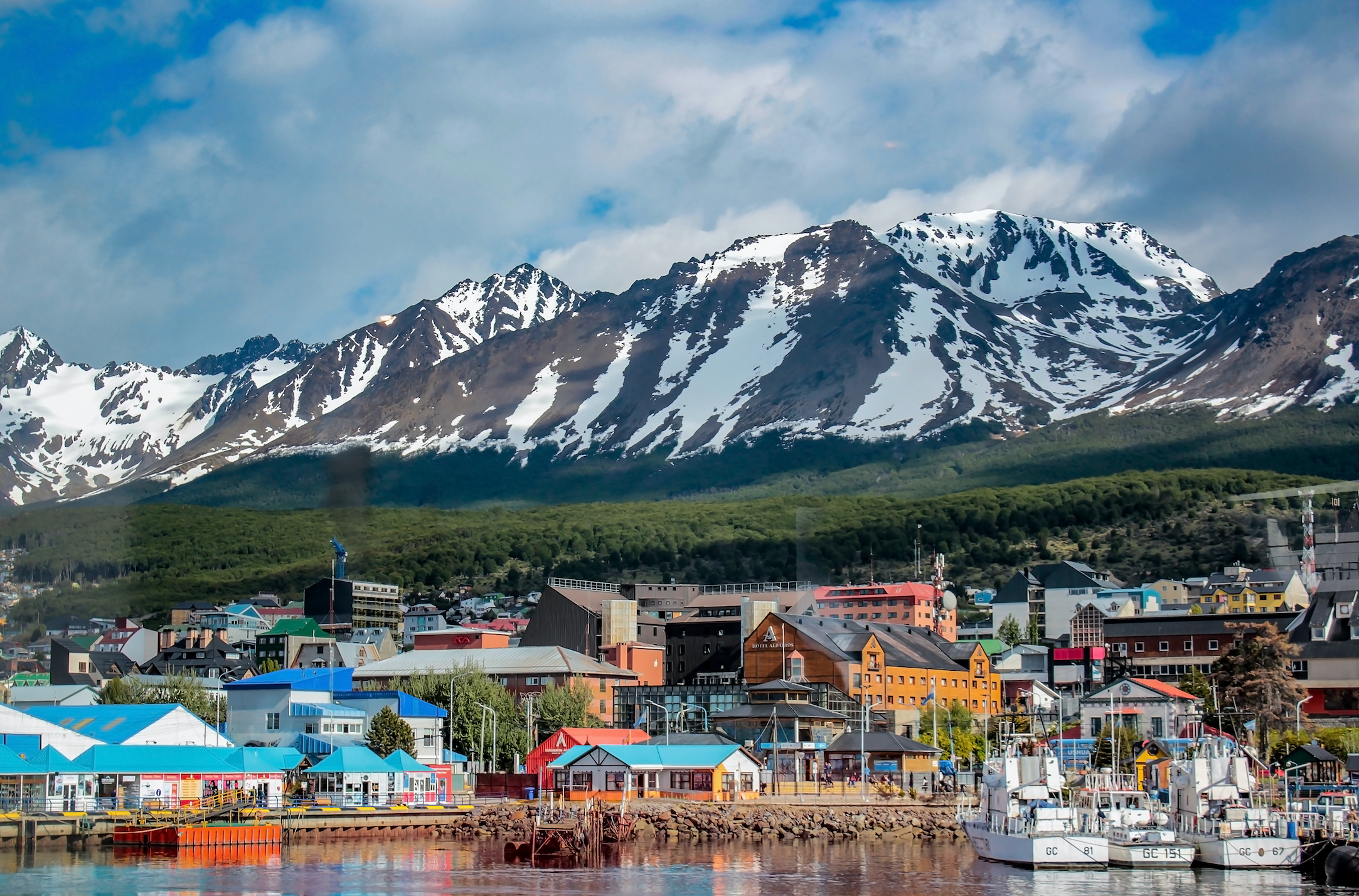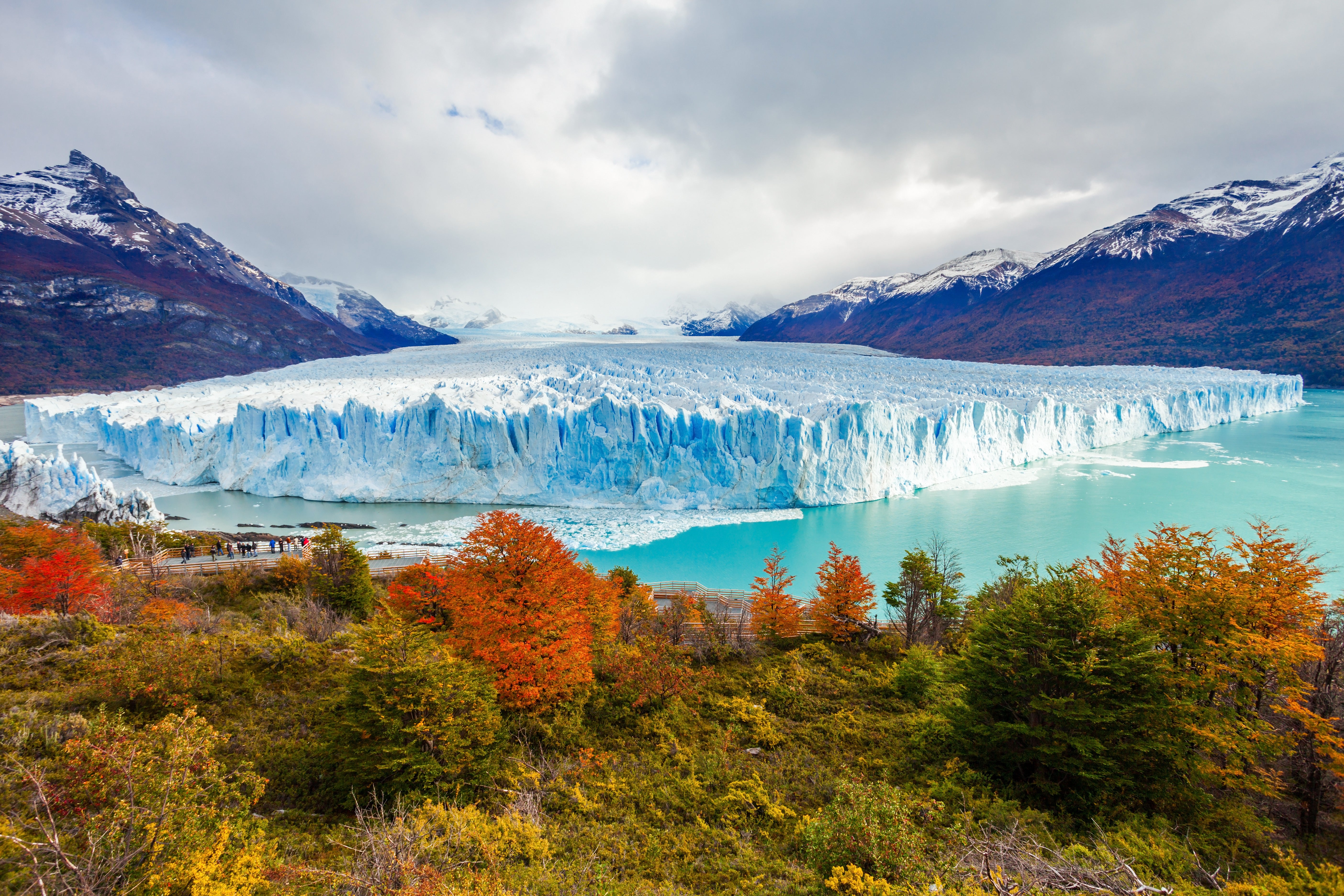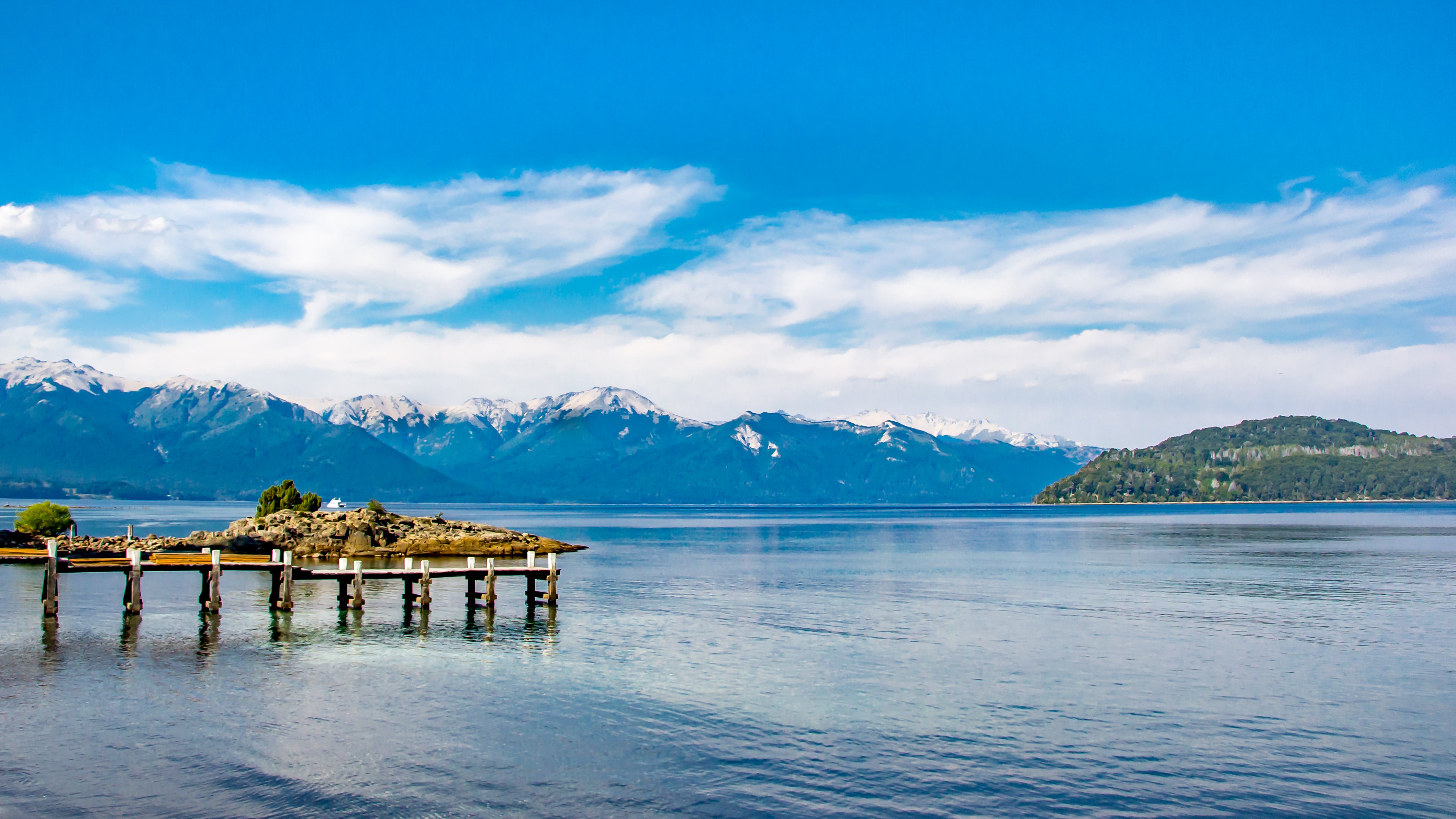
Patagonia
What is the official language spoken in Argentina?
The primary language in Argentina is Spanish.
What is the legal currency in Argentina?
Argentina uses the Argentine peso as its official currency. You can exchange money at airports or authorized exchange offices. Credit cards are widely accepted in most businesses, though it’s a good idea to carry cash for taxis and smaller vendors.
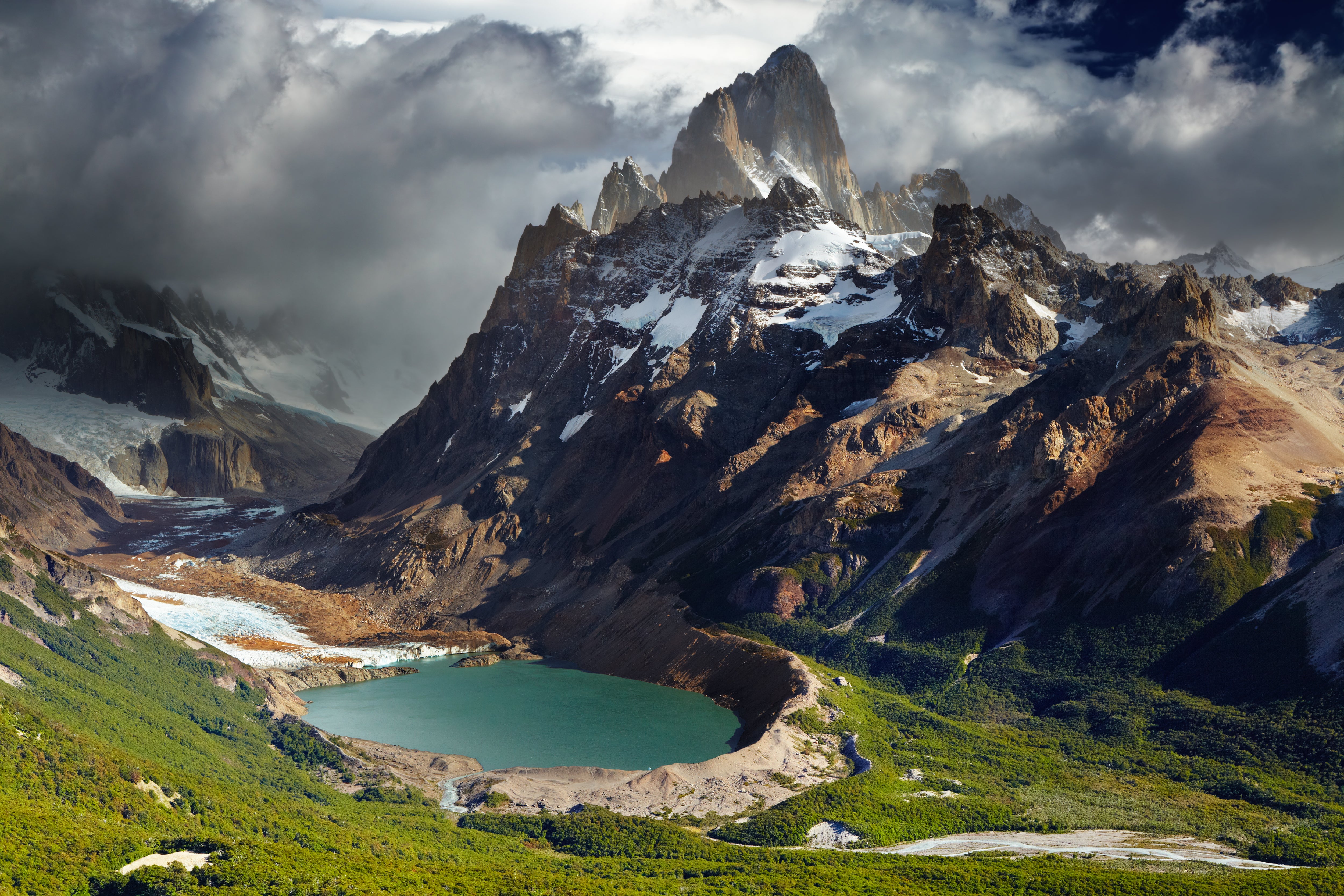
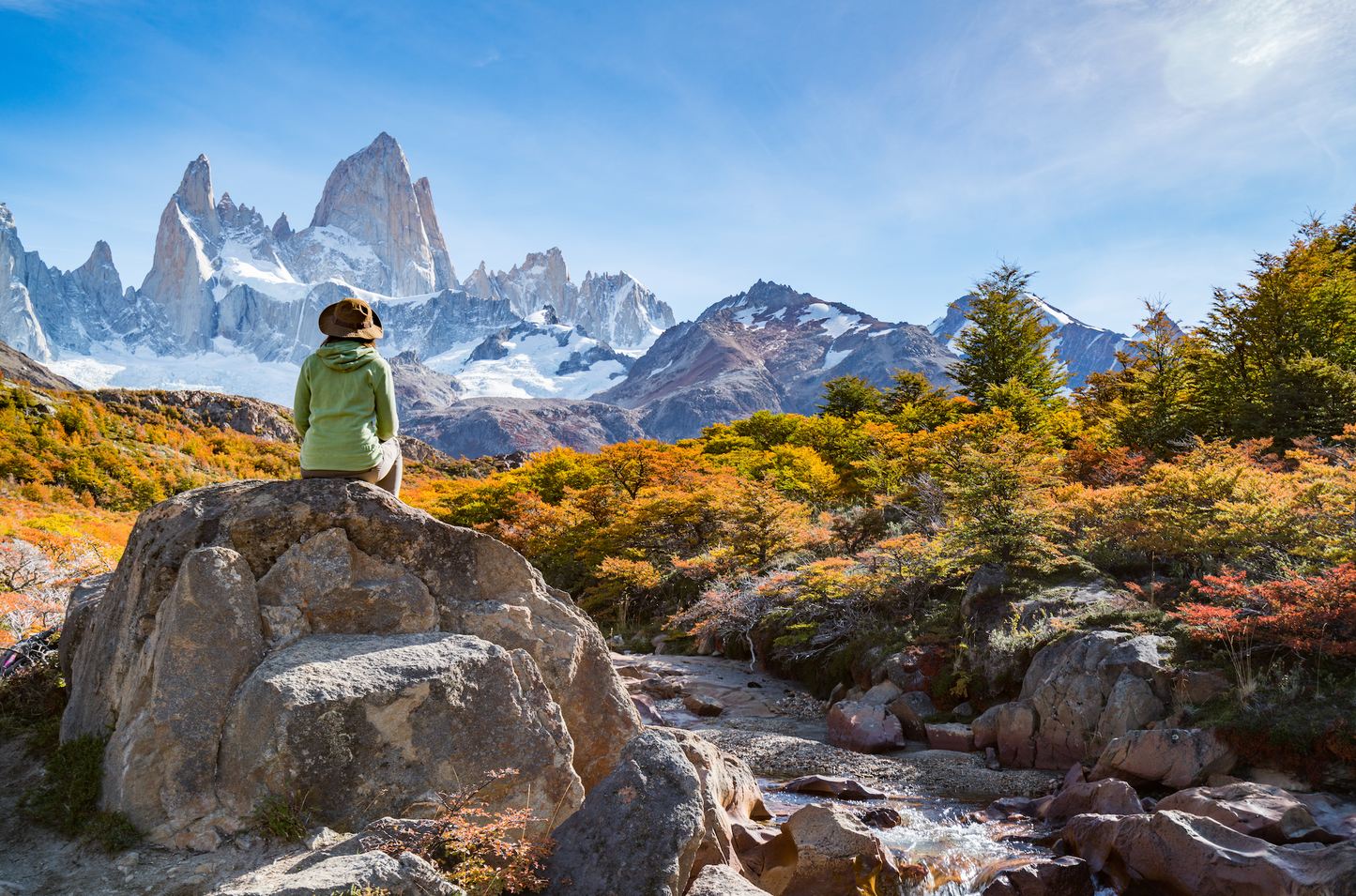
What country is Patagonia in?
It spans across both Chile and Argentina.
Do I need a rental car?
Evolution35 will accommodate transportation.
Is Argentina safe?
Based on the Global Peace Index 2020, Argentina ranks among the safer countries in Latin America. Still, like anywhere else, travelers should remain aware of their surroundings and take normal precautions.
Are immunizations required?
They are not required although we do recommend it.
What is the typical food eaten in Argentina?
Argentine cuisine is strongly shaped by Italian and Spanish influences, with a focus on premium beef, grilled dishes, and baked goods. Popular foods include empanadas, milanesas, and sweets made with dulce de leche, often enjoyed with mate tea.
What should I pack for my trip to Patagonia?
Hats, gloves, jackets, hiking boots, shower shoes, hiking pants, hiking backpack, reusable water bottle, sunscreen, beanie, water proof jacket, layering under shirts and any other essentials you may need.
What is the climate like in Patagonia?
The climate in Patagonia can vary widely, but it generally features cool temperatures and strong winds. Summers (December to February) can range from 50°F (10°C) to 70°F (21°C), while winters (June to August) can drop to 30°F (-1°C) or lower.
Do I need a Visa to enter Argentina?
Travelers from Western Europe, North America, and much of South America usually do not need a visa for tourism. However, it’s best to confirm your country’s specific requirements through the official immigration website. Click Here to check
What Is public transportation like in Argentina?
Public transport in Argentina is widespread, dependable, and budget-friendly. The country has an extensive long-distance bus network along with dense city transit systems. In Buenos Aires especially, the SUBE card is required to pay for buses, trains, and the subway.
What should I know about the local culture?
Patagonia has a rich cultural heritage influenced by Indigenous peoples and European settlers. Respect for the environment and local traditions is important, so take the time to learn about the local customs.
Are there ATMs available in Patagonia?
Yes, ATMs are available in larger towns, but they may be scarce in remote areas. It's advisable to carry cash, especially when visiting smaller villages or rural locations.
How does the SUBE card work?
The SUBE card is used to pay for public transportation in Buenos Aires and many other cities. It can be purchased at subway and train stations, kiosks, and lottery shops, and reloaded at the same locations. It’s simple to obtain and convenient to use.
Is the tap water safe?
In major cities such as Buenos Aires, tap water is generally treated and safe to drink. However, it’s still wise to carry bottled water while out and about.
What is proper national park etiquette?
Visitors must take everything they bring into the park back out with them. Nothing should be left behind, including waste like tissues. Always follow posted signs and remain on permitted paths, even if other routes appear accessible.
Is it necessary to have travel insurance?
While it's not mandatory, travel insurance is highly recommended to cover unexpected events like medical emergencies, trip cancellations, or lost belongings. Click Here
Brazil
When’s the best time to visit Brazil?
Brazil can be visited year-round, but since it’s such a large country, the ideal timing depends on what you want to see and do. From late December to March, temperatures are at their highest—often exceeding 40°C from Rio northward—and it’s also peak holiday season, meaning crowds are common. In the Amazon, the wet season (January–June) makes river travel easier, while the dry season offers more sunshine and better wildlife viewing, though it can be extremely hot. The Pantanal is best avoided during its wettest period (November–March) due to heavy mosquito presence. On the other hand, this time is perfect for visiting the southern beaches, which are cooler outside these months.
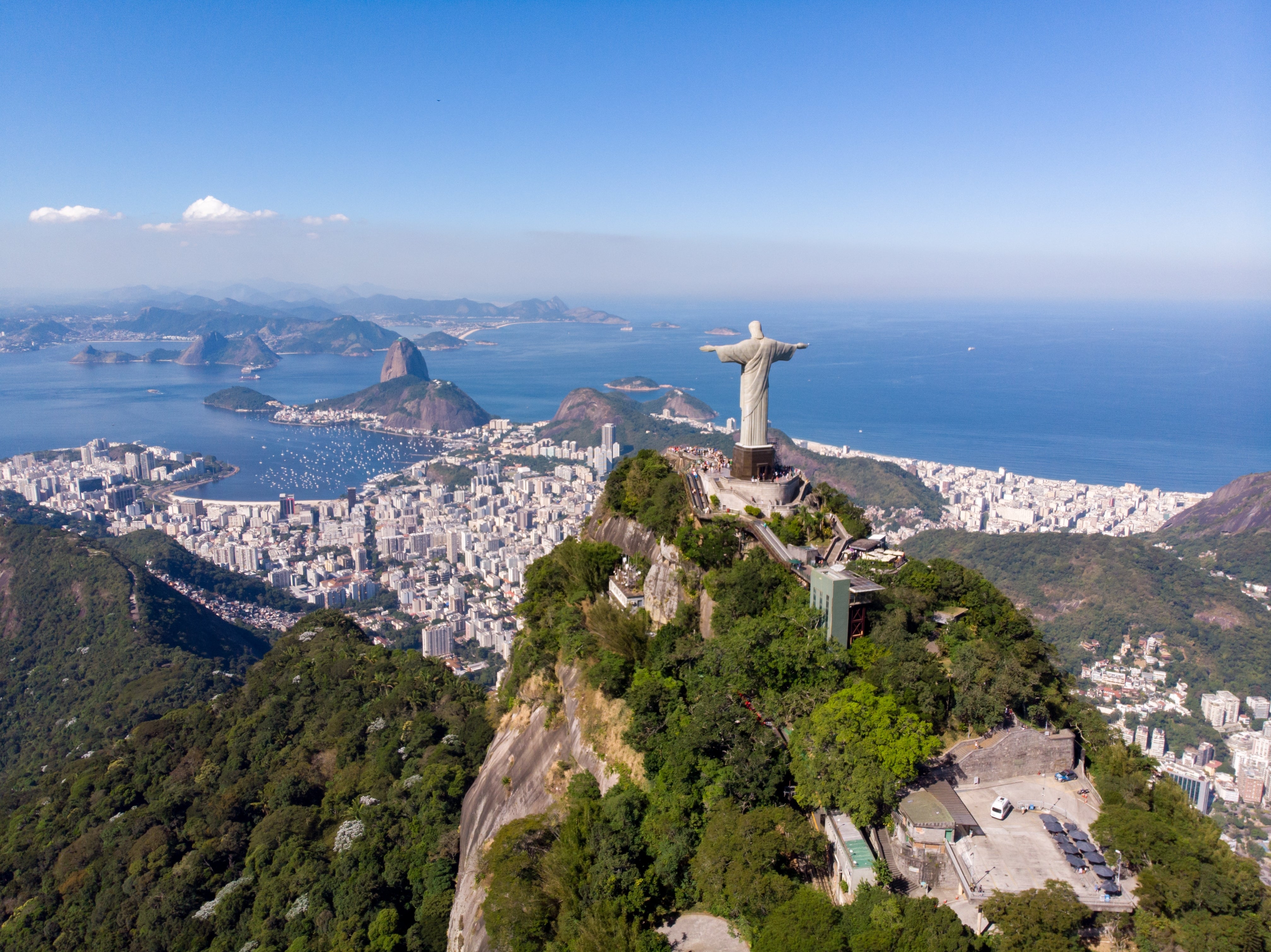
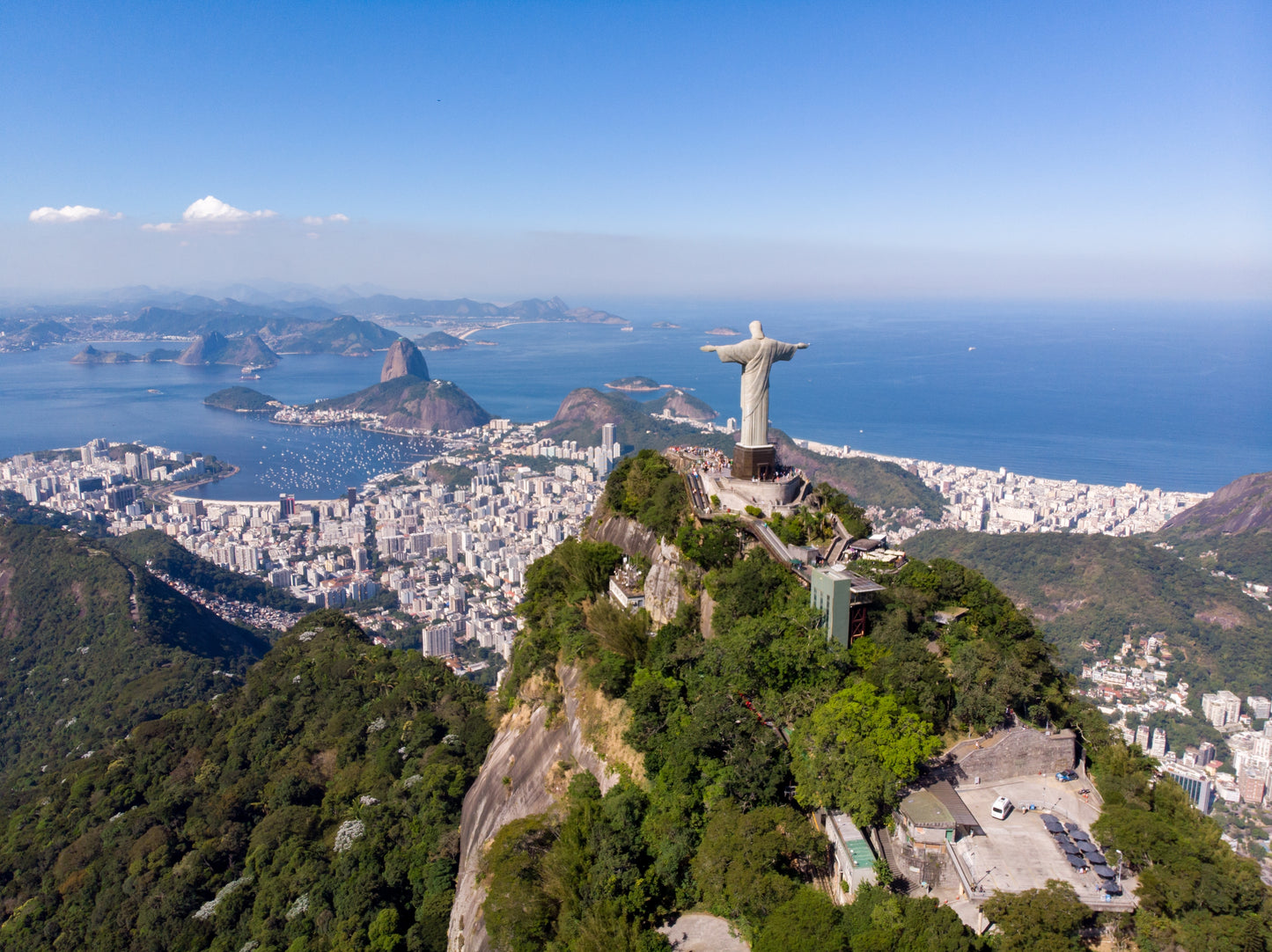
When is the ideal time to visit Christ the Redeemer?
The best times to go are early in the morning, around 8:00–10:00 a.m., or later in the afternoon after 3:00 p.m. Visiting during these hours helps you avoid the biggest crowds, and the gentler lighting makes for better photos. The temperatures also tend to be more comfortable, making the experience more enjoyable overall.
Is there a dress code for visiting Christ the Redeemer?
There’s no strict dress code, but it’s best to wear comfortable clothes and sturdy shoes since you’ll likely be walking and using stairs. Bringing layers is also smart, as the weather can shift throughout the day.
Is Christ the Redeemer accessible for people with disabilities?
Yes, the site is equipped with elevators and escalators, making it accessible for visitors with limited mobility. It’s designed so that as many people as possible can enjoy the landmark.
How crowded does it get at Christ the Redeemer?
As one of Brazil’s top tourist attractions, it often draws large crowds, especially on weekends and holidays. You can expect it to be particularly busy during peak travel seasons.
What’s the official language of Brazil?
Brazil’s official language is Brazilian Portuguese, a softer and more melodic variation of the language spoken in Portugal. Indigenous languages are also spoken, especially in the Amazon region.
Local currency in Brazil?
The official currency is the Brazilian Real (plural: Reais), abbreviated as BRL or R$. Card payments are widely accepted, and you can rely on credit or debit cards in most places. However, it’s still a good idea to carry a small amount of cash as a backup.
What are the festivals, cultural and sport events in Brazil?
Carnival, held in February or March, is a major highlight with five days of festivities. Expect vibrant parades, live music, elaborate costumes, and lively celebrations across the country. The most famous events take place in Rio, Salvador, and Olinda.
Health and safety in Brazil?
If you’re traveling to regions like the Amazon or Pantanal, it’s important to protect yourself against mosquito-borne illnesses by using insect repellent and wearing long sleeves. Brazil is generally safe for visitors, but it’s wise to stay alert, particularly in large cities. Stick to well-lit areas, avoid carrying large sums of cash, and remain aware of your surroundings. Travel Insurance is also recommended, check here.
How to get around Brazil?
Metro: Cities like São Paulo and Rio de Janeiro have metro systems that are clean, reliable, and efficient—ideal for avoiding traffic, Domestic Flights: Flying is the fastest and easiest way to travel long distances, with frequent connections between major cities, Taxis and Ride Apps: Ride-hailing apps like Uber are widely available and often more affordable than taxis. Check fare estimates in advance, Boats and Ferries: In coastal areas and the Amazon, traveling by boat offers a scenic and unique way to get around.
What is the food like in Brazil?
Brazilian cuisine is rich and varied, blending indigenous, European, and African influences. Popular dishes include feijoada (a bean and meat stew), churrasco (barbecue-style grilled meats), coxinha (fried chicken-filled snacks), and brigadeiro (a chocolate dessert treat).
What are the VISA requirements?
Starting April 10, 2025, citizens from the U.S., Canada, and Australia must obtain an eVisa to enter Brazil for tourism or business. You can apply online through the official portal for a visa that is valid for 10 years and allows stays of up to 90 days per year. The application requires a valid passport, a digital photo, confirmed flight details, and recent bank statements to verify your funds. You can check Visa Requirements here.