Peru
What is Peru best known for?
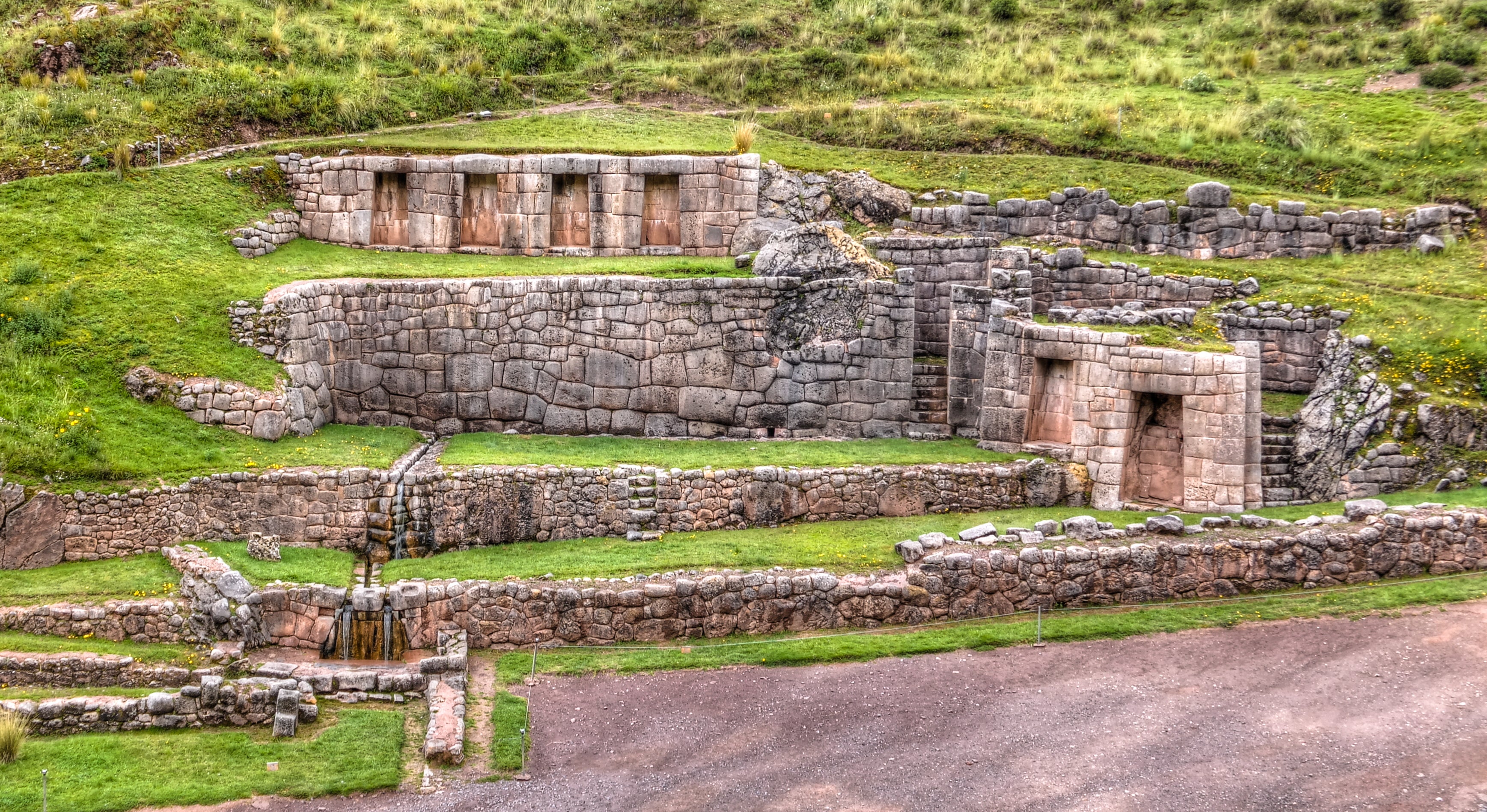
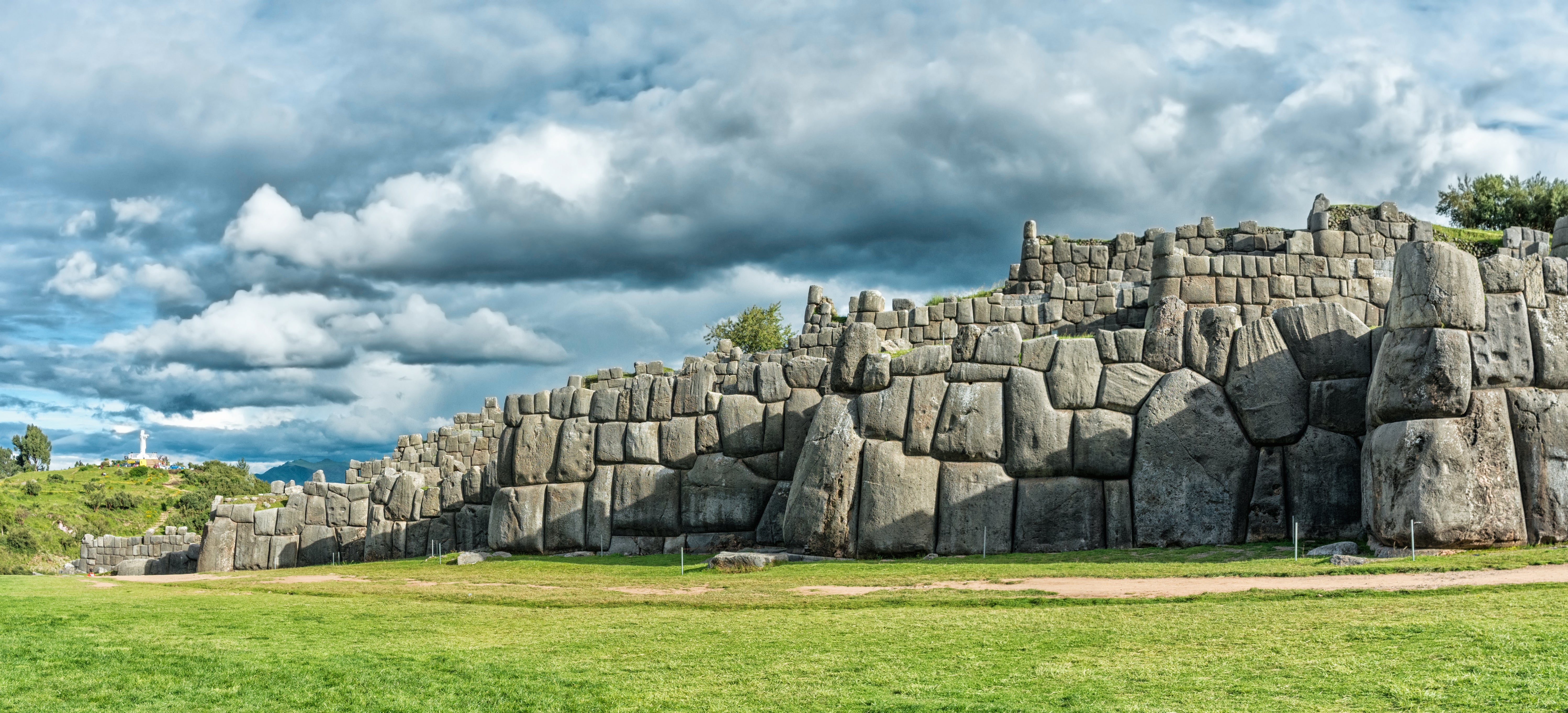
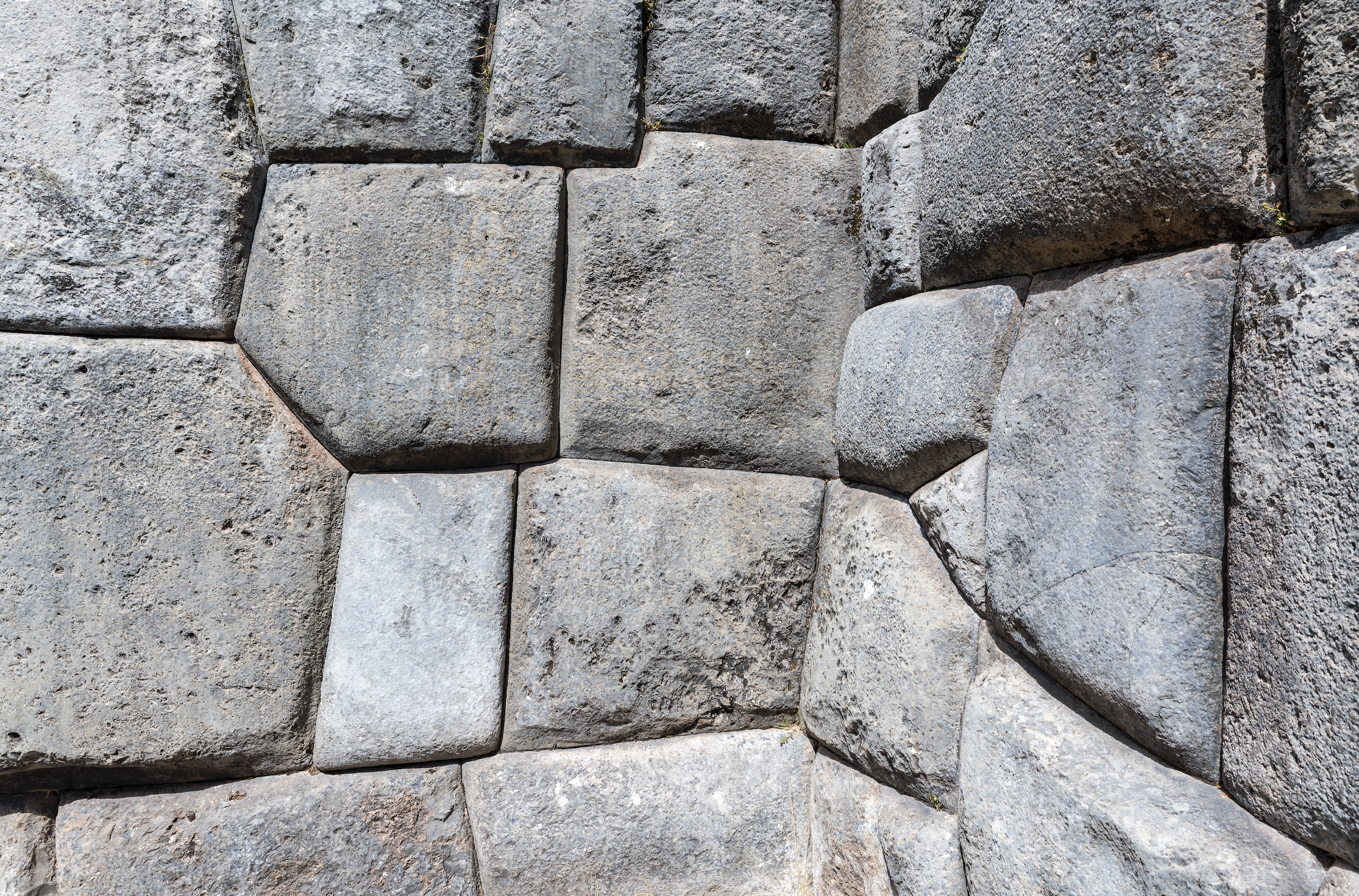
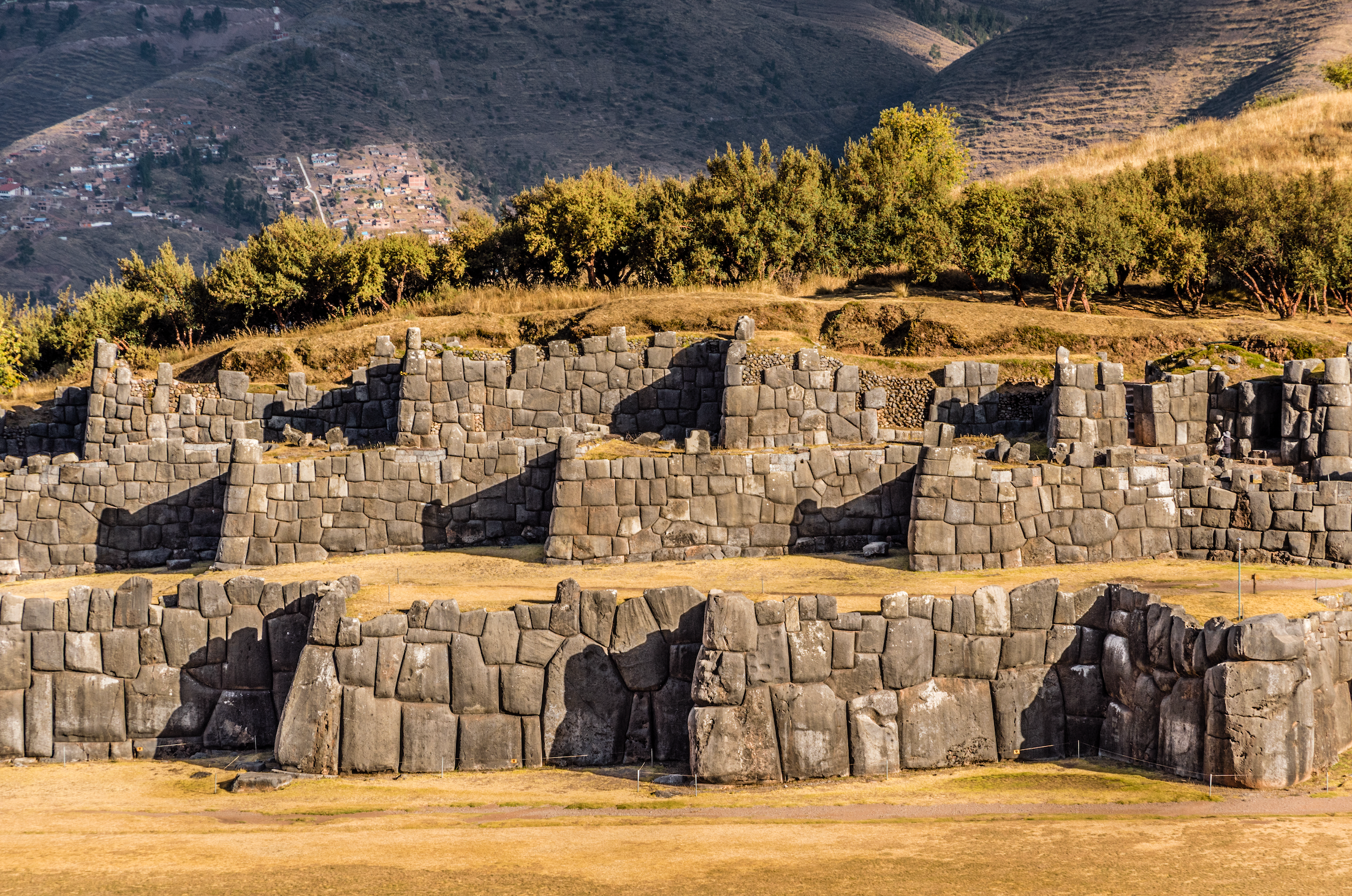
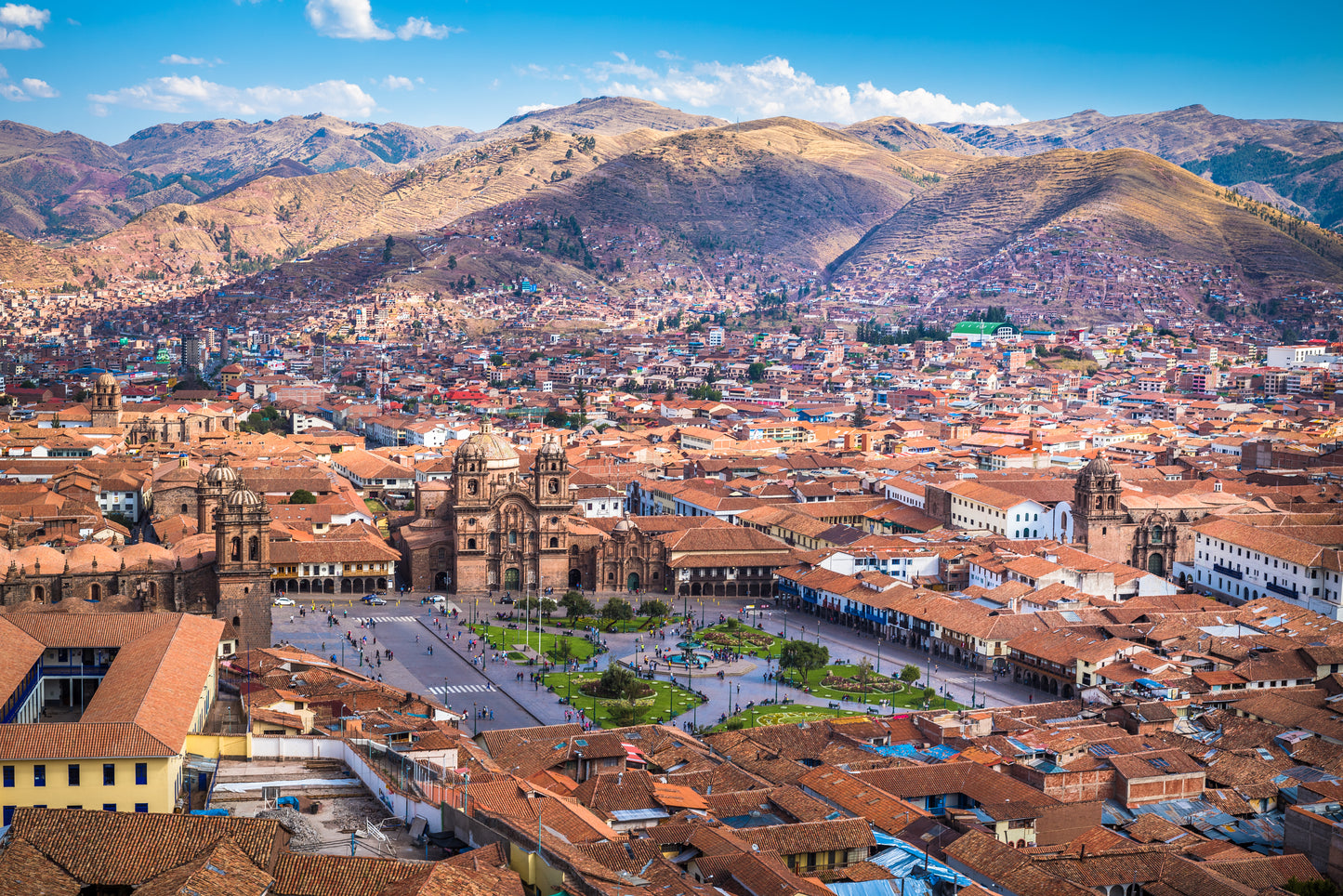
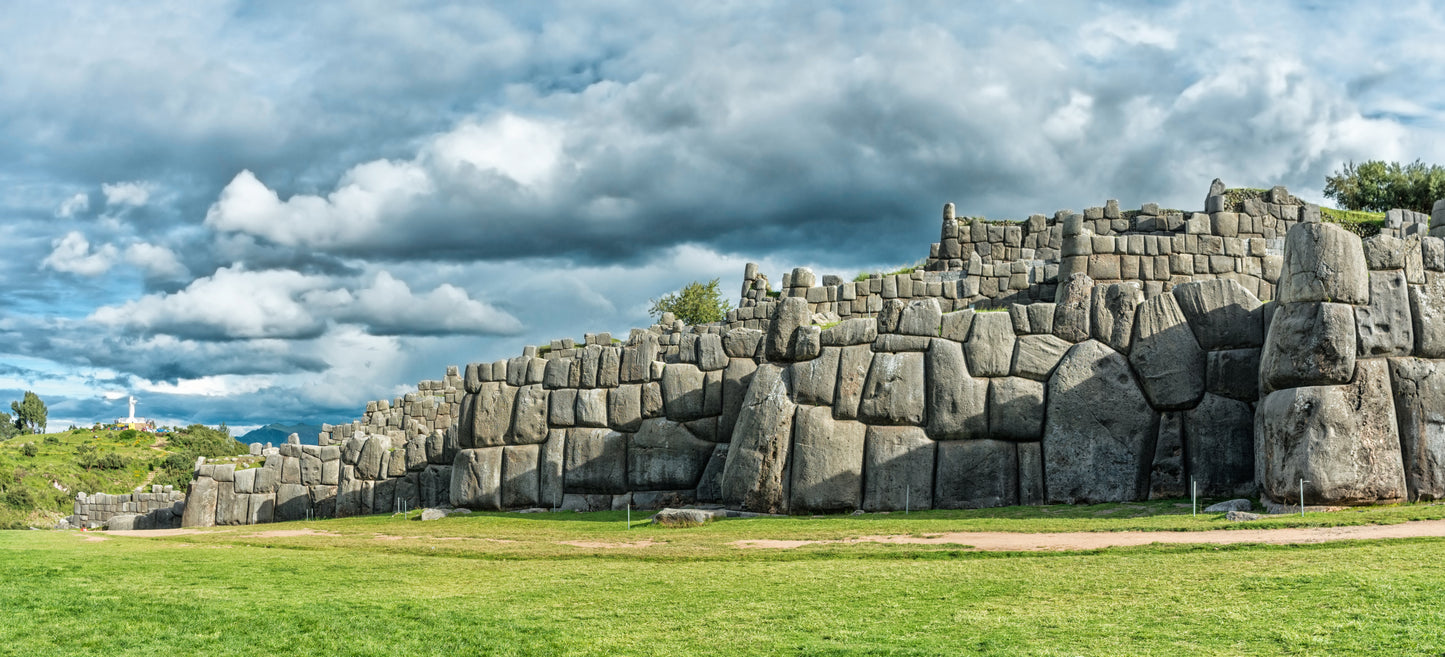
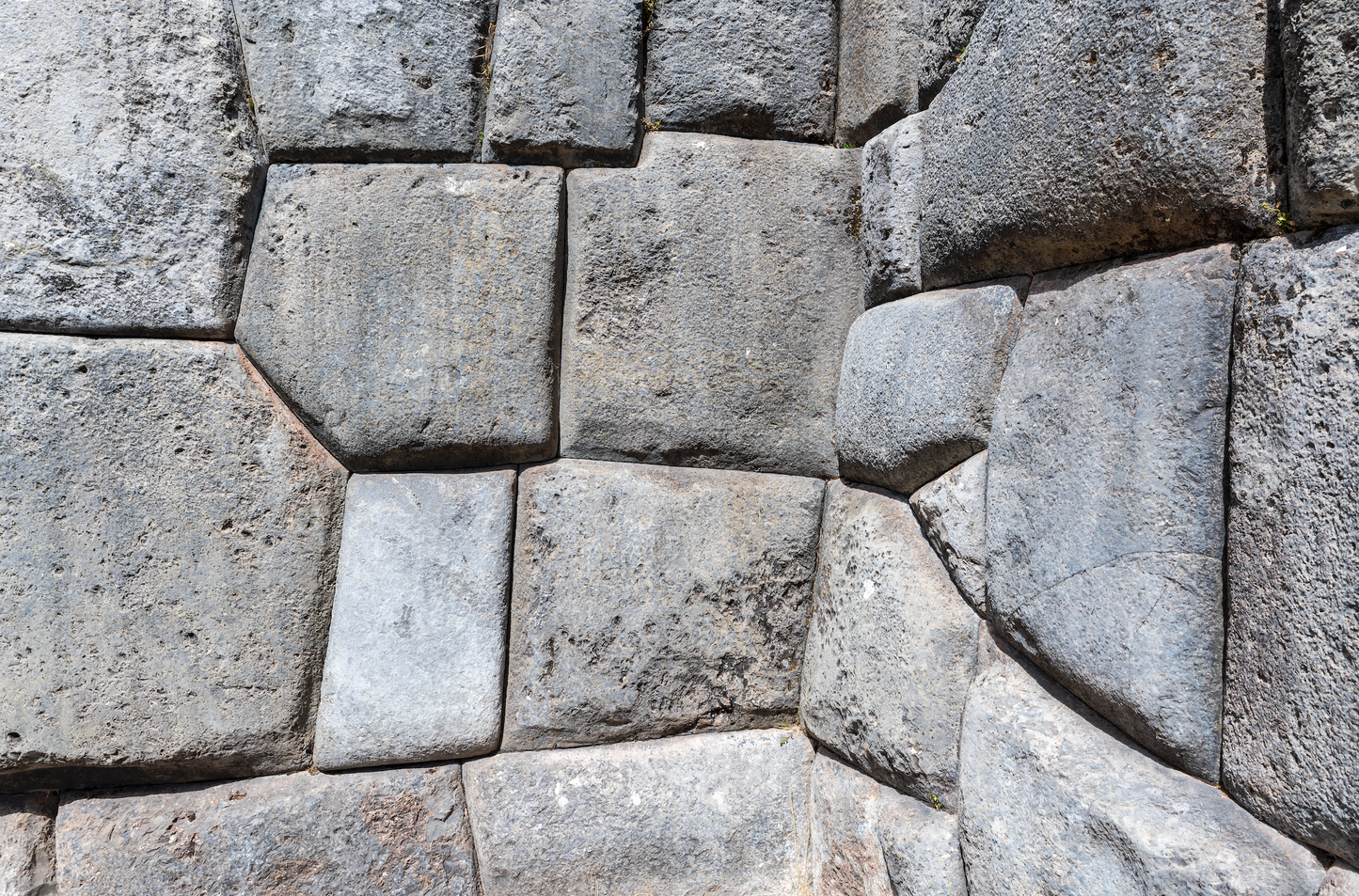
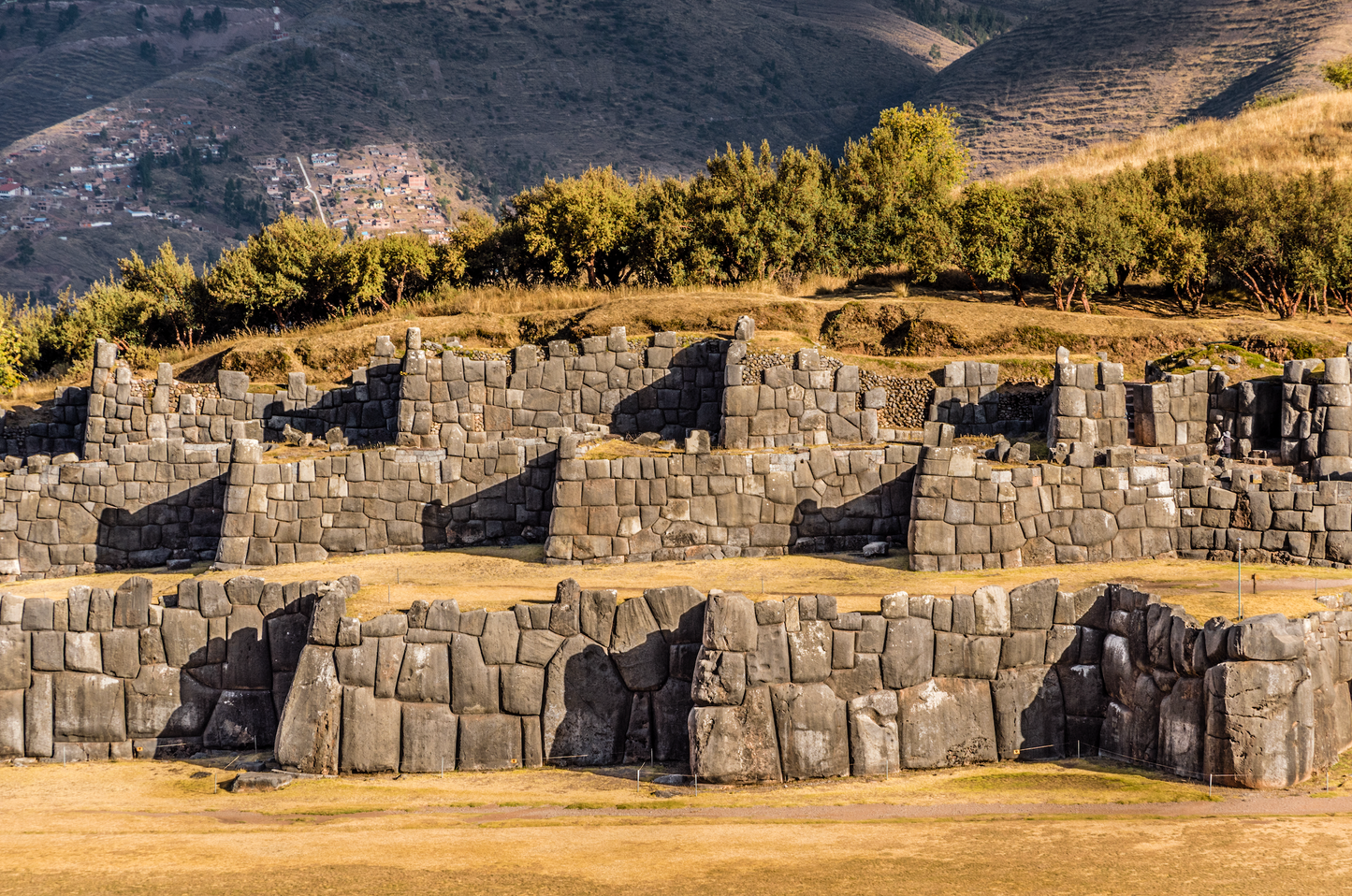
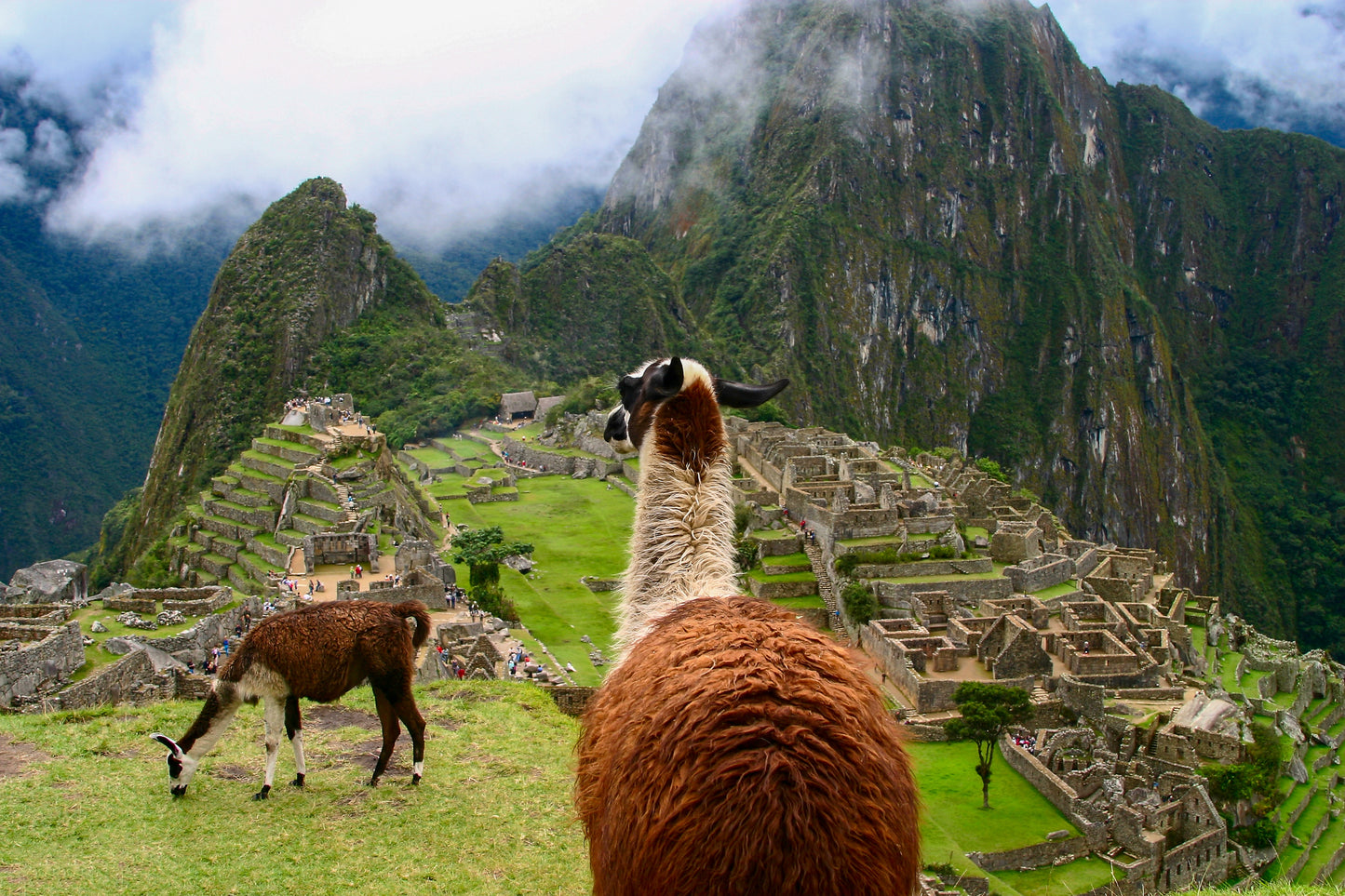
Peru is widely recognized for Machu Picchu, its Inca heritage, exceptional cuisine, and diverse landscapes. Its global reputation is shaped by several key features: Machu Picchu: A 15th-century Inca citadel and UNESCO World Heritage Site (listed in 1983), drawing more than 1.5 million visitors each year. Cuisine: Internationally celebrated for blending Indigenous, Spanish, African, Chinese, and Japanese influences. Lima has repeatedly been named the World’s Leading Culinary Destination. Popular dishes include ceviche, lomo saltado, and anticuchos, while the Pisco Sour is the national cocktail. History and Heritage: The legacy of the Inca Empire is especially visible in Cusco, the former capital, where pre-Columbian stonework and colonial architecture coexist. Nature and Biodiversity: Peru spans the Andes, Amazon Rainforest, and Pacific coast, containing 84 of the planet’s 117 life zones. It is one of the world’s most biodiverse countries, home to thousands of potato varieties and many endemic species. Adventure Travel: Outdoor activities range from surfing in Chicama, known for one of the longest waves in the world, to trekking routes like the Inca Trail.
What is the most beautiful part of Peru?
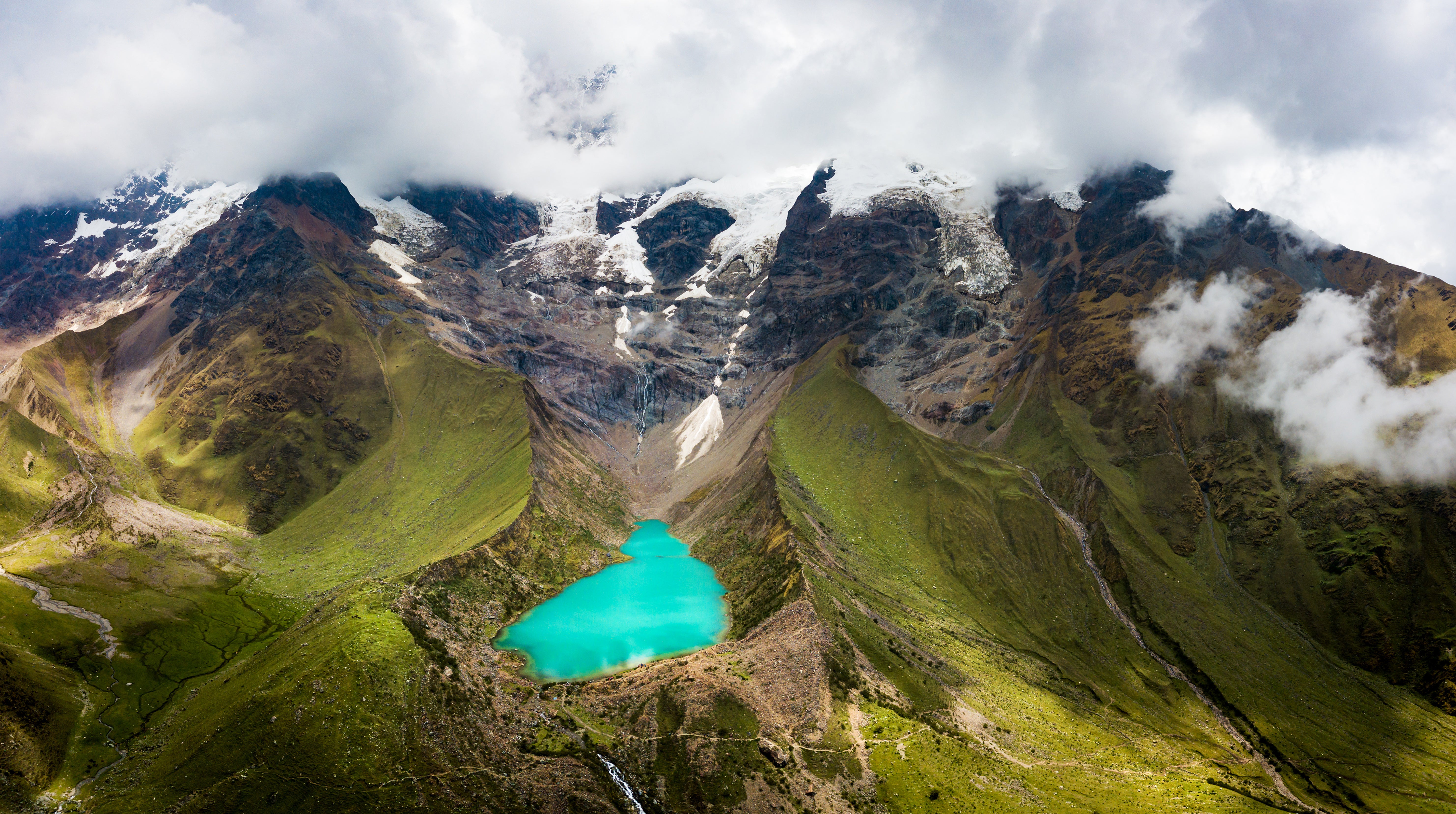
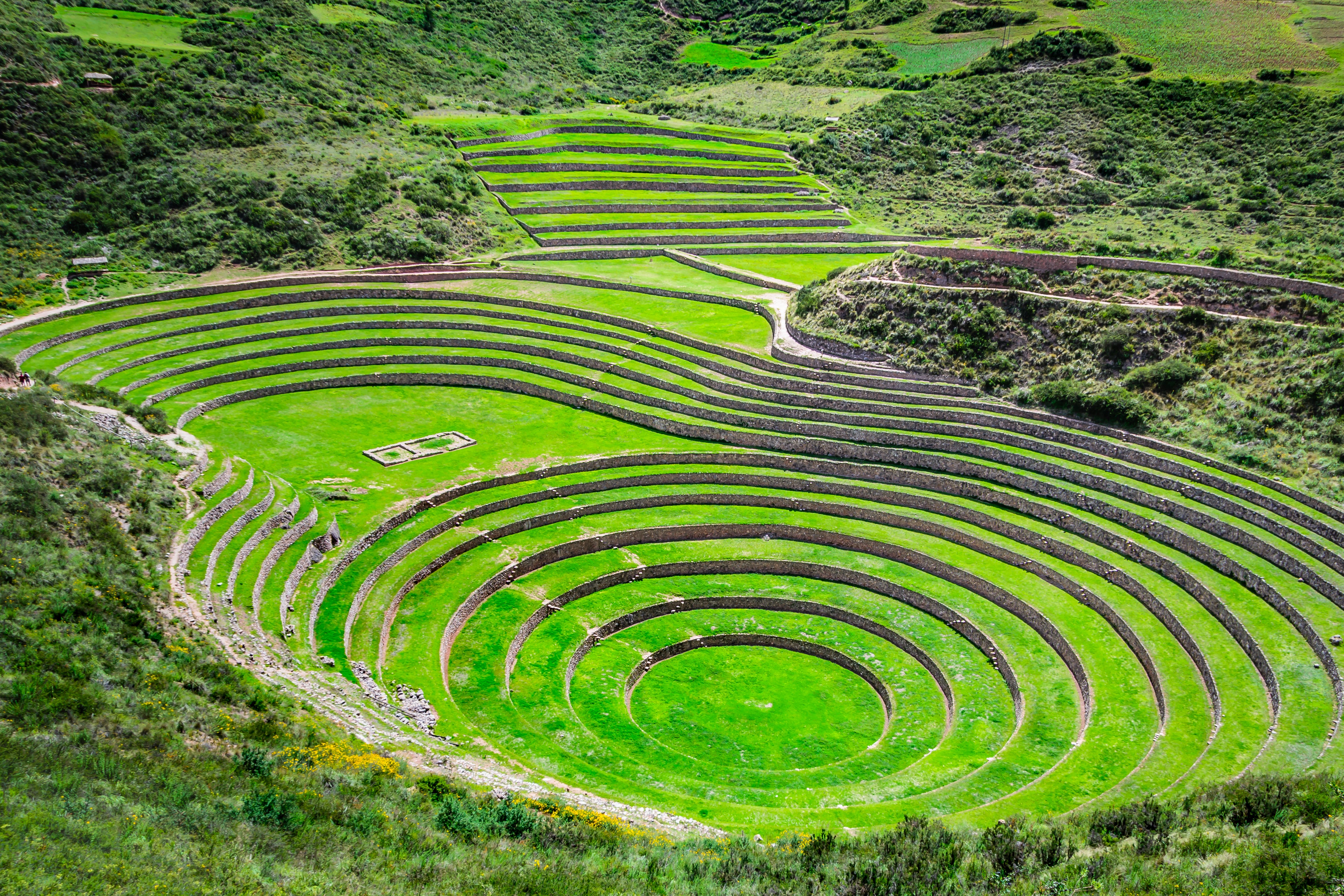
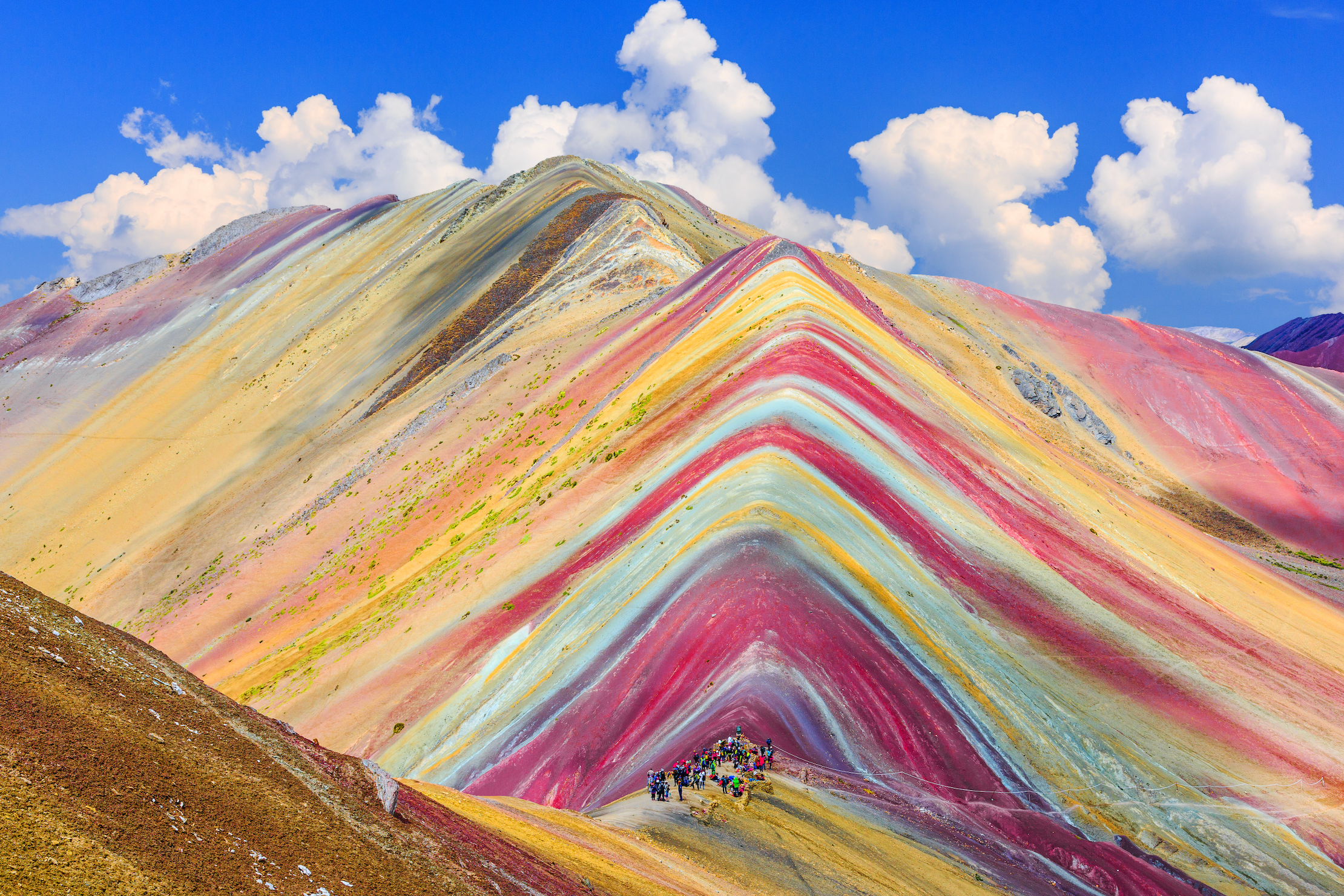
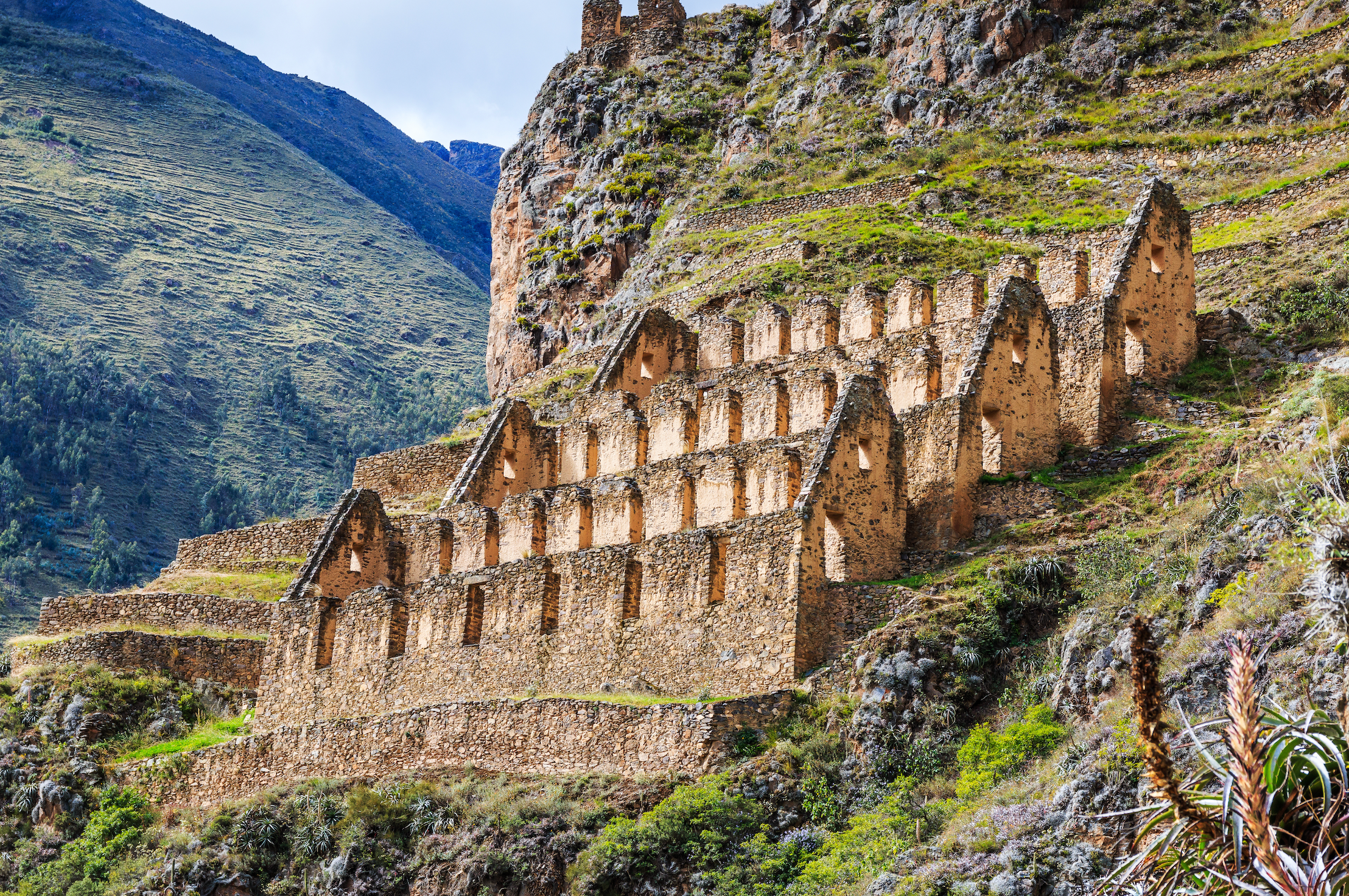
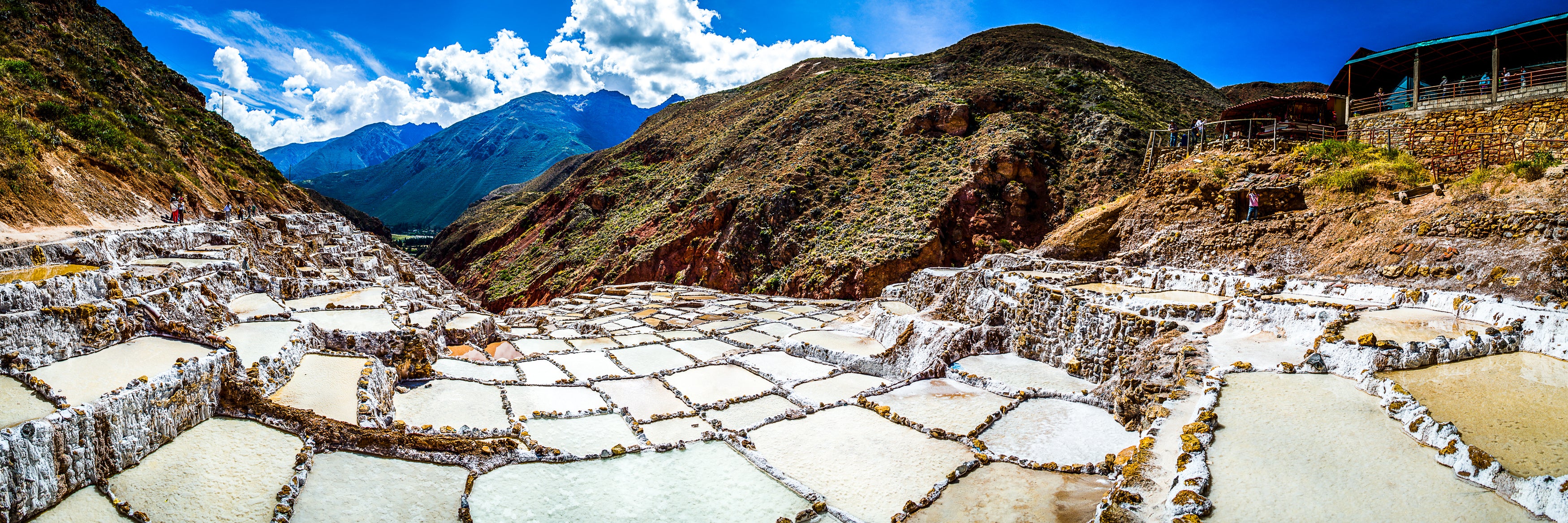
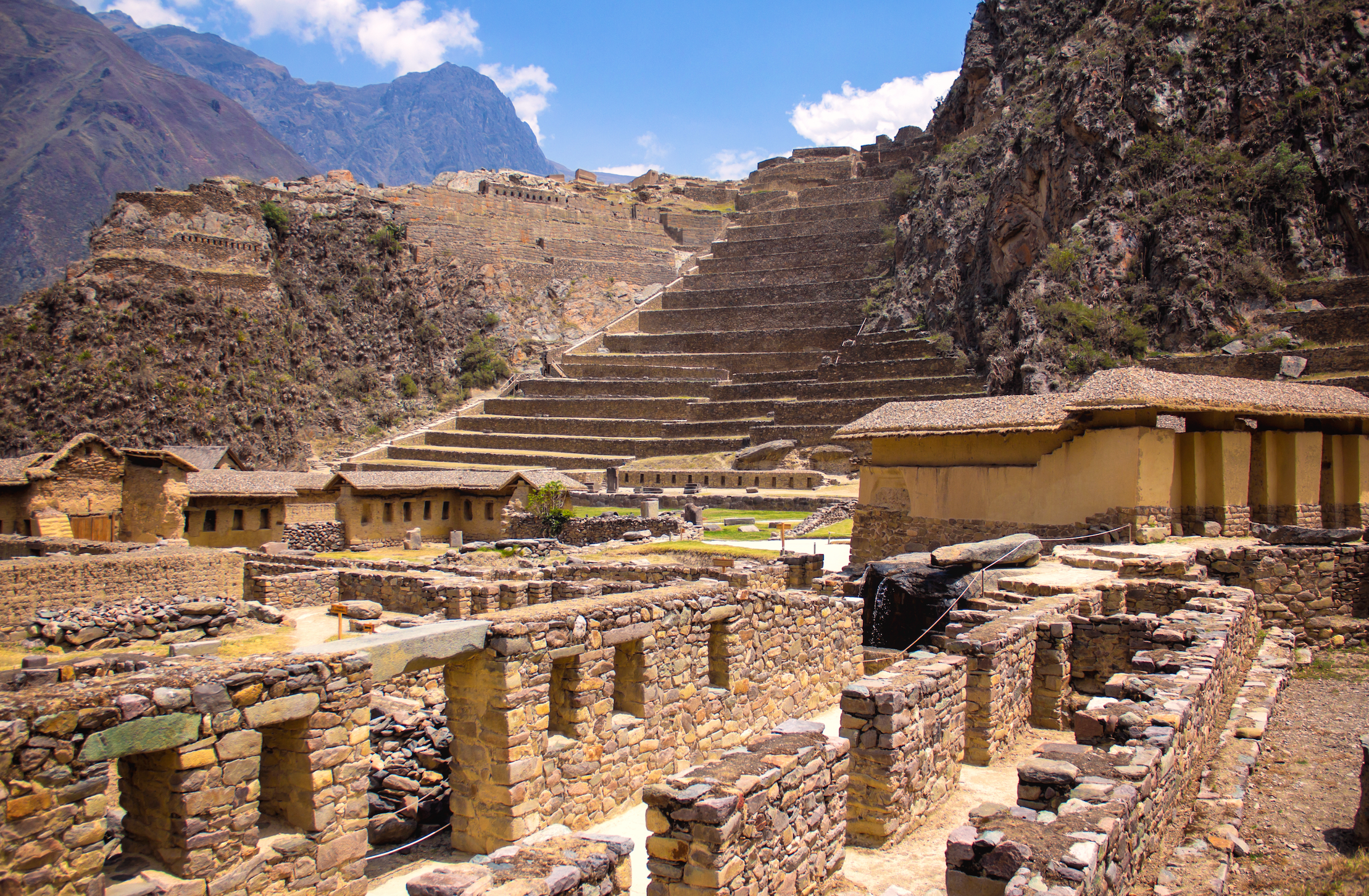
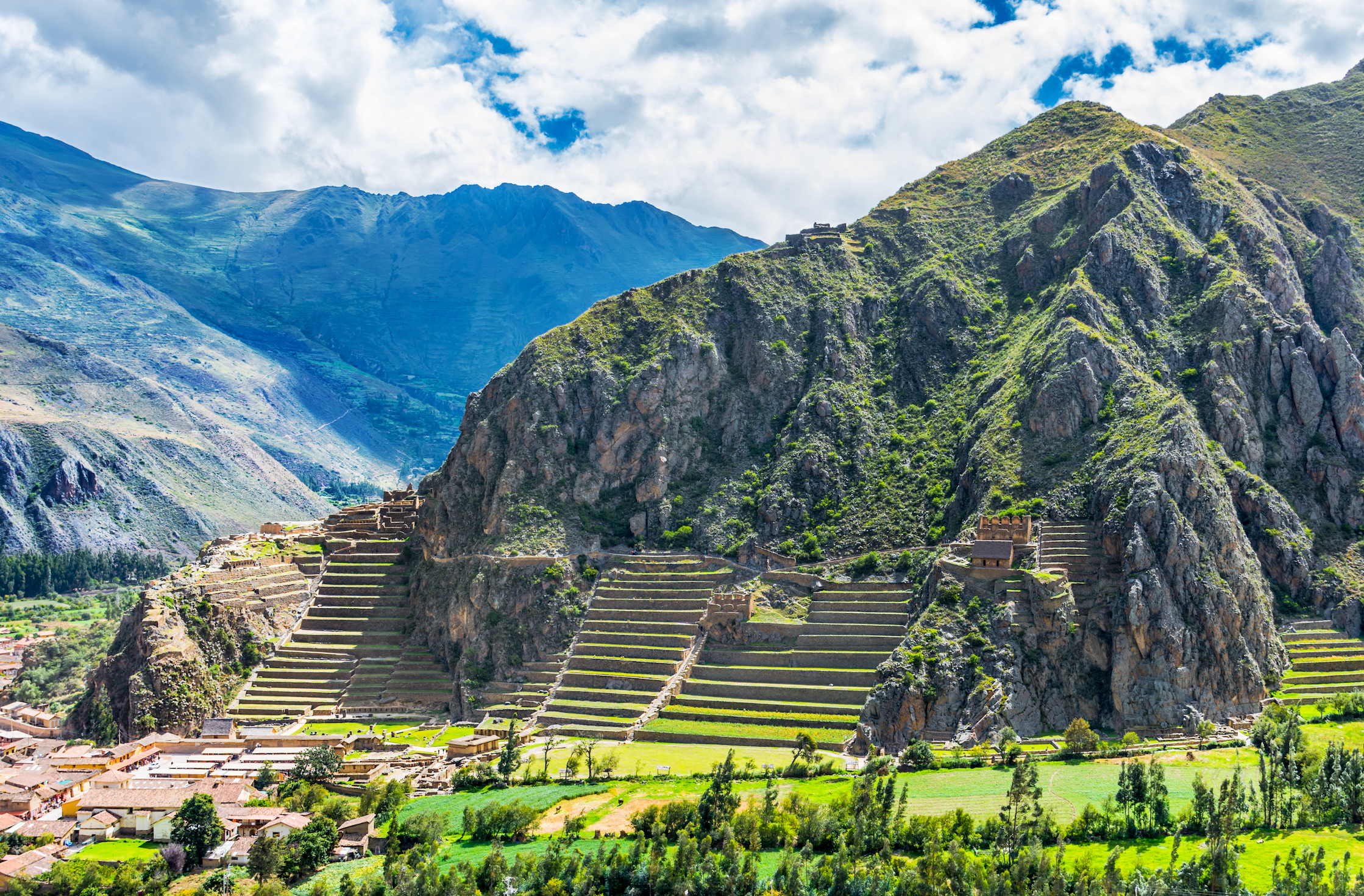
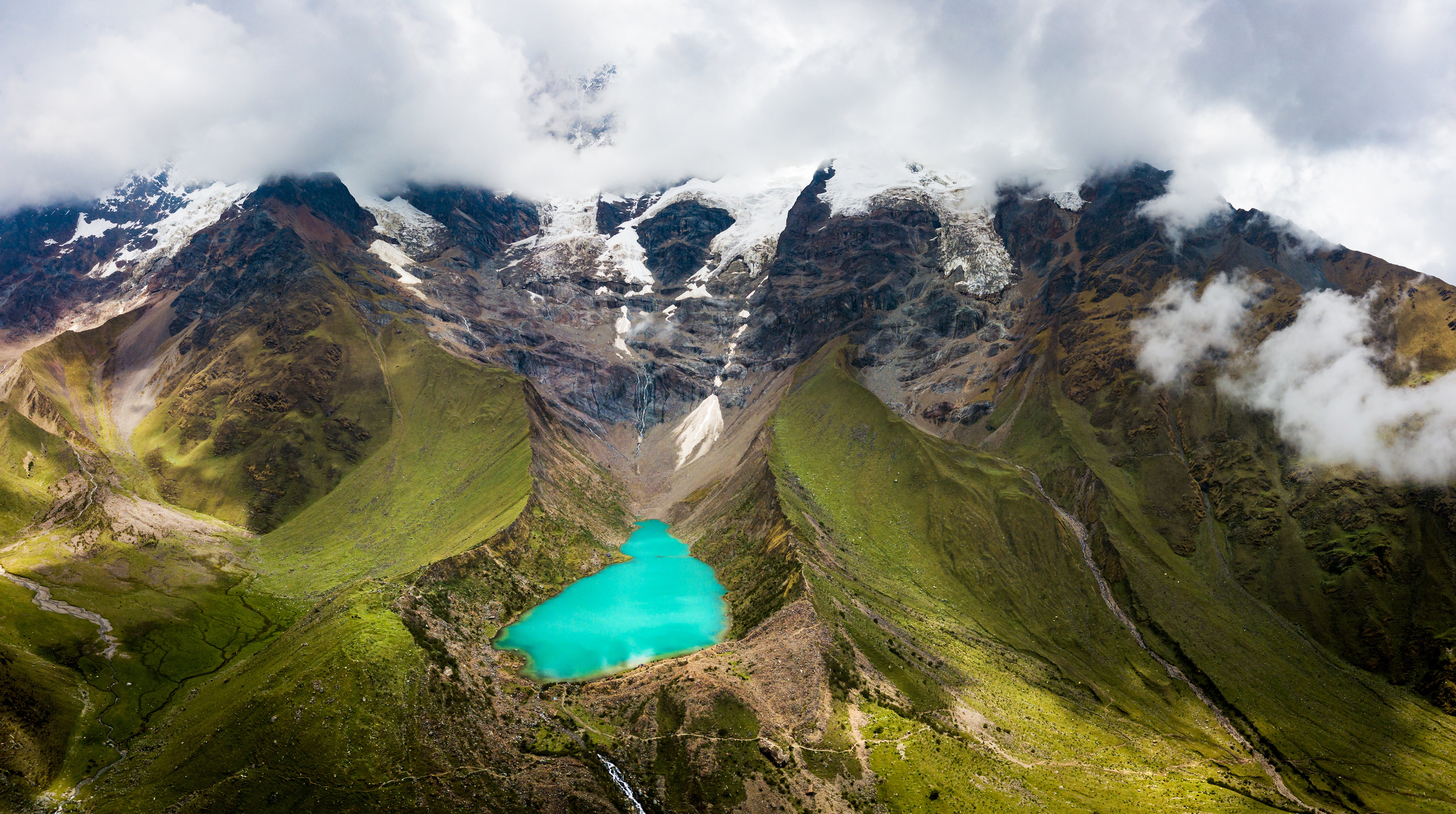
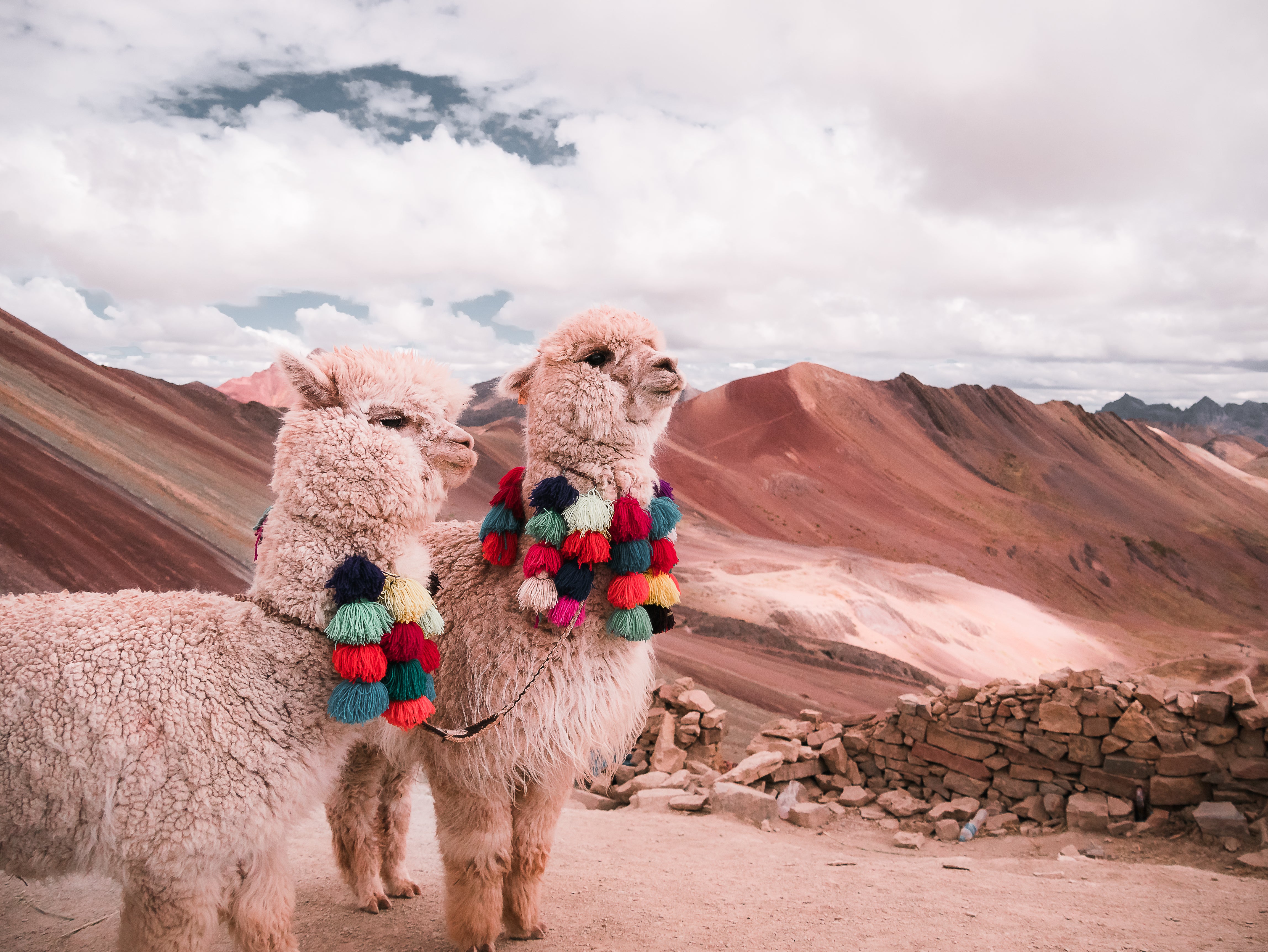
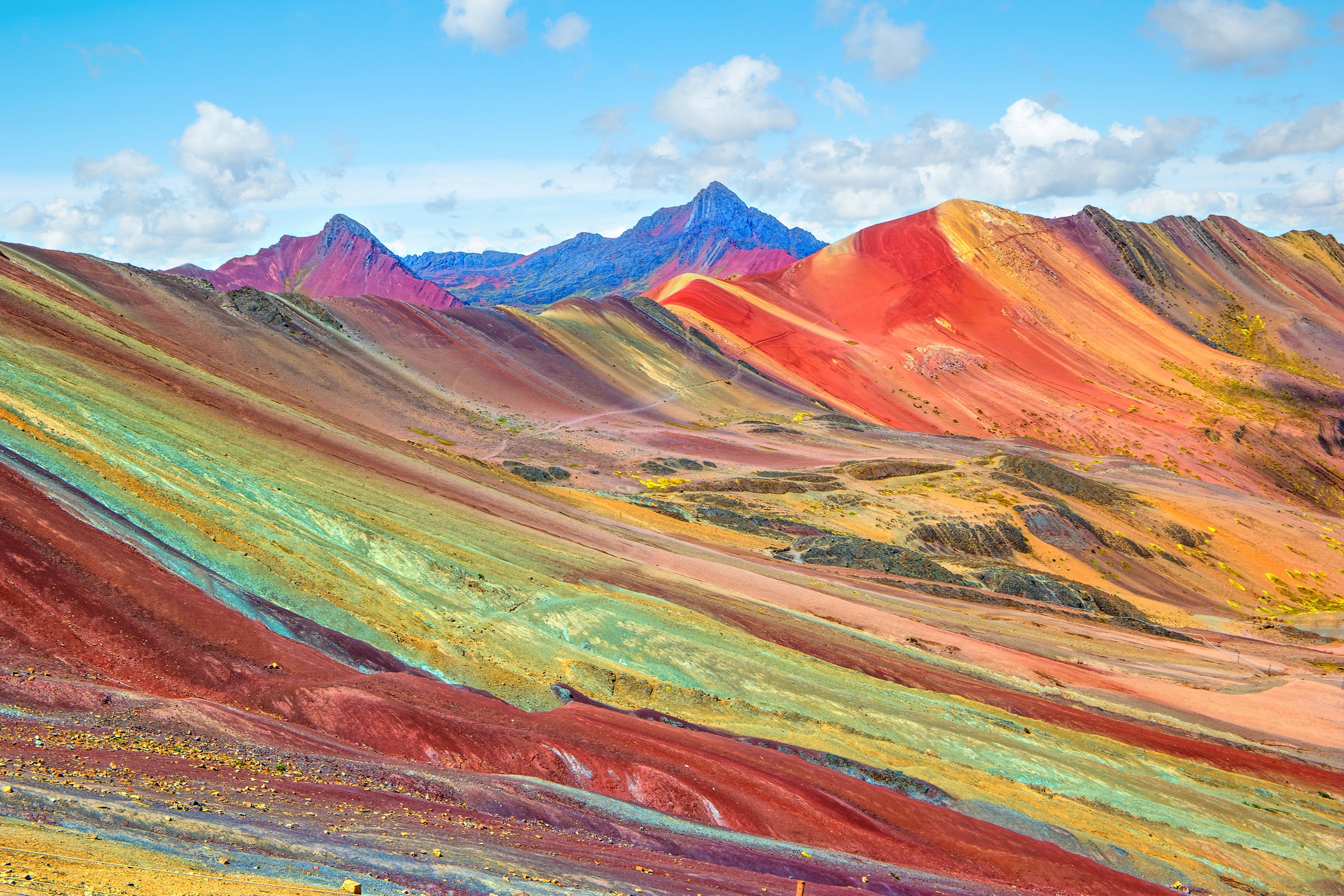
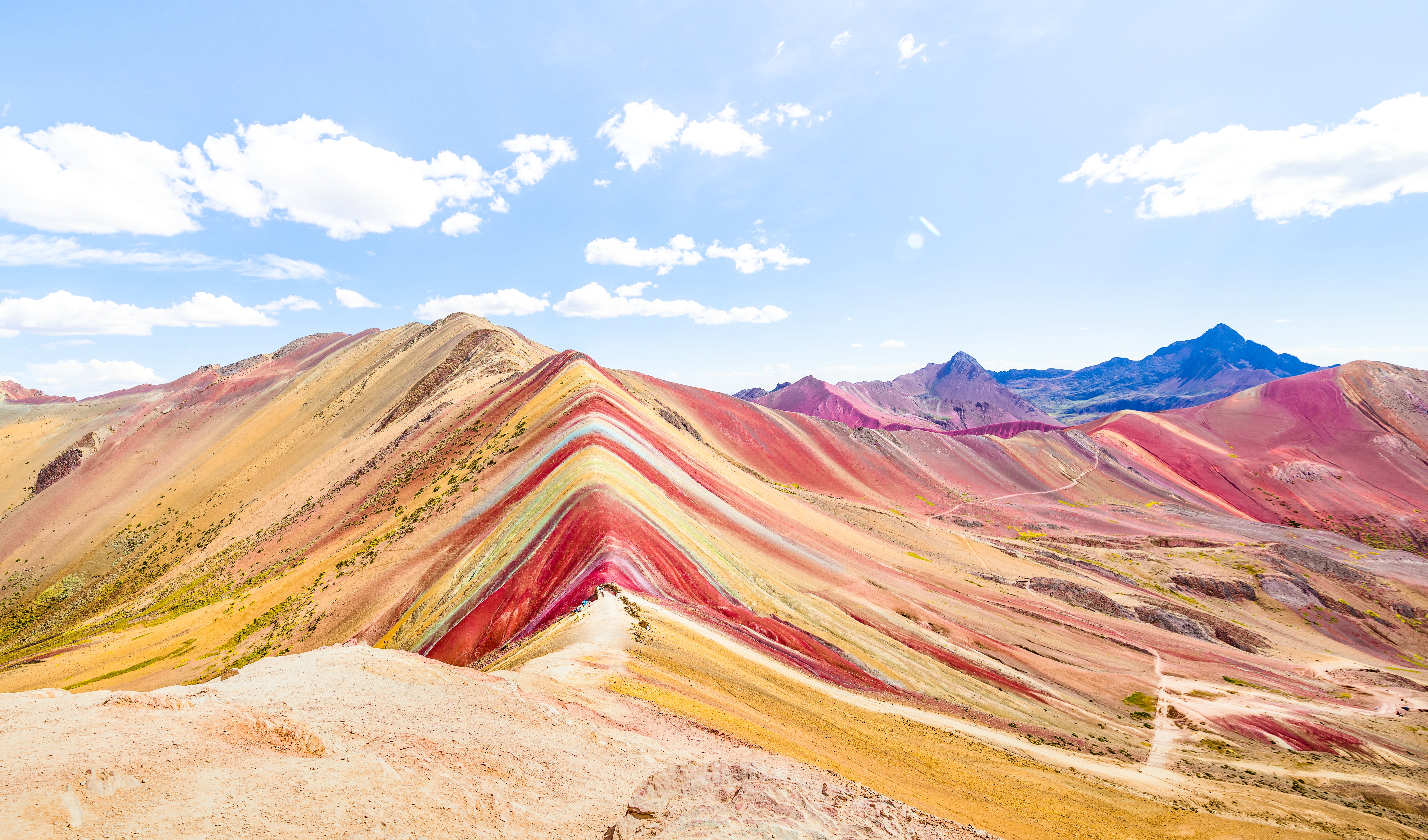
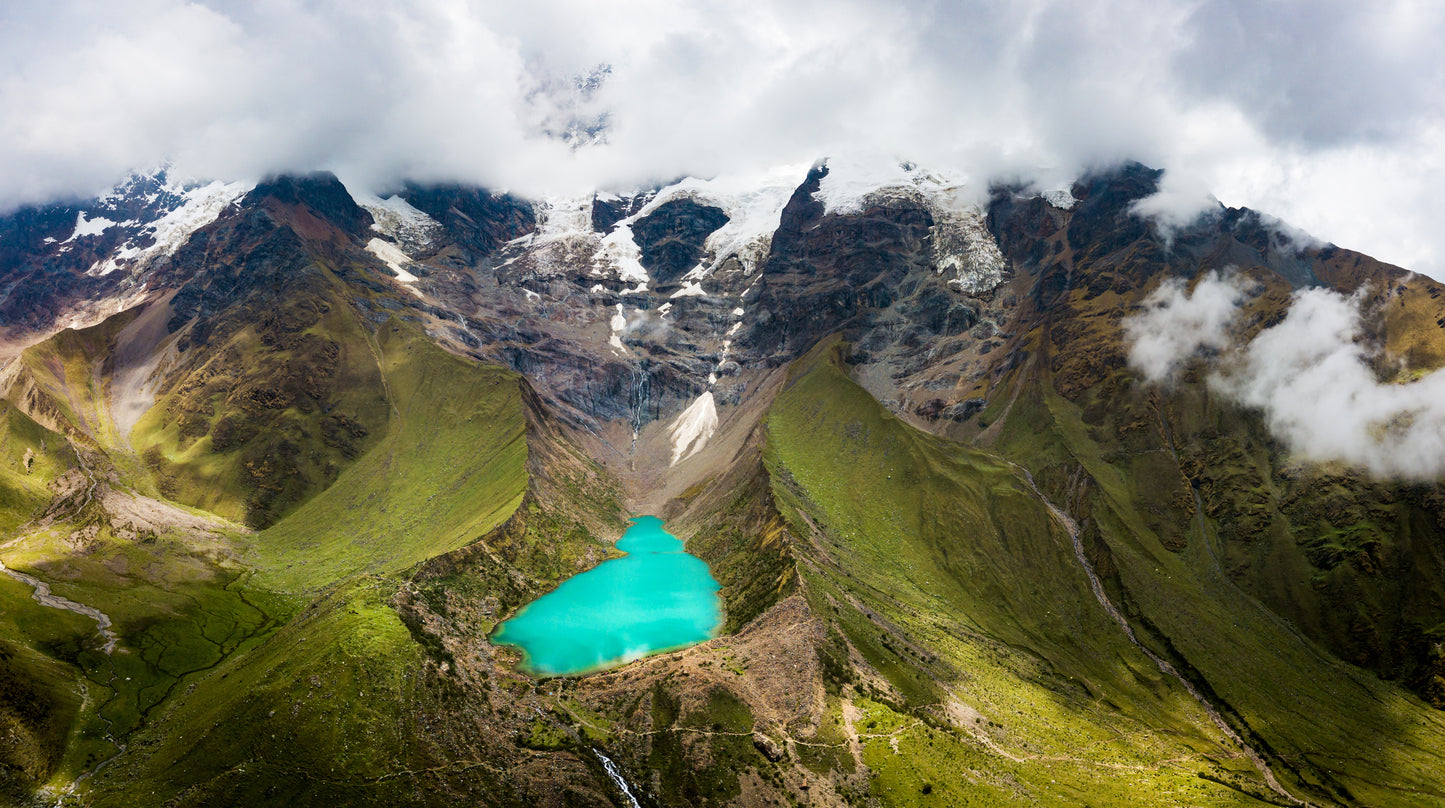
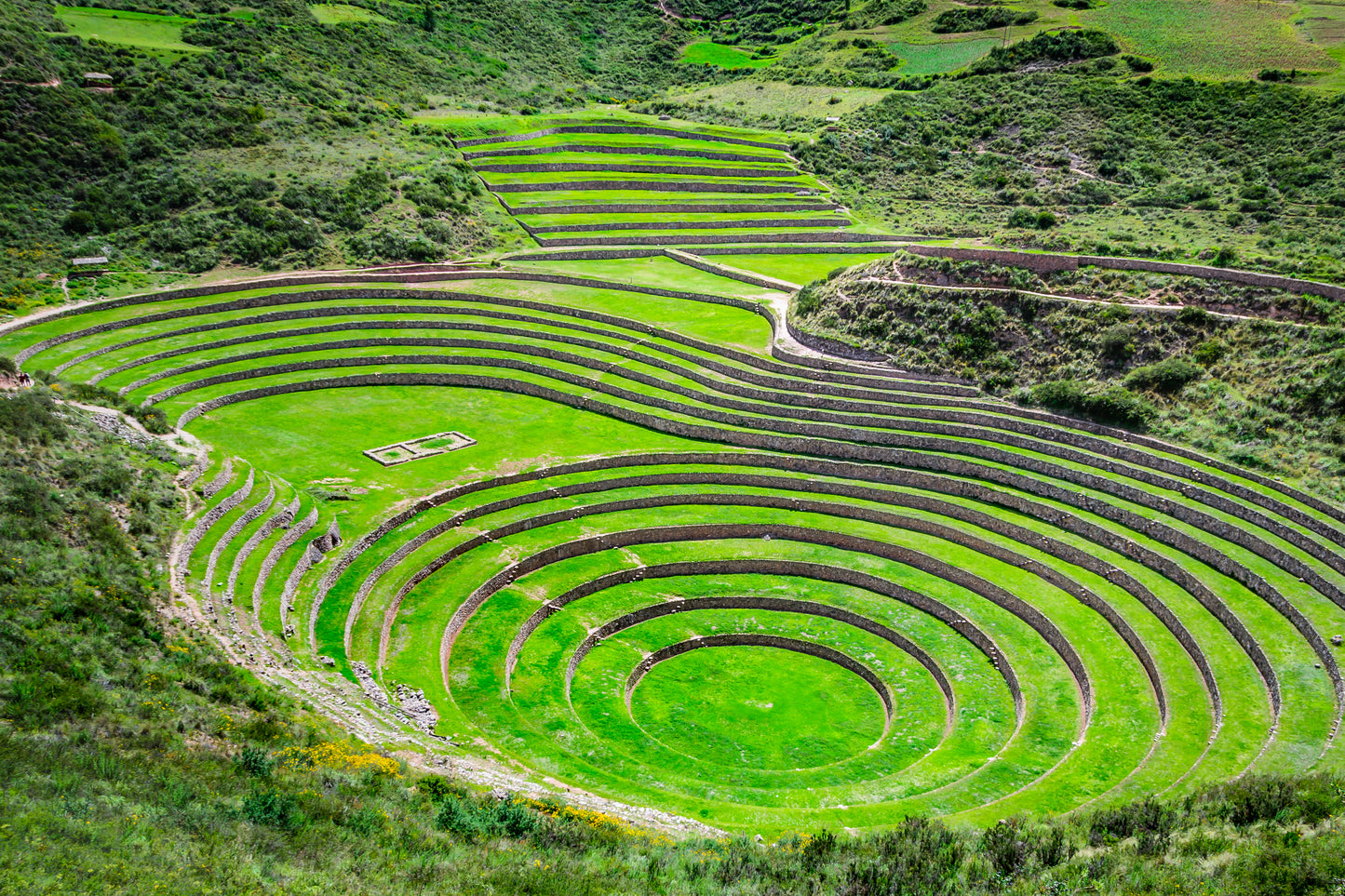
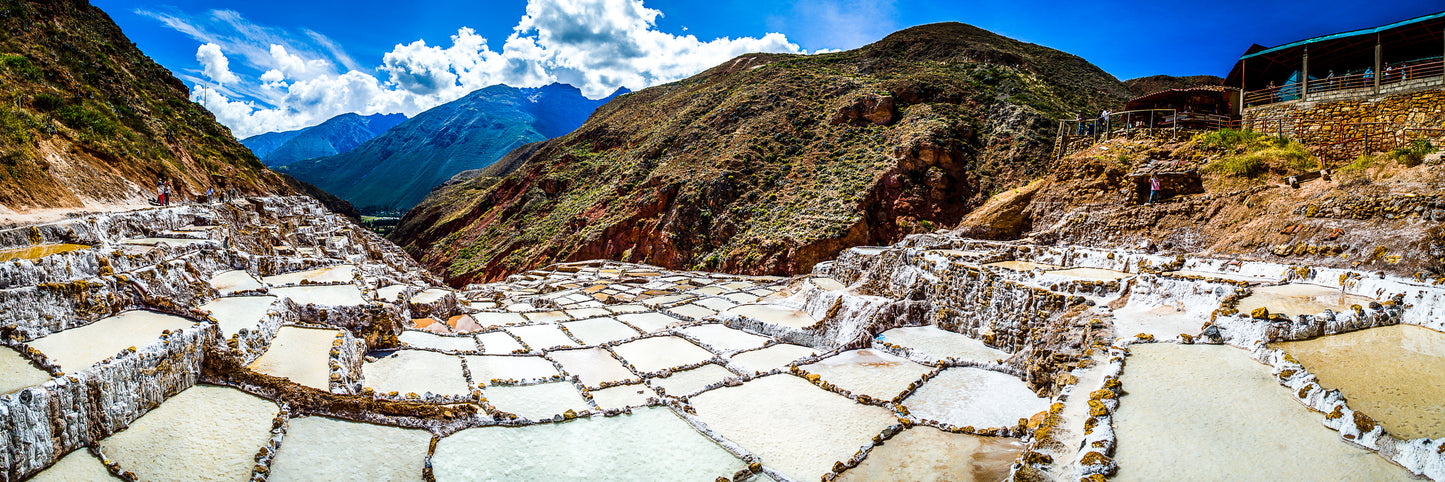
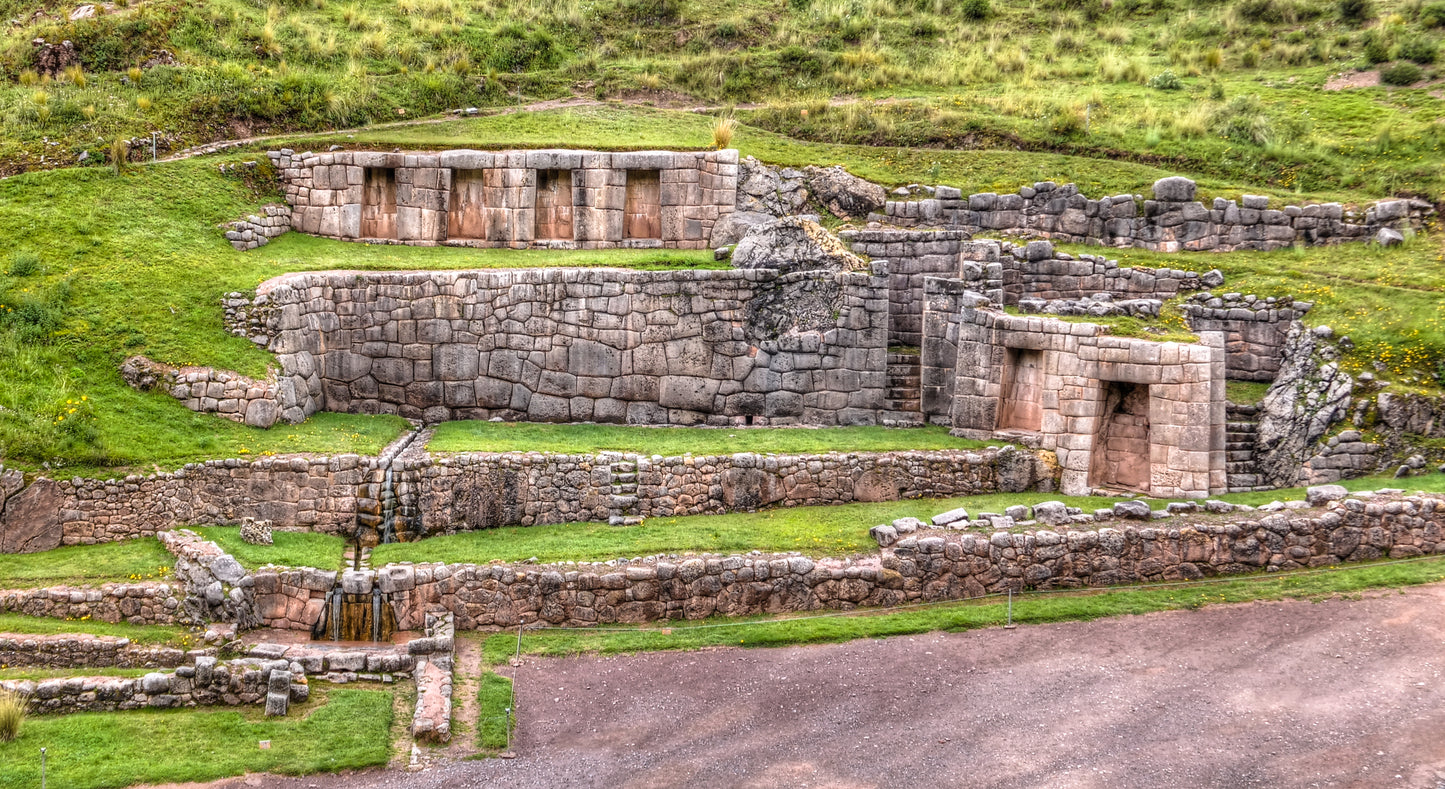
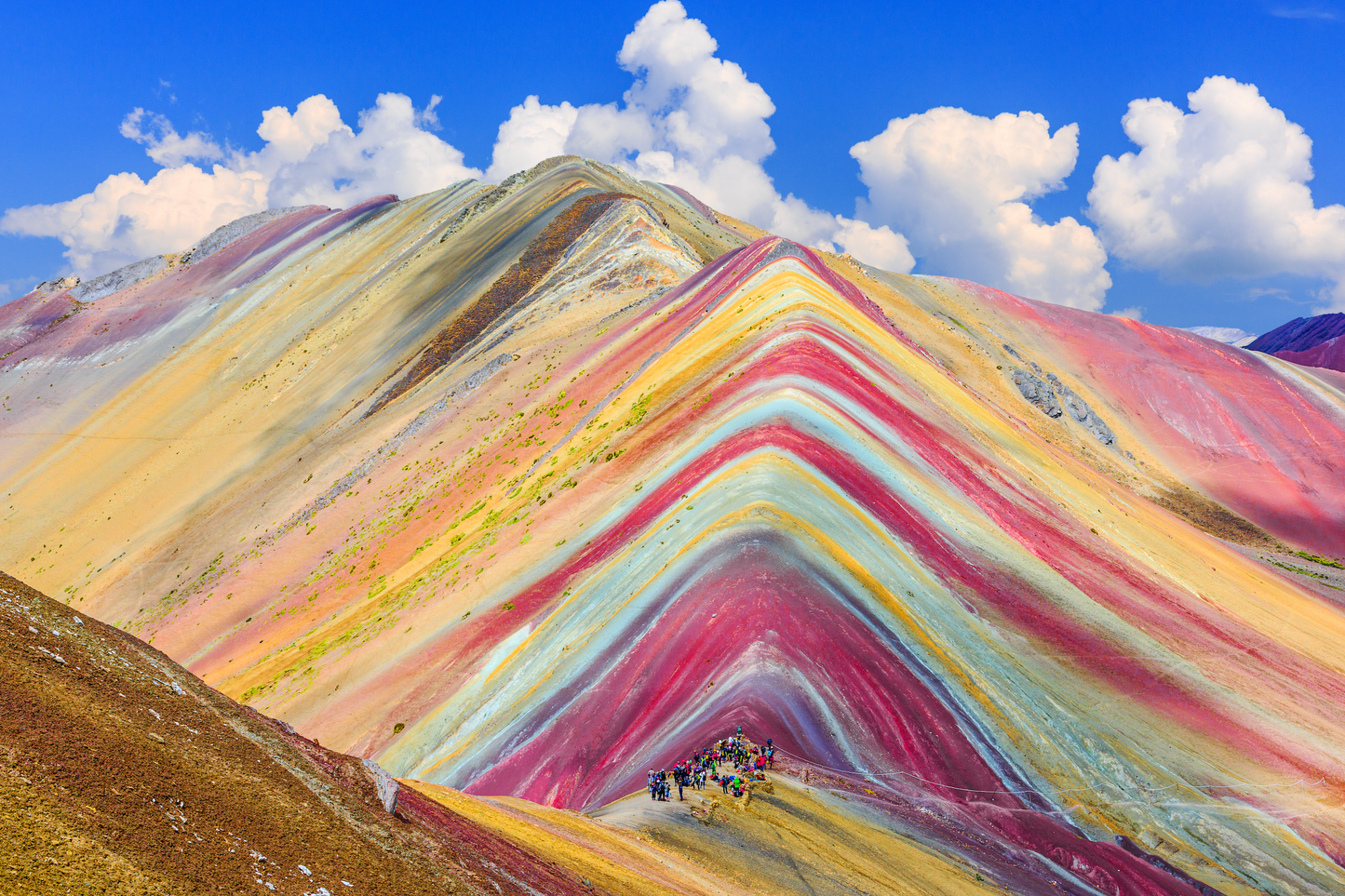
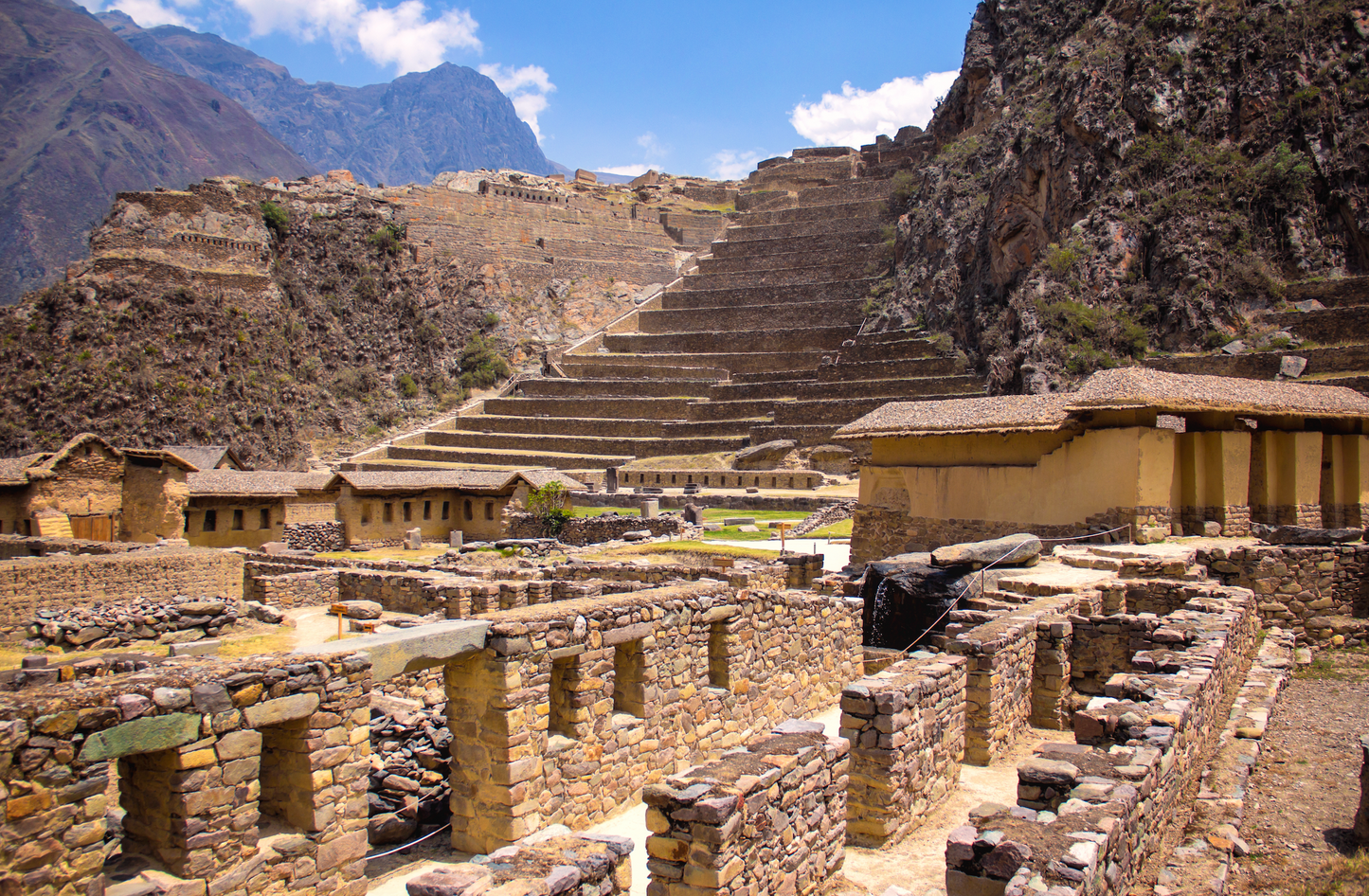
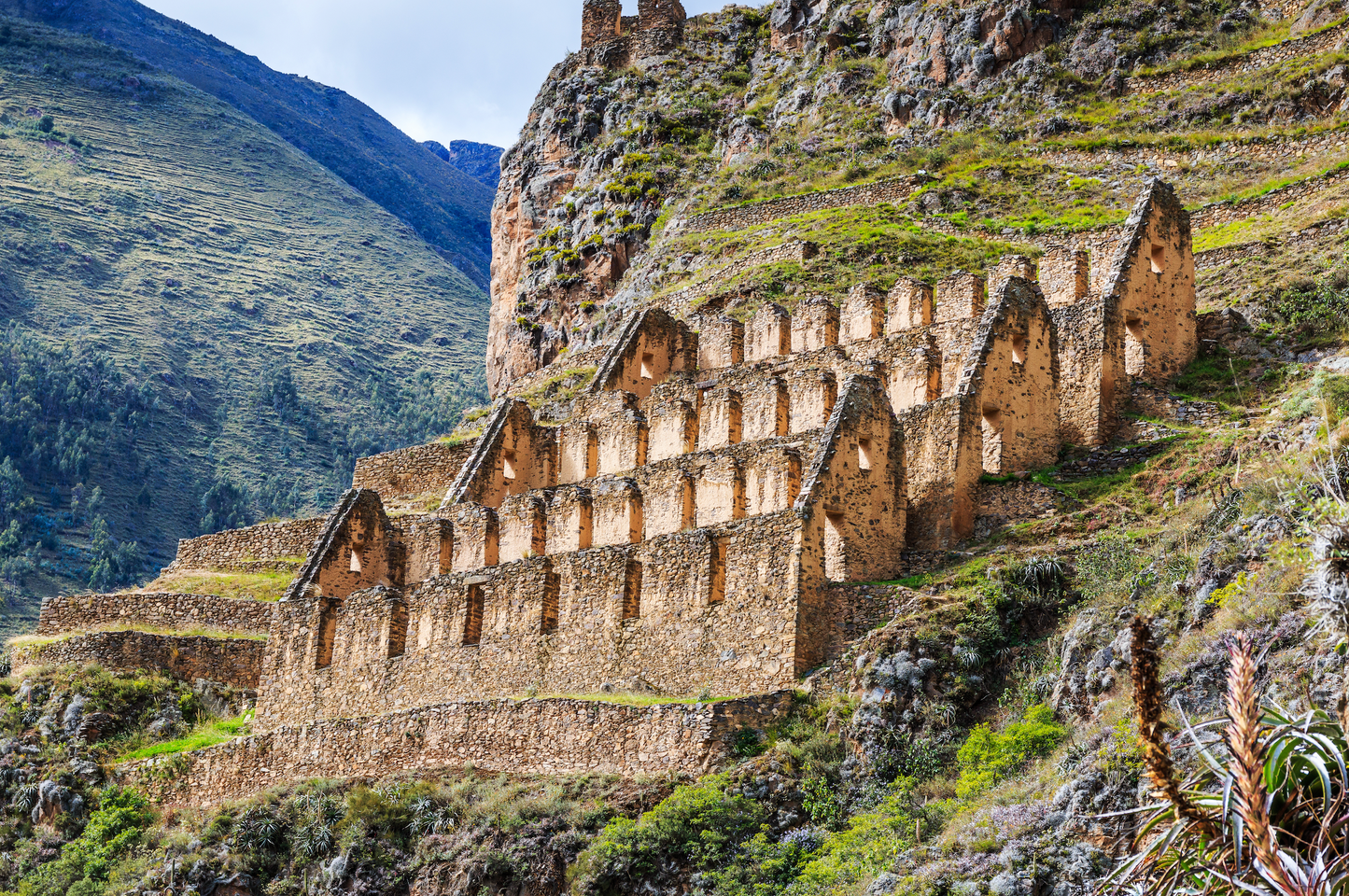
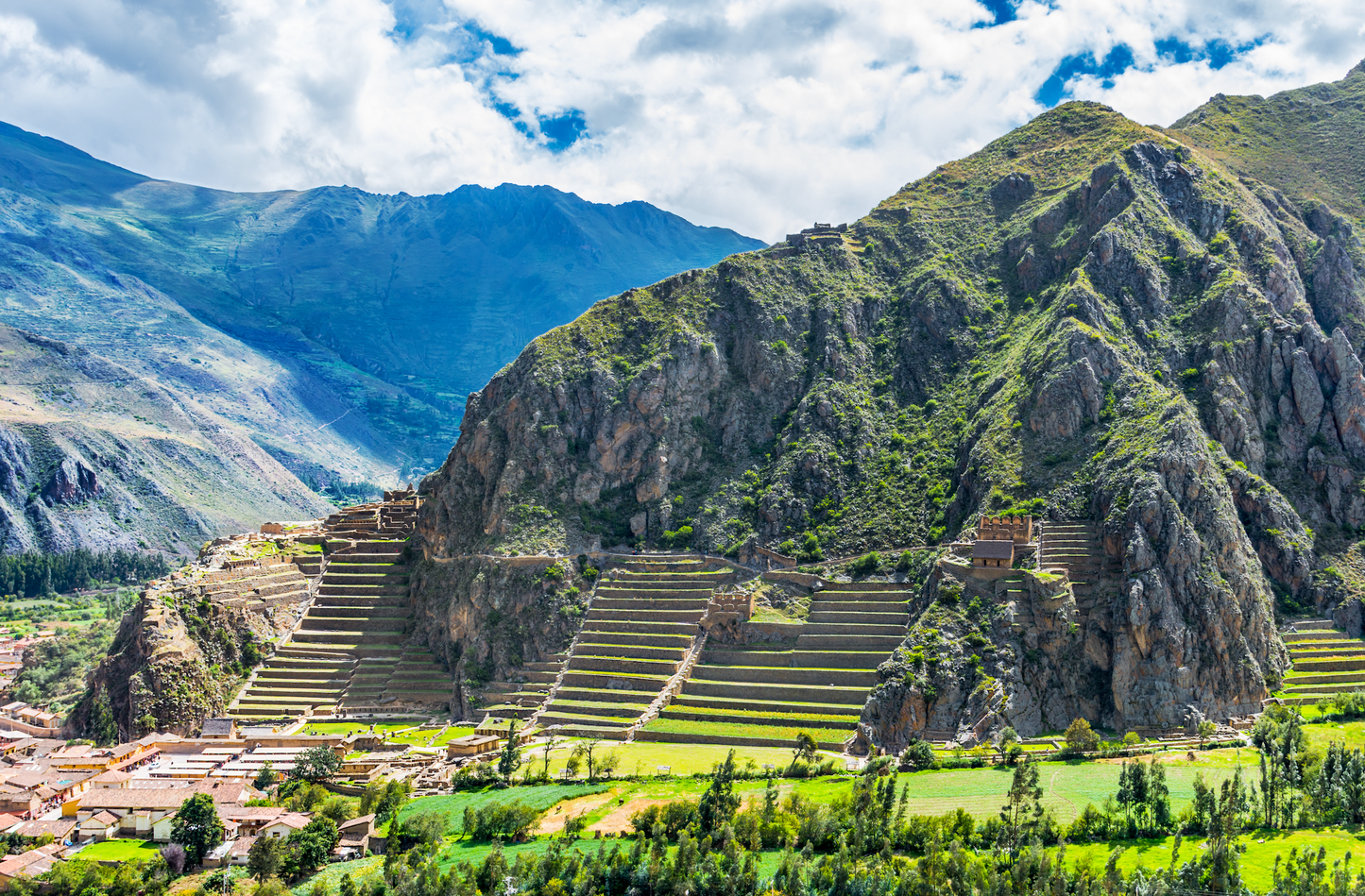
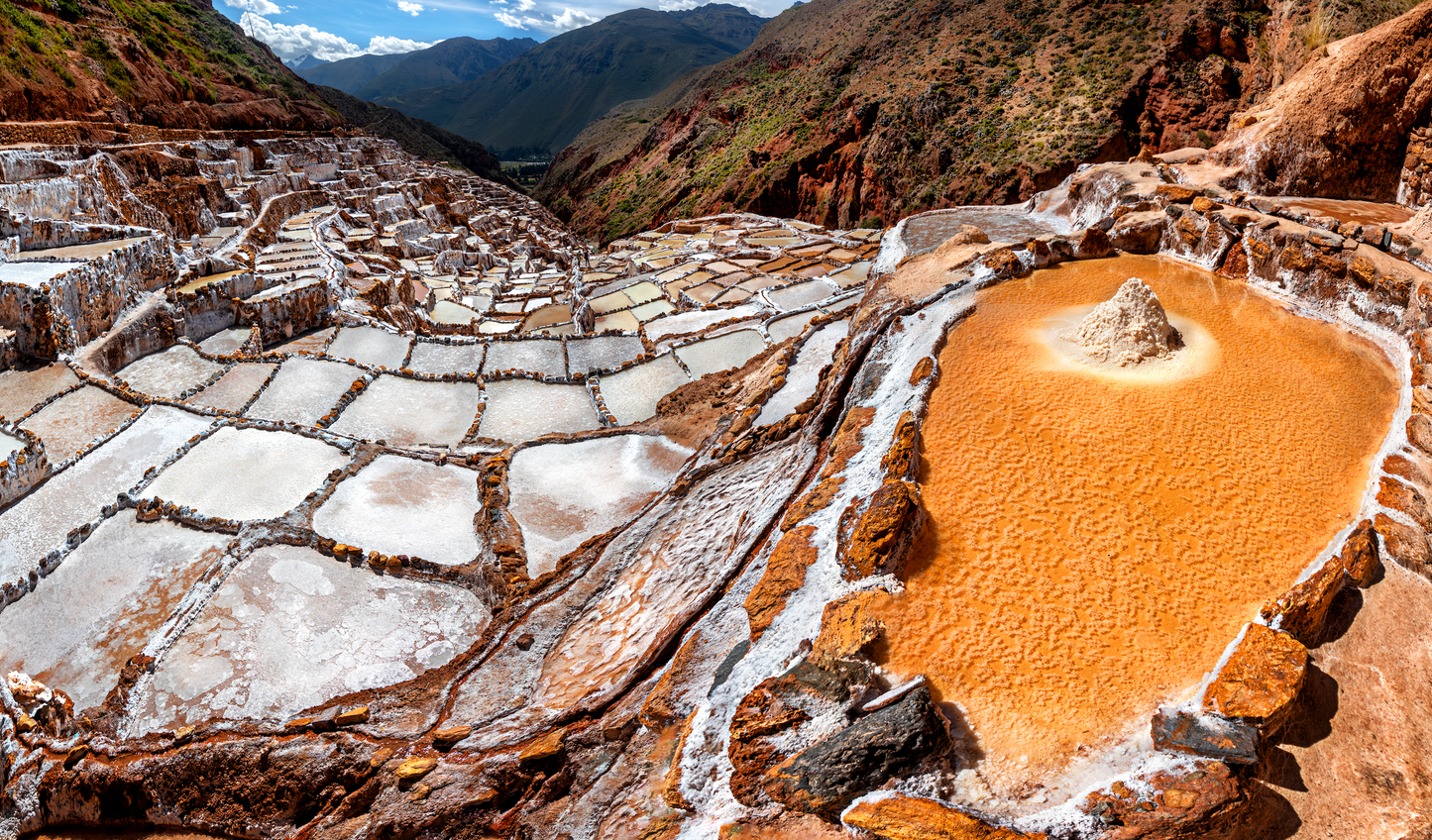
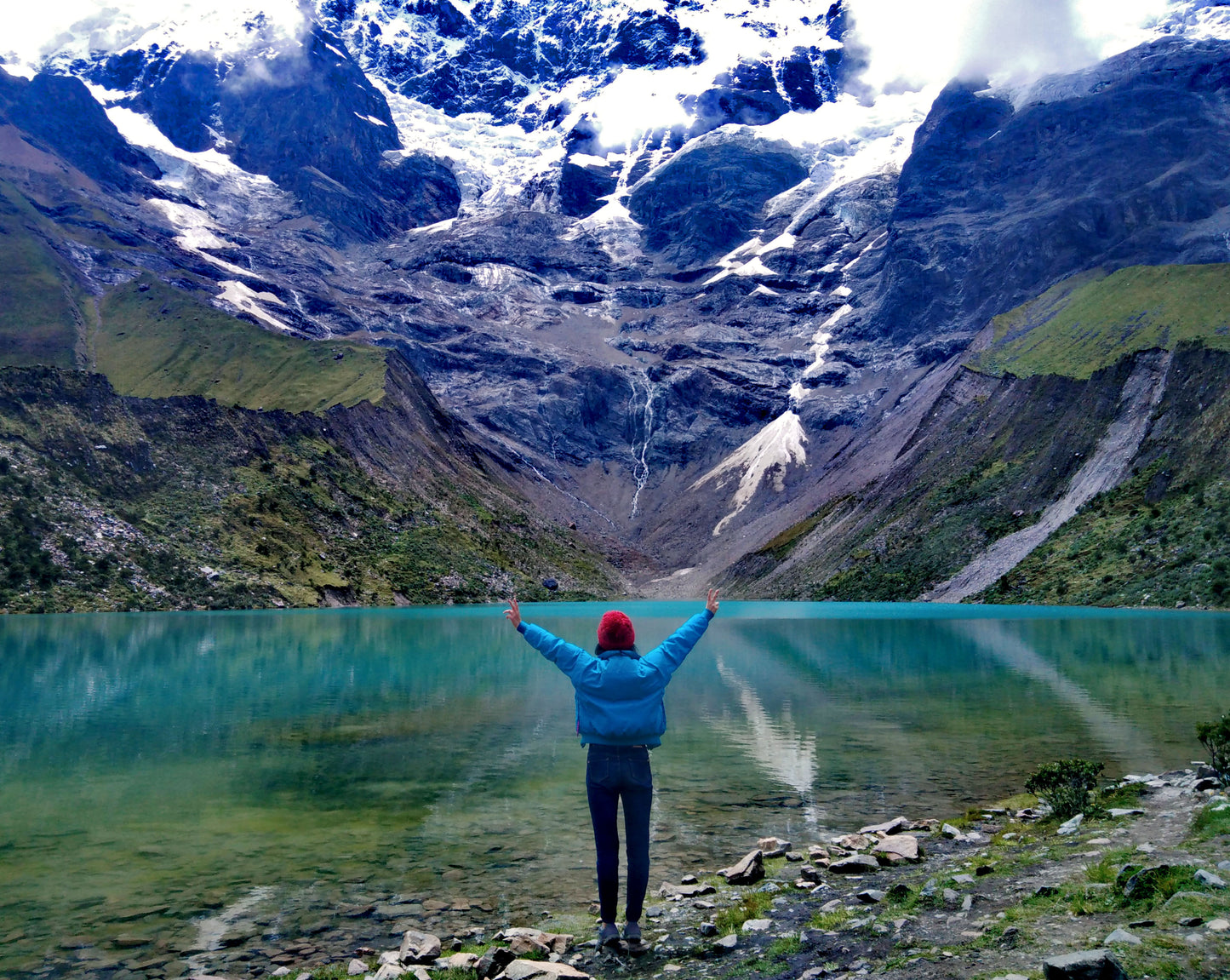
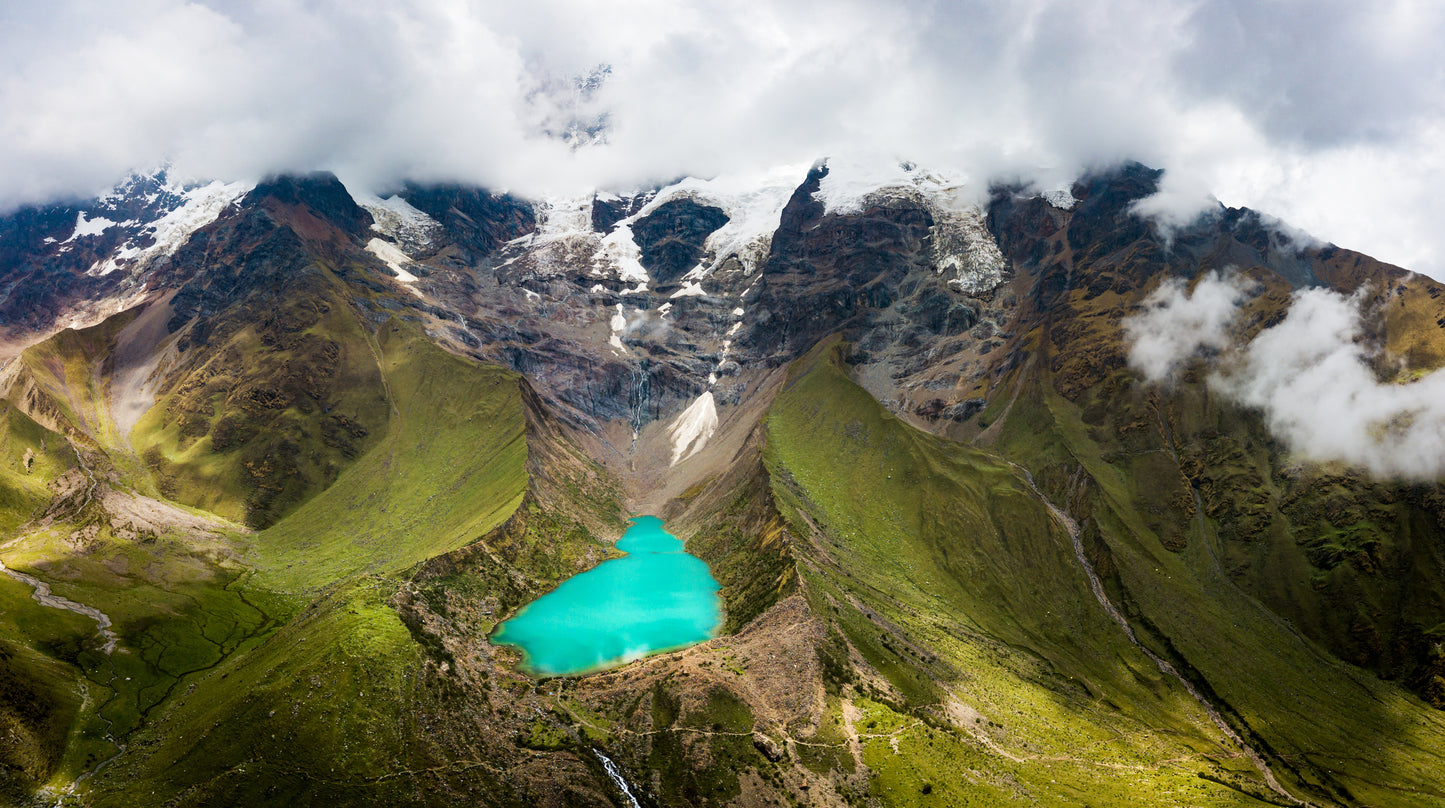
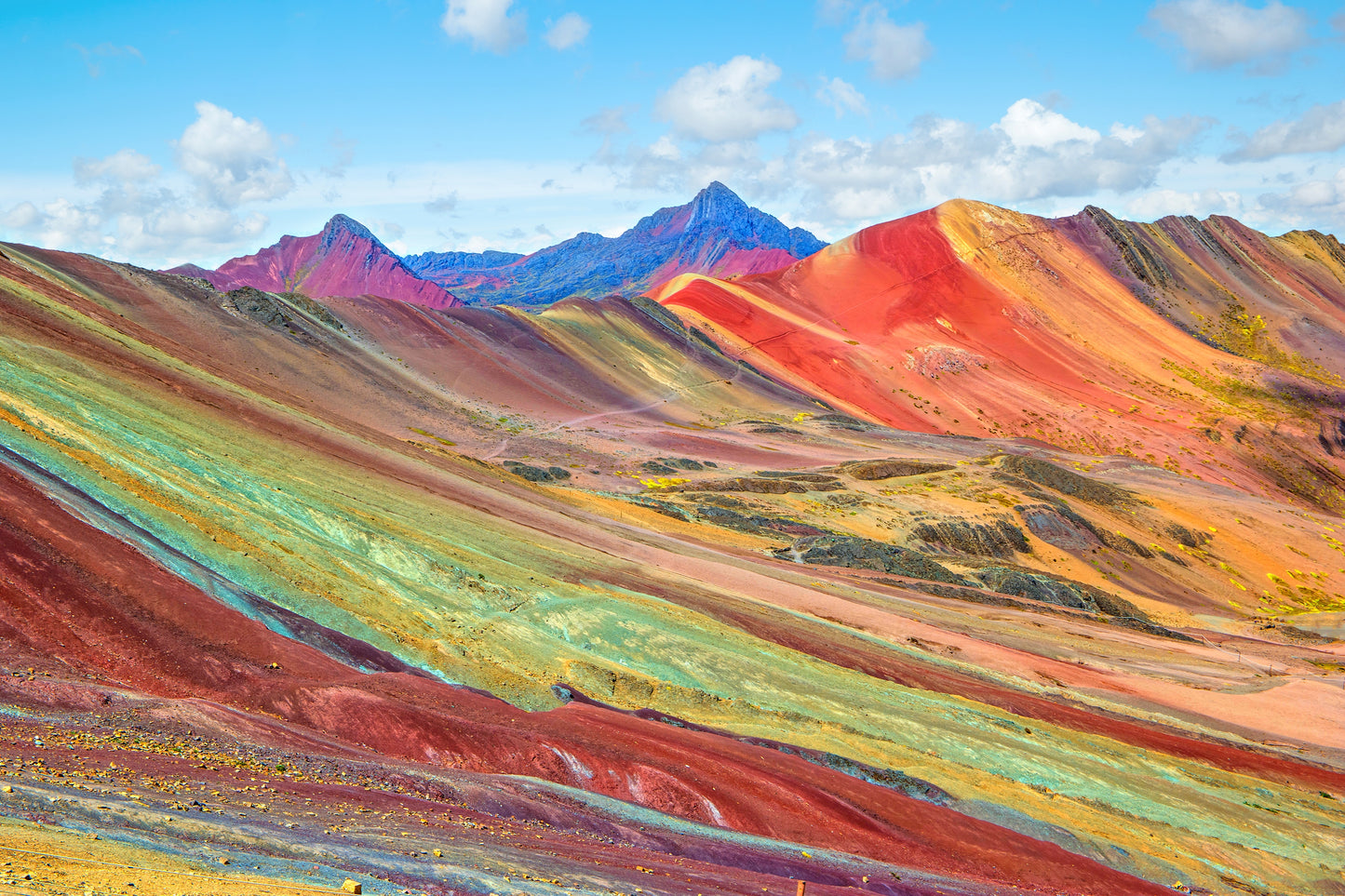
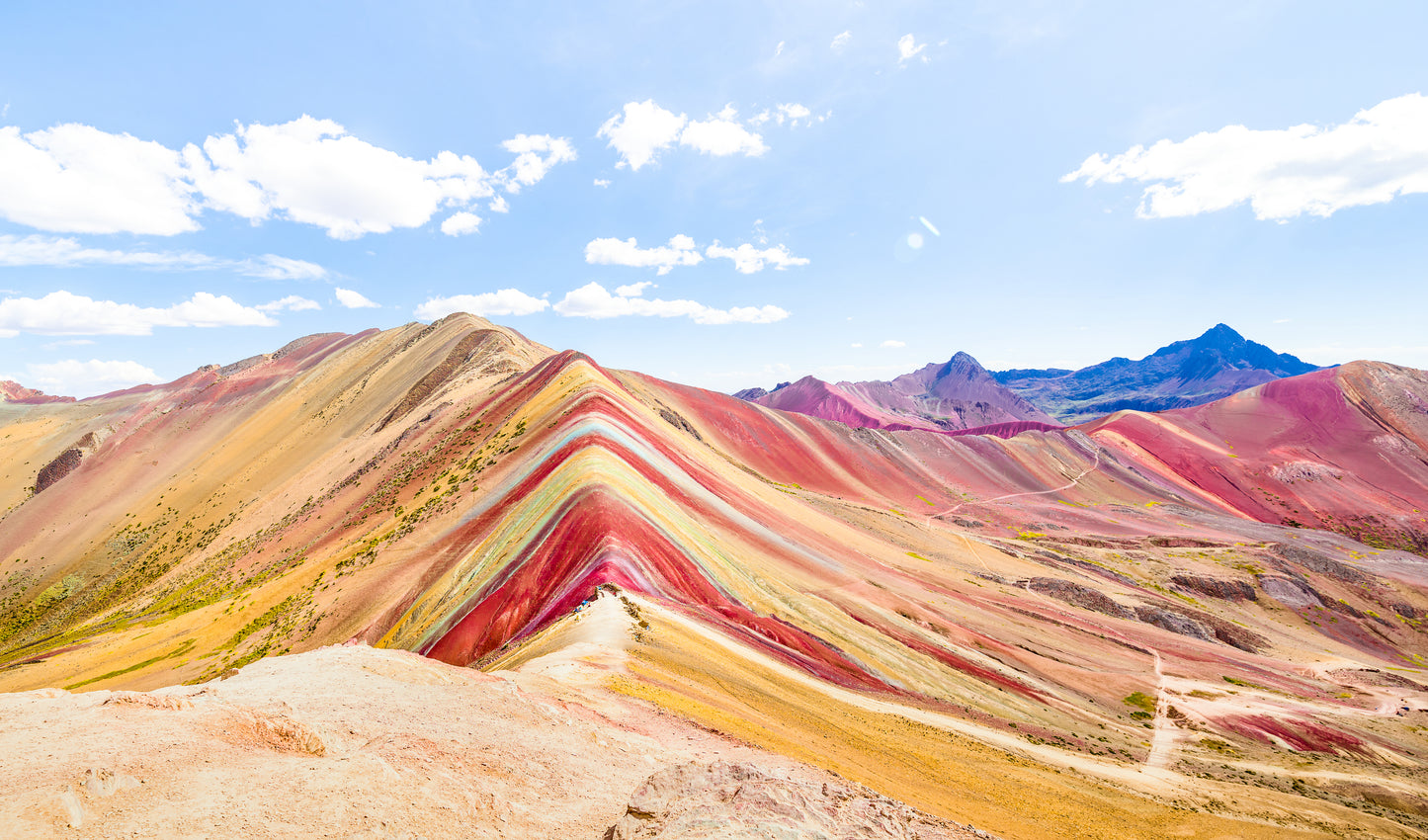
The Sacred Valley is often considered one of the most scenic areas in Peru, though many regions compete for that title. Each offers its own distinct beauty: Sacred Valley (Urubamba Valley): Known for terraced landscapes, Inca ruins like Ollantaytambo and Pisac, and traditional Quechua culture. Machu Picchu: One of the New Seven Wonders of the World, set among dramatic mountain and jungle scenery. Rainbow Mountain (Vinicunca): Located at 5,200 m, famous for its colorful mineral-striped slopes. Colca Canyon: One of the deepest canyons in the world, reaching over 3,270 m in depth. Arequipa: A UNESCO-listed city built from white volcanic stone and surrounded by prominent volcanoes.
What is the nicest city in Peru?
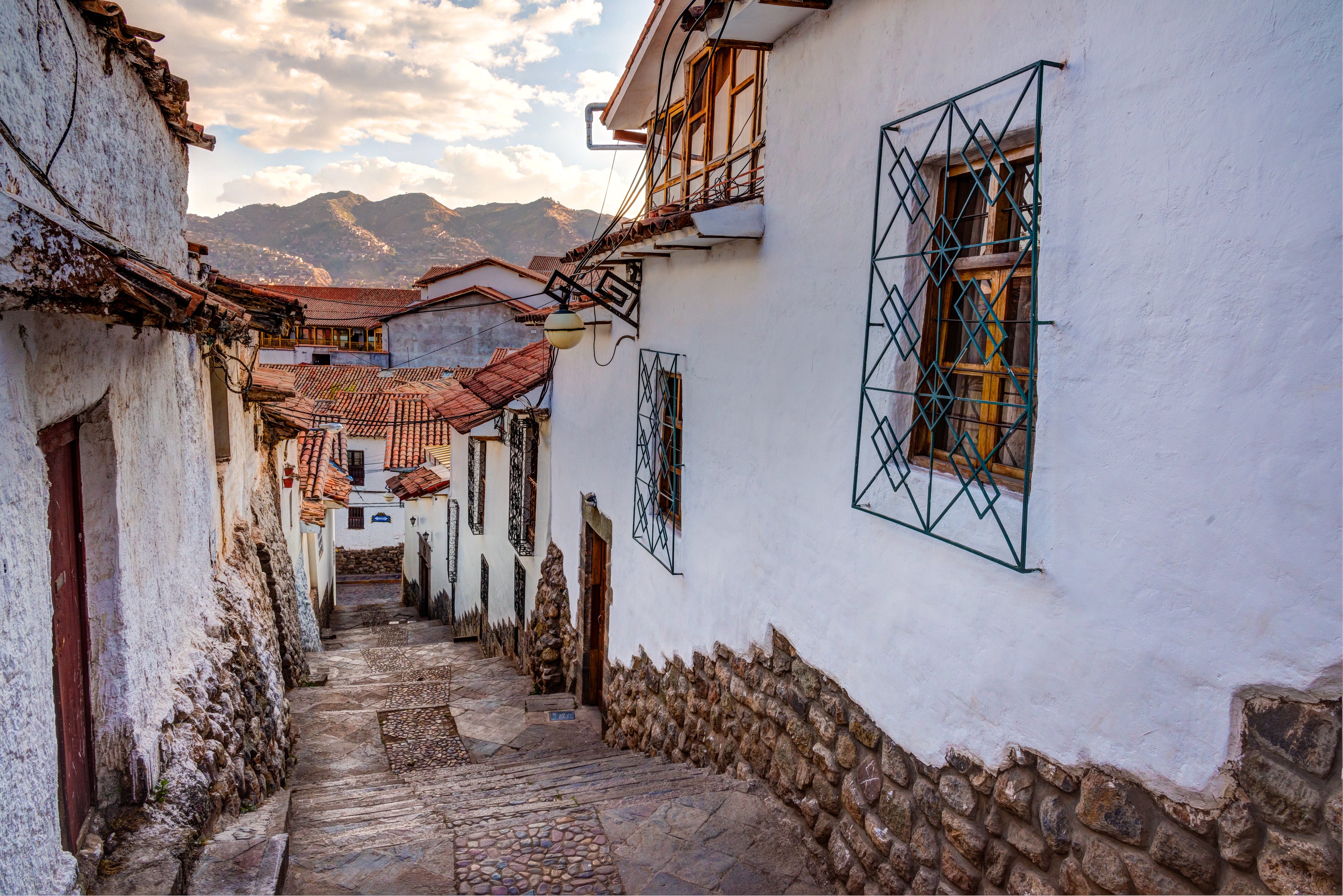
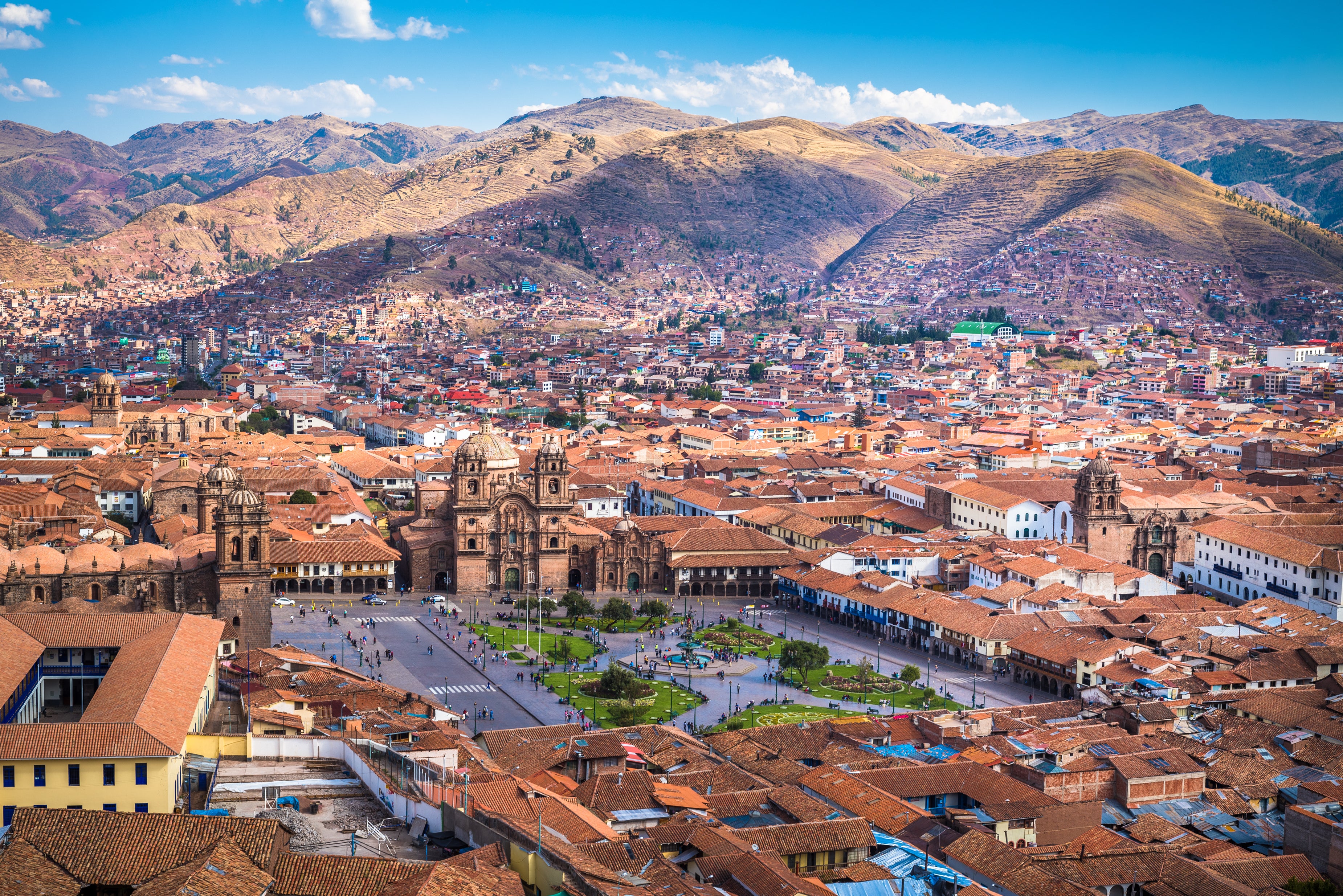
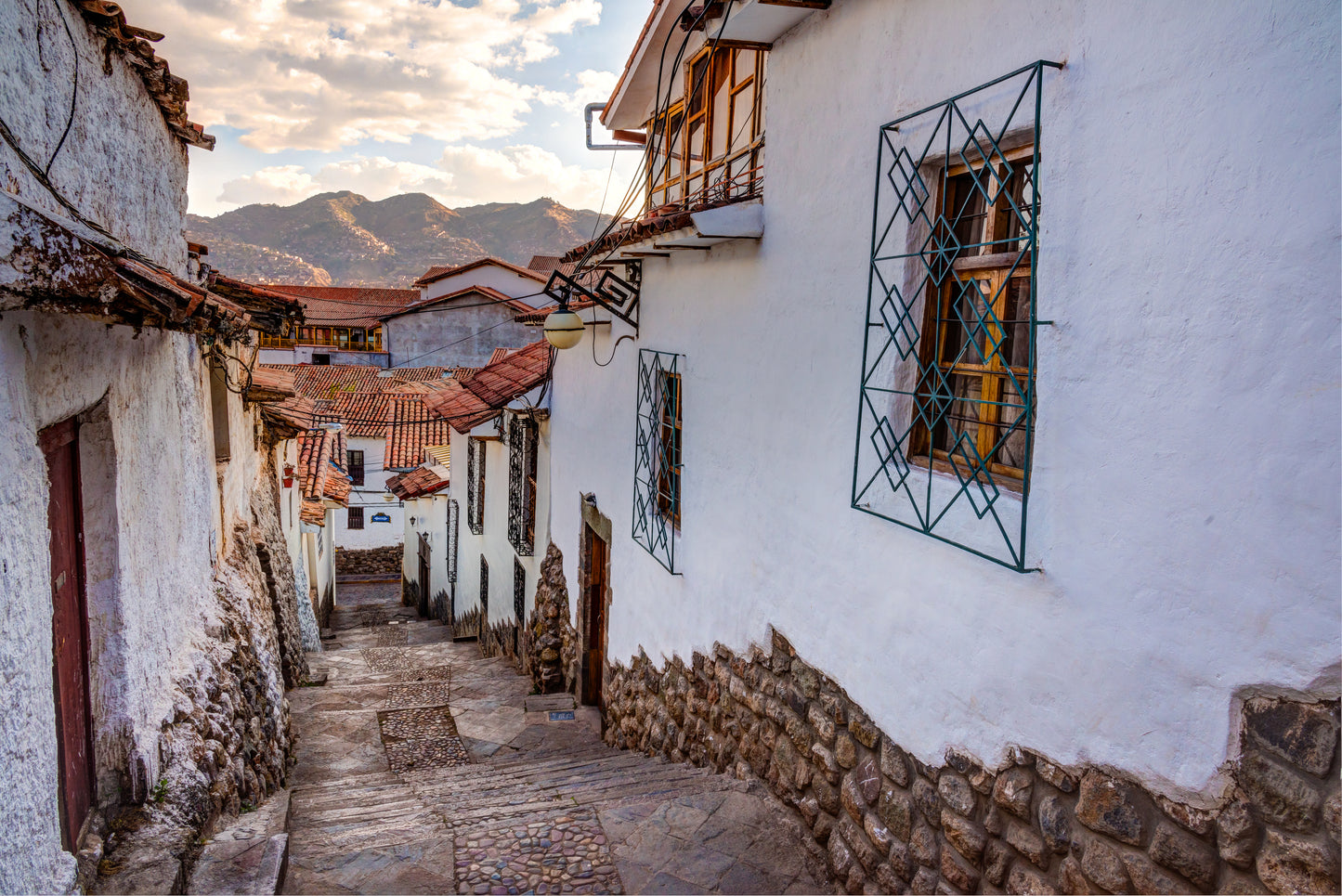
Cusco and Lima are often considered the most attractive cities for visitors: Lima: The capital and largest city, known for its historic center, major museums, and world-renowned dining scene. Cusco: A UNESCO World Heritage Site and former Inca capital, famous for its blend of Inca and colonial architecture and as the gateway to Machu Picchu. Arequipa: Known as the “White City,” admired for its architecture and proximity to Colca Canyon. Iquitos: A remote city in the Amazon, accessible only by air or river, and a hub for jungle exploration. Trujillo: Recognized for nearby archaeological sites like Chan Chan and its colonial heritage.
What is the number one tourist attraction in Peru?
Machu Picchu is Peru’s top attraction, welcoming over 1.5 million visitors annually. Built around 1450, it is considered a masterpiece of Inca engineering and sits at 2,430 m above sea level. Cusco serves as the main gateway for travelers visiting the site.
Do I need a visa to go to Peru?
No visa is required for many travelers, as a tourist entry permit is issued upon arrival. Ensure your passport has at least one blank page and that you have proof of onward travel. This permit is typically valid for up to 183 days and allows a single entry. Check requirements here.
When are the best times to visit Peru?
The best time depends on your destination and activities. In the Andes, the dry season runs from June to August, while coastal regions are most pleasant from December to April. Climate conditions vary significantly across the country due to elevation differences.
Can I drink the tap water in Peru?
It’s not recommended to drink tap water. It’s safer to boil water before use or rely on bottled or purified water.
Is altitude sickness a major concern?
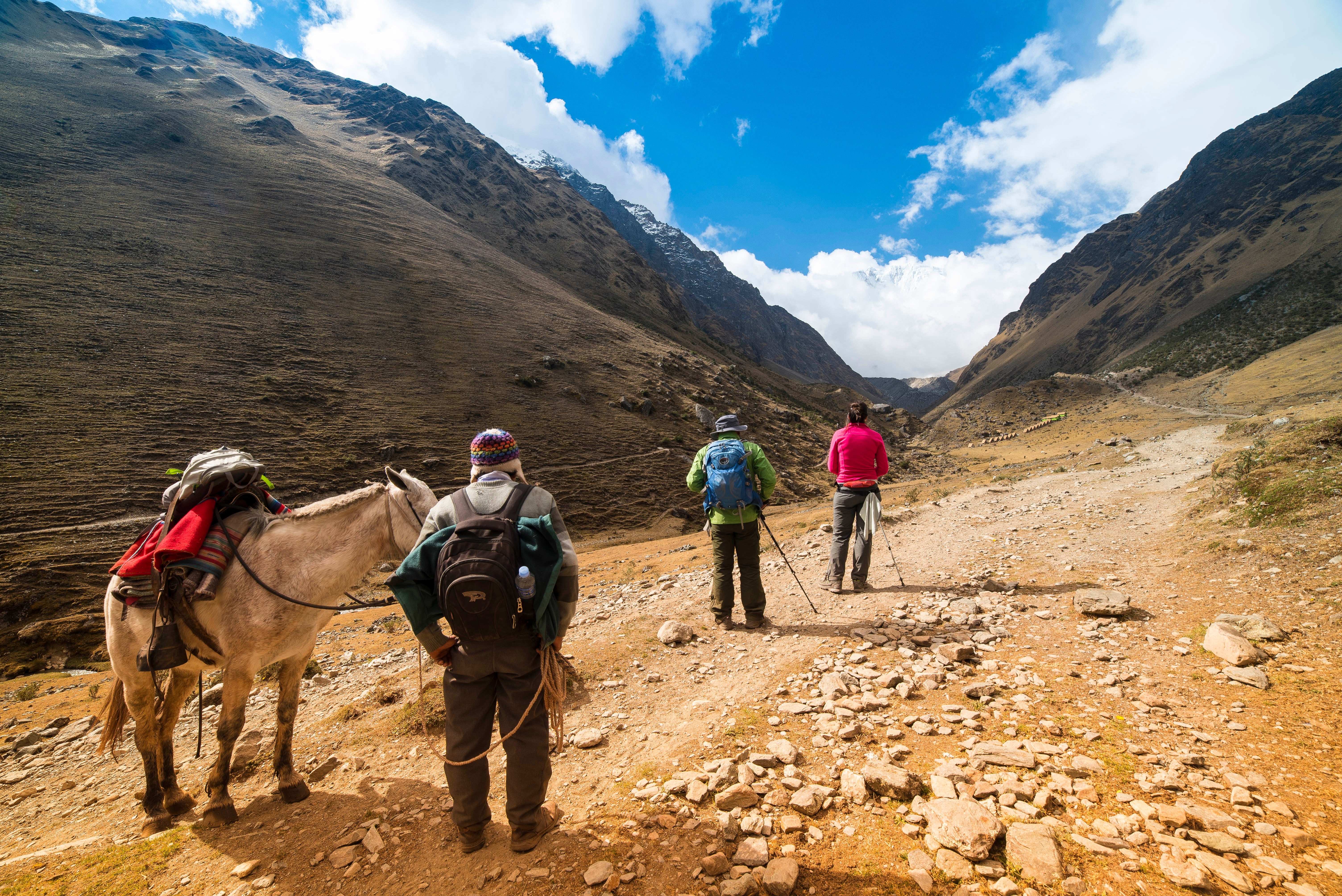
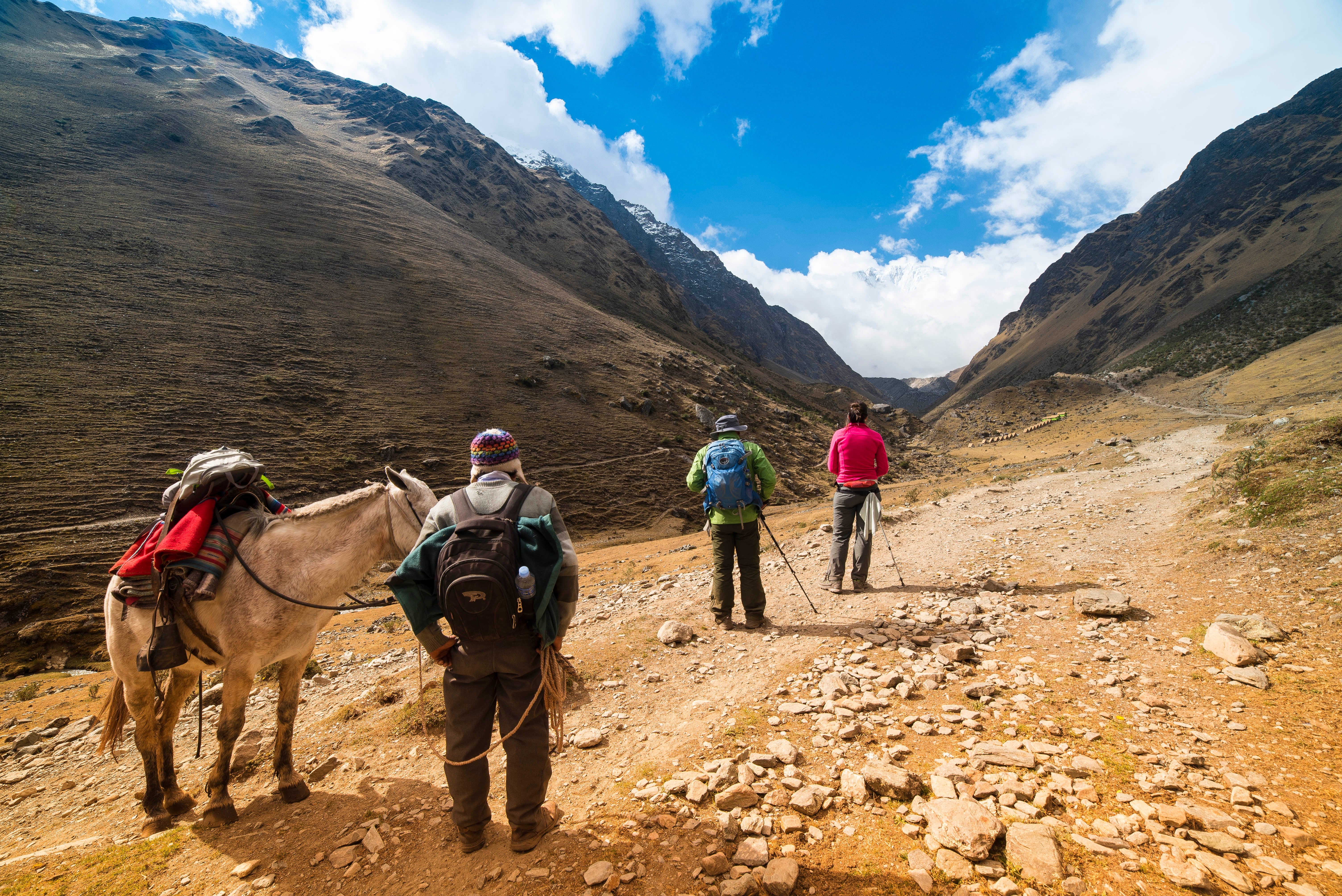
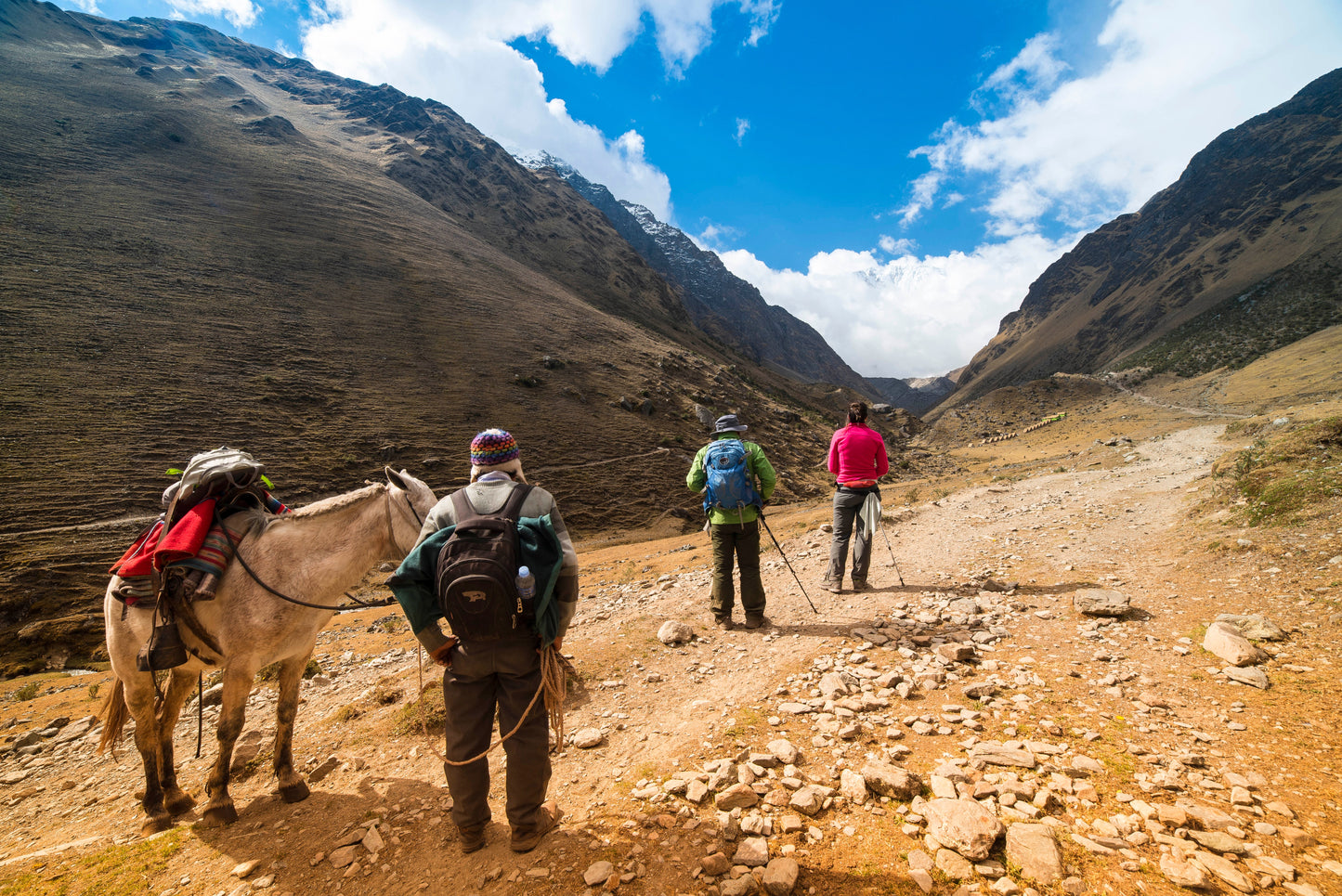
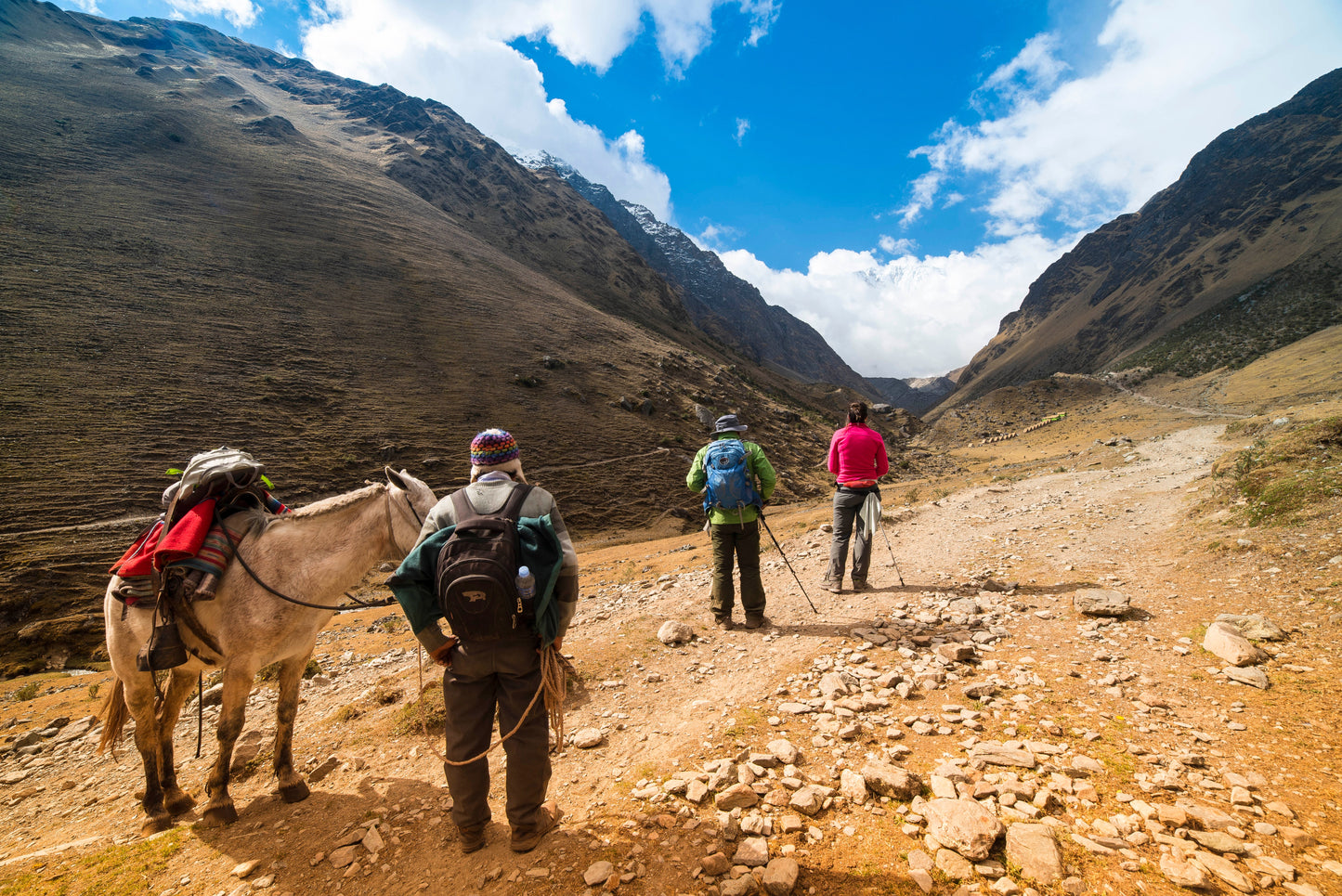
Altitude sickness can occur, particularly in high-altitude areas like the Andes or during hikes such as the Inca Trail. To reduce symptoms, stay hydrated, rest well, and ascend gradually. Coca tea is commonly used as a local remedy. Travel Insurance is also recommended, check here.
What kind of currency does Peru use?
The official currency is the Peruvian Sol (PEN).
How much should I tip in Peru?
Tipping is not deeply ingrained in local culture but is appreciated in certain situations. In restaurants, a tip of around 10% is customary for good service. Tipping bartenders and taxi drivers is not expected, though rounding up the fare is common.
What kind of adapters will I need for my electronics?
Peru uses 220V electricity. If your devices are not dual voltage, you may need a voltage converter. The country uses both Type A (flat two-prong) and Type C (round-prong) outlets, so bringing a Type C adapter is recommended.
Ecuador
What are the top travel tips for first-time visitors to Ecuador?
For first-time visitors to Ecuador, be prepared for a wide range of climates—from sunny coastal areas to cooler highlands. Pack accordingly, drink bottled water to avoid stomach issues, and carry a copy of your passport while leaving the original in a safe place. Use reputable transportation, learn a few basic Spanish phrases, and consider guided tours when exploring less touristy regions. Be cautious with street food, and take time to enjoy the country’s culture and biodiversity safely.
Are there any cultural norms or etiquette I should be aware of when visiting Ecuador?
A polite greeting with a handshake and eye contact is customary. In formal situations, use titles and last names until invited to be more casual. Dress modestly, especially in rural areas. Tipping around 10% is standard if not already included. Be mindful when discussing sensitive topics like politics or religion, and always ask permission before photographing people—particularly in indigenous communities.
What should I know about health and safety while participating in outdoor activities in Ecuador?
Stay hydrated and use strong sun protection, especially at higher altitudes where UV exposure is stronger. Be aware of altitude sickness in regions like the Andes Mountains and allow time to acclimatize. Carry a basic first aid kit, use experienced guides for activities like hiking or rafting, and monitor weather conditions closely, as they can change quickly. Travel Insurance is also recommended, you can find that here.
How can I stay connected with mobile and internet services while in Ecuador?
Staying connected is fairly easy. SIM cards from providers like Claro, Movistar, or CNT offer good coverage and are available at airports or online. Hotels usually provide reliable Wi-Fi, though remote areas may have limited connectivity. Make sure your phone is unlocked before purchasing a SIM card.
What is the official currency of Ecuador?
Ecuador uses the United States Dollar (USD), which simplifies transactions for many travelers. It’s helpful to carry small bills, as change for large denominations can be difficult to get.
Are there ATMs readily available in Ecuadorian cities and rural areas?
ATMs are widely available in cities and larger towns, but may be limited in rural areas. It’s a good idea to carry enough cash when traveling outside major urban centers.
Should I carry cash or are credit cards safe to use in Ecuador?
A combination of both is best. Cash is necessary for small purchases and rural areas, while credit cards are accepted in cities and tourist spots. Inform your bank before traveling and keep an eye on your card during transactions to prevent fraud.
What are some significant archaeological sites in Ecuador that reflect its ancient history?
Ecuador has several important archaeological sites, including Ingapirca, the country’s largest Inca site. Cochasquí features pyramids and burial mounds, while Chirije is known for its petroglyphs and ancient trade history.
What is the official language of Ecuador, and are there any other widely spoken languages?
Spanish is the official language. Indigenous languages such as Kichwa and Shuar are also spoken, especially in rural and Amazon regions. English is commonly understood in major cities and tourist areas.
What is the capital of Ecuador, and why is it significant?
The capital is Quito, located high in the Andes. It is known for its well-preserved historic center, a UNESCO World Heritage Site, and serves as the country’s cultural and political hub.
Do I need a visa to visit Ecuador?
Travelers from the United States, the UK, and many other countries can enter Ecuador without a visa for stays of up to 90 days. Check Visa Requirements here
What is the time zone in Ecuador?
Quito operates on UTC-5 and does not observe daylight saving time, aligning with Eastern Standard Time for part of the year. The Galápagos Islands are one hour behind (UTC-6).