
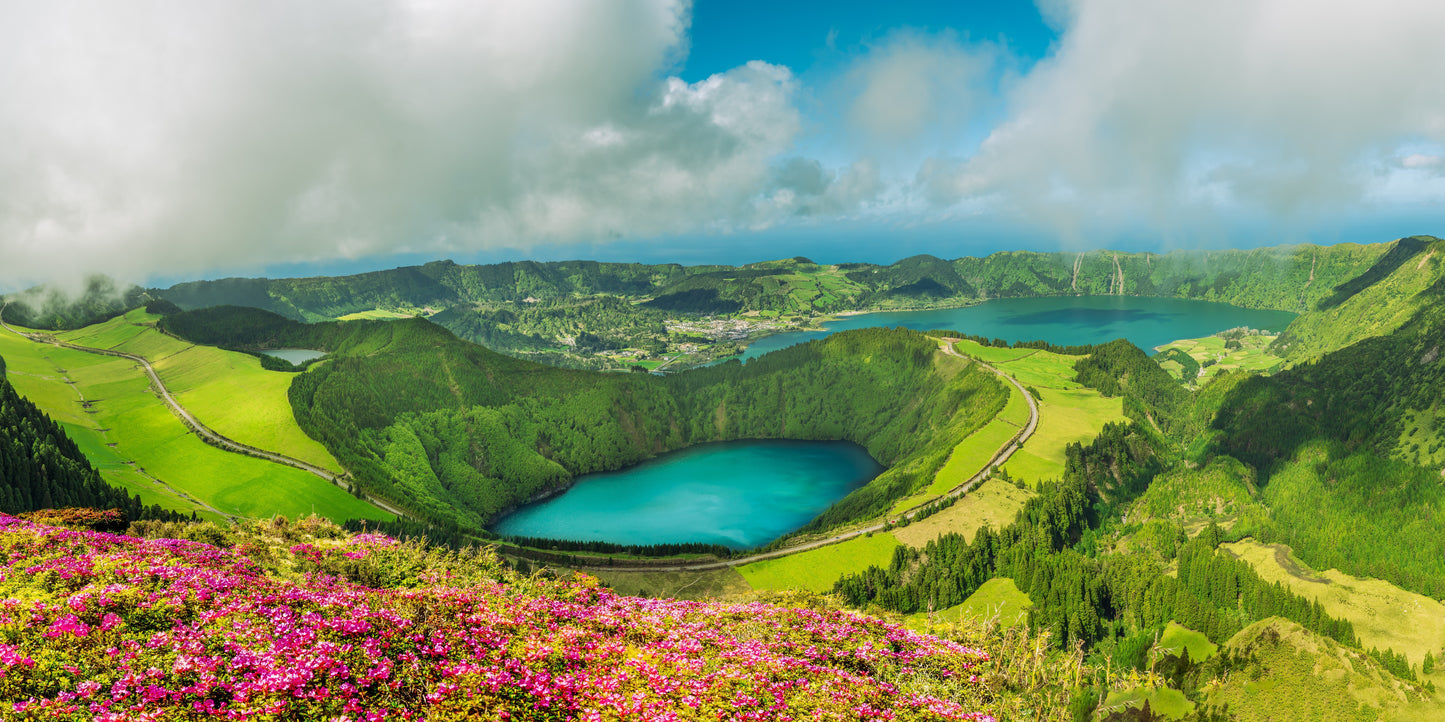
Portugal
What is the best month to visit Portugal?
The ideal time to visit Portugal is between March and October, when most regions enjoy warm, sunny weather. May and September are especially popular thanks to comfortable temperatures and fewer crowds. For beach trips, July through September offers the warmest ocean conditions, while February and November are better suited for cultural travel and lower prices.
How many days is enough for Portugal?
For mainland Portugal, 7–10 days is a good amount of time to explore major highlights like Lisbon, Porto, and the Algarve. If you want a more in-depth experience that includes places such as the Douro Valley, Évora, or Coimbra, plan for 10–14 days. The country is relatively compact, making it easy to travel between regions.
Which regions should I visit in Portugal?
It depends on your interests: Lisbon & Sintra: Ideal for first-time visitors, combining history, culture, and coastal scenery. Porto & the Douro Valley: Perfect for wine enthusiasts and scenic landscapes. The Algarve: Known for beaches, sea caves, and dramatic cliffs. Alentejo: Great for a slower pace, rural charm, and traditional cuisine. Madeira & the Azores: Best for nature-focused trips and island adventures. Each region offers something different, making it easy to customize your itinerary.
How do I get around Portugal?
Portugal has a well-developed transport system. By train: Efficient and scenic connections between cities like Lisbon, Porto, and Coimbra. By car: Renting a car provides flexibility, especially in rural or less accessible areas. By plane: Domestic flights connect major cities and the islands, including Madeira and the Azores.
Do I need a driver's license to drive in Portugal?
Yes. Visitors can drive with a valid license from the U.S., Canada, or EU for up to 90 days. Travelers from other countries should carry an International Driving Permit along with their license.
Do I need a visa to visit Portugal?
Citizens of the U.S., Canada, and EU countries do not need a visa for stays of up to 90 days within a 180-day period. Travelers from other countries should verify visa requirements before departure. Check requirements here.
What currency is used in Portugal?
Portugal uses the Euro (€). Credit and debit cards are widely accepted, but it’s helpful to carry some cash for small purchases or rural areas. ATMs are widely available.
Can you use U.S. dollars in Portugal?
No, U.S. dollars are generally not accepted. Even in tourist areas, exchange rates offered may be unfavorable, so it’s best to pay in Euros.
Can you drink tap water in Portugal?
Yes, tap water is safe to drink throughout Portugal, including in cities and most rural areas. Bottled water is also easy to find if preferred. Travel Insurance is recommended, check here.
What is the weather like in Portugal?
Portugal has a Mediterranean climate with plenty of sunshine year-round. Summer (June–August): Hot and dry, with temperatures around 27–32°C (80–90°F). Spring & Fall: Mild and comfortable, ideal for sightseeing. Winter (December–February): Cooler and wetter, especially in the north, though still milder than much of Europe. Southern areas like the Algarve are typically sunnier, while northern regions such as Porto and the Douro Valley see more rain.
Switzerland
When is the best time to visit Switzerland?
The ideal time to visit Switzerland is from mid-May through September, when late spring, summer, and early autumn bring warm and pleasant weather. September is often considered the best month, with comfortable temperatures and minimal rainfall. Winter (January–February) is perfect for snow sports like skiing, snowshoeing, and dog sledding. Due to its varied landscape, weather conditions can differ by region, but Switzerland offers year-round travel opportunities.
What is Switzerland known for?
Switzerland is famous for its precision craftsmanship, natural scenery, and culinary traditions. It’s known for luxury watches, high-quality chocolate, cheese, and world-class ski resorts. Scenic train journeys through the Alps are a major highlight. The country is also recognized for its neutrality, strong banking sector, and as the birthplace of the Red Cross.
What are the most popular places in Switzerland?
Some of the most visited destinations include: Zürich, Lucerne, Interlaken, Lake Geneva, Zermatt, Lausanne, and Gstaad. These locations showcase Switzerland’s lakes, mountains, and charming towns, each offering unique cultural and scenic experiences.
In what country is the Matterhorn?
The Matterhorn sits on the border between Switzerland and Italy. It’s one of the most recognizable mountains in the world, known for its distinctive peak. The nearby village of Zermatt provides access to the mountain and offers a picturesque alpine setting.
Is Switzerland a good place for food and wine?
Yes, Switzerland is excellent for food and wine. Cheese and chocolate are staples, and the country’s wine regions—particularly in Vaud, Geneva, and Valais—produce high-quality varieties like Chasselas and Pinot Noir. Scenic vineyards add to the overall experience.
Is Switzerland a good destination for families?
Switzerland is very family-friendly, with outdoor activities, scenic train rides, and attractions like mountain excursions and castles. Families can enjoy everything from skiing to chocolate-making experiences.
Is Switzerland a good destination for seniors?
Yes, Switzerland is well-suited for senior travelers. It offers accessible transport, stunning scenery, and relaxed experiences such as lakeside walks, scenic train journeys, and charming towns like Zürich and Chur.
Is Switzerland suitable for couples or honeymooners?
Switzerland is a top destination for couples, offering romantic settings like alpine villages, scenic train rides, and lakeside dining. Its landscapes make it ideal for honeymoons and special trips.
Is Switzerland good for hiking?
Switzerland is one of the best destinations for hiking, with trails connecting lakes, valleys, and mountain peaks. Popular routes include those around Jungfrau, Eiger, and Mönch, as well as paths in the Swiss National Park and Gemmi Pass.
What food should I try in Switzerland?
Swiss cuisine is rich and satisfying. Popular dishes include: Fondue: Melted cheese served with bread. Rösti: Crispy grated potatoes. Basel-style soup with Gruyère. Braised beef with polenta. Tartiflette: Potatoes, onions, and bacon. Leckerli biscuits.
Is Switzerland safe for travel?
Yes, Switzerland is very safe, particularly in smaller towns and rural areas. As in any country, remain aware of your belongings in busy cities and transport hubs. When exploring nature, always check weather conditions, as alpine environments can change quickly. Travel insurance is recommended, check here.
What currency is used in Switzerland?
The Swiss franc (CHF) is the official currency. While cards are widely accepted, cash is still commonly used. ATMs are easy to find throughout the country.
What languages are spoken in Switzerland?
Switzerland has four official languages: German, French, Italian, and Romansh. English is widely spoken, especially in cities and tourist areas, though language use varies by region.
What vaccinations do I require to enter Switzerland?
Travelers should ensure they meet current health entry requirements, including any applicable COVID-19 guidelines. No additional routine vaccinations are generally required, but it’s best to check official guidance before traveling.
What are the Visa requirements?
Switzerland, as part of the Schengen Area, requires a visa for non-EU/EFTA citizens for stays exceeding 90 days. Short-term (under 90 days) tourist/business visits are visa-free for many, including US citizens. Required documents include a passport valid 3-6 months beyond stay, travel insurance, proof of funds, and accommodation, submitted up to six months before travel. Check travel requirements here.