
South Korea
Do I need a visa to travel to South Korea?
U.S. passport holders generally do not need a visa for short visits. Your passport should be valid for at least six months from your date of entry, and you may be asked to show proof of onward or return travel. Most visitors can stay visa-free for up to 30 days, depending on nationality. Check travel requirements here.
What is South Korea’s currency?
The official currency is the Korean won (KRW). It’s helpful to have some local cash on arrival, either exchanged in advance or withdrawn at an ATM.
What type of luggage is best for visiting South Korea?
A travel backpack or a medium-sized suitcase is recommended, along with a smaller daypack for daily essentials. Since space on public transportation can be limited, it’s best to travel with one main piece of luggage and pack efficiently.
How should I dress when traveling in South Korea?
Fashion in South Korea blends modern trends with modesty. Avoid wearing all black, as it’s traditionally associated with mourning—adding color is preferred. Dress modestly, especially at cultural or religious sites, and avoid overly revealing clothing. Layers are important due to seasonal changes, and comfortable shoes like sneakers or flats are widely worn. Sandals are less common, so if worn, they should be stylish rather than casual flip-flops.
What is the appropriate clothing for temple visits?
Modest clothing is recommended. Wear loose-fitting outfits that cover your shoulders, and opt for knee-length shorts or longer. Shoes and hats should be removed before entering, and wearing socks is considered respectful.
Is tipping customary in South Korea?
Tipping is not part of traditional culture and may even be discouraged in some places. However, tips may be accepted in more international or tourist-focused establishments.
Do I need a power adapter?
Yes. South Korea uses 220V electricity with Type C and Type F plugs (two round pins), so a compatible adapter is required.
What is the food like in South Korea?
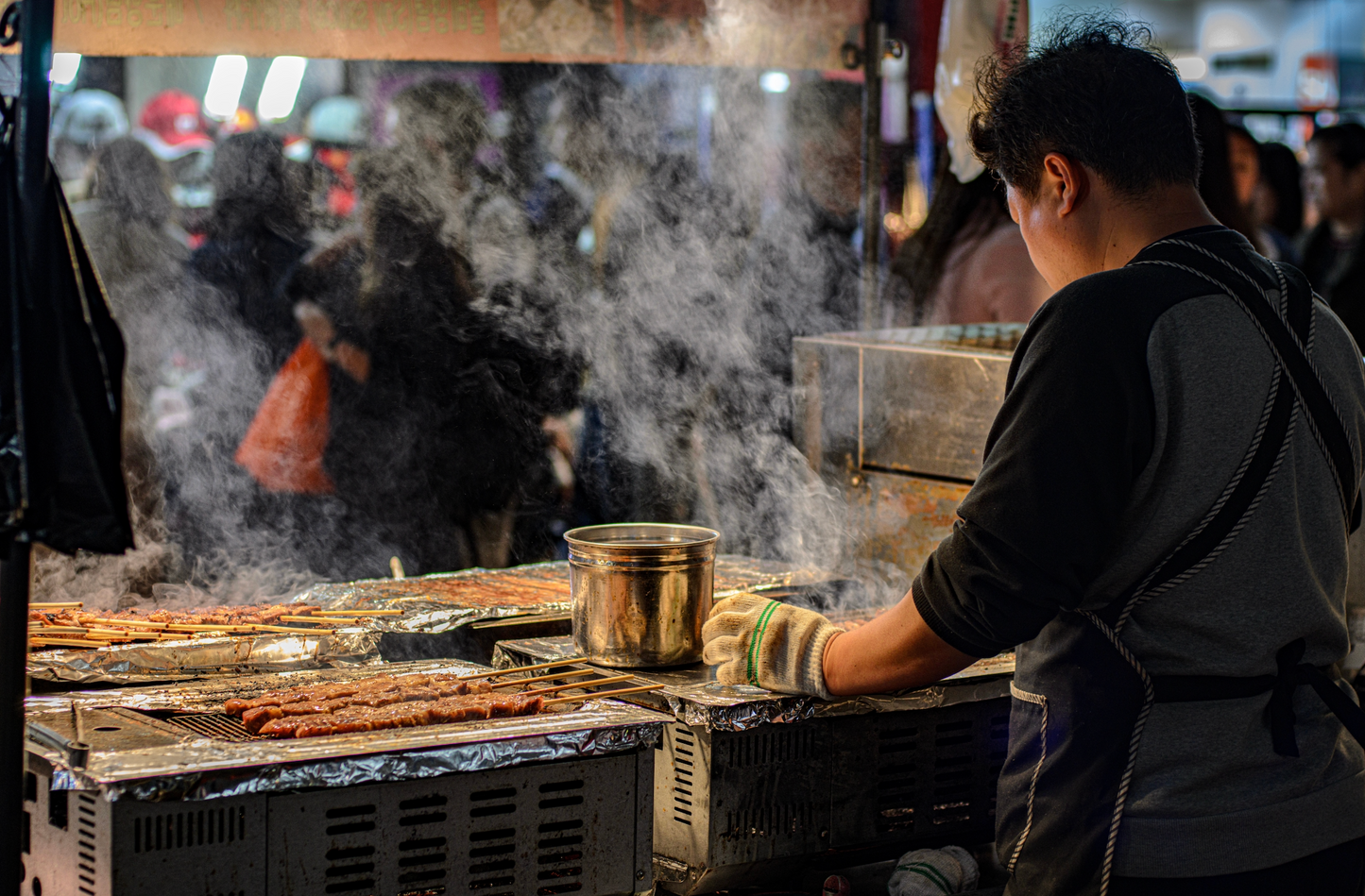
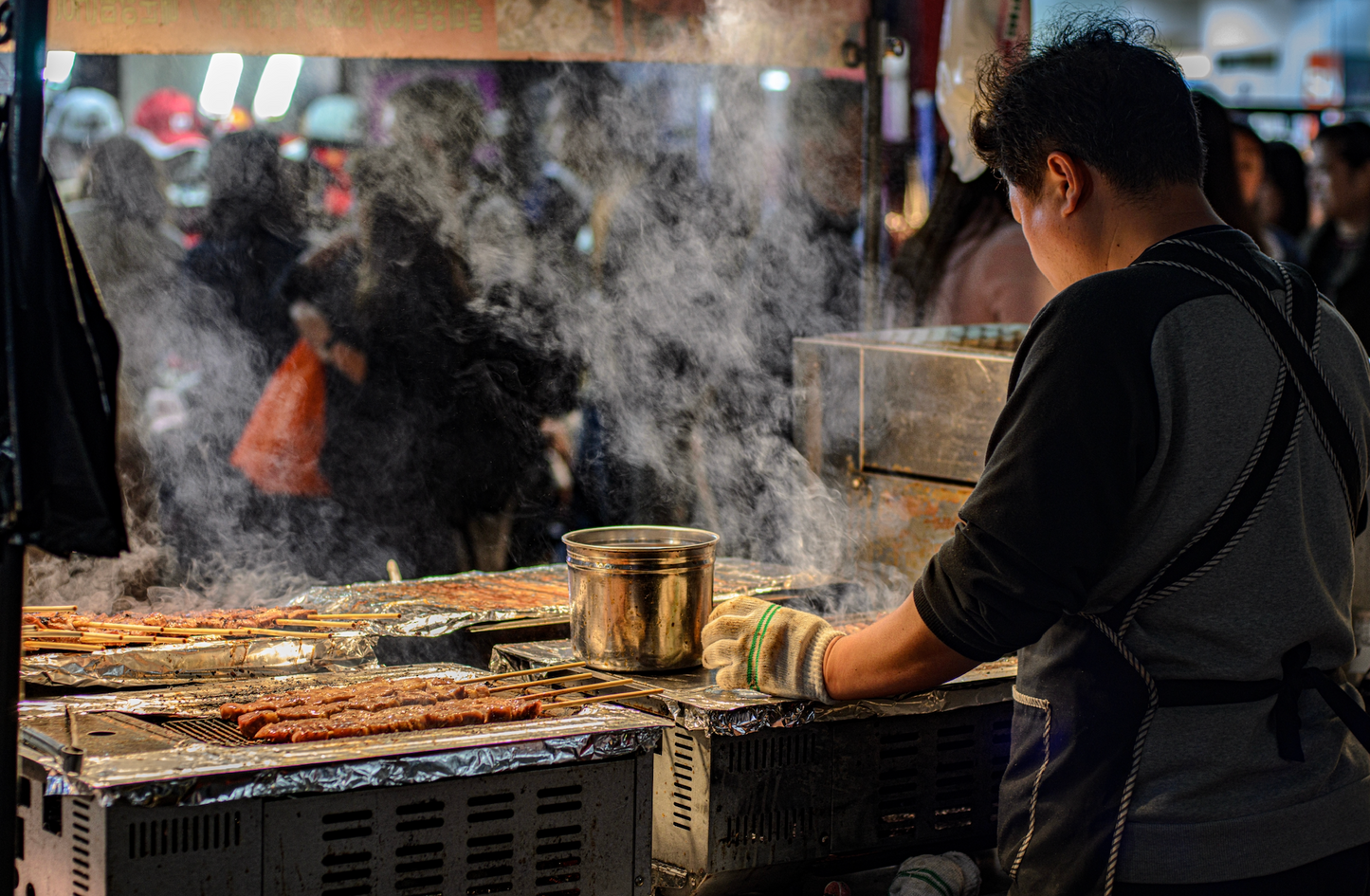
Korean cuisine is centered around rice, vegetables, seafood, and meats, with little emphasis on dairy. Meals often include a variety of side dishes such as kimchi. Popular dishes include: Bulgogi: Marinated slices of beef or pork grilled and served with rice and vegetables. Bibimbap: A rice dish topped with assorted vegetables, meat, and often a raw egg yolk. Tteokbokki: Chewy rice cakes in a spicy-sweet chili sauce, commonly found as street food. Pajeon: A savory pancake made with green onions and batter.
Can I drink tap water in South Korea?
Yes, tap water is generally safe to drink, unless otherwise indicated. If unsure, you can ask locally for guidance. Travel Insurance is recommended, check here.
What are the toilets like in South Korea?
You may encounter both Western-style and squat toilets. Public restrooms don’t always provide toilet paper or soap, so carrying your own supplies is a good idea.
How can I get around Seoul during my free time?
Seoul has an efficient and extensive public transportation system, including subways, buses, and trains. Apps like the Korea Subway app are helpful for navigation. Ride-hailing services such as Kakao are commonly used.
Can I use Google Maps?
Google Maps has limited functionality in South Korea, especially for walking or driving directions. Local apps like Naver Maps are more reliable for navigation.
Are credit cards widely accepted in South Korea?
Cards are widely accepted in hotels, malls, and major businesses. However, smaller shops, markets, and local restaurants may only accept cash, so it’s wise to carry some with you.
Is it necessary to learn Korean?
Korean is the official language. While many younger people and those in tourism speak some English, it’s helpful to learn a few basic phrases for easier communication.
Can I bring a drone on my South Korea trip?
No, personal drones are generally prohibited. Bringing one may result in confiscation or fines.