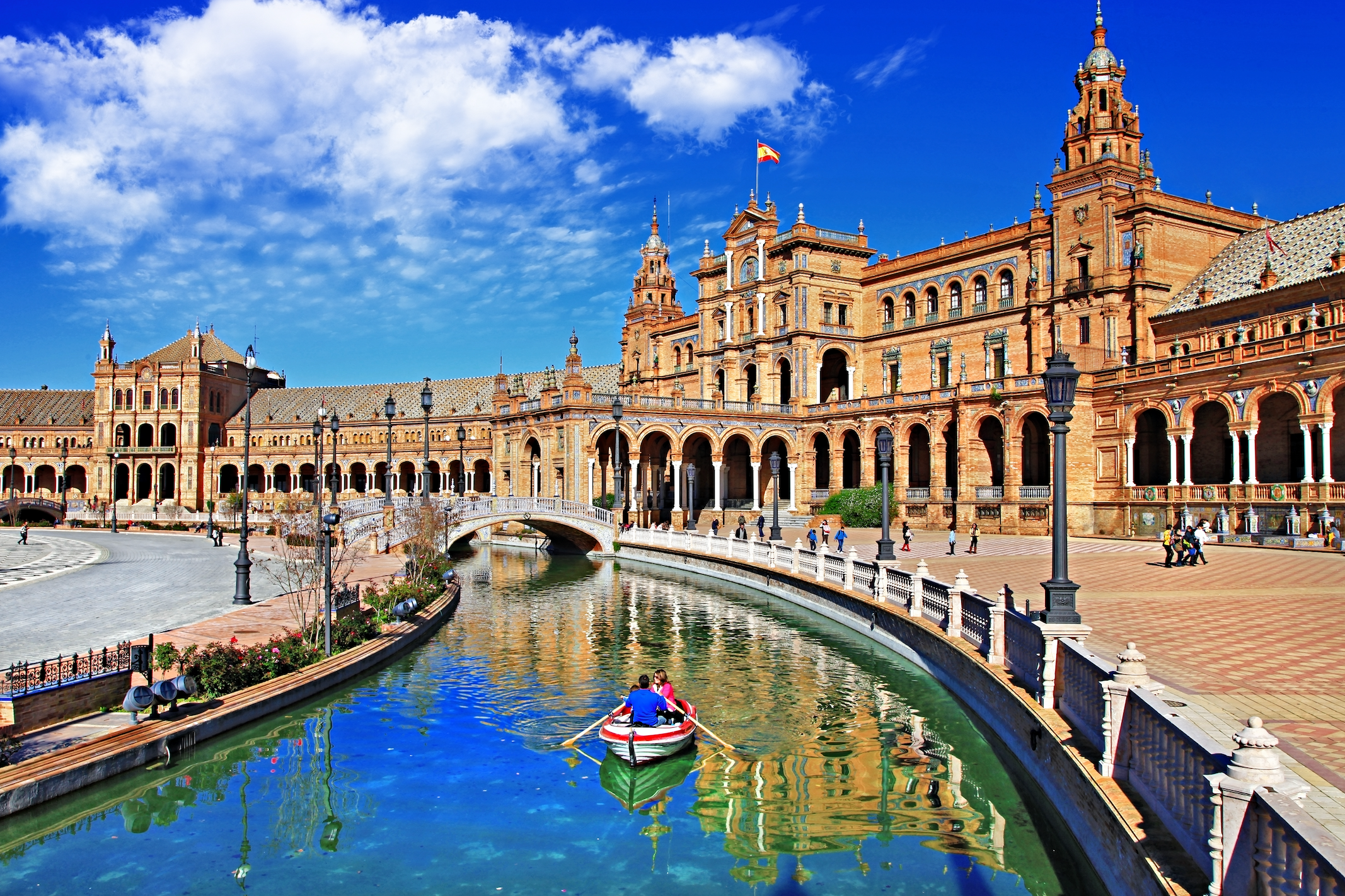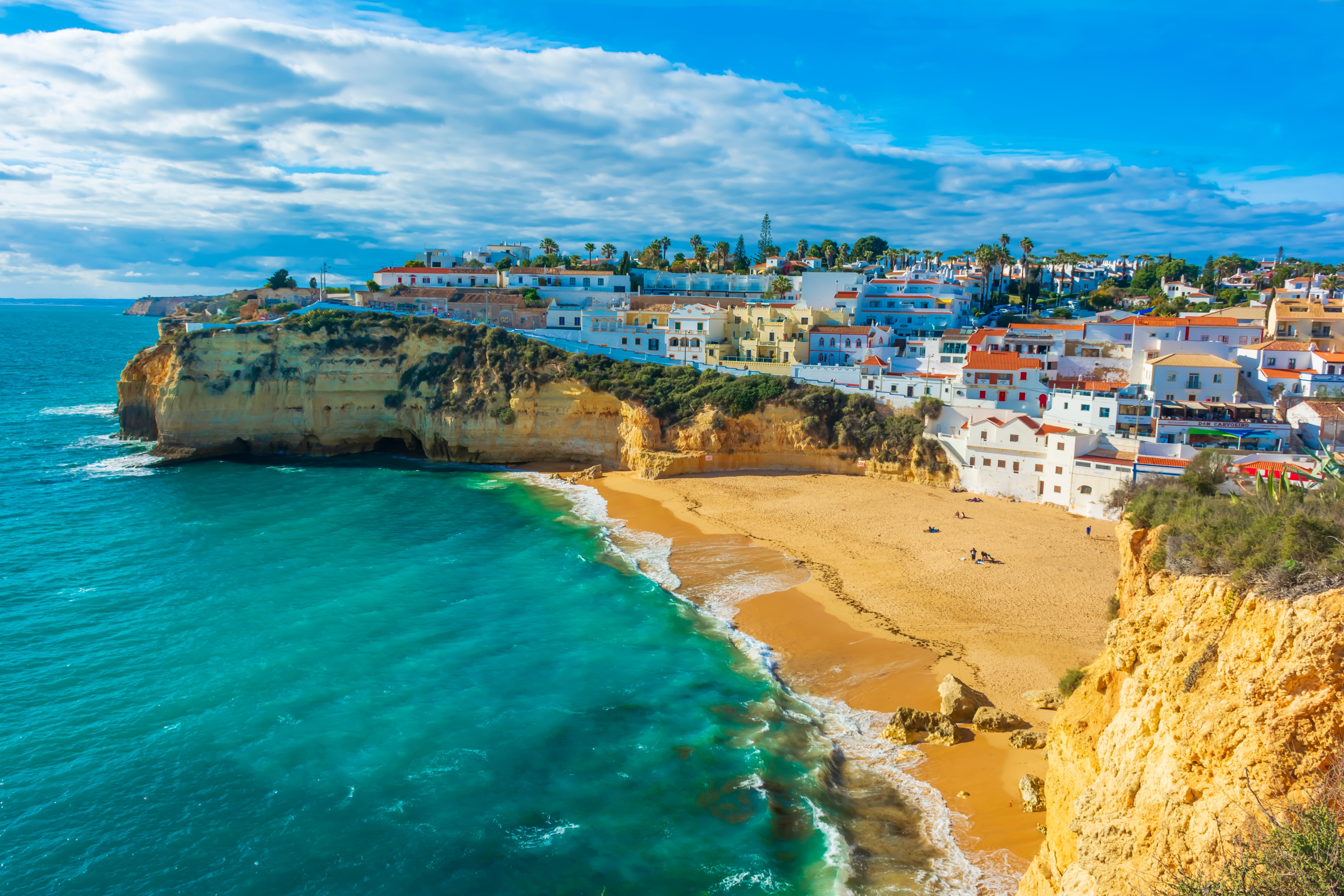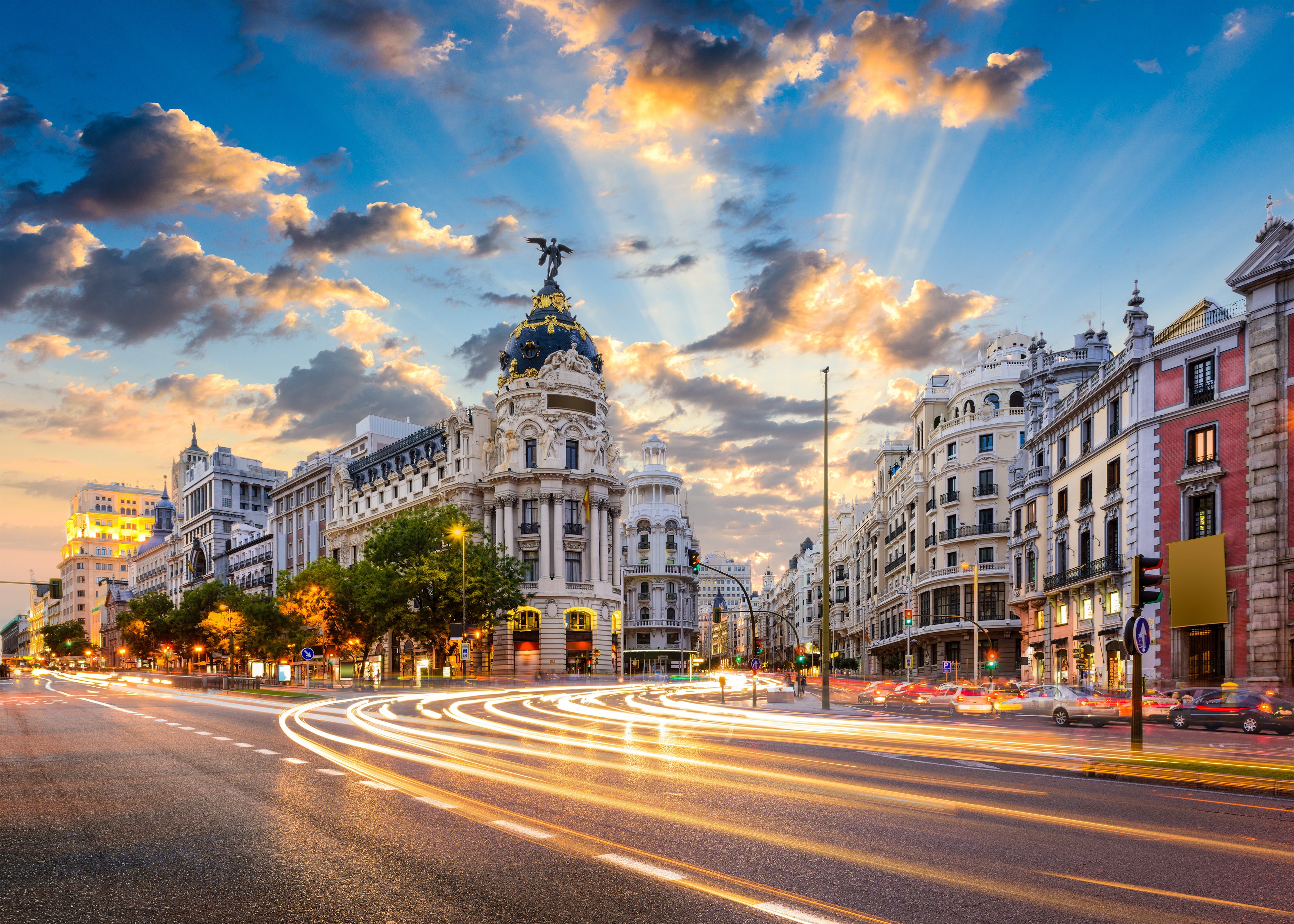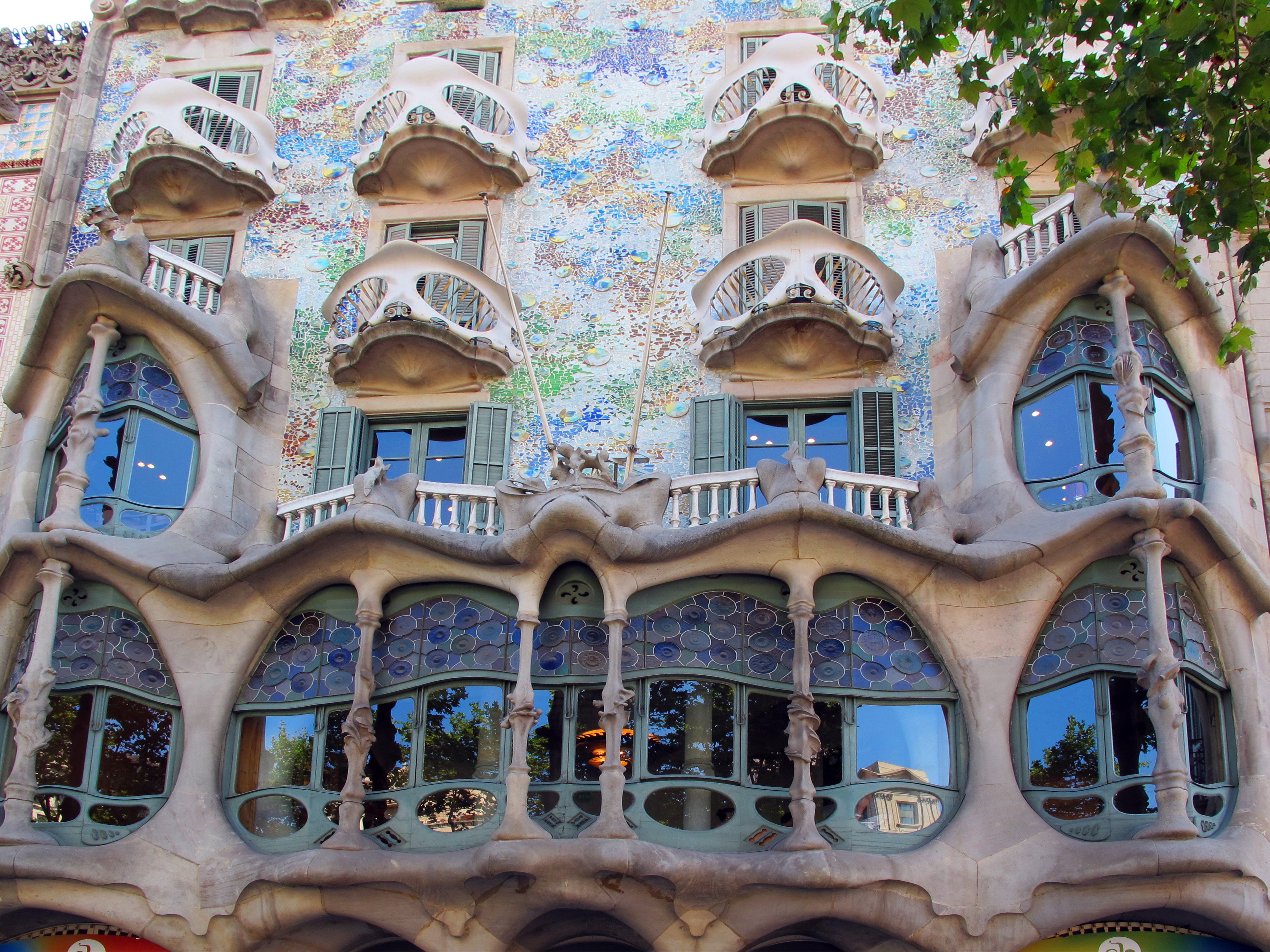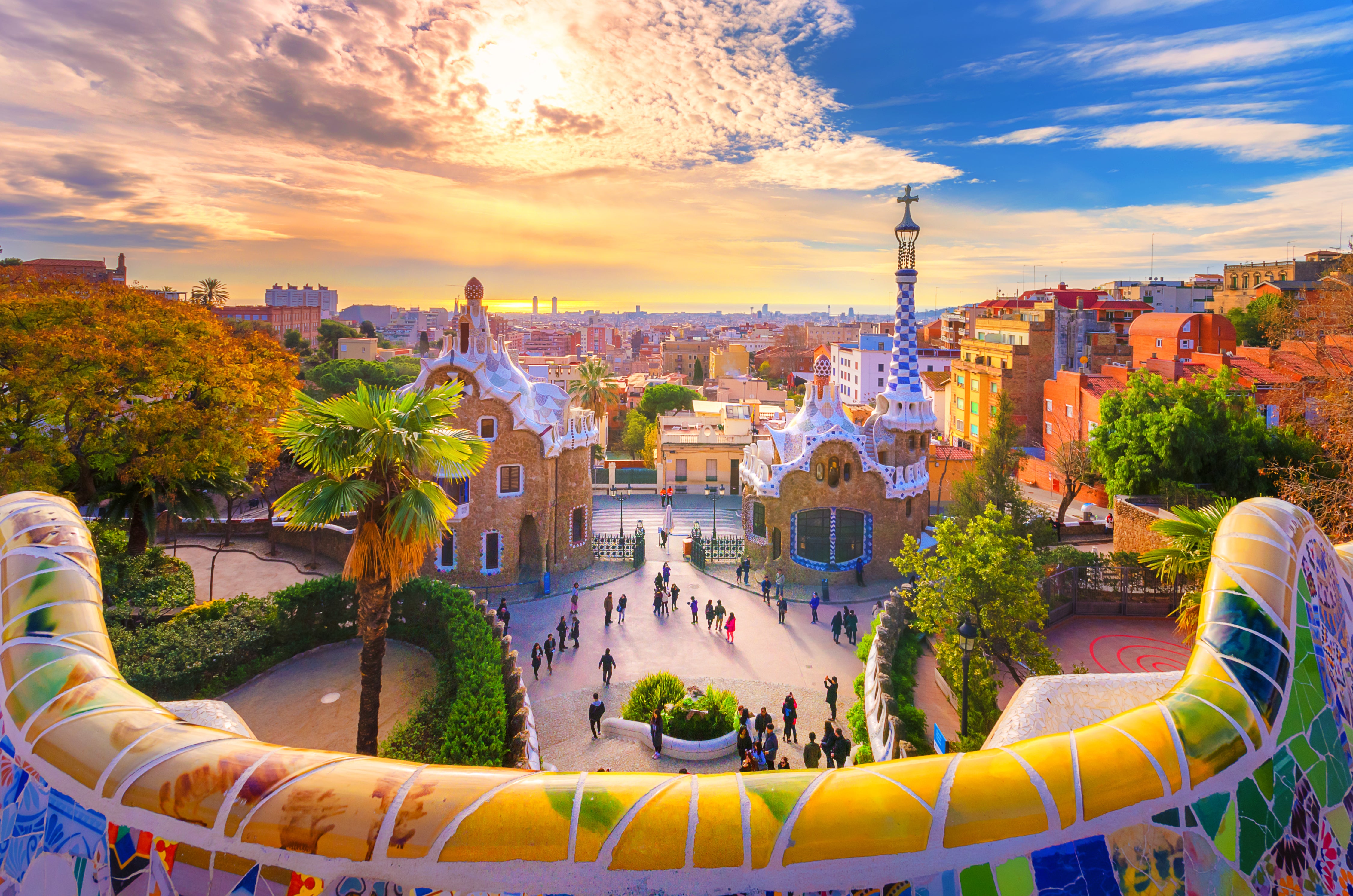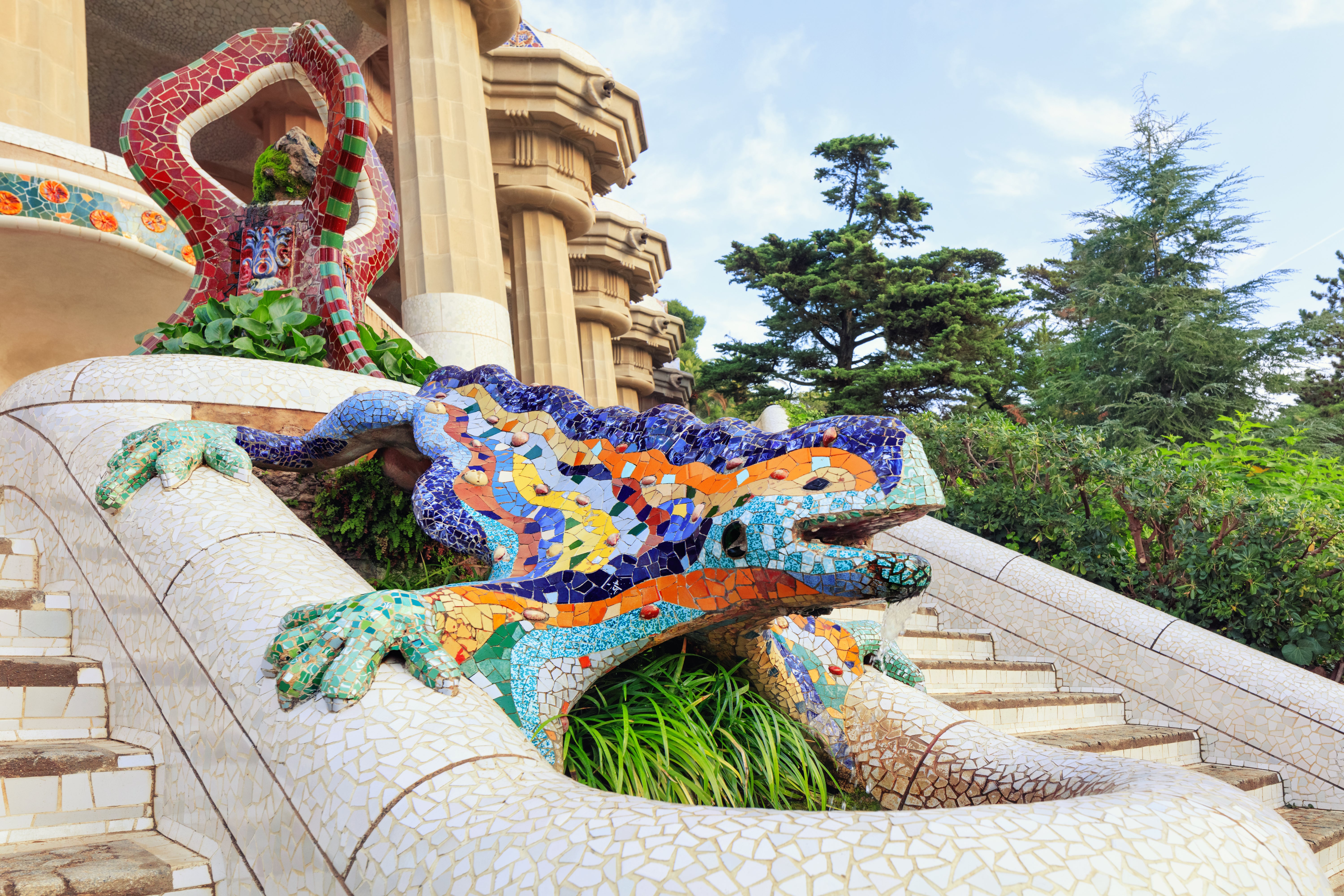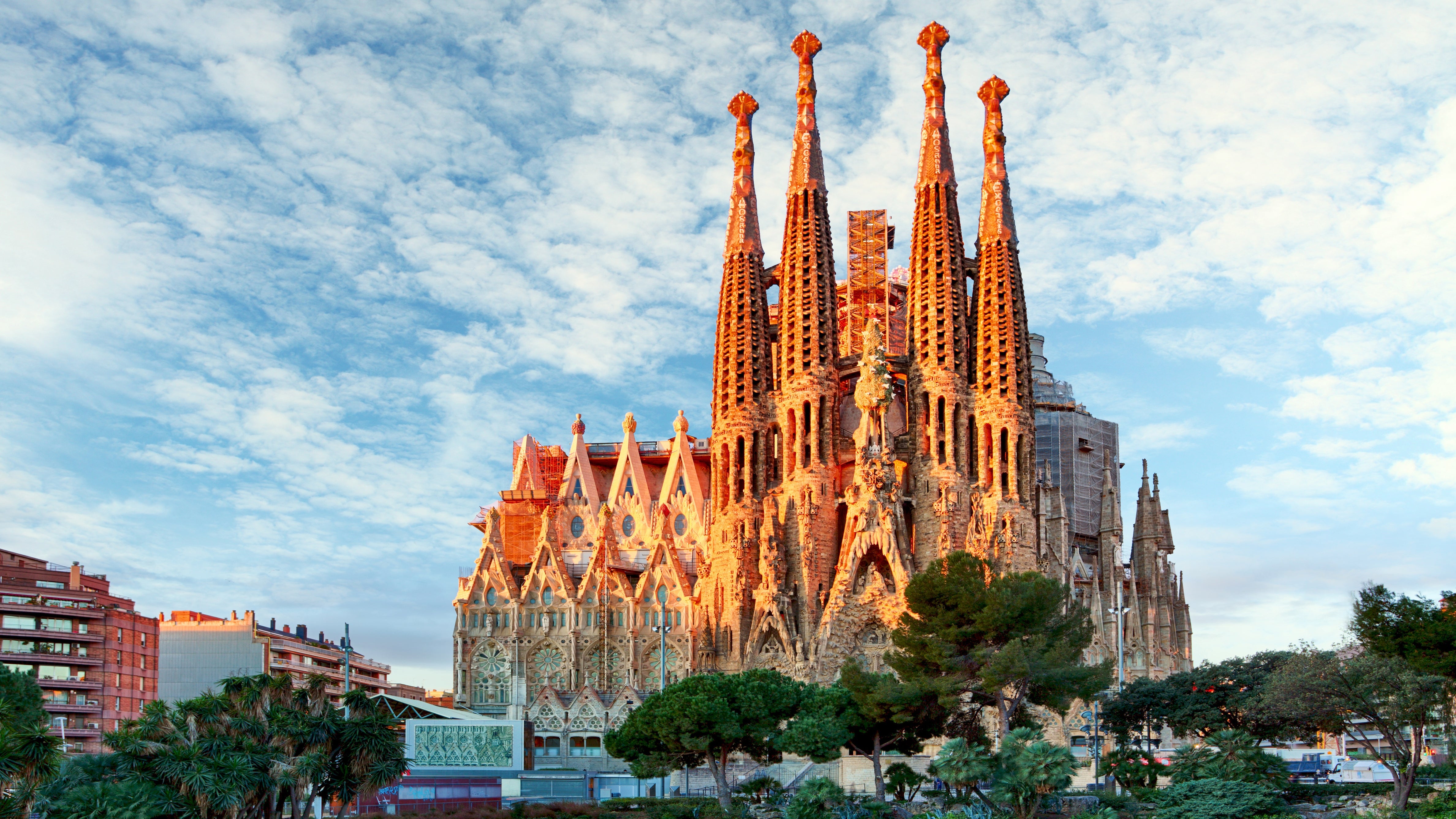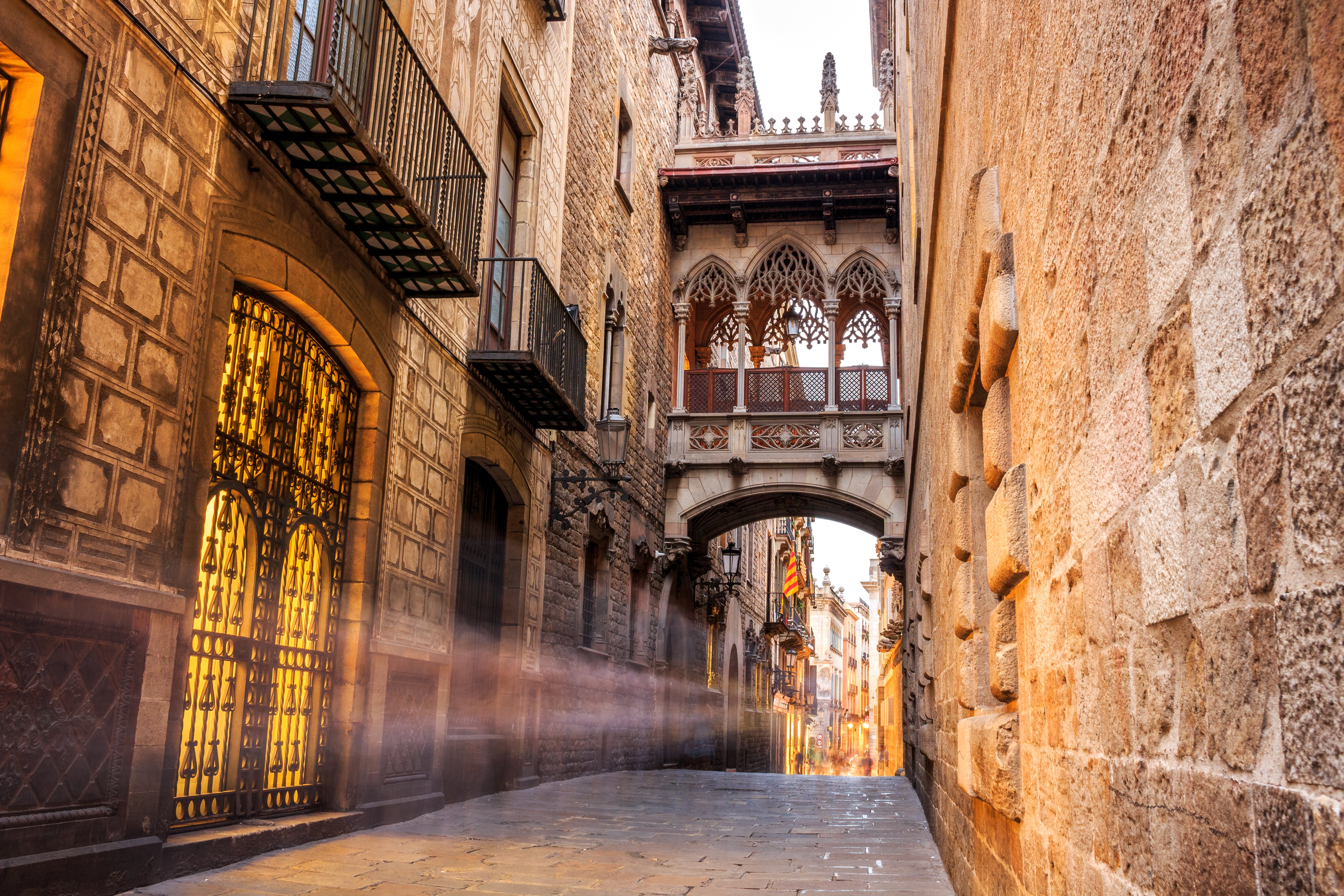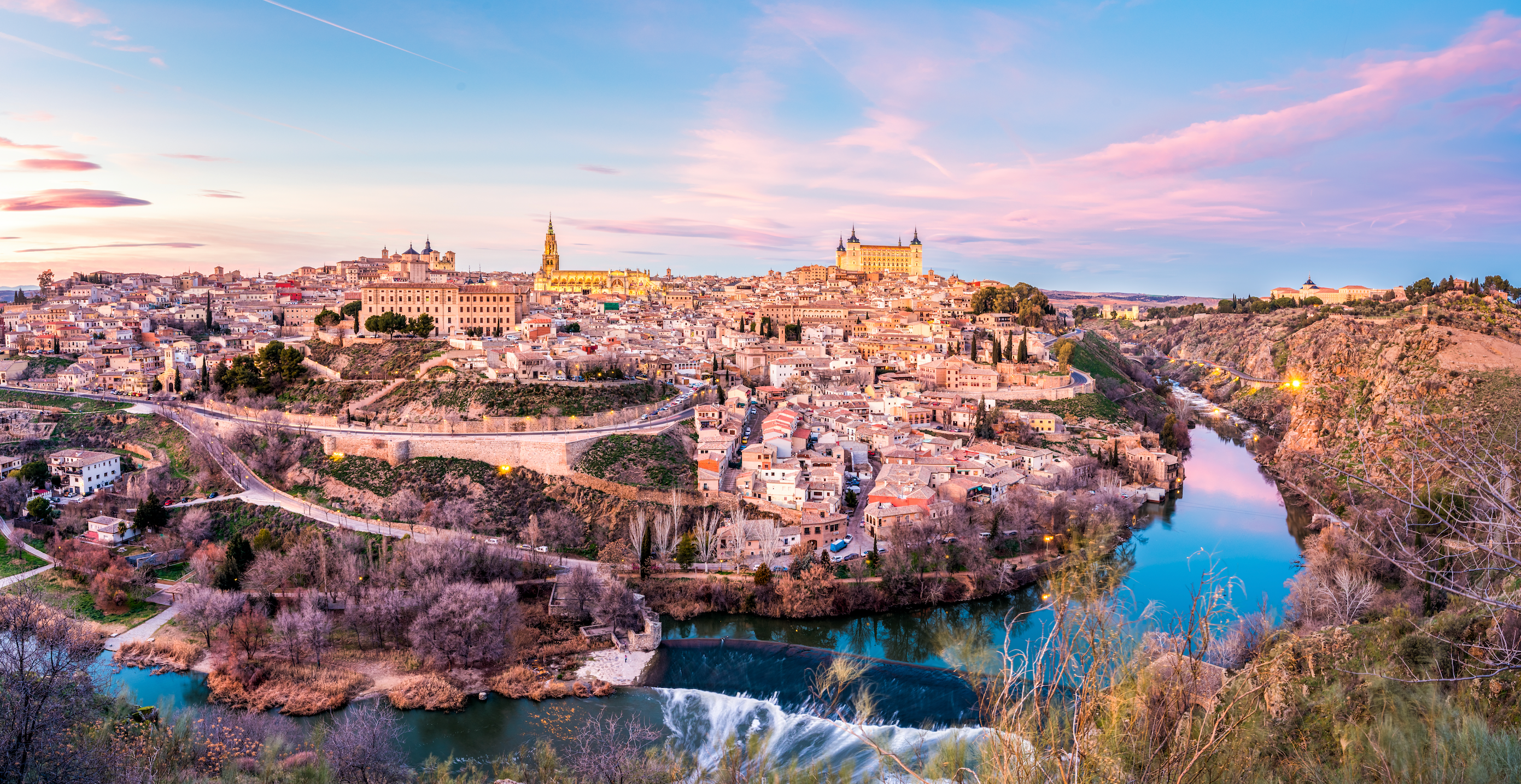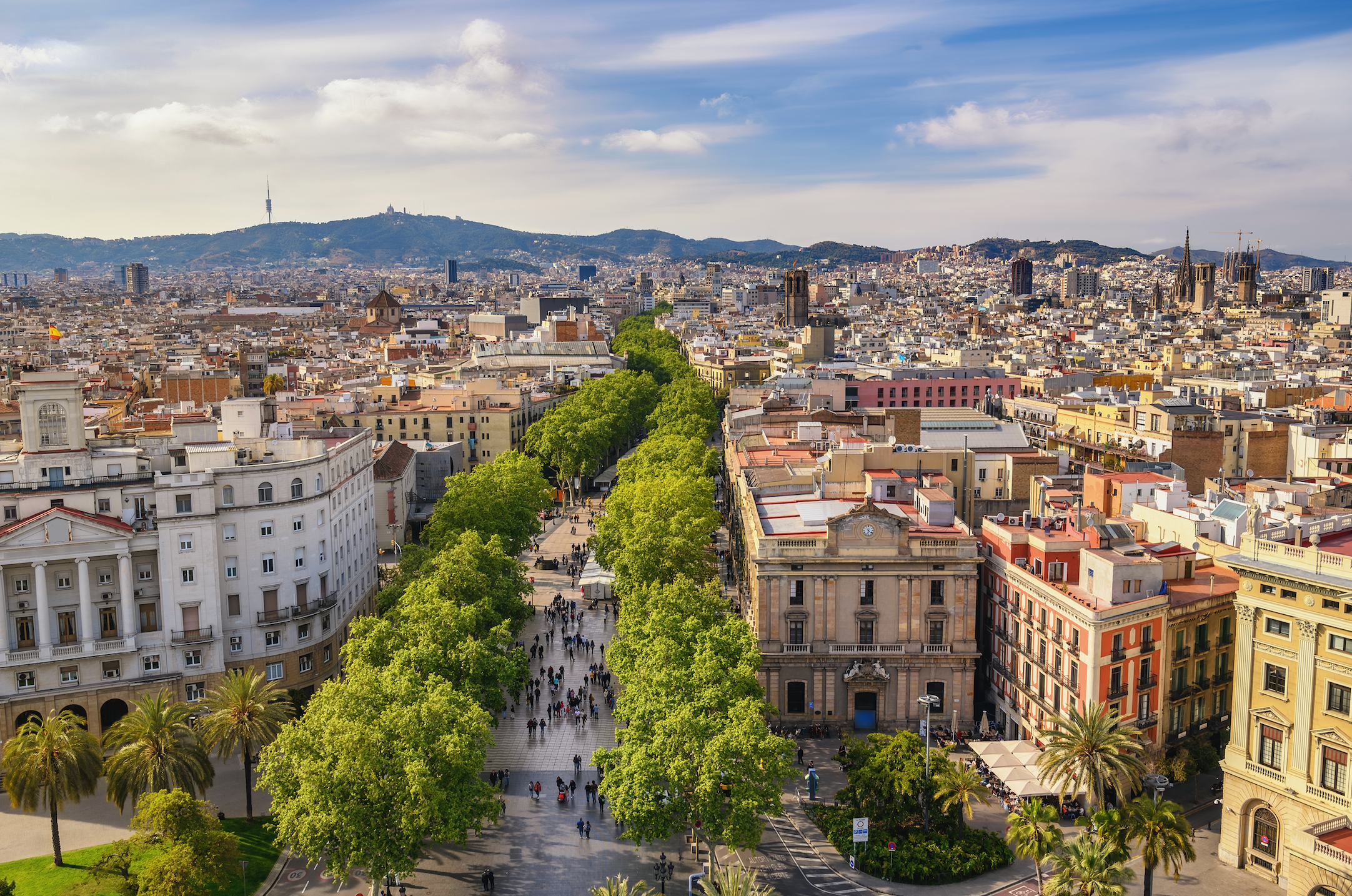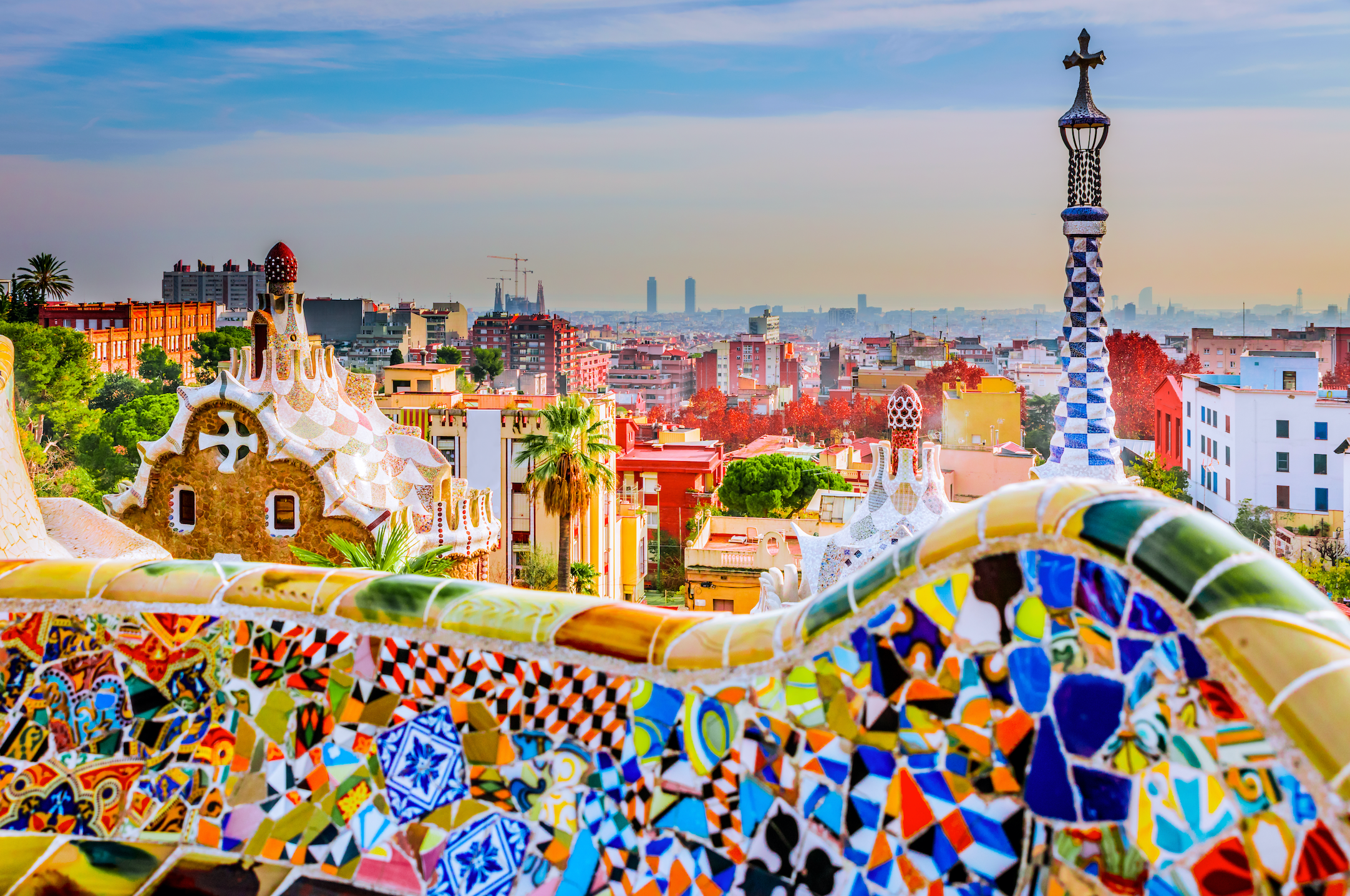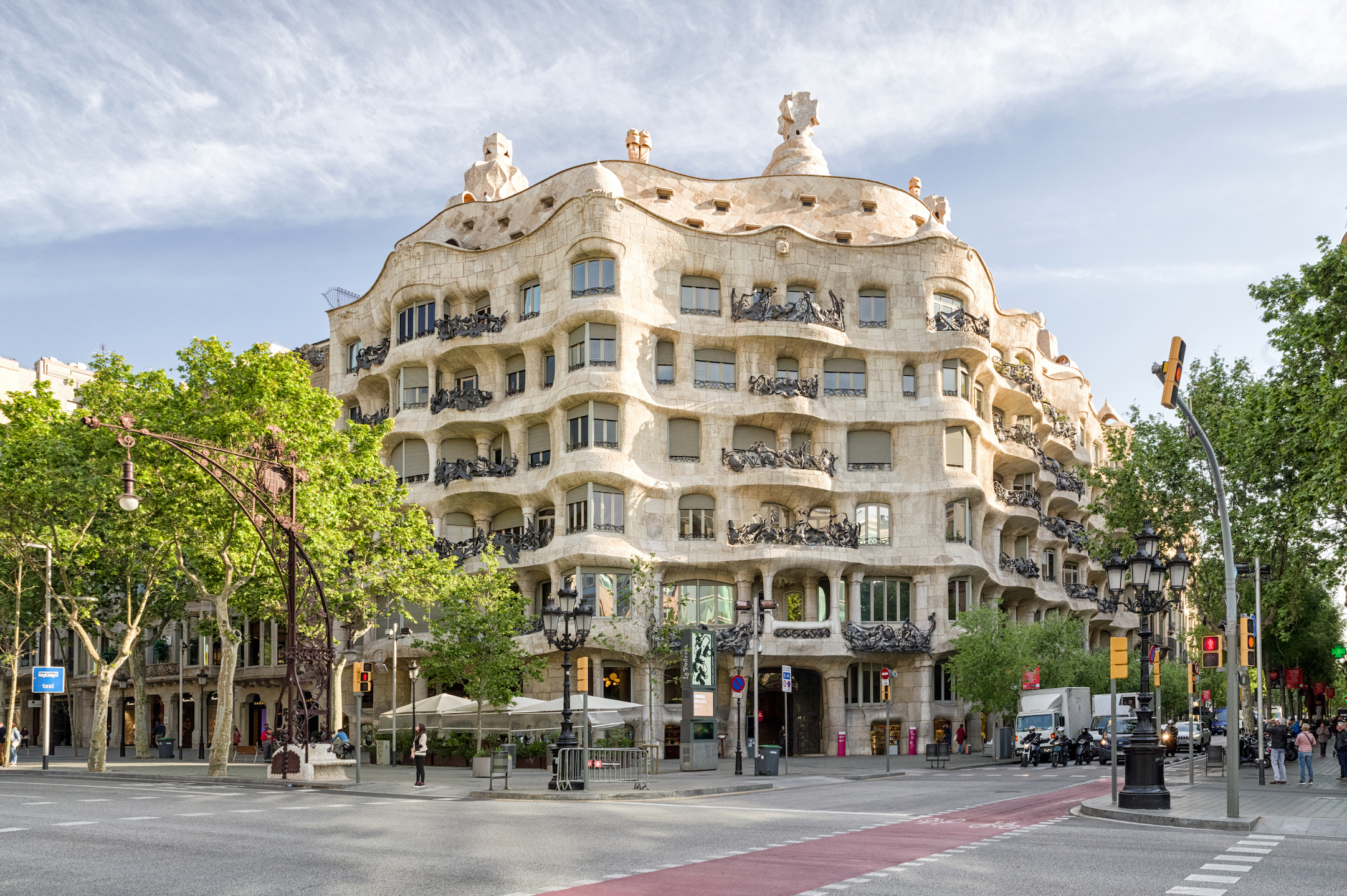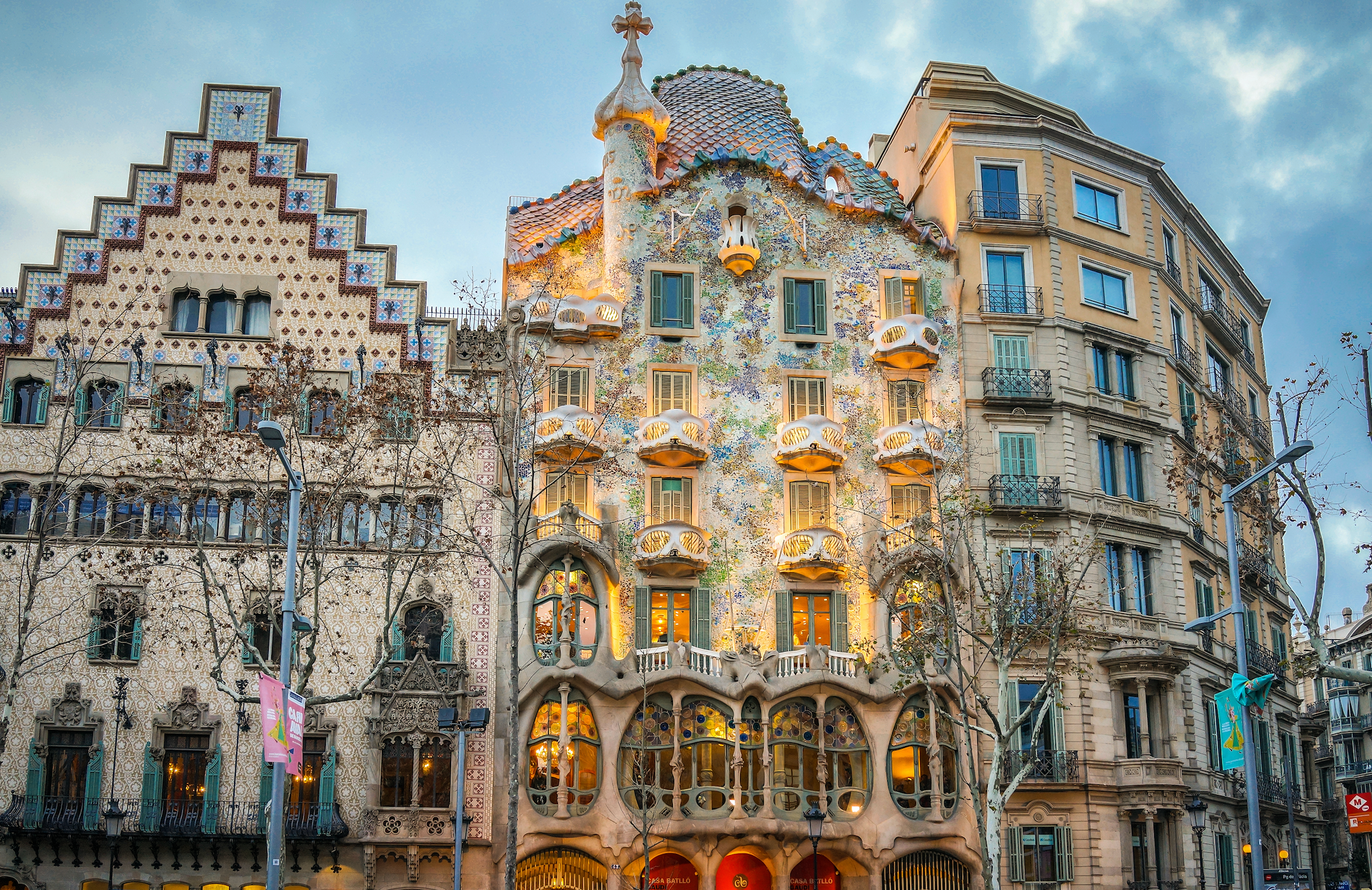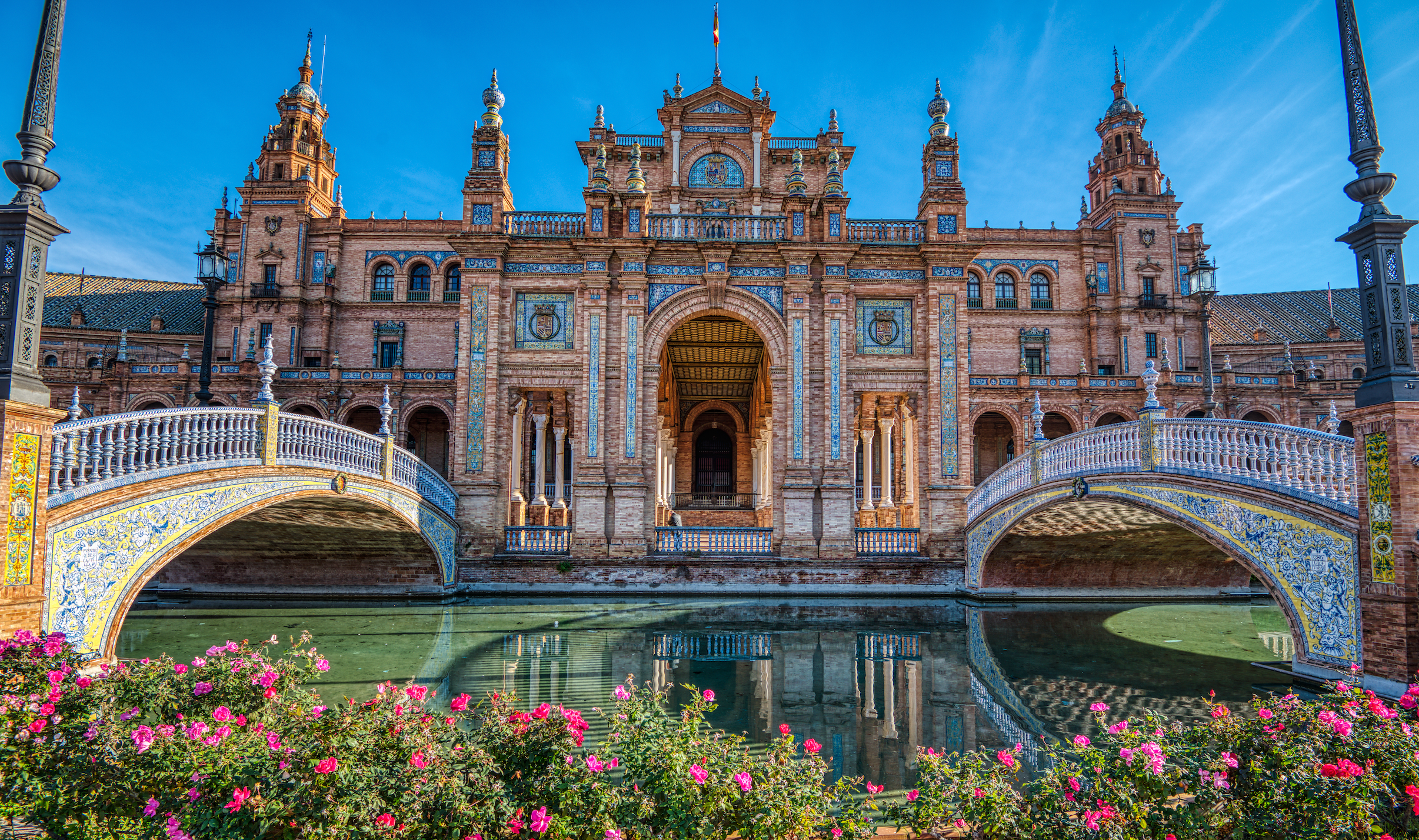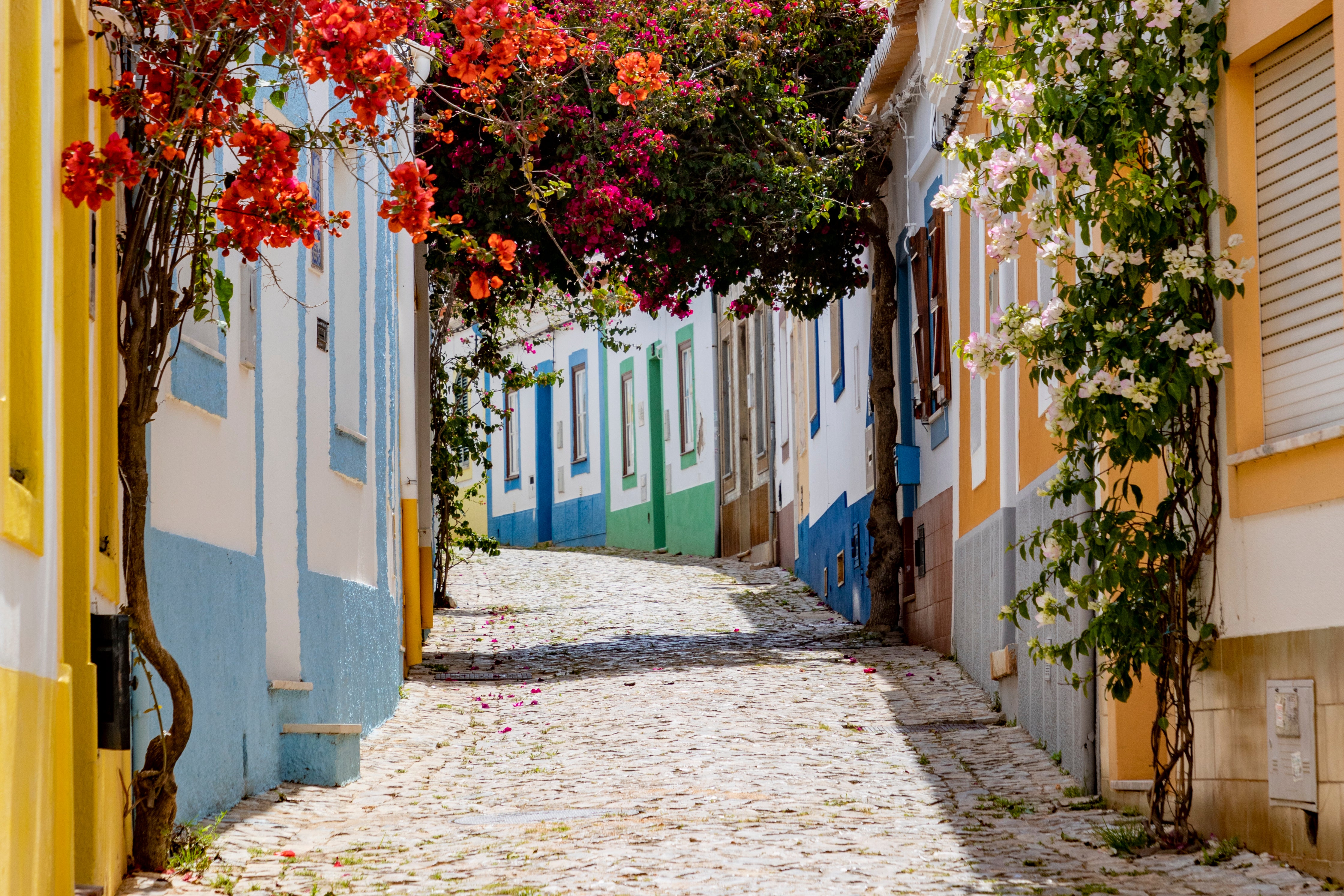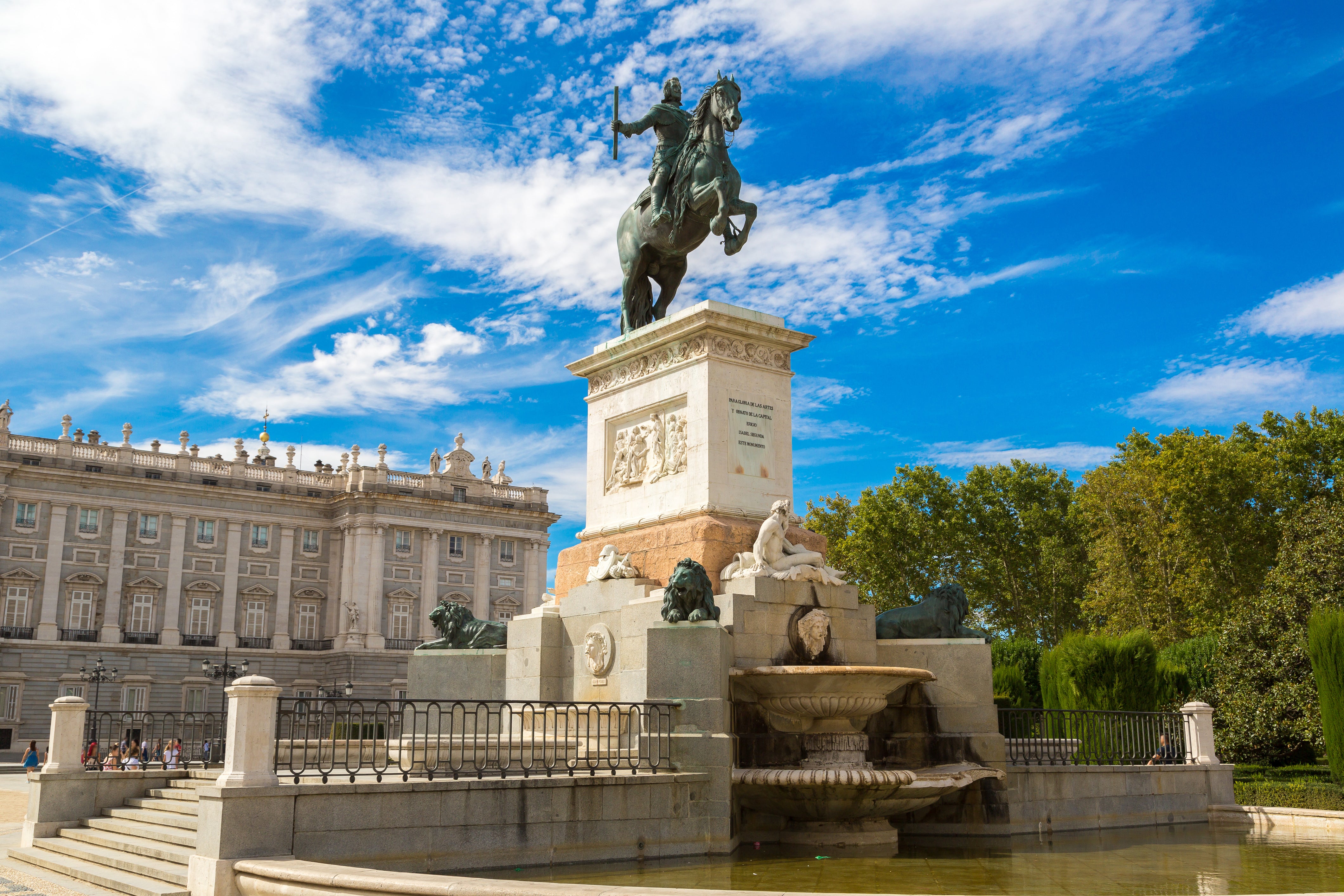
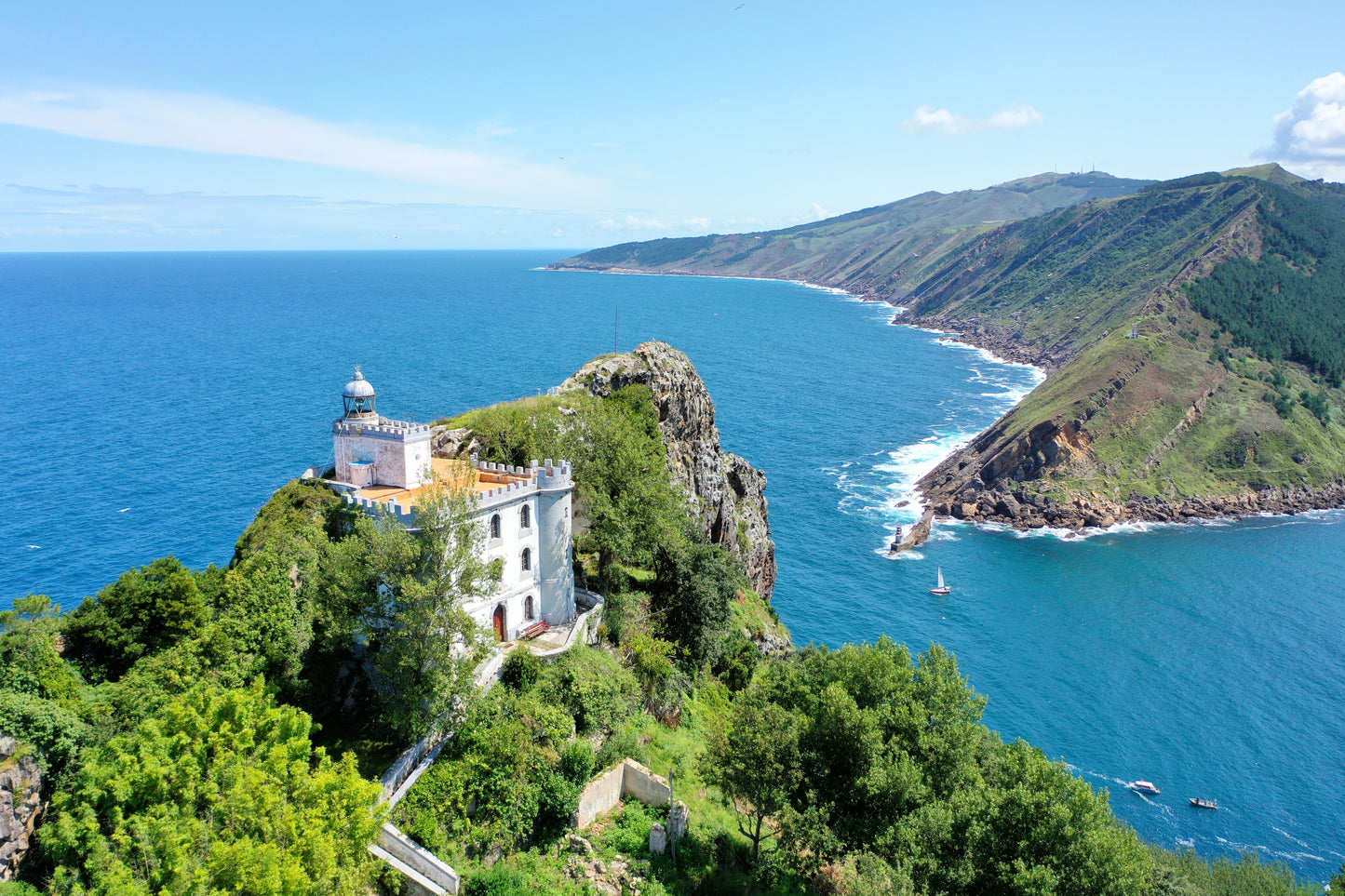
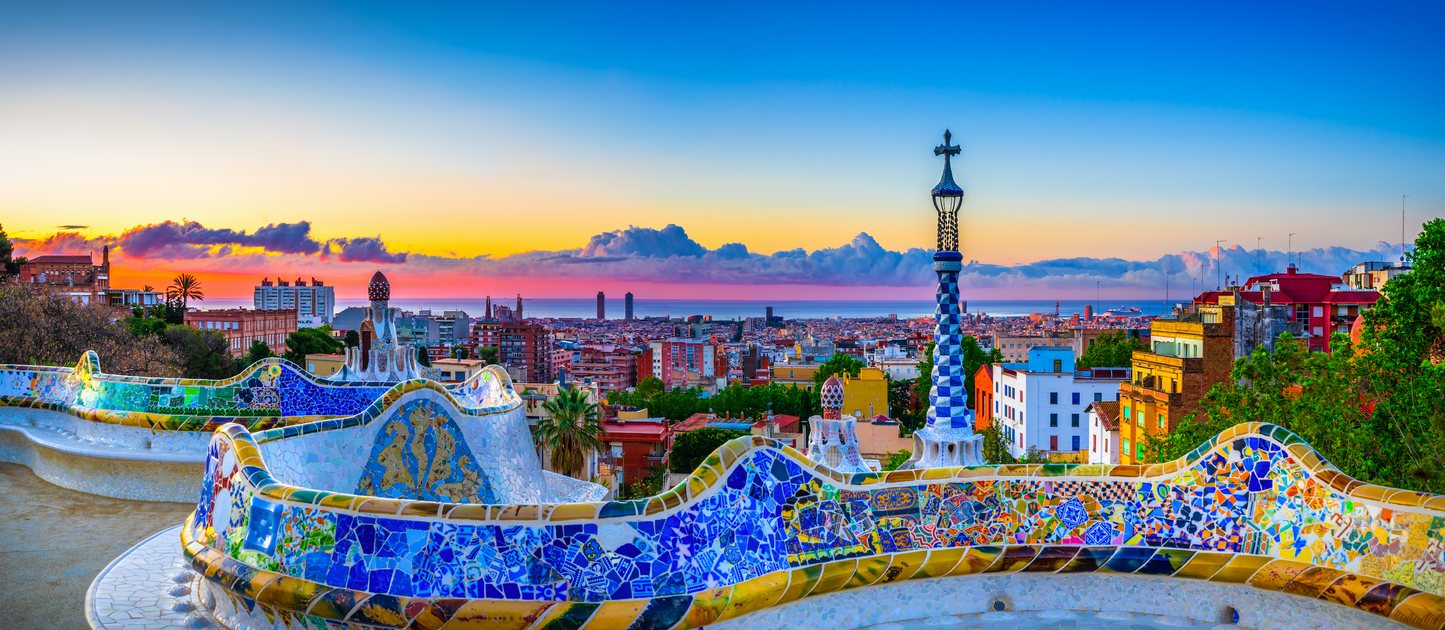
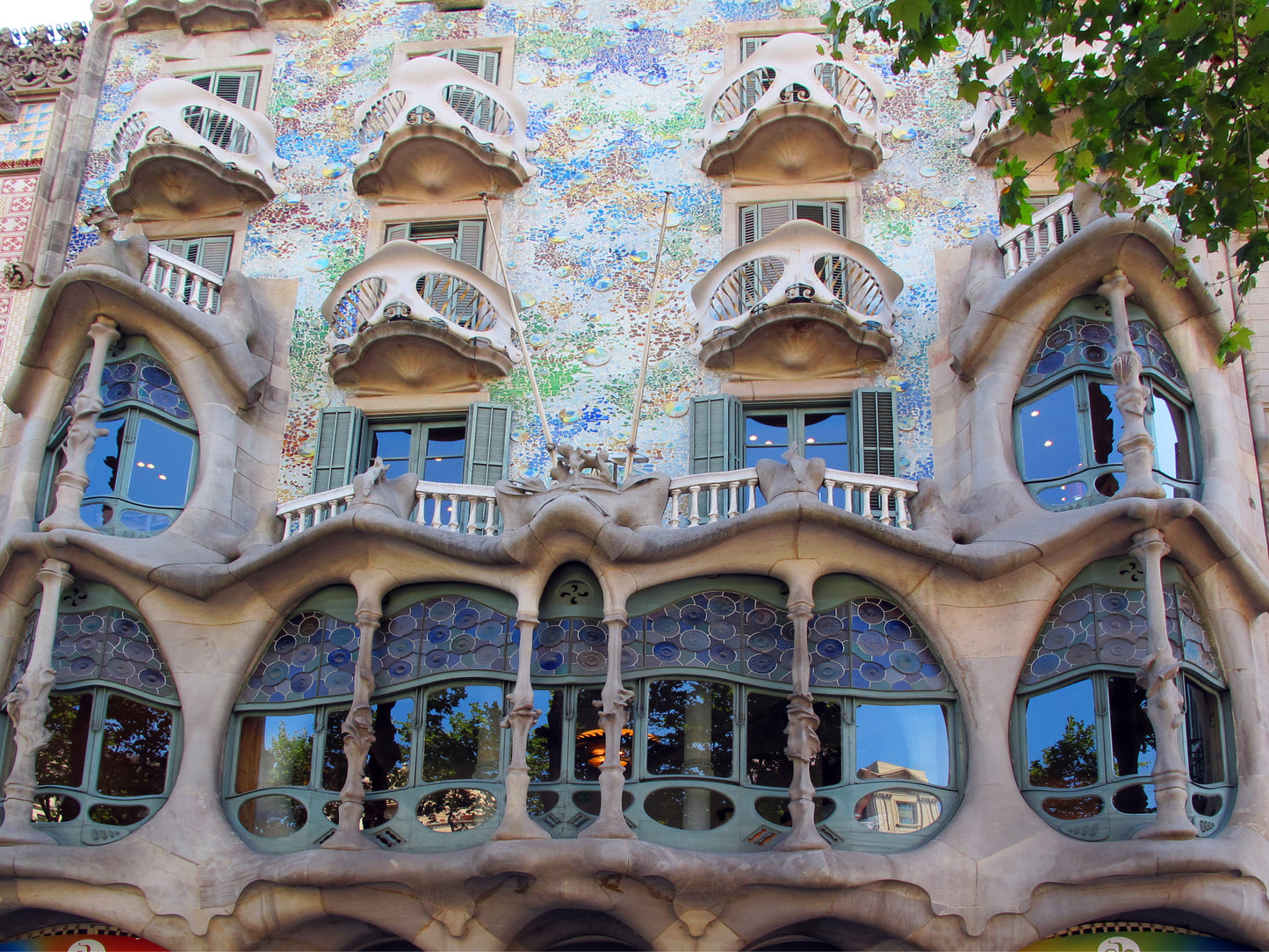
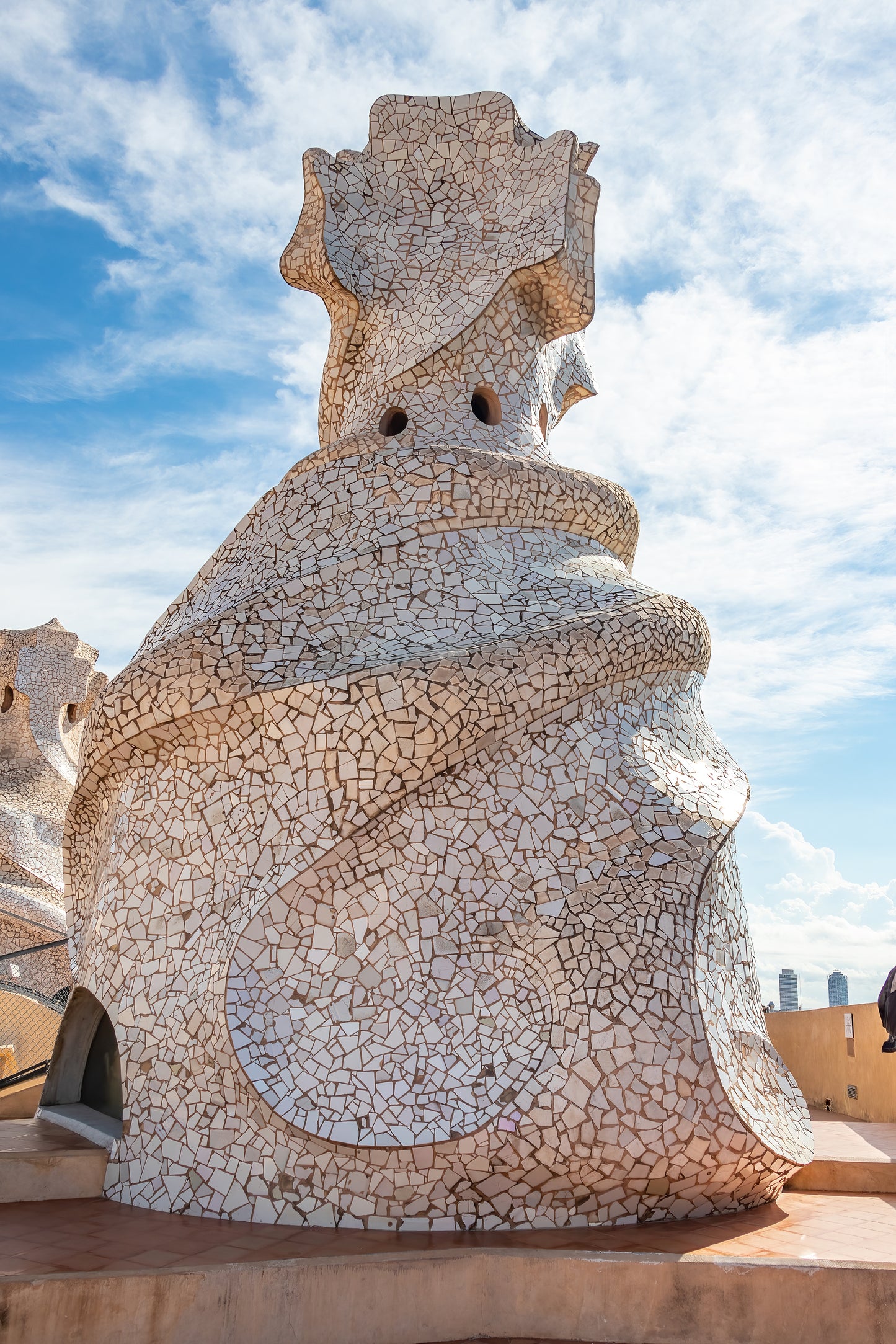
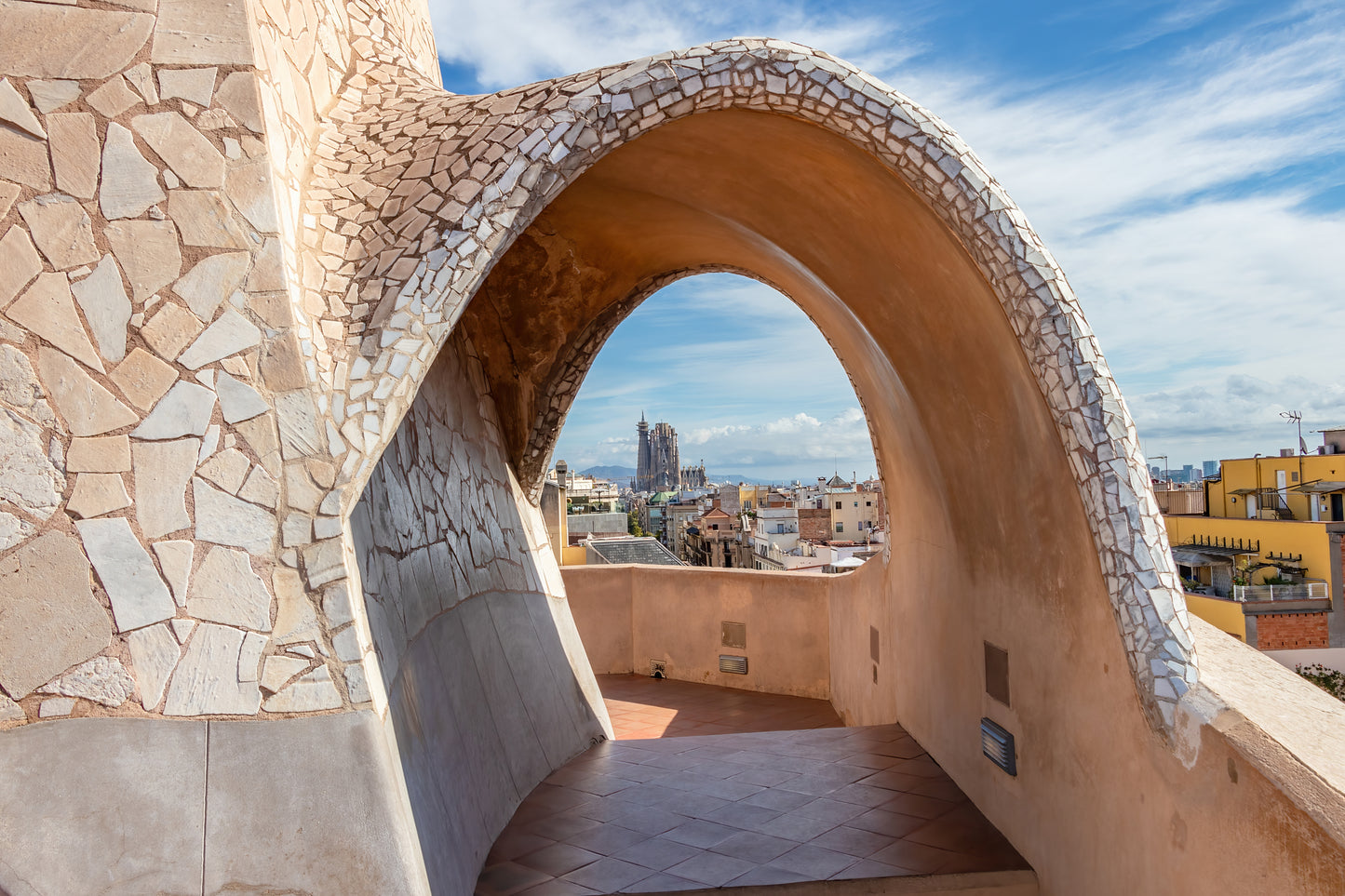
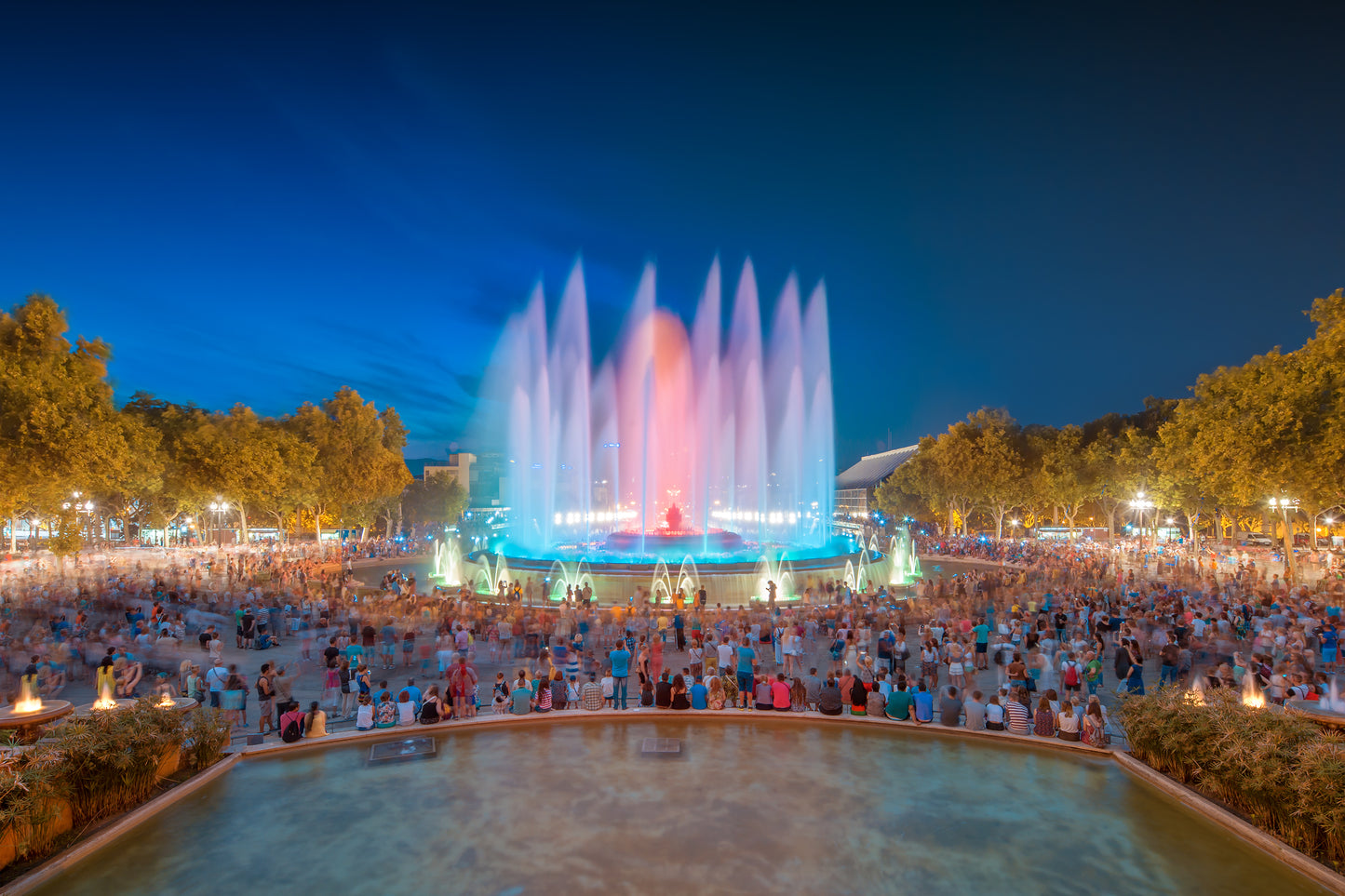
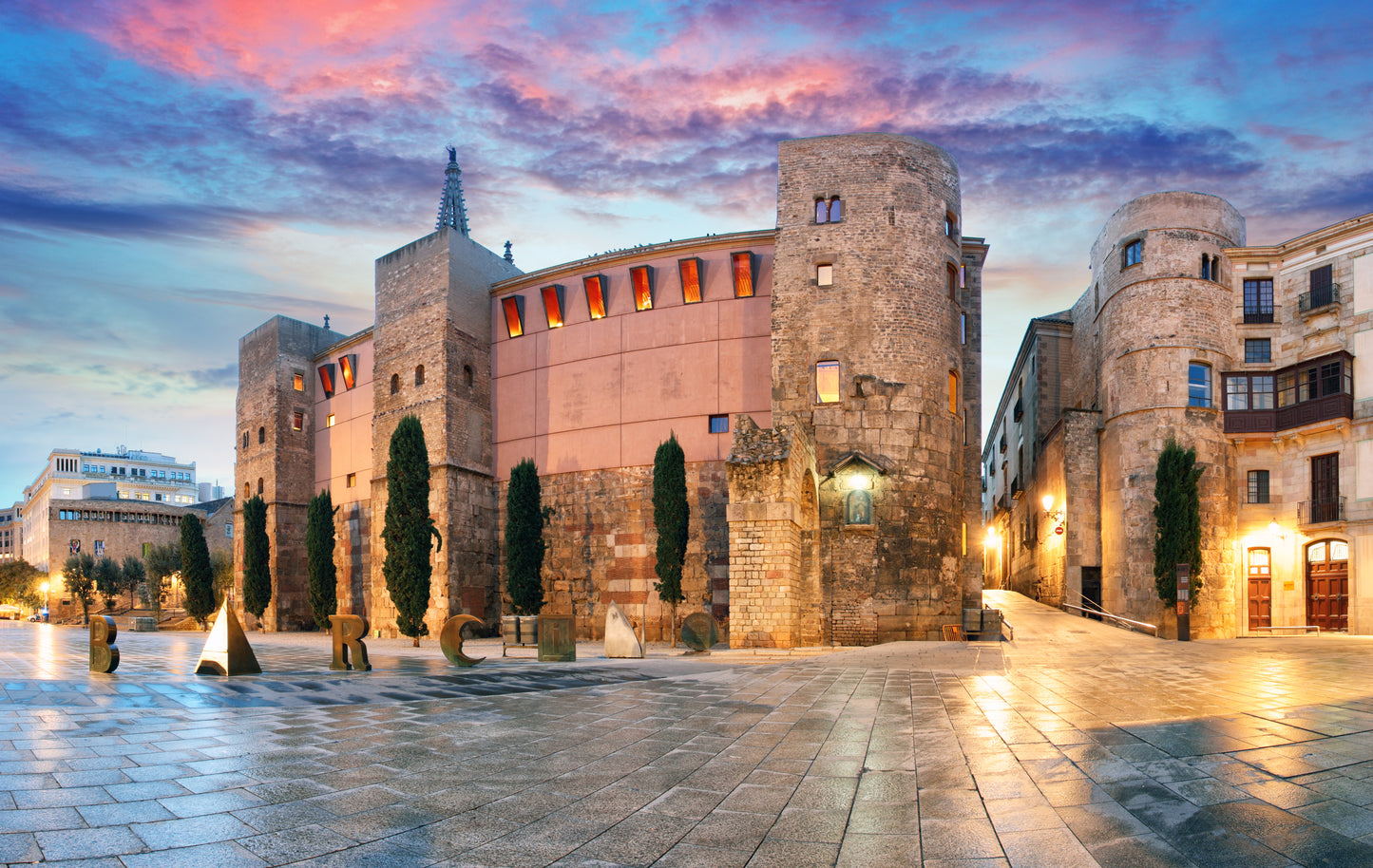
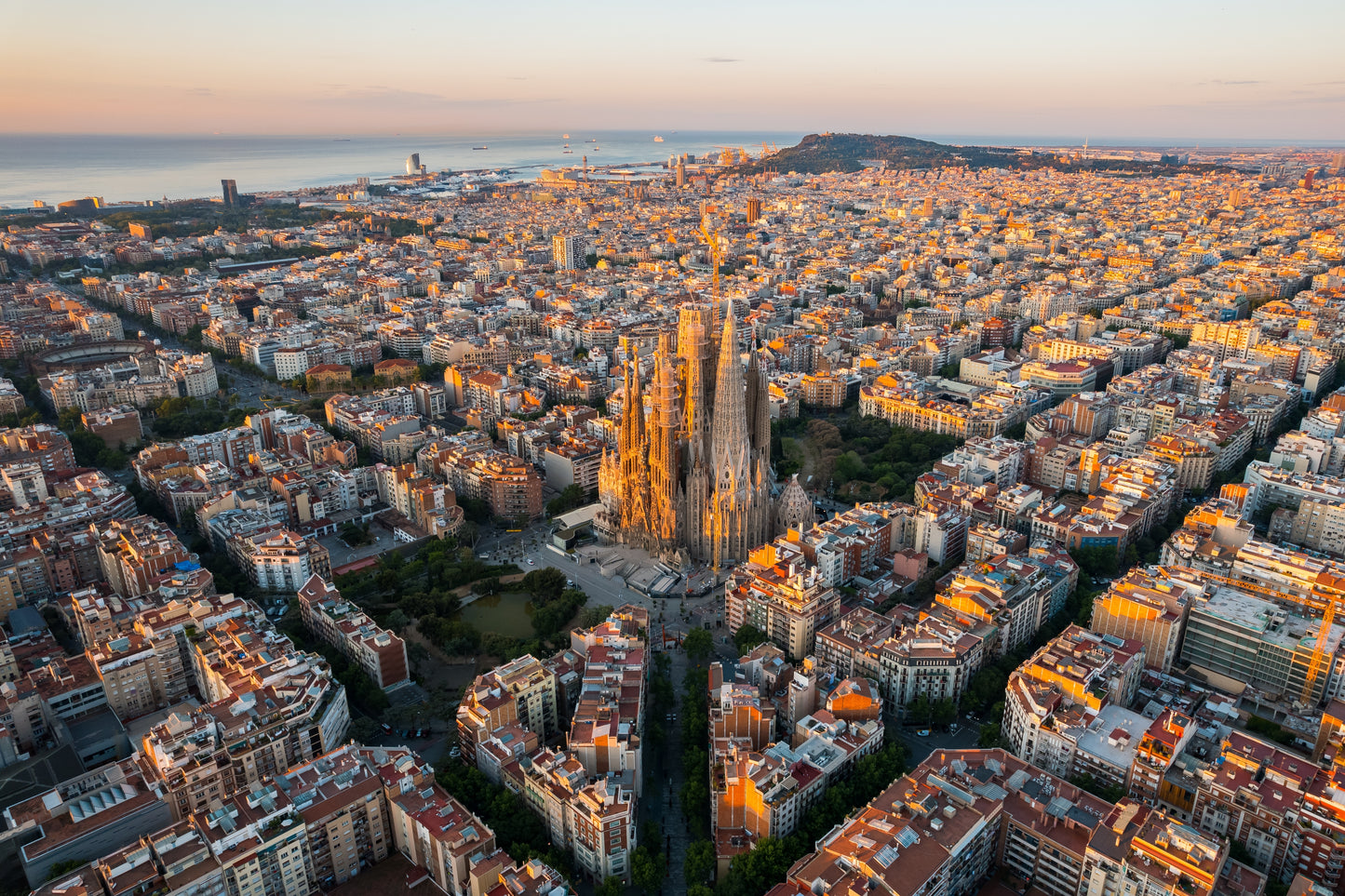
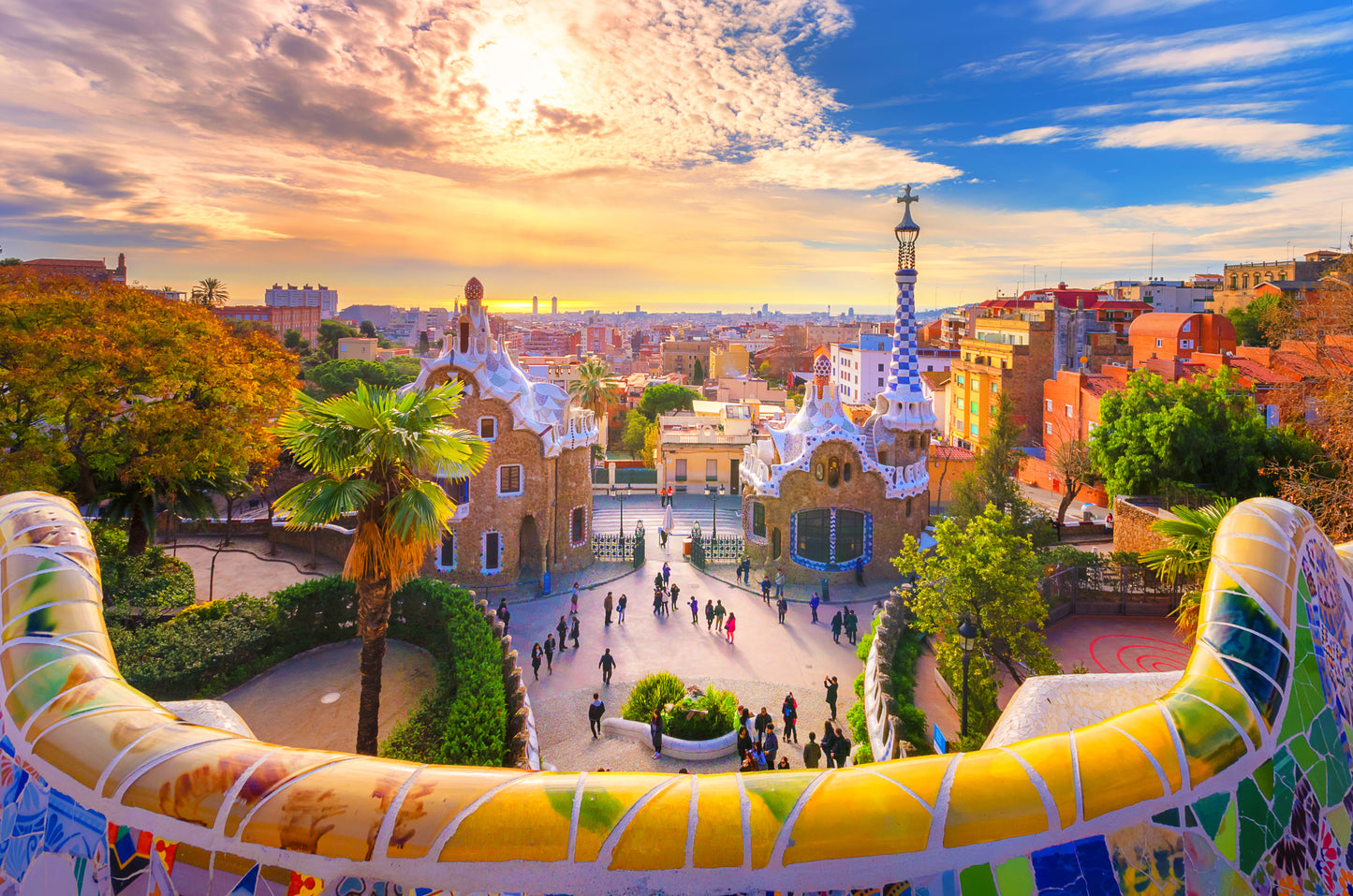
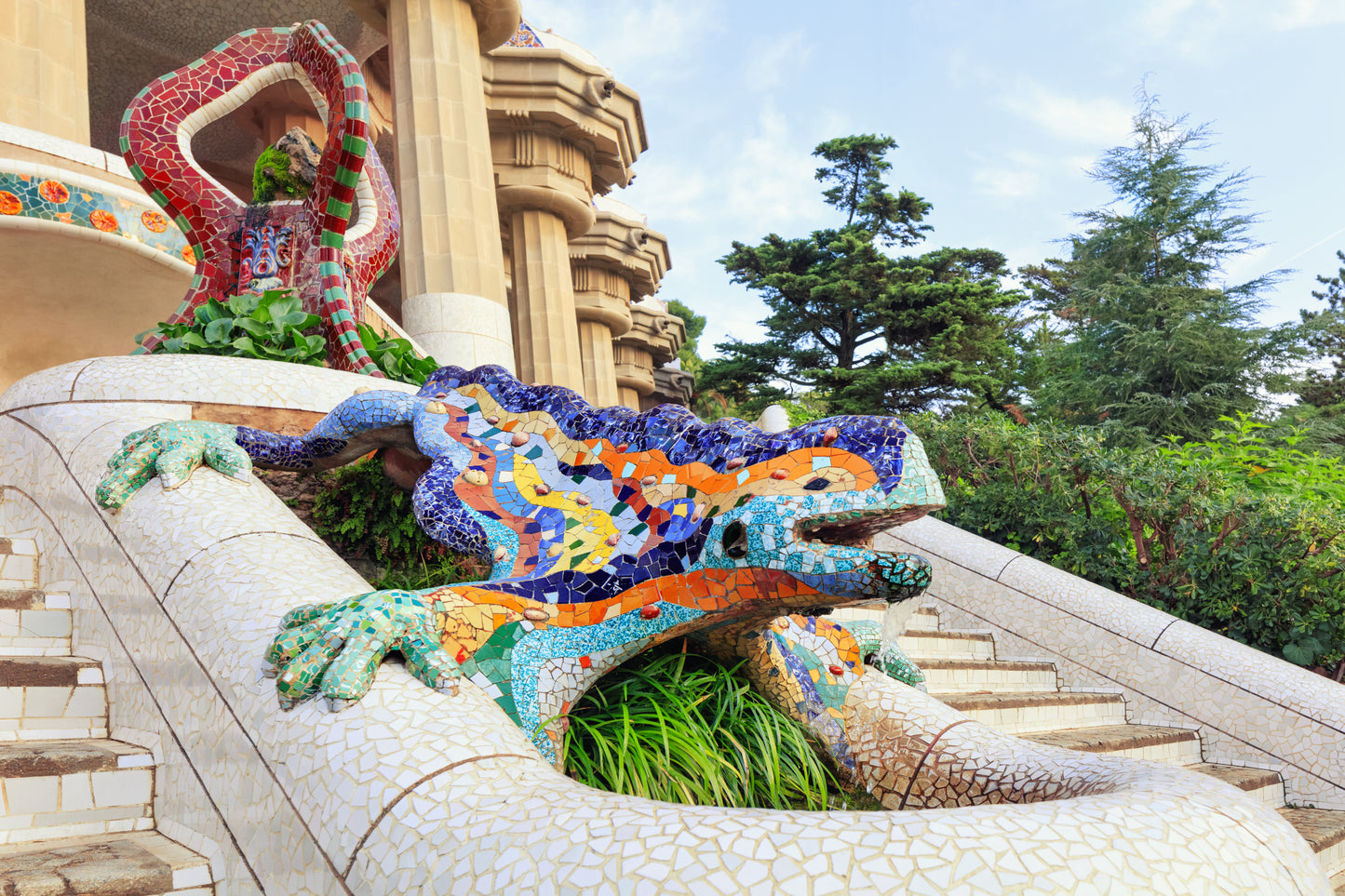
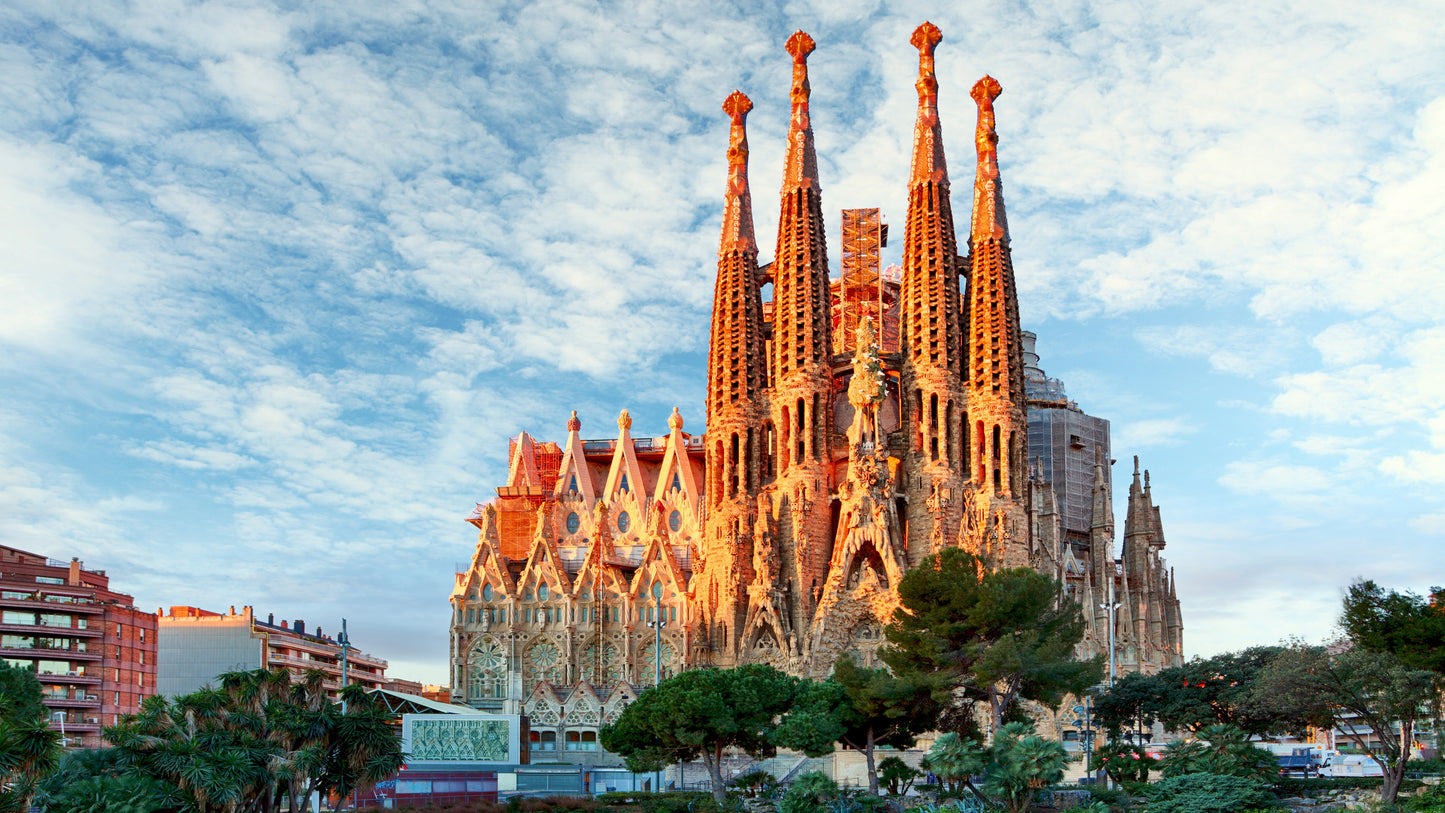
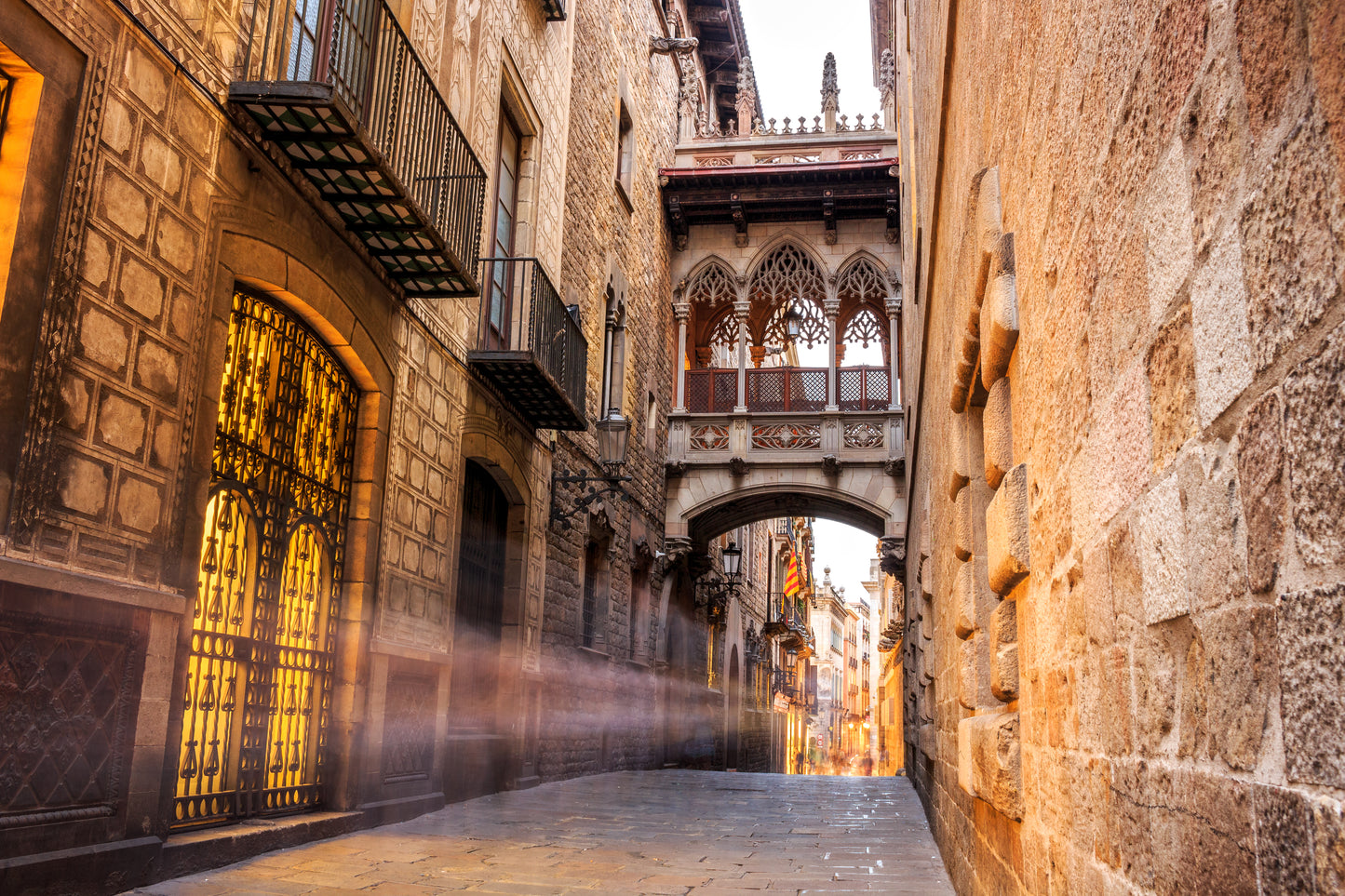
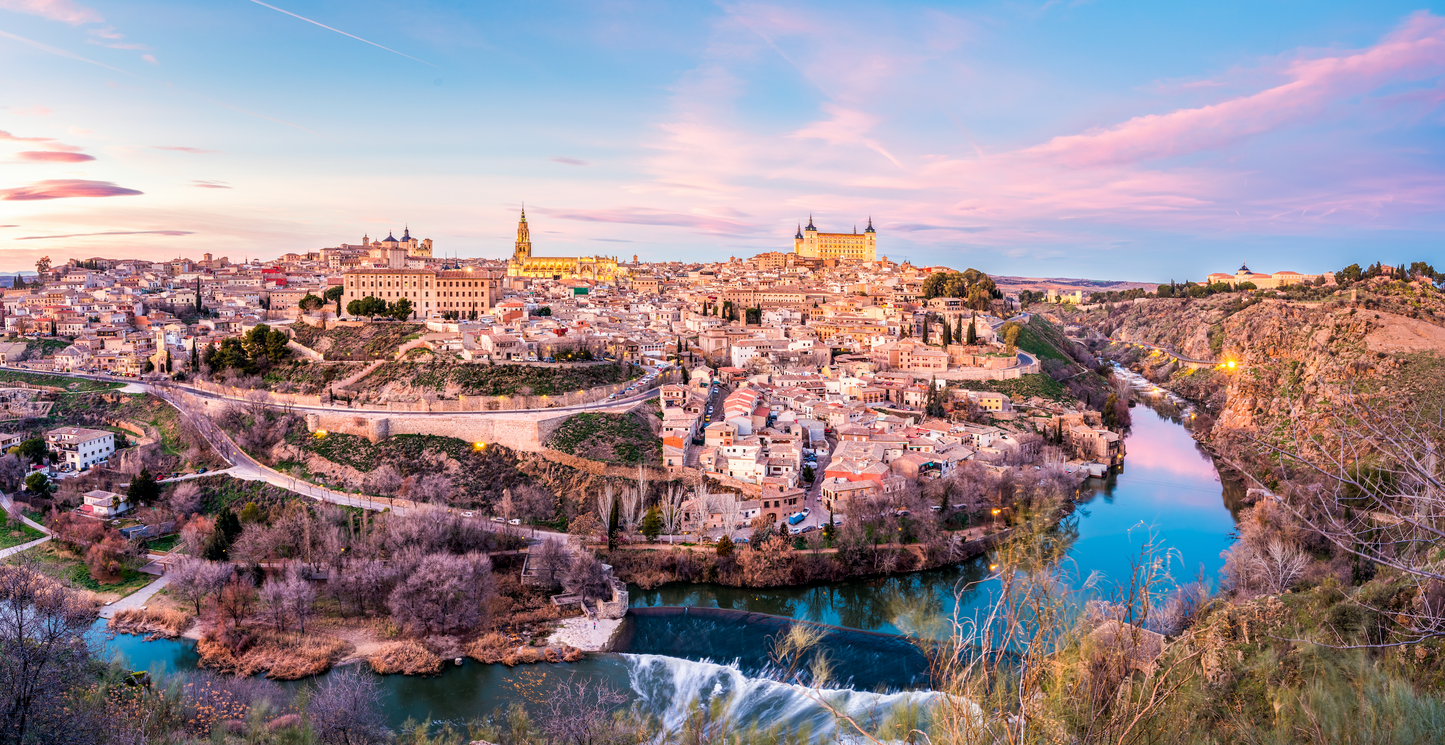
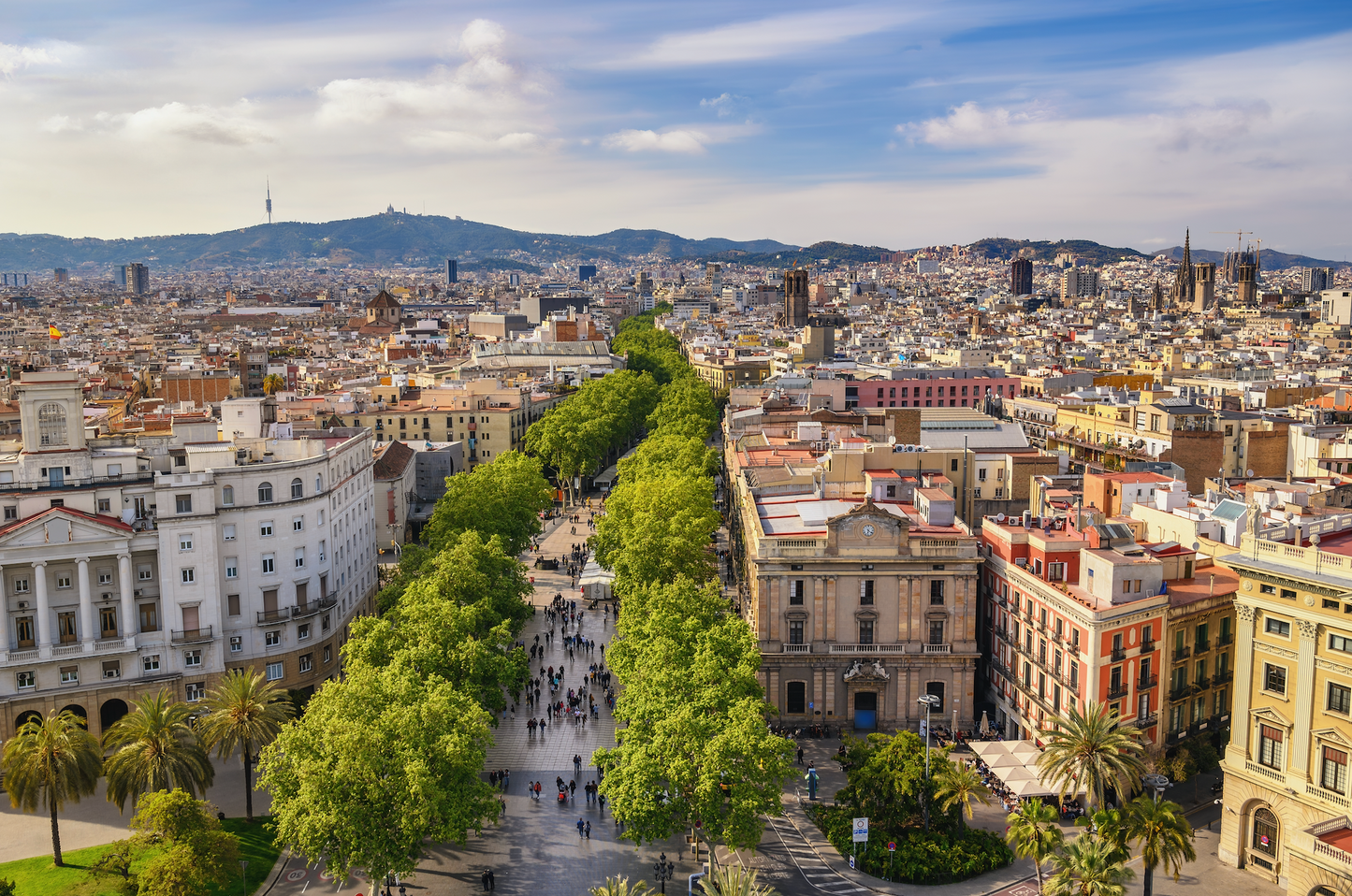
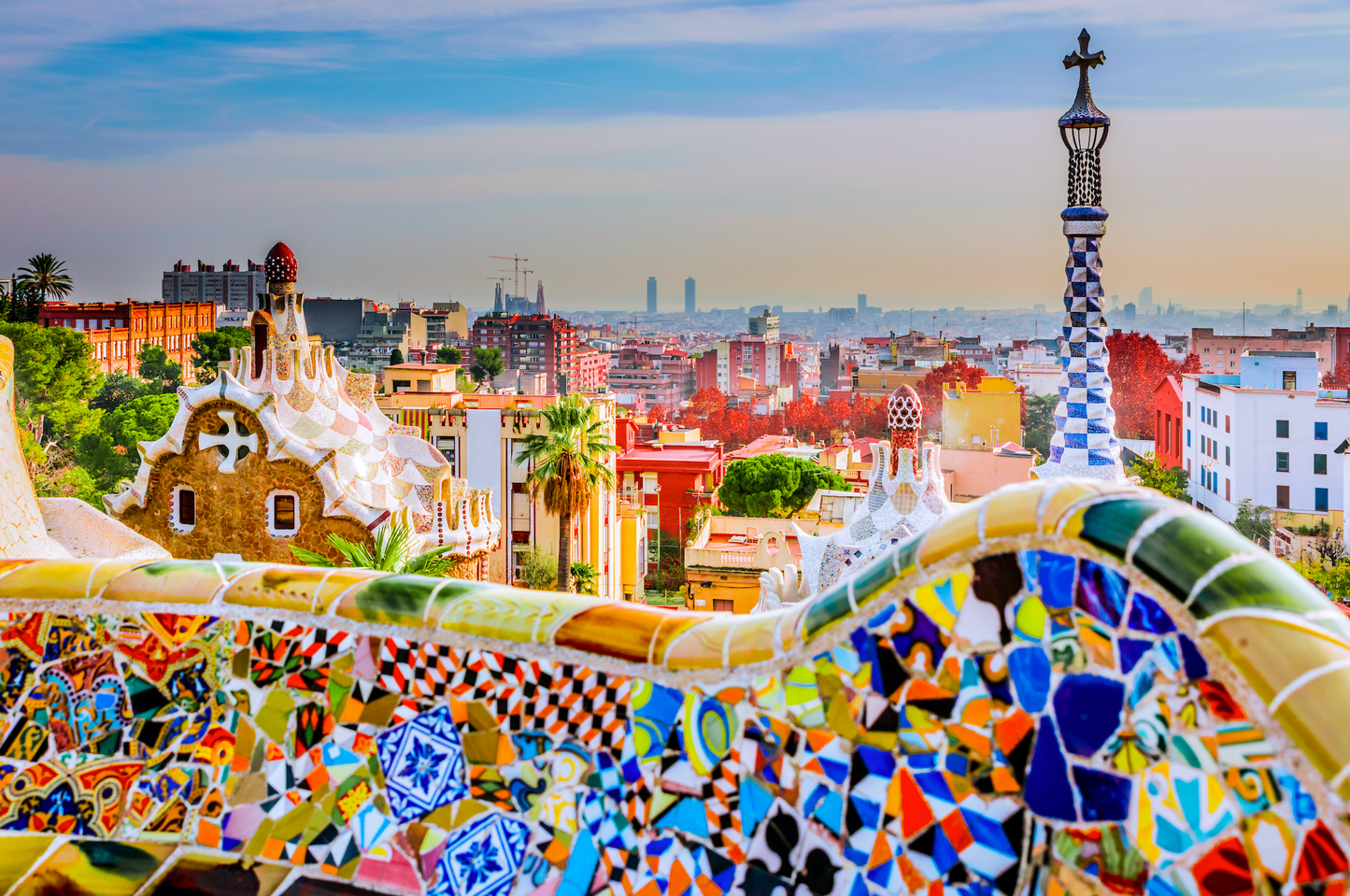
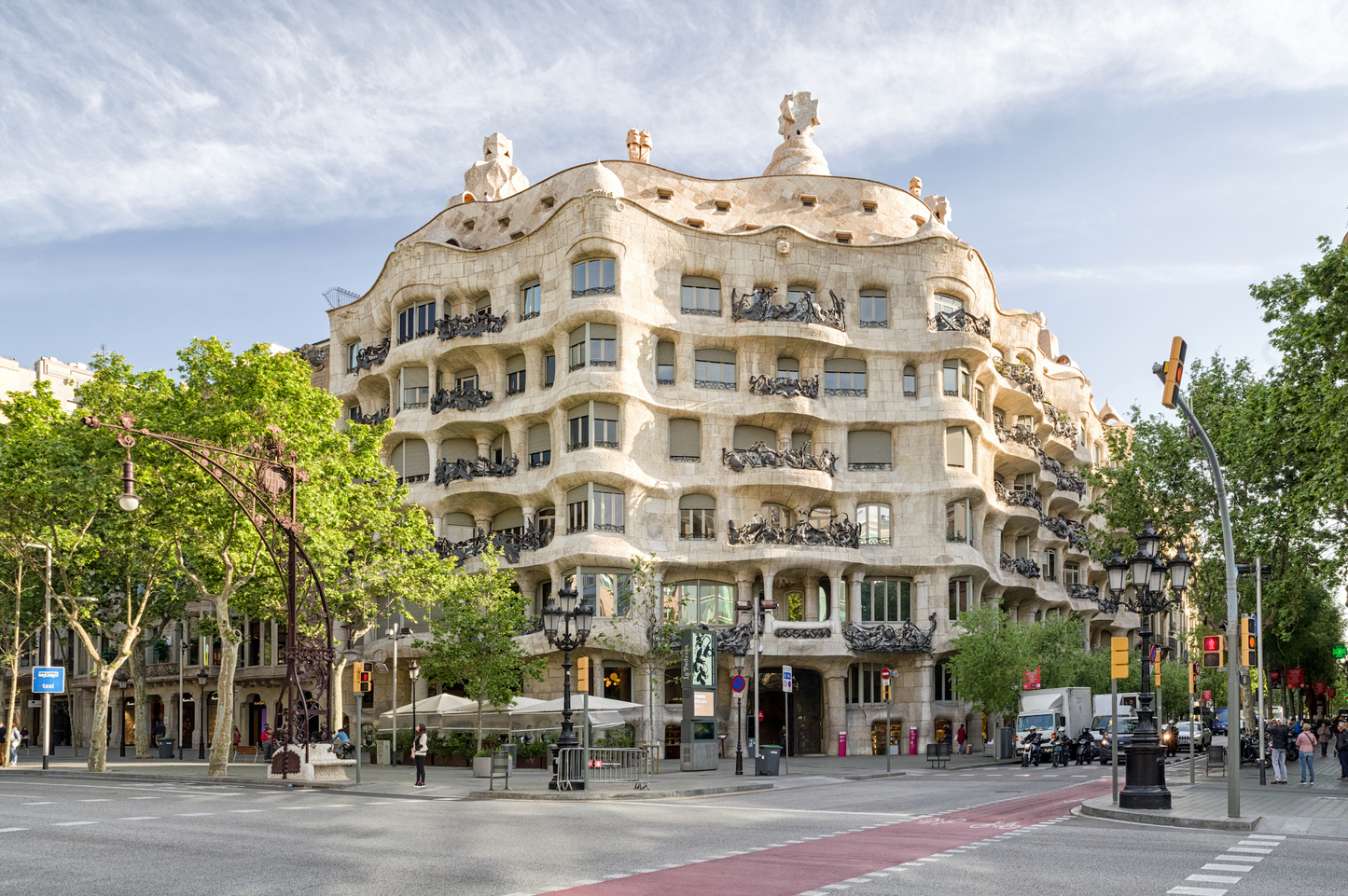
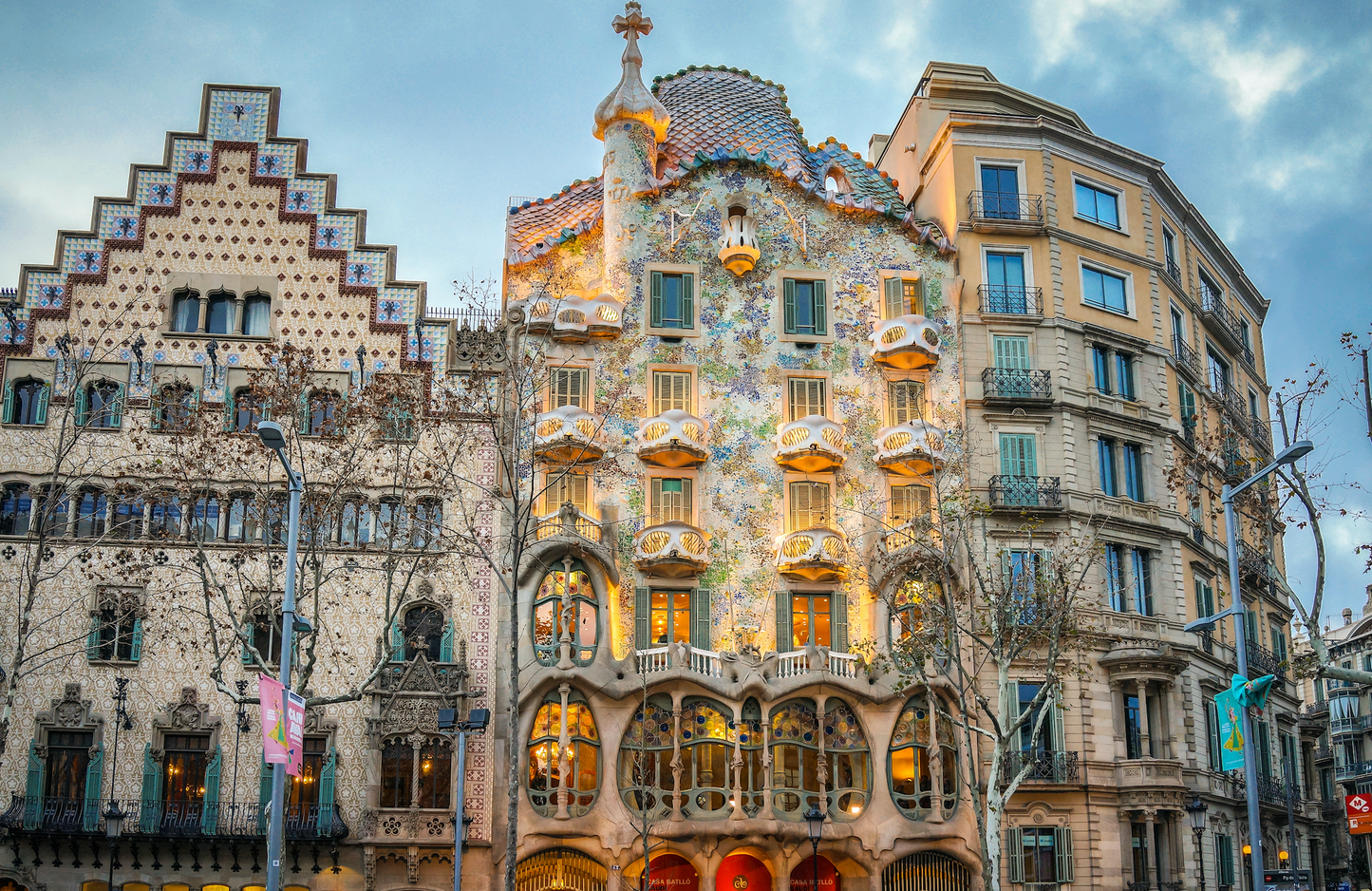
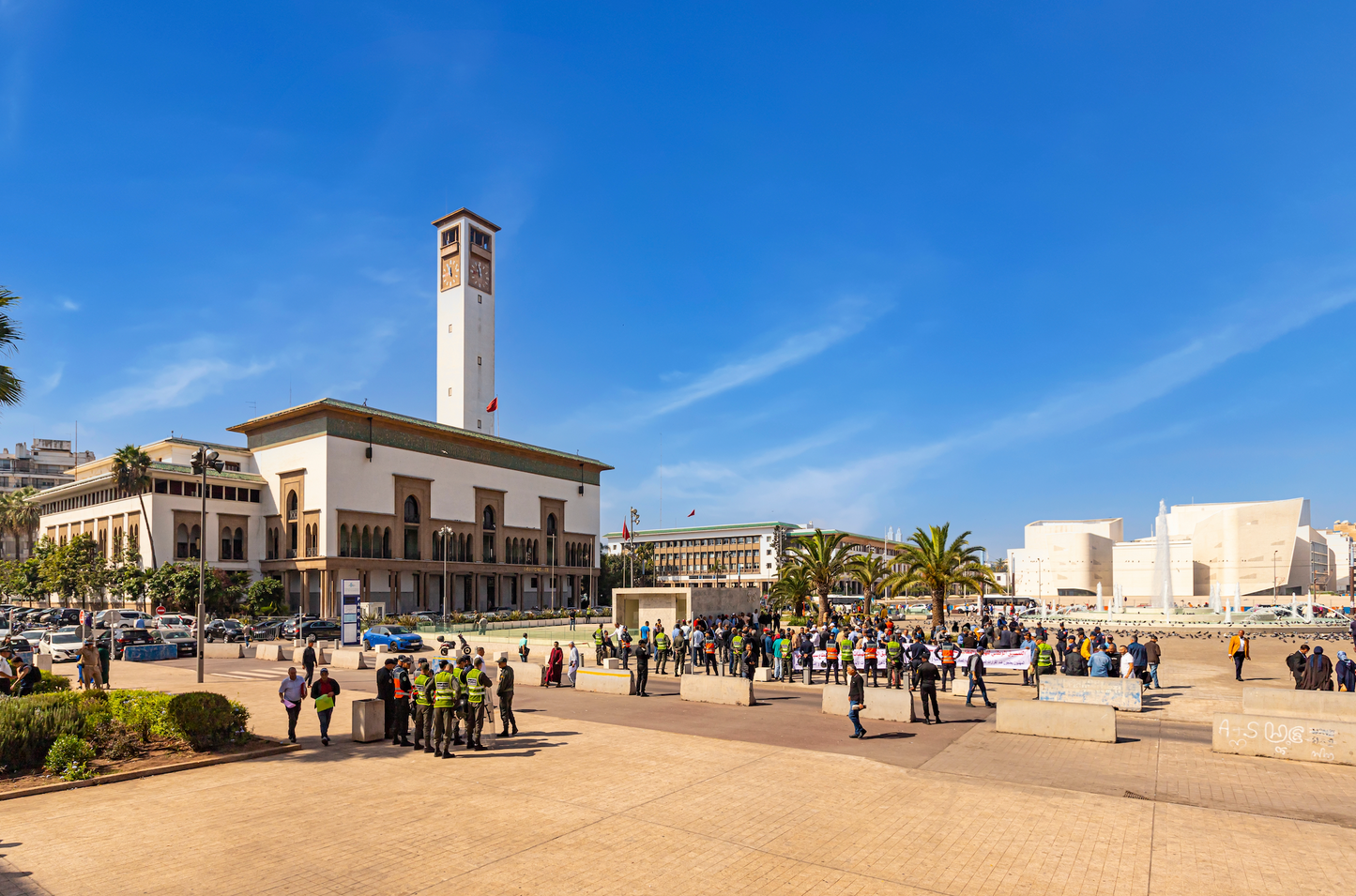
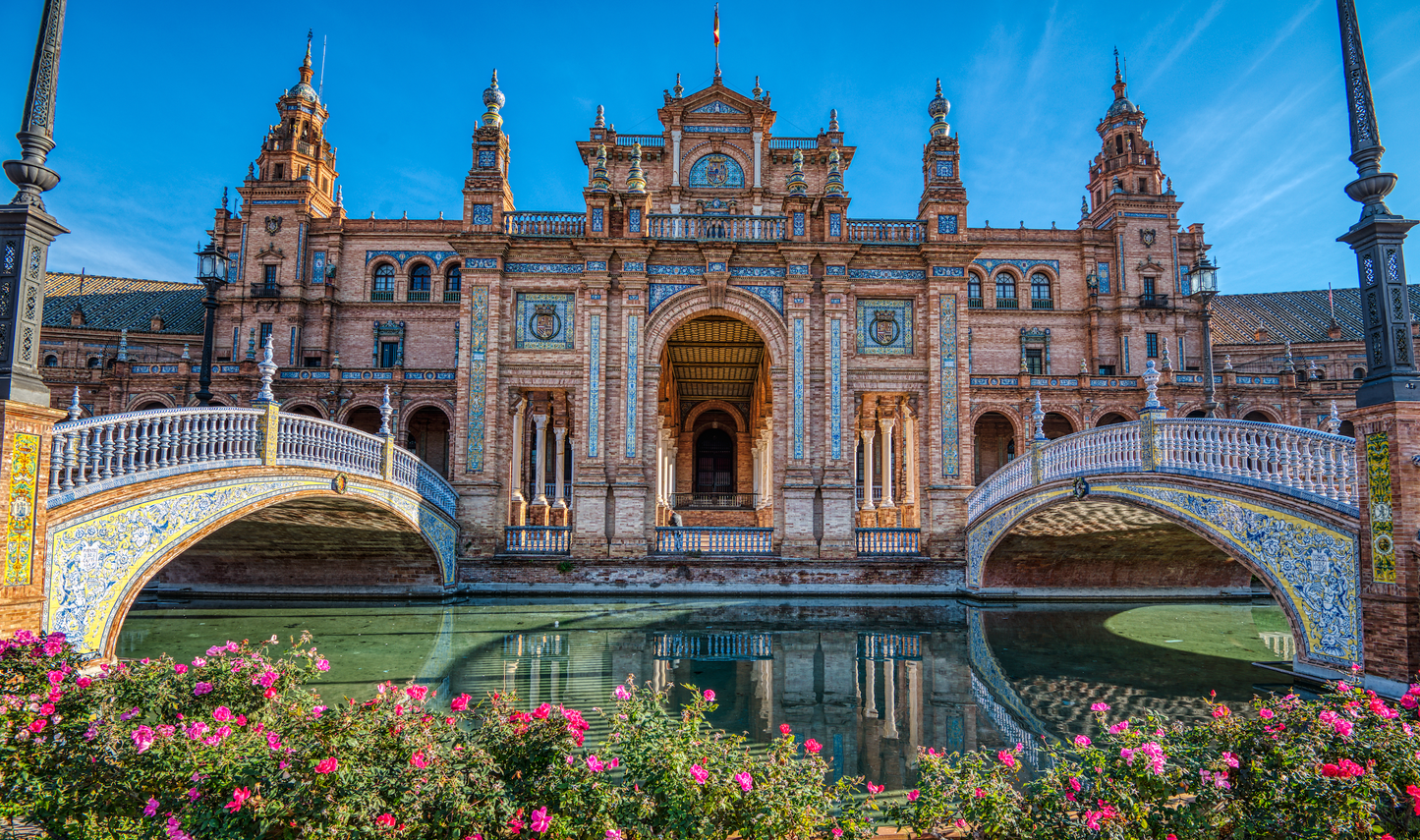
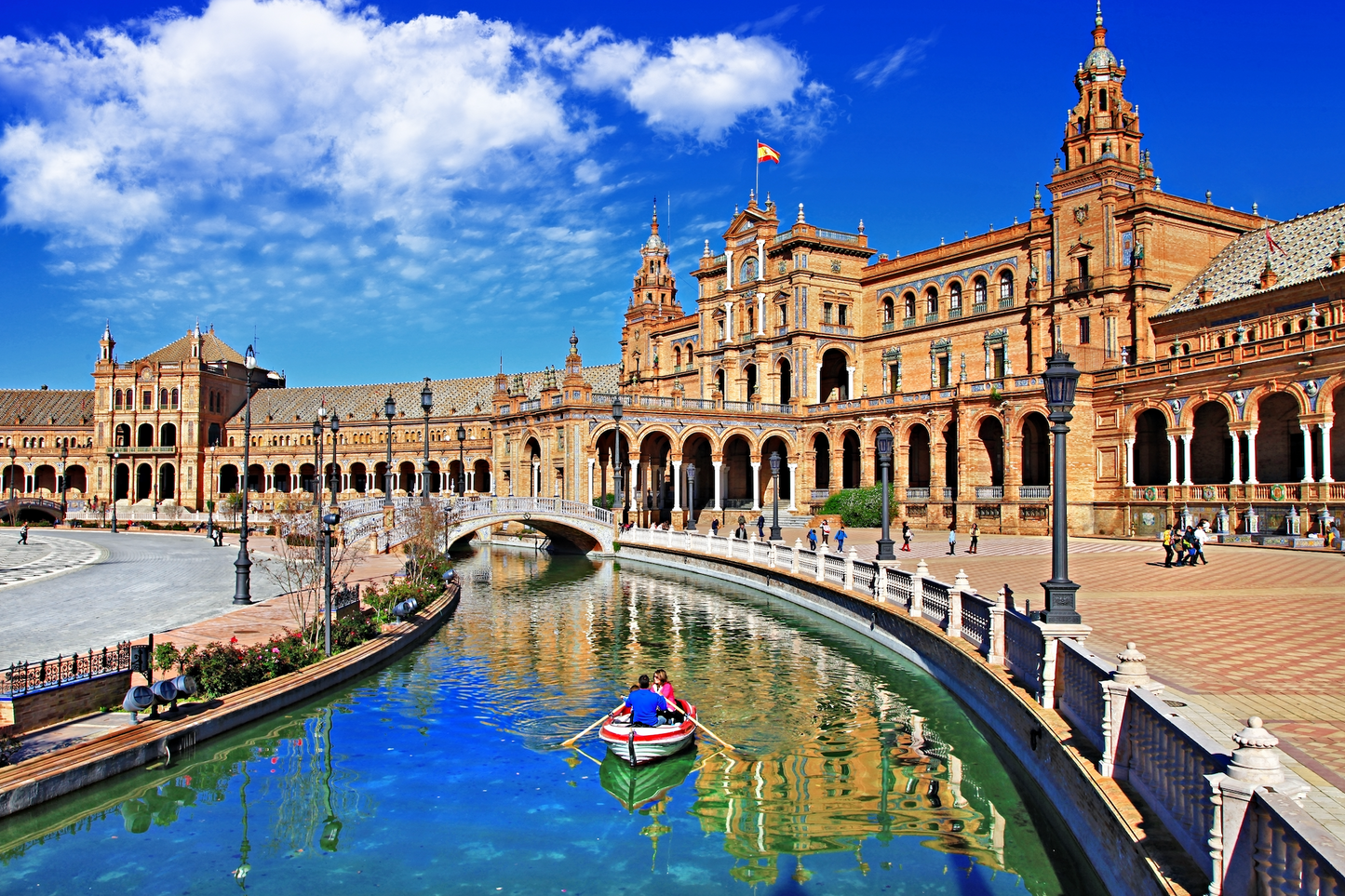
Spain
What language is spoken in Spain?
The national language of Spain is Spanish.
What is the main currency in Spain?
Euros.
Is Spain safe?
Spain is safe. To avoid incidences refrain from overt displays of wealth, secure valuables in hotel safes, and keep an eye on your personal belongings.
What is the typical food eaten in Spain?
Pan con Tomate, Gambas al Ajillo, Tortilla Espanola, Croquetas, Jamon Iberico, Manchego cheese, Almejas a la Marinera, Paella and so many other delicious foods!
Is tap water safe in Spain?
Yes, Spain's tap water is safe to drink.
What is the time zone in Spain?
Spain operates on Central European Time (CET), which is 8 hours ahead of Salt Lake City Mountain Time.
What is the public transportation like in Spain?
Spain has an extensive public transportation system, including trains, metros, buses, and trams. Major cities like Madrid and Barcelona have efficient metro systems, and high-speed trains (AVE) connect major cities.
Can I drink tap water in Spain?
Yes, tap water in Spain is generally safe to drink. However, if you're in a rural area, it's best to check locally.
What are the Visa Requirements?
Check visa requirements here https://apply.joinsherpa.com/travel-restrictions
Portugal
What is the best month to visit Portugal?
The ideal time to visit Portugal is between March and October, when most regions enjoy warm, sunny weather. May and September are especially popular thanks to comfortable temperatures and fewer crowds. For beach trips, July through September offers the warmest ocean conditions, while February and November are better suited for cultural travel and lower prices.
How many days is enough for Portugal?
For mainland Portugal, 7–10 days is a good amount of time to explore major highlights like Lisbon, Porto, and the Algarve. If you want a more in-depth experience that includes places such as the Douro Valley, Évora, or Coimbra, plan for 10–14 days. The country is relatively compact, making it easy to travel between regions.
Which regions should I visit in Portugal?
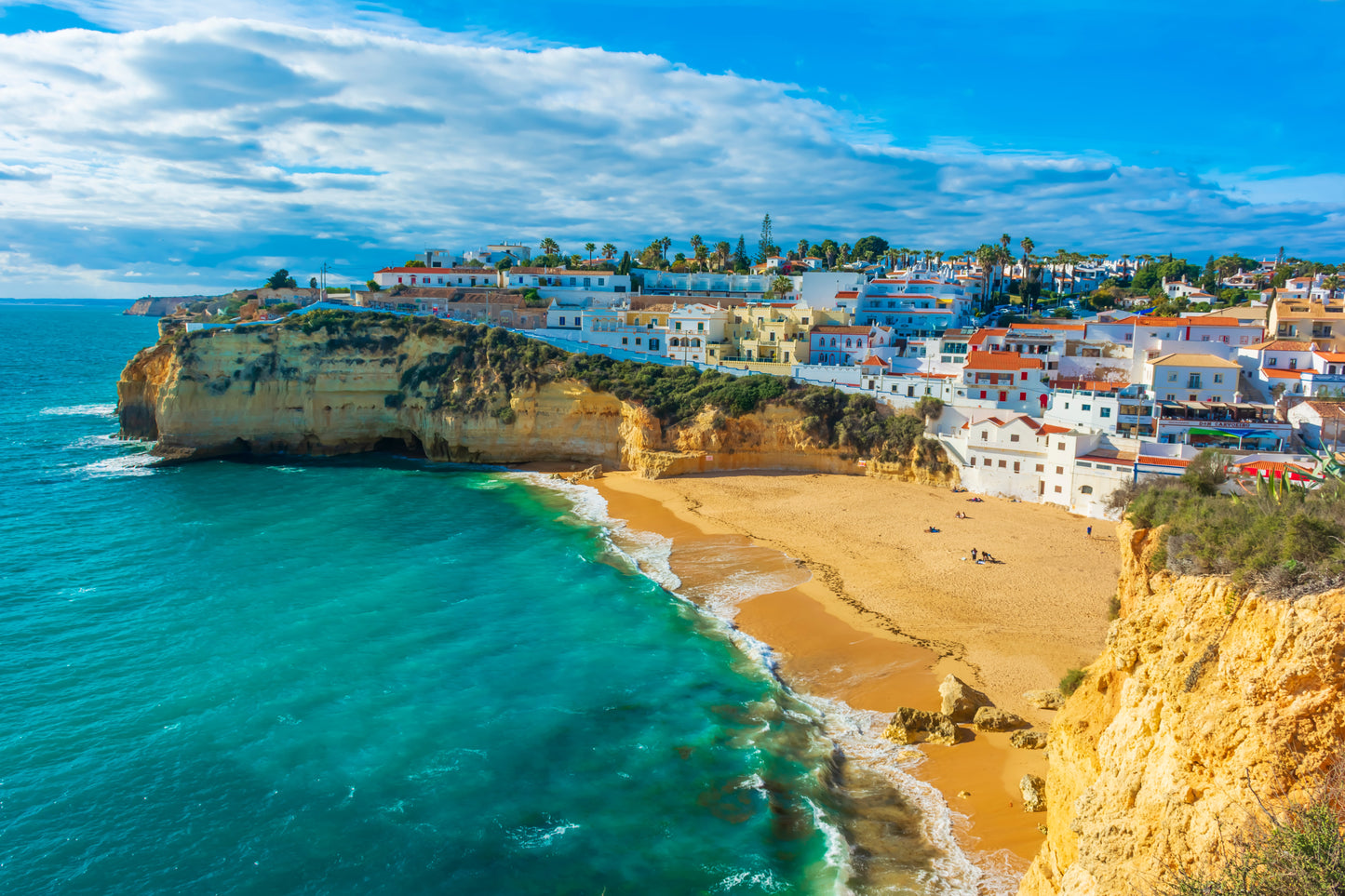
It depends on your interests: Lisbon & Sintra: Ideal for first-time visitors, combining history, culture, and coastal scenery. Porto & the Douro Valley: Perfect for wine enthusiasts and scenic landscapes. The Algarve: Known for beaches, sea caves, and dramatic cliffs. Alentejo: Great for a slower pace, rural charm, and traditional cuisine. Madeira & the Azores: Best for nature-focused trips and island adventures. Each region offers something different, making it easy to customize your itinerary.
How do I get around Portugal?
Portugal has a well-developed transport system. By train: Efficient and scenic connections between cities like Lisbon, Porto, and Coimbra. By car: Renting a car provides flexibility, especially in rural or less accessible areas. By plane: Domestic flights connect major cities and the islands, including Madeira and the Azores.
Do I need a driver's license to drive in Portugal?
Yes. Visitors can drive with a valid license from the U.S., Canada, or EU for up to 90 days. Travelers from other countries should carry an International Driving Permit along with their license.
Do I need a visa to visit Portugal?
Citizens of the U.S., Canada, and EU countries do not need a visa for stays of up to 90 days within a 180-day period. Travelers from other countries should verify visa requirements before departure. Check requirements here.
What currency is used in Portugal?
Portugal uses the Euro (€). Credit and debit cards are widely accepted, but it’s helpful to carry some cash for small purchases or rural areas. ATMs are widely available.
Can you use U.S. dollars in Portugal?
No, U.S. dollars are generally not accepted. Even in tourist areas, exchange rates offered may be unfavorable, so it’s best to pay in Euros.
Can you drink tap water in Portugal?
Yes, tap water is safe to drink throughout Portugal, including in cities and most rural areas. Bottled water is also easy to find if preferred. Travel Insurance is recommended, check here.
What is the weather like in Portugal?
Portugal has a Mediterranean climate with plenty of sunshine year-round. Summer (June–August): Hot and dry, with temperatures around 27–32°C (80–90°F). Spring & Fall: Mild and comfortable, ideal for sightseeing. Winter (December–February): Cooler and wetter, especially in the north, though still milder than much of Europe. Southern areas like the Algarve are typically sunnier, while northern regions such as Porto and the Douro Valley see more rain.
Morocco
Is Morocco safe?
Yes, Morocco is generally a safe destination for travelers. Like anywhere, you should stay alert to pickpocketing and minor scams, especially in busy areas. Visitors—particularly solo travelers—may receive extra attention in crowded tourist spots, but dressing respectfully and staying aware of your surroundings helps. Traveling with others or in a group can also add an extra sense of comfort. Travel Insurance is recommended, check here.
What should I wear in Morocco?
Modest clothing is recommended for both men and women. Lightweight, loose-fitting outfits that cover shoulders and knees are ideal for staying cool and respecting local customs. A scarf is useful for sun protection and when visiting religious or traditional areas.
When is the best time to visit Morocco?
Morocco is a year-round destination, but spring and autumn offer the most comfortable temperatures. These seasons are also ideal for visiting the Atlas Mountains. Winters can be chilly, especially at night or in desert regions, while coastal areas remain mild. For trekking Mount Toubkal, the best times are May–June and September–October.
Should I haggle when shopping in the souks?
Yes, bargaining is a normal part of shopping in Moroccan markets (souks). Vendors often start with higher prices, so negotiating is expected. Aim to offer around half the initial price and work toward a fair agreement. Keep your belongings secure in crowded areas.
What language do they speak in Morocco?
Arabic is the main language, but French is widely spoken and English is common in tourist areas. Learning a few basic Arabic phrases can be helpful and appreciated by locals.
Is the water safe to drink?
No, it’s recommended to drink bottled or filtered water rather than tap water.
Do I need a visa to enter Morocco?
Many nationalities do not require a visa for short visits and will receive an entry stamp upon arrival. Always check requirements based on your country. Check requirements here.
What type of plug do I need?
Morocco uses Type C and E plugs with a 220V supply. A European-style adapter is recommended.