
Israel
What documents do I need to travel to Israel?
For U.S. and Canadian citizens, a valid passport is required, and it must remain valid for at least six months beyond your arrival date. For stays of up to three months, a visa is not required. Travelers from many Western countries follow similar entry requirements, though it’s always best to confirm based on your nationality. Check visa requirements here.
Is it safe to travel to Israel?
Israel welcomes millions of tourists each year, and the vast majority of visits are completed safely without incident. As with any destination, it’s important to stay informed, follow local guidance, and remain aware of your surroundings while traveling. Travel Insurance is recommended, check that here.
What about health, medicines, vaccinations?
Israel has a highly advanced healthcare system with excellent medical facilities. No special vaccinations are required for entry unless you are arriving from regions affected by certain diseases. Most over-the-counter medications are widely available and comparable to those in North America.
What to wear?
Casual clothing is suitable for most daytime activities, and comfortable walking shoes are essential. Evenings in cities like Tel Aviv and Jerusalem often lean toward “smart casual.” When visiting religious sites, modest dress is required, meaning shoulders and knees should be covered, and sometimes additional restrictions apply. Don’t forget a swimsuit, especially if visiting the Dead Sea, along with water shoes.
What about money?
The official currency is the New Israeli Shekel. ATMs are widely available, including at the airport, and credit cards are accepted in most places. It’s a good idea to withdraw some local currency upon arrival for smaller purchases.
Will I need a converter/adapter for electricity?
Israel uses 220V electricity with three-prong outlets. Many European two-prong adapters will work, but it’s best to bring a compatible adapter. Hotels often provide basic amenities like hairdryers, and converters may be needed for certain devices.
What is the climate like?
Weather varies by region and season. Summers are hot and dry, especially in places like Eilat and the Dead Sea, while coastal cities like Tel Aviv are hot and humid. Spring and fall offer mild, pleasant temperatures. Winters can range from cool and rainy to occasionally cold, with possible snow in higher elevations like Jerusalem.
Is the water safe to drink?
Yes, tap water in Israel is safe to drink and meets high safety standards. Bottled water is also widely available if preferred.
What is the internet and email availability like?
Internet access is widely available in hotels, cafés, and public spaces. Many places offer free Wi-Fi, and larger cities like Tel Aviv have extensive public hotspot coverage.
Will my cell phone work in Israel?
Most modern phones will work if they are enabled for international use. It’s best to check with your provider before traveling. Renting a local phone or SIM card is also an option for staying connected.
What should I expect with currency and purchasing while in Israel?
The New Israeli Shekel is used for all transactions. Credit cards are widely accepted, especially Visa and MasterCard. ATMs are easy to find, and it’s recommended to carry some cash for smaller vendors or markets.
Is tipping customary?
Tipping is customary in Israel. In restaurants, around 15% is standard if service is not already included. Guides, drivers, and hotel staff also typically receive tips based on service quality. Taxi tipping is optional but appreciated.
Turkey
When is the best time to visit Turkey?
The best times to visit Turkey are from mid-April to late June and mid-September to early November. These spring and fall months offer warm weather, clear skies, and fewer crowds compared to peak summer. July and August are great for beach holidays if you’re comfortable with heat and busy tourist areas. Winter can also be a good time to visit for skiing and thermal baths in certain regions.
Why is Turkey popular?
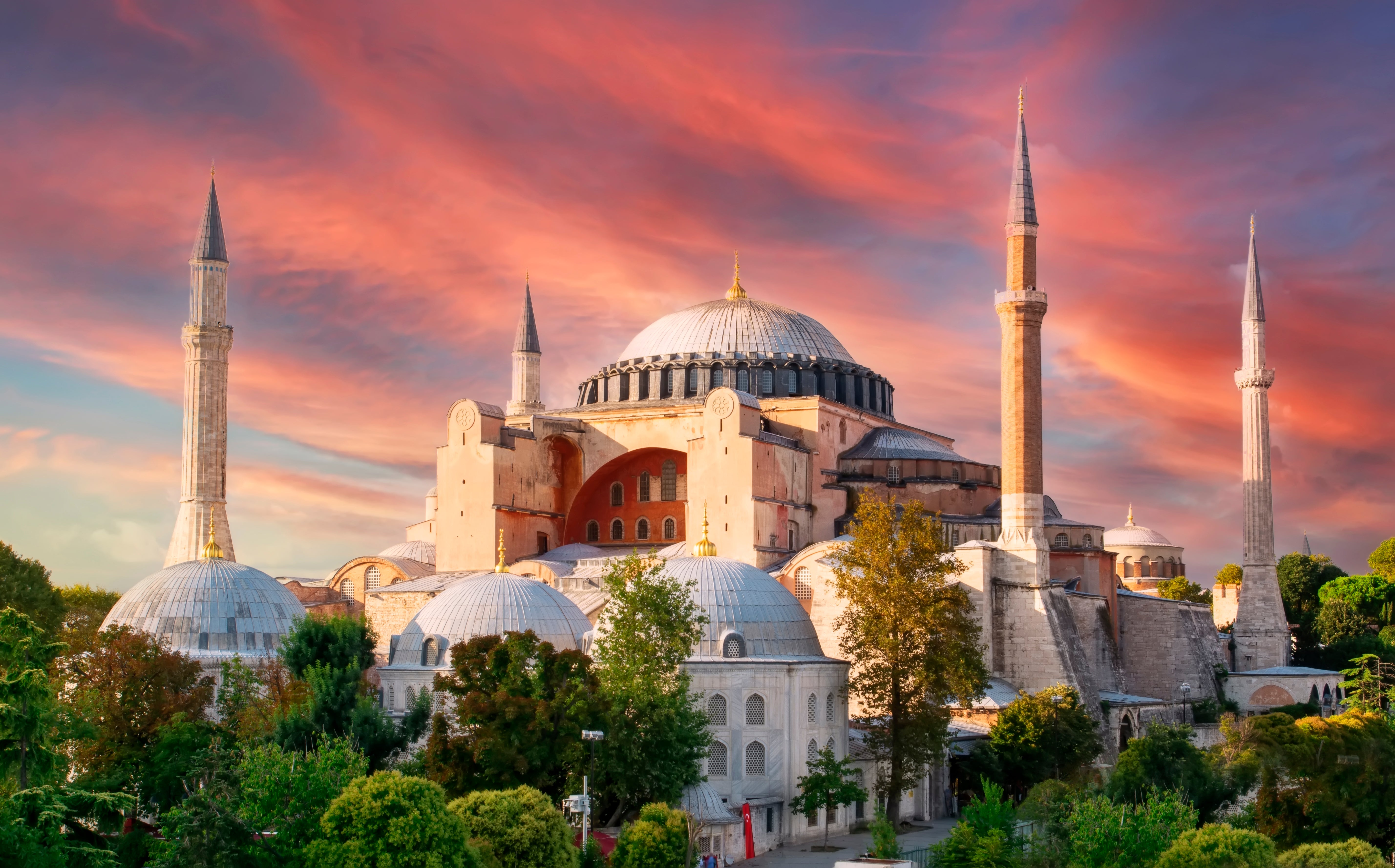
Turkey is known for blending Eastern and Western cultures, as it sits between Europe and Asia. This mix is reflected in its architecture, cuisine, and coastal landscapes along the Mediterranean and Aegean seas.
What are the most popular destinations in Turkey?
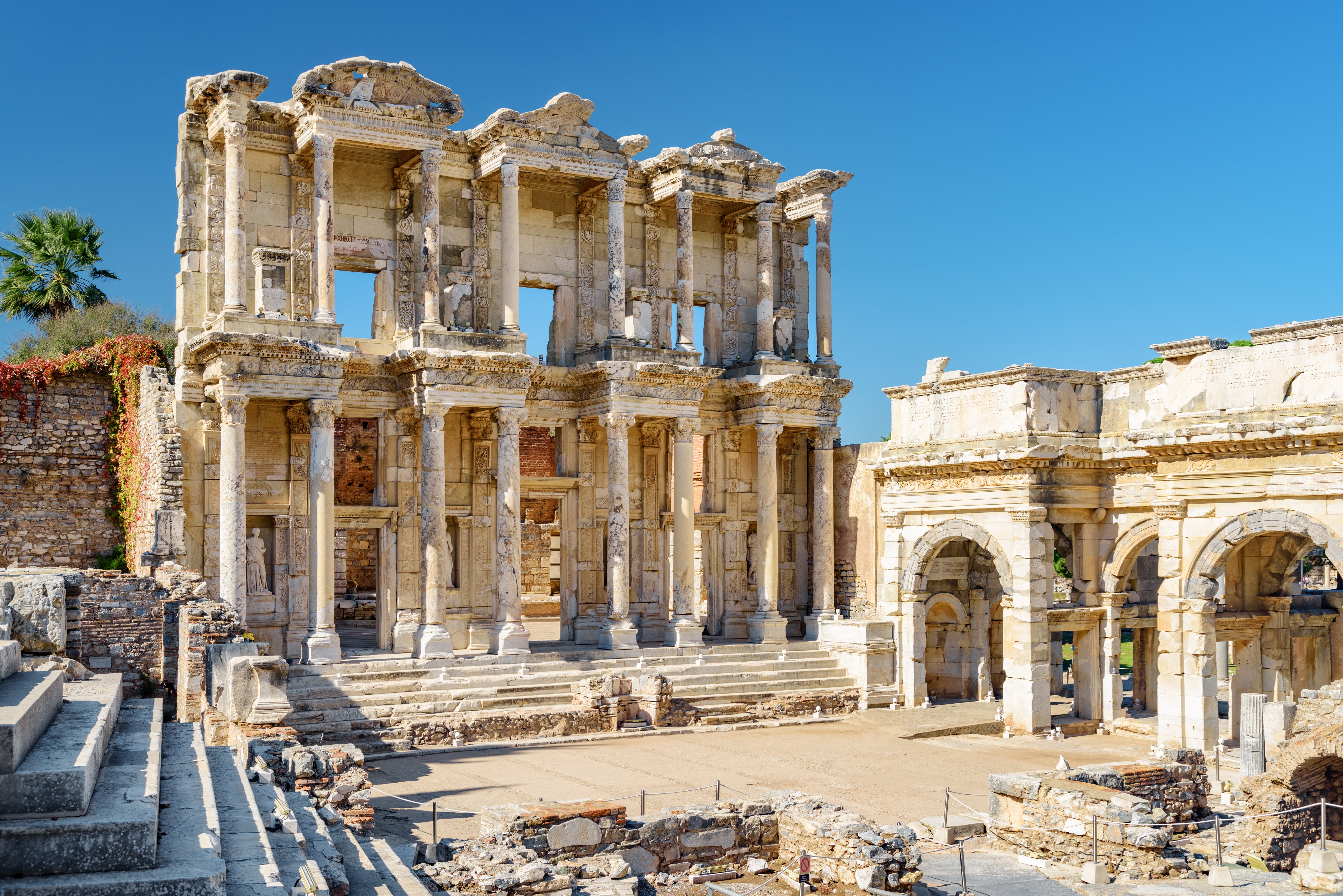
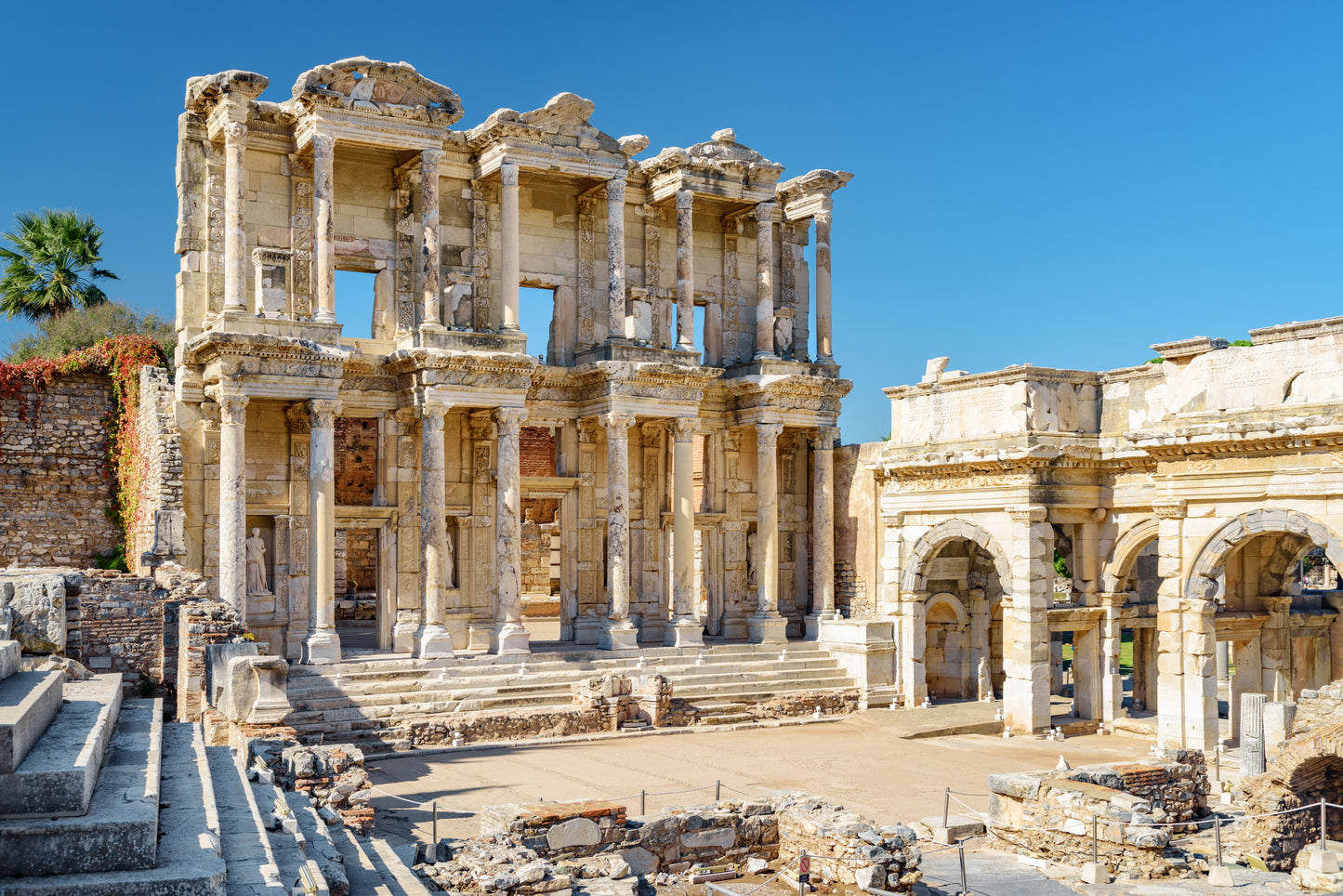
Top destinations include Istanbul, Cappadocia, Ephesus, the Turquoise Coast, Ankara, Edirne, Mount Nemrut, Izmir, Konya, and Bursa. Each offers a unique mix of history, scenery, and culture. Some of the most scenic islands include Bozcaada, Gökçeada, Cunda Island, the Princes’ Islands, Kızkalesi, and Gemiler Island.
Does Turkey have good beaches?
Yes, Turkey’s beaches along the Mediterranean and Aegean coasts are known for their beauty, clear water, and scenic backdrops. They are often less crowded than other European beach destinations.
Is Turkey a good destination for families?
Turkey is a great family destination, offering beaches, historical sites, and interactive cultural experiences. Families can explore ancient ruins, enjoy coastal activities, and experience local cuisine and traditions.
Is Turkey suitable for senior travelers?
Yes, Turkey is well-suited for senior travelers, with a mix of relaxed sightseeing, cultural experiences, and scenic coastal areas. Cities like Istanbul offer accessible tours, while coastal regions provide opportunities for relaxation.
Is Turkey suitable for couples or honeymooners?
Turkey is an excellent destination for couples, offering romantic experiences such as coastal cruises, boutique stays, and hot-air balloon rides over Cappadocia.
What food should I try in Turkey?
Turkish cuisine is rich and flavorful. Popular dishes include Köfte, Meze, Yaprak dolma, Döner kebab, Pide, Manti, Gözleme, and Turkish coffee.
Is Turkey safe to visit?
Turkey is generally safe for travelers, especially in major tourist areas like Istanbul, Izmir, and Cappadocia. As with any destination, stay aware of your surroundings and keep belongings secure in crowded areas. Travel Insurance is a recommendation. Check here.
What language do they speak in Turkey?
The official language is Turkish. English is widely spoken in tourist areas, though less common in rural regions.
What vaccinations do I need to travel to Turkey?
No vaccinations are mandatory, but it’s recommended to check current health guidance and consult a healthcare provider before traveling.
What currency does Turkey use?
Turkey uses the Turkish lira (₺). While cards are accepted in some places, it’s best to carry cash, especially in smaller towns or markets.
What are the Visa Requirements?
As of January 2024, ordinary U.S. passport holders are exempt from visa requirements for touristic and business travel to Turkey for up to 90 days within any 180-day period. A passport with at least six months' validity, one blank page, and proof of onward travel is required, while travelers staying longer must obtain a residence permit or visa from a Turkish mission. Check travel requirements here.