Israel
What documents do I need to travel to Israel?
For U.S. and Canadian citizens, a valid passport is required, and it must remain valid for at least six months beyond your arrival date. For stays of up to three months, a visa is not required. Travelers from many Western countries follow similar entry requirements, though it’s always best to confirm based on your nationality. Check visa requirements here.
Is it safe to travel to Israel?
Israel welcomes millions of tourists each year, and the vast majority of visits are completed safely without incident. As with any destination, it’s important to stay informed, follow local guidance, and remain aware of your surroundings while traveling. Travel Insurance is recommended, check that here.
What about health, medicines, vaccinations?
Israel has a highly advanced healthcare system with excellent medical facilities. No special vaccinations are required for entry unless you are arriving from regions affected by certain diseases. Most over-the-counter medications are widely available and comparable to those in North America.
What to wear?
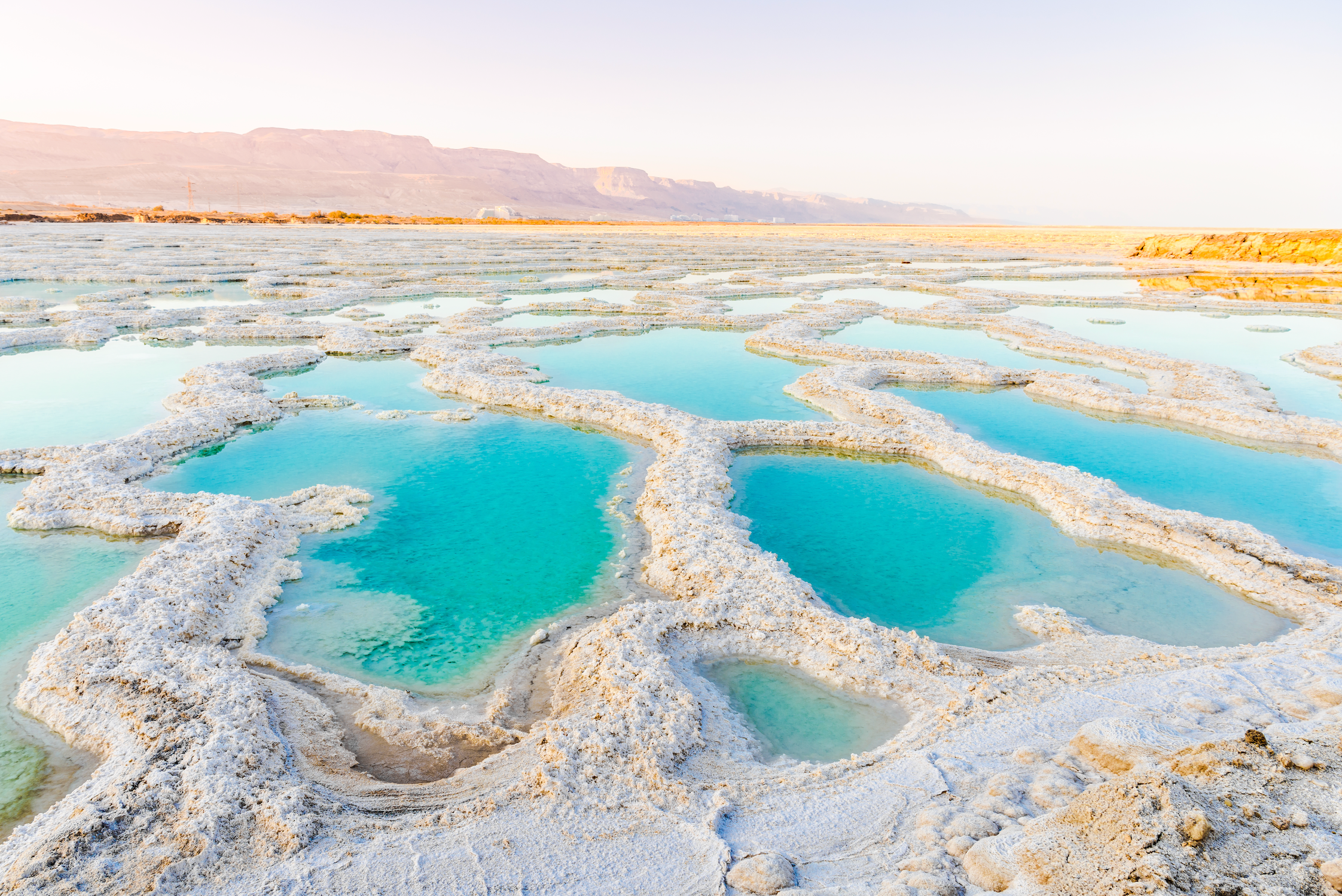
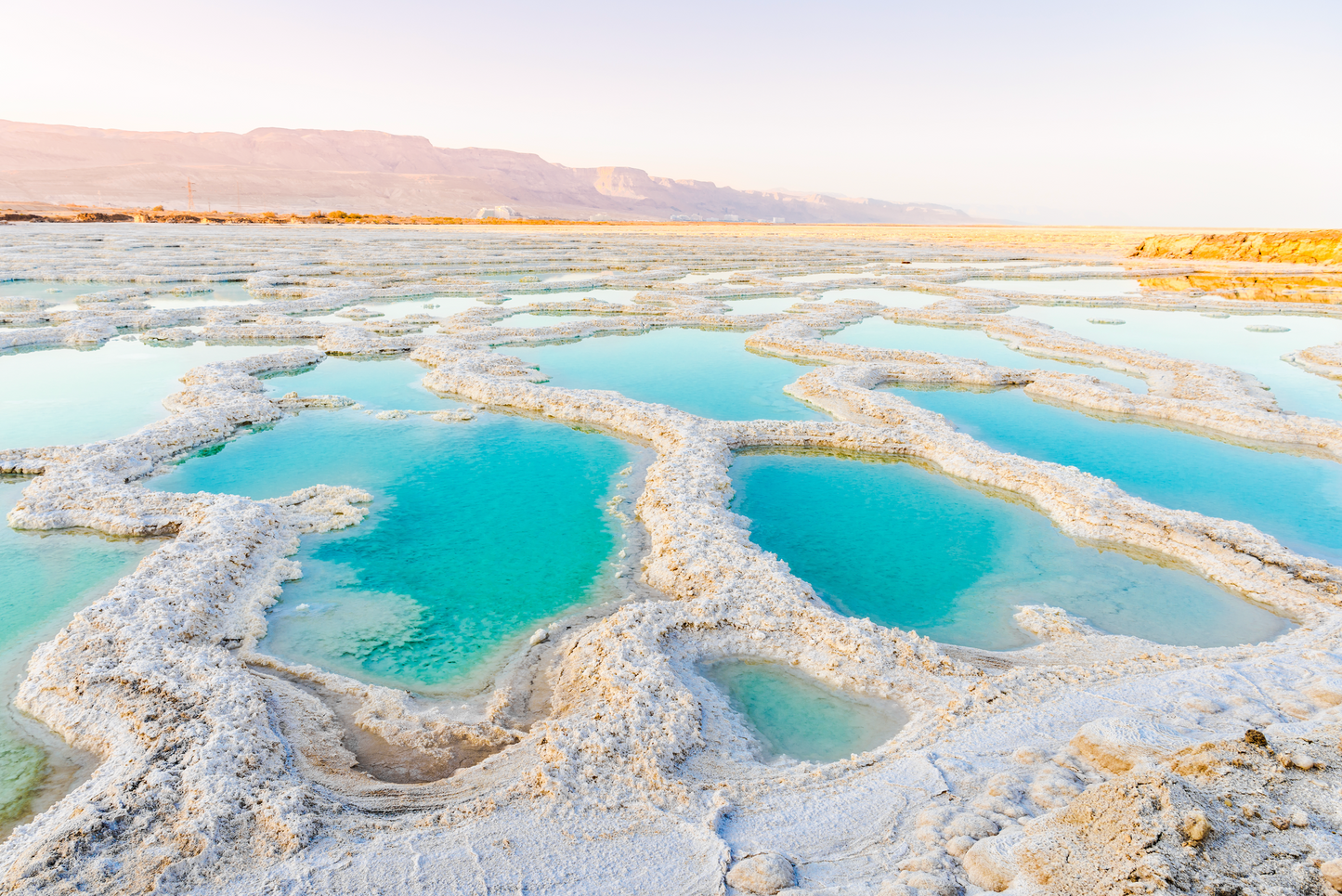
Casual clothing is suitable for most daytime activities, and comfortable walking shoes are essential. Evenings in cities like Tel Aviv and Jerusalem often lean toward “smart casual.” When visiting religious sites, modest dress is required, meaning shoulders and knees should be covered, and sometimes additional restrictions apply. Don’t forget a swimsuit, especially if visiting the Dead Sea, along with water shoes.
What about money?
The official currency is the New Israeli Shekel. ATMs are widely available, including at the airport, and credit cards are accepted in most places. It’s a good idea to withdraw some local currency upon arrival for smaller purchases.
Will I need a converter/adapter for electricity?
Israel uses 220V electricity with three-prong outlets. Many European two-prong adapters will work, but it’s best to bring a compatible adapter. Hotels often provide basic amenities like hairdryers, and converters may be needed for certain devices.
What is the climate like?
Weather varies by region and season. Summers are hot and dry, especially in places like Eilat and the Dead Sea, while coastal cities like Tel Aviv are hot and humid. Spring and fall offer mild, pleasant temperatures. Winters can range from cool and rainy to occasionally cold, with possible snow in higher elevations like Jerusalem.
Is the water safe to drink?
Yes, tap water in Israel is safe to drink and meets high safety standards. Bottled water is also widely available if preferred.
What is the internet and email availability like?
Internet access is widely available in hotels, cafés, and public spaces. Many places offer free Wi-Fi, and larger cities like Tel Aviv have extensive public hotspot coverage.
Will my cell phone work in Israel?
Most modern phones will work if they are enabled for international use. It’s best to check with your provider before traveling. Renting a local phone or SIM card is also an option for staying connected.
What should I expect with currency and purchasing while in Israel?
The New Israeli Shekel is used for all transactions. Credit cards are widely accepted, especially Visa and MasterCard. ATMs are easy to find, and it’s recommended to carry some cash for smaller vendors or markets.
Is tipping customary?
Tipping is customary in Israel. In restaurants, around 15% is standard if service is not already included. Guides, drivers, and hotel staff also typically receive tips based on service quality. Taxi tipping is optional but appreciated.
Turkey
What language is spoken in Turkey?
Turkish.
What currency is used in Turkey?
Turkish Lira.
What is the crime rate in Turkey?
Turkey has a low crime rate and single women can feel relaxed about travel.
What is the typical food in Turkey?
Soup, Doner Kebab, Goat, Cow, Chicken, lots of vegetables and more!
Do I need to get vaccinated before traveling to Turkey?
Vaccinations are not required. Travelers may choose to vaccinate or not before their trip.
Egypt
What is the official language in Egypt?
Arabic.
What currency is used in Egypt?
The official currency is the Egyptian Pound.
Is a Visa required when traveling to Egypt?
Visa requirements for Egypt vary depending on your nationality. Most travelers will need a visa to enter Egypt, and many nationalities are eligible for an eVisa or a visa on arrival for short stays (typically up to 30 days). It's recommended to apply for an eVisa in advance through the official portal. You can apply and check the latest requirements on this site: https://visa2egypt.gov.eg/eVisa/Home. Always verify the requirements before traveling, as they may change. https://apply.joinsherpa.com/travel-restrictions
What is the time zone in Egypt?
Egypt operates on Eastern European Time (EET).
What is the climate like in Egypt?
Egypt has a desert climate, with hot, dry summers and mild winters. The best time to visit is during the cooler months from October to April.
What type of electricity plug is used in Egypt?
Egypt uses Type C and Type F power sockets with a standard voltage of 220V.
Is it safe to travel to Egypt?
Egypt is generally safe for tourists, but it's important to stay vigilant in crowded areas and use reputable travel services for tours.
Is tipping expected in Egypt?
Yes, tipping or baksheesh is common in Egypt. It's expected in restaurants, for hotel staff, and for guides. A tip of around 10-15% is typical in restaurants.
Can I drink tap water in Egypt?
It’s recommended to avoid drinking tap water in Egypt. Stick to bottled water, which is widely available.
What is the dress code in Egypt?
While Egypt is relatively relaxed in tourist areas, it's advisable to dress modestly, especially when visiting religious sites. Shoulders and knees should be covered.
What is the main religion in Egypt?
The majority of Egyptians are Muslim (primarily Sunni Islam), though there is a significant Christian minority, mostly Coptic Christians.
Are there any cultural taboos I should be aware of?
Public displays of affection are frowned upon, especially in rural areas. It is also considered disrespectful to point your feet at people or religious symbols. When visiting mosques, follow the local etiquette of removing your shoes and dressing modestly.
What are the typical foods to try in Egypt?
Must-try dishes include Koshari (a mix of rice, lentils, and pasta), Ful Medames (stewed fava beans), Mahshi (stuffed vegetables), and Molokhia (a green soup made from jute leaves).
Do I need travel insurance to visit Egypt?
Travel insurance is not required, but it’s highly recommended to cover potential medical expenses, flight cancellations, or other emergencies. Purchase travel insurance here https://www.travelexinsurance.com/homepage?location=44-0110&go=bp
Jordan
How big is Jordan?
At 34,495 square miles (89,342 sq km), Jordan is a relatively small country—slightly smaller than the U.S. state of Indiana. From Umm Qais in the north to Aqaba in the south, it stretches just over 400 miles (644 km). Many major attractions are close to the capital, Amman—for example, the Dead Sea and the ancient city of Jerash are both under an hour away. Popular destinations like Petra and Wadi Rum can be reached in about 3–4 hours by car.
Do I need a visa for Jordan?
In most cases, yes. Some travelers can obtain a visa on arrival, though rules vary depending on nationality. It’s best to check official visa requirements before traveling. Check travel restrictions here.
Is Jordan a safe place to travel?
Jordan is widely considered safe and welcoming, with a strong culture of hospitality. While neighboring regions may experience unrest, Jordan itself is stable. As with any destination, follow standard precautions such as safeguarding valuables and staying aware of your surroundings. Travel Insurance is recommended, you can check that here.
Is Jordan family-friendly?
Yes, Jordan is very family-oriented, and children are warmly welcomed in most settings.
When is the best time of year to visit?
Spring (March to May) and fall (September to October) are generally the most comfortable times to visit due to milder weather. Summers can be extremely hot, while winters may be cool and rainy.
I don’t speak Arabic. Can I travel on my own?
In major areas like Amman and Petra, many people speak some English, so independent travel is manageable. However, in more remote regions, having a local guide can be very helpful for communication and cultural insight.
How do I get around Jordan?
Most visitors travel by car, either renting one or hiring a driver. Public transportation is limited and not always reliable, and there are no trains. Domestic flights between Amman and Aqaba are available as an alternative.
What currency does Jordan use?
The official currency is the Jordanian dinar (JD).
Are credit cards widely accepted?
Credit cards are commonly accepted in cities and hotels, but smaller shops, markets, and desert camps often require cash. It’s a good idea to carry some cash at all times.
Is there a tipping culture in Jordan?
Yes, tipping is customary. Around 10% is standard in restaurants, though a service charge may already be included. Small tips are also expected for taxi drivers, porters, housekeeping staff, and spa services.
Do women have to wear a hijab?
No, wearing a hijab is not required. However, modest dress is recommended, especially outside tourist areas. Women typically cover shoulders, chest, and legs.
What’s the food like?
Jordanian cuisine is rich and social, influenced by Bedouin and Middle Eastern traditions. A must-try dish is mansaf, the national dish made with lamb, rice, and yogurt sauce. You’ll also find plenty of falafel, hummus, fresh bread, olive oil, and herbs like za’atar used in many meals.
What is the official language spoken in Jordan?
Arabic is the official language, though English is widely understood in tourist areas.
Can we find ATMs in Jordan?
Yes, ATMs are available in cities and towns, though they may be less common in rural areas. Fees for withdrawals may apply.
Can I drink the water in Jordan?
While tap water is generally safe for washing and brushing teeth, most visitors prefer to drink bottled water due to taste and mineral content.